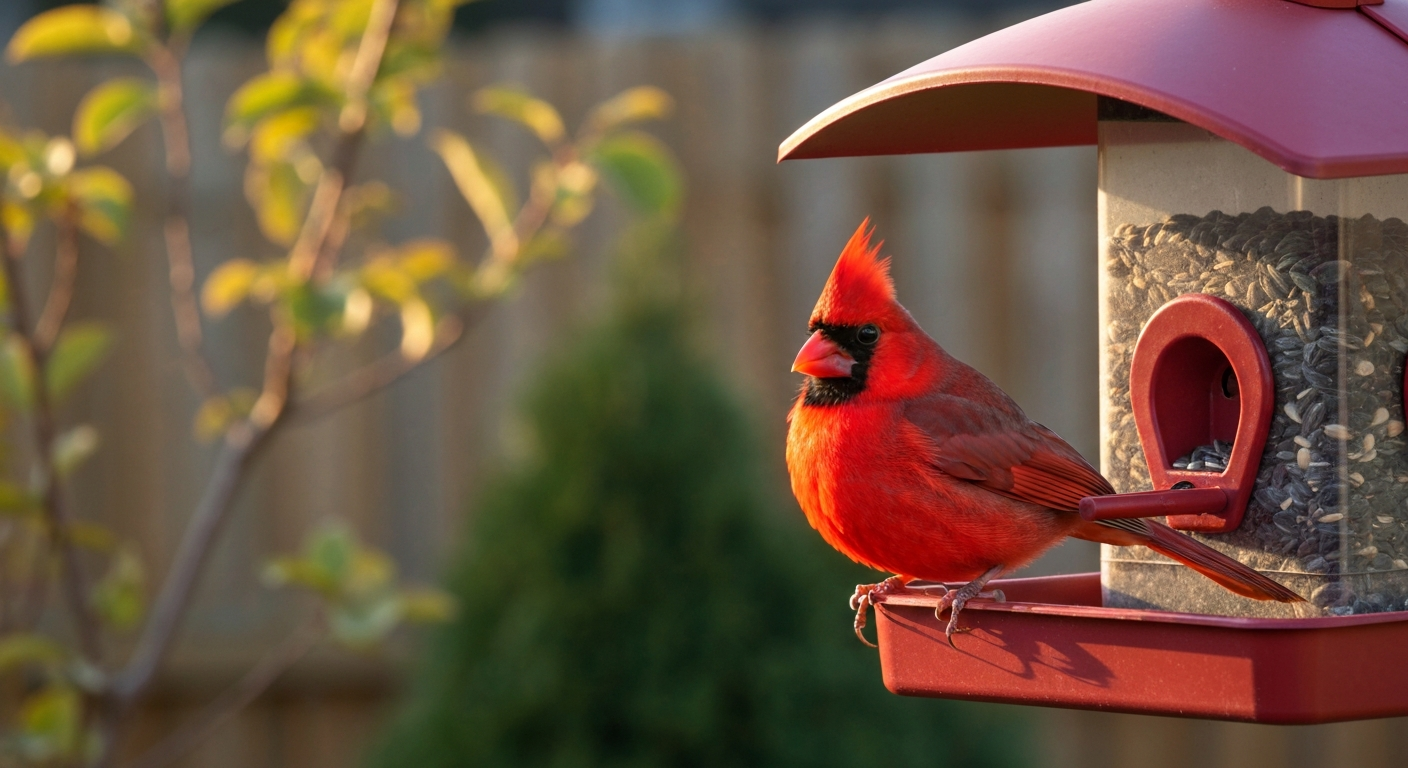
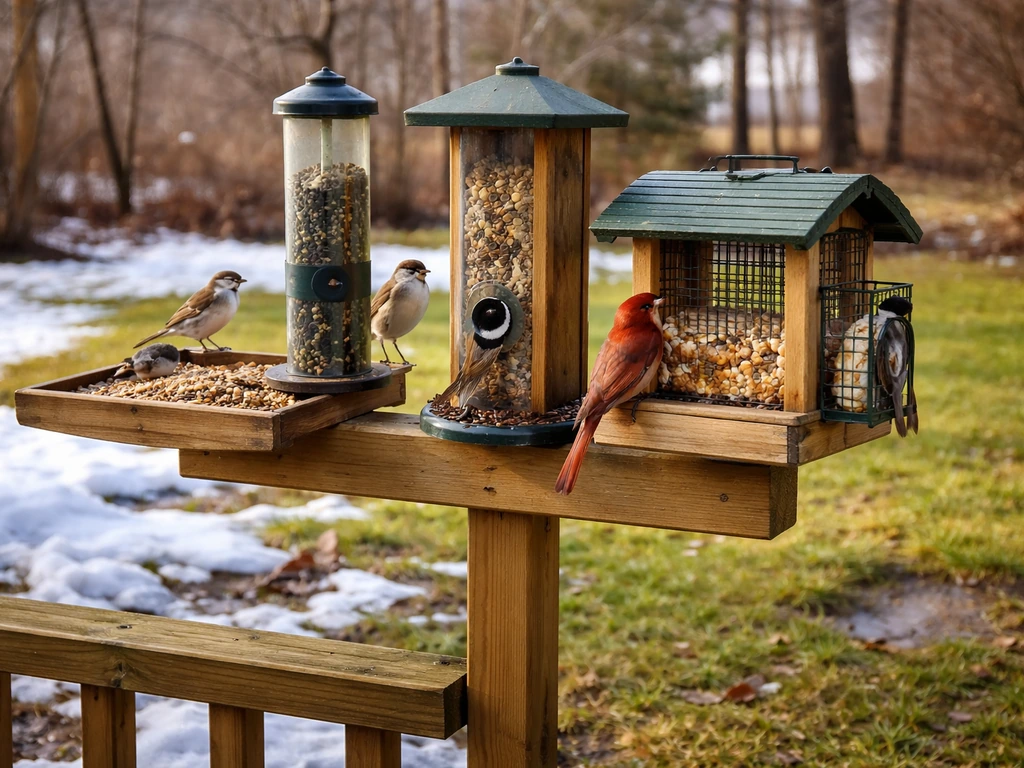
For Pennsylvania backyard birding, you want at least three feeder types working together: a tube or hopper feeder loaded with black-oil sunflower seed for cardinals, chickadees, and nuthatches; a nyjer sock or tube for goldfinches; and a suet cage for woodpeckers and wrens. Add a hummingbird feeder in late April through September and you've covered the majority of birds you'll realistically see in a Pennsylvania yard. If you are comparing the best bird feeders for New England, hummingbird options and seasonal timing are just as important as seed types. The biggest practical challenges here are squirrels (relentless and clever), weather swings from humid summers to icy winters, and dominant species like grackles and European starlings crowding out the birds you actually want. Get those three things under control and the rest is pretty enjoyable.
Best Bird Feeders for Pennsylvania: Buying Guide for 2026
What birds are you actually working with in Pennsylvania
Pennsylvania sits in a genuinely excellent birding zone. You get year-round residents, spring and fall migrants passing through, and several winter visitors that make feeders worth running even in January. Knowing your likely visitors shapes every feeder and seed decision you make. If you're also shopping beyond Pennsylvania, check out the best bird feeders for maryland for more feeder choices by species and conditions.
- Year-round residents: Northern Cardinal, Black-capped Chickadee, Carolina Chickadee (southern PA), Downy Woodpecker, Hairy Woodpecker, White-breasted Nuthatch, Carolina Wren, Dark-eyed Junco (winters heavily), House Finch, American Goldfinch
- Winter visitors: Purple Finch, Pine Siskin, Common Redpoll (irruption years), Red-breasted Nuthatch, White-throated Sparrow, Fox Sparrow
- Spring and summer: Ruby-throated Hummingbird, Baltimore Oriole, Rose-breasted Grosbeak, Indigo Bunting, Gray Catbird
- Common pest species at feeders: European Starling, Common Grackle, Brown-headed Cowbird, House Sparrow, Eastern Gray Squirrel, Red Squirrel
Cardinals and chickadees are your bread-and-butter species. If you only set up one feeder and keep it stocked with black-oil sunflower, you will see both within a few days in almost any PA neighborhood. Goldfinches are almost always present but need nyjer specifically, they will largely ignore sunflower in a tube feeder. Woodpeckers, especially Downies, show up reliably once you put out suet. The hummingbirds arrive surprisingly early in southwestern Pennsylvania (sometimes late April) so don't wait until Memorial Day to put the nectar feeder out.
Best feeder types matched to Pennsylvania species
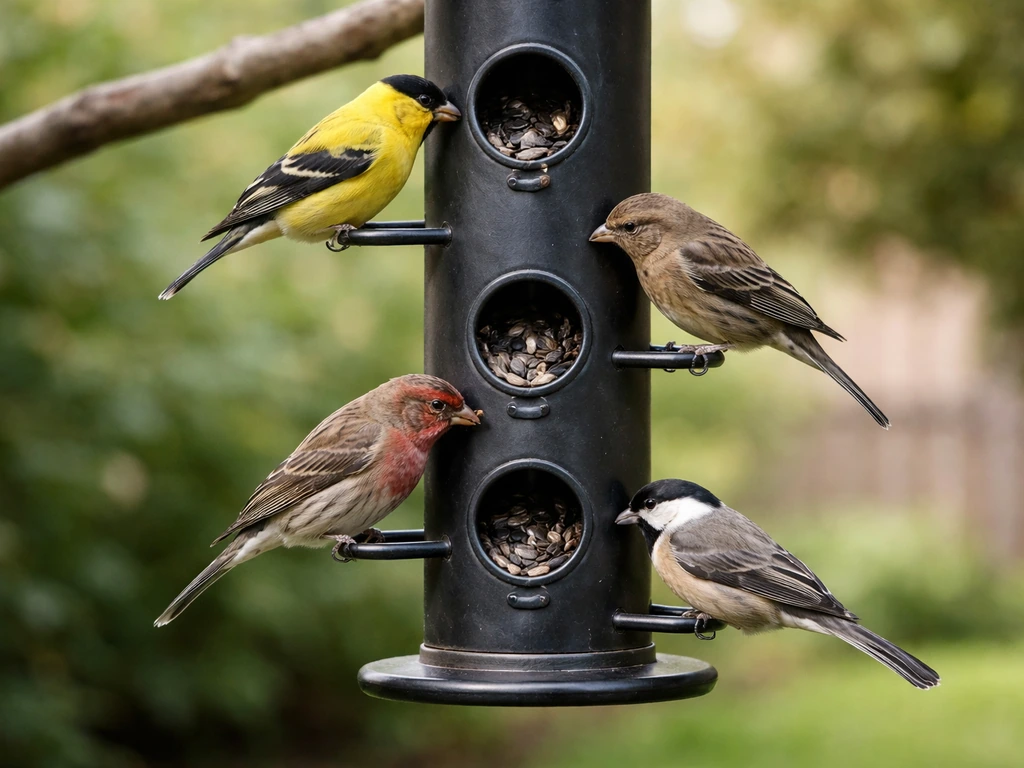
Tube feeders for finches, chickadees, and nuthatches
A good tube feeder is the foundation of most PA setups. For black-oil sunflower, look for tubes with ports large enough to accommodate cardinals (they need a larger port opening and a perch big enough to grip). Smaller ports work fine for chickadees and nuthatches but will frustrate cardinals and grosbeaks. For nyjer seed, use a dedicated nyjer tube with small mesh ports or a nyjer sock, American Goldfinches and Pine Siskins prefer them, and the tight mesh keeps thistle from spilling. I've found that clear-bodied tubes let you monitor seed levels without opening the feeder, which matters when it's 18 degrees out and you don't want to fuss with latches.
Hopper and platform feeders for cardinals and sparrows
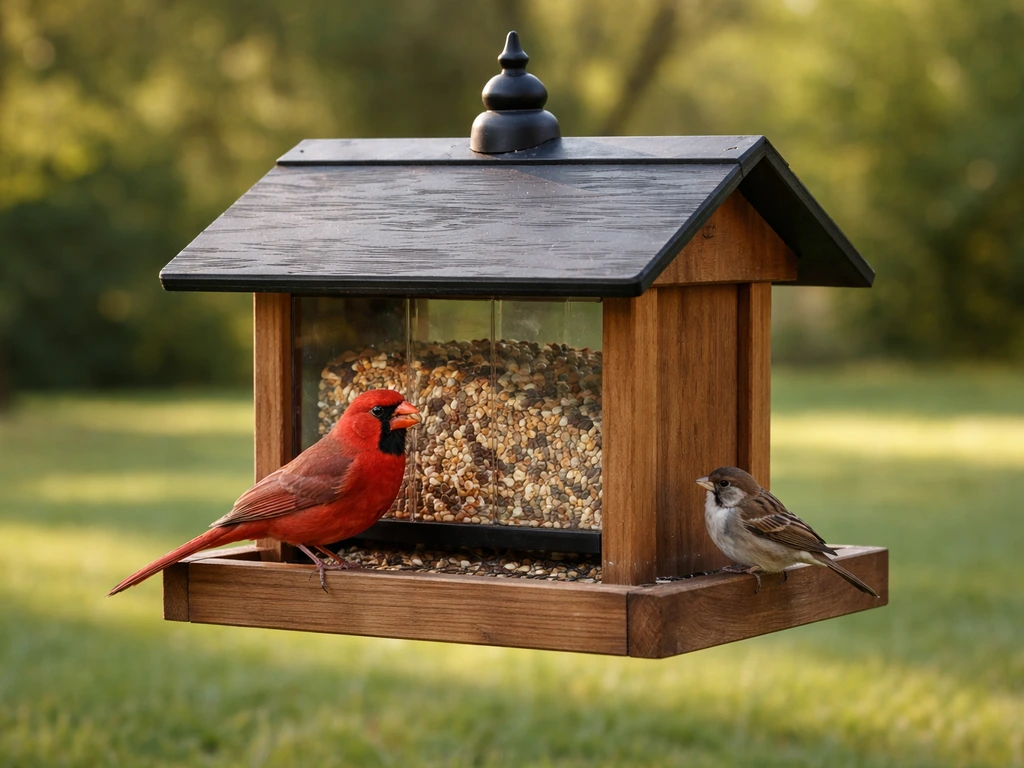
Hopper feeders (the barn-style ones with a roof and a tray around the bottom) are legitimately great for Pennsylvania because they give cardinals a comfortable feeding platform while protecting seed from rain and snow better than an open tray. Northern Cardinals strongly prefer feeders where they can face forward and see their surroundings, a hopper or a wide tray suits that perfectly. Platform or tray feeders attract the widest variety of birds including Dark-eyed Juncos, White-throated Sparrows, and Morning Doves, but they offer zero weather protection and fill with water fast. If you use a tray, get one with drainage holes drilled in the bottom and expect to clean it more often.
Suet feeders for woodpeckers and wrens
A simple wire suet cage costs almost nothing and works reliably for Downy, Hairy, and Red-bellied Woodpeckers as well as Carolina Wrens and White-breasted Nuthatches. The main limitation with standard suet cages is starling access, starlings can cling to them just like woodpeckers can. Upside-down suet feeders are a practical solution: woodpeckers can hang upside down easily, but starlings generally won't bother. In Pennsylvania summers, avoid standard beef-fat suet cakes because they melt and go rancid above about 70°F. Switch to no-melt or high-melt suet formulas from about May through September. Suet cakes with seeds, peanuts, or insects mixed in attract more variety than plain suet.
Hummingbird feeders for Ruby-throated Hummingbirds
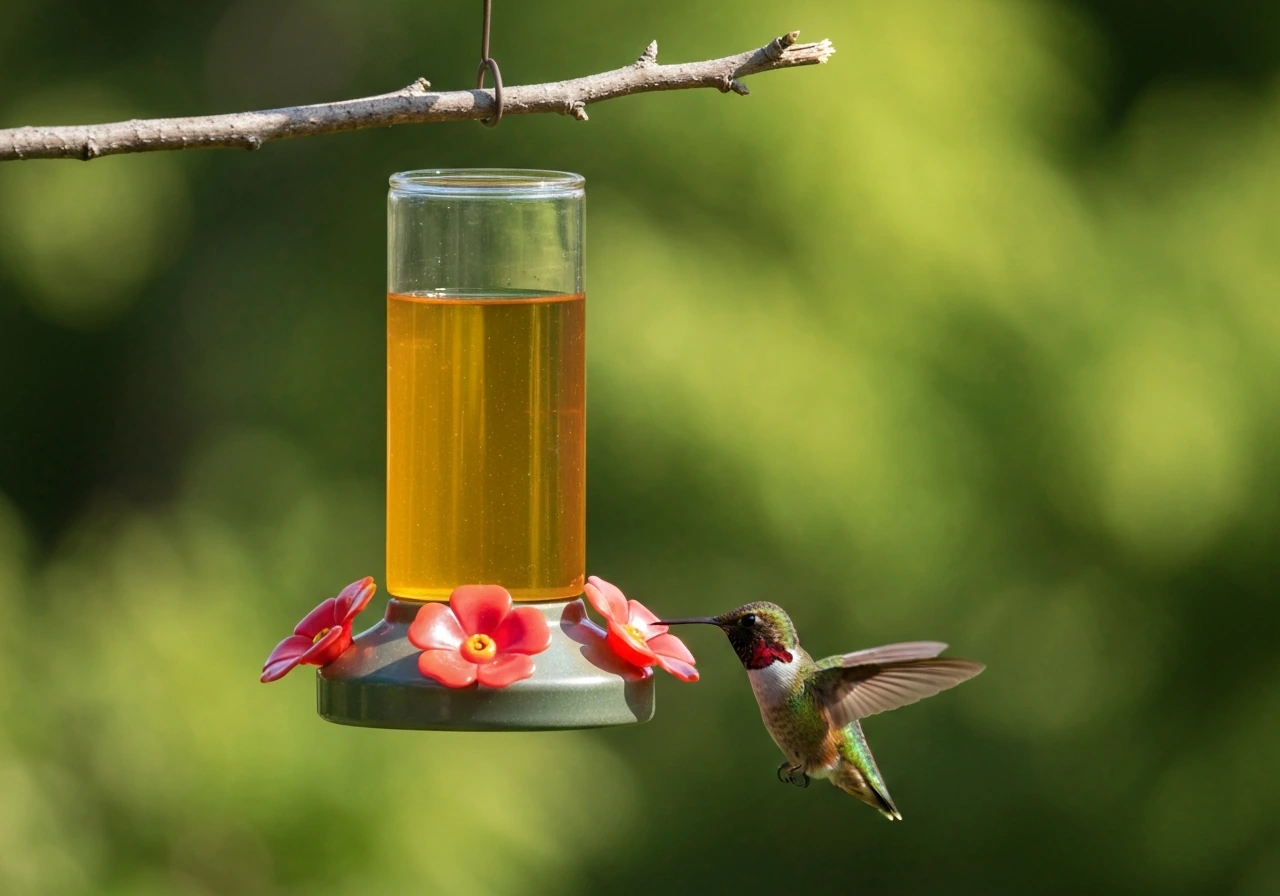
Pennsylvania's only regular hummingbird is the Ruby-throated Hummingbird, and it's worth having a dedicated feeder out from late April through early October. Glass feeders hold up better over multiple seasons than plastic and are easier to clean thoroughly. Look for a feeder with wide-mouth ports or a removable top that lets you get inside with a bottle brush, mold builds up fast in warm PA summers and nectar spoils within two to three days in high heat. Skip the red-dye nectar products: a simple 4:1 water-to-white-sugar ratio is all you need, and red dye adds nothing. The red color on the feeder itself is enough to attract hummingbirds.
Oriole and specialty feeders for spring and summer visitors
Baltimore Orioles pass through Pennsylvania in May and some stay to nest. An oriole feeder with larger ports and orange-colored accents, offering nectar or grape jelly (offered in small amounts), can pull them in during migration. Rose-breasted Grosbeaks will visit sunflower feeders but appreciate a wider platform. Indigo Buntings prefer white millet offered in a low tray. These are bonus species, not guaranteed, but having the right feeder out at the right time can make a real difference during migration weeks.
Seasonal strategy: what to feed and when
Pennsylvania's seasons pull your feeder setup in pretty different directions, so a one-feeder-fits-all approach leaves you with either spoiled seed in summer or frozen, inaccessible ports in January. A little seasonal adjustment makes everything work better.
| Season | Priority Birds | Best Seed/Food | Feeder Notes |
|---|---|---|---|
| Spring (Apr–May) | Hummingbirds, Orioles, Grosbeaks, Goldfinches | Nectar, nyjer, black-oil sunflower, grape jelly | Put hummingbird feeders out by late April; oriole feeders mid-April |
| Summer (Jun–Aug) | Hummingbirds, Cardinals, Finches, Woodpeckers | Nectar, black-oil sunflower, no-melt suet | Switch to no-melt suet; clean nectar feeders every 2 days in heat |
| Fall (Sep–Nov) | Migrants, Sparrows, Juncos, Cardinals | Black-oil sunflower, white millet, nyjer | Juncos arrive in October; platform feeders become more valuable |
| Winter (Dec–Mar) | Chickadees, Cardinals, Woodpeckers, Winter Finches | Black-oil sunflower, standard suet, peanuts | Hopper feeders protect seed from snow; heated bird baths are a bonus draw |
The biggest seasonal mistake I see is leaving standard suet out through summer. It turns into a greasy, rancid mess above 70°F and can actually harm birds. No-melt suet cakes are formulated with higher melting points and hold up through Pennsylvania's humid summers without turning. Conversely, in winter you can use any suet formula freely and it becomes one of your most important energy sources for overwintering birds burning fat to stay warm.
Nectar feeders in summer need more attention than most people expect. On a 90°F Pennsylvania August day, nectar can ferment or grow mold in 48 hours. If you can't commit to cleaning and refilling every two days during heat waves, a smaller-capacity feeder is smarter, less waste, less chance of offering spoiled nectar. In cooler fall weather, you can stretch it to every four or five days.
Weather resistance and durability for Pennsylvania conditions
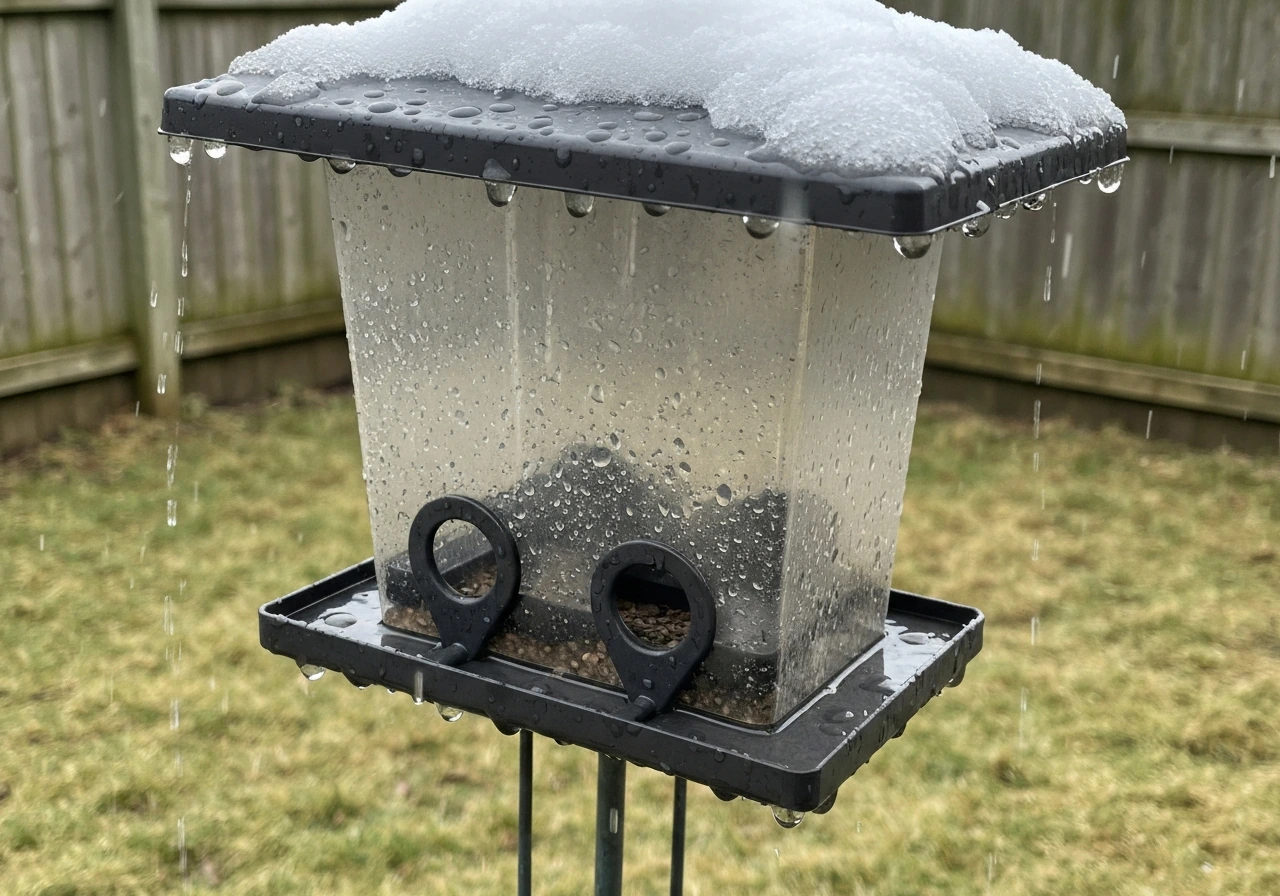
Pennsylvania throws a lot at outdoor feeders: summer humidity, heavy rain, ice storms, and snowfall that can weigh down or freeze feeder ports shut. Material choice and design matter a lot here.
Material comparison: what holds up and what doesn't
| Material | Durability | Weather Resistance | Best For | Watch Out For |
|---|---|---|---|---|
| Powder-coated steel | Excellent | Very good if coating is intact | Squirrel-resistant feeders, suet cages | Chips over time; check for rust at seams |
| UV-stabilized polycarbonate/acrylic | Good | Good; resists cracking better than plain plastic | Tube feeders, window feeders | Cheaper plastics yellow and crack within 2–3 seasons |
| Recycled plastic (HDPE) | Excellent | Excellent; won't rot or warp | Hopper feeders, platform feeders | Heavier; limited styles |
| Cedar/hardwood | Good if maintained | Moderate; needs periodic sealing | Hopper feeders, platform feeders | Swells, warps, and rots if not sealed; avoid with metal hardware |
| Glass | Excellent if thick-walled | Excellent | Hummingbird and nectar feeders | Breakage if dropped; heavier to hang |
For Pennsylvania winters specifically, look for feeders with drainage holes in any tray or platform section, and avoid designs with narrow seed ports that can freeze shut after ice storms. Wide-mouth or covered ports handle freeze-thaw cycles much better. Hopper feeders with a properly overhanging roof protect seed from snow accumulation reasonably well, though a really heavy snowfall will still pile up on the tray. Clearing your feeders after a significant snowstorm takes two minutes and makes a genuine difference for hungry birds.
For suet feeders, a simple wire cage is nearly indestructible and doesn't have weather-related failure points. The suet cake itself is the thing to manage, not the feeder hardware. If you're in a particularly exposed or windy spot, choose a feeder that mounts on a pole rather than hanging freely, swing and spin in wind sends birds off and causes seed spillage.
Dealing with squirrels, grackles, and other pest species
This is the part that makes or breaks a feeder setup in Pennsylvania. Eastern Gray Squirrels are athletic, persistent, and genuinely smart. Penn State Extension is honest about this: feeders marketed as squirrel-proof often aren't, and baffles only work when placement is correct. A baffle is useless if the feeder is within jumping range of a tree, fence, or roof. The general rule is 10 feet of horizontal distance from any launch point and at least 5 feet off the ground. A smooth pole with a properly fitted cylindrical or dome baffle below the feeder is your most reliable setup.
Weight-activated feeders are the other strong option. These use the bird's light weight to keep ports open, then close automatically when something heavier (a squirrel) lands on the perch ring. They work well, but check that the weight threshold is adjustable, some larger birds like cardinals can accidentally trigger the closing mechanism on default settings. Adjustable models solve this cleanly.
Squirrel-proofing: placement rules that actually work
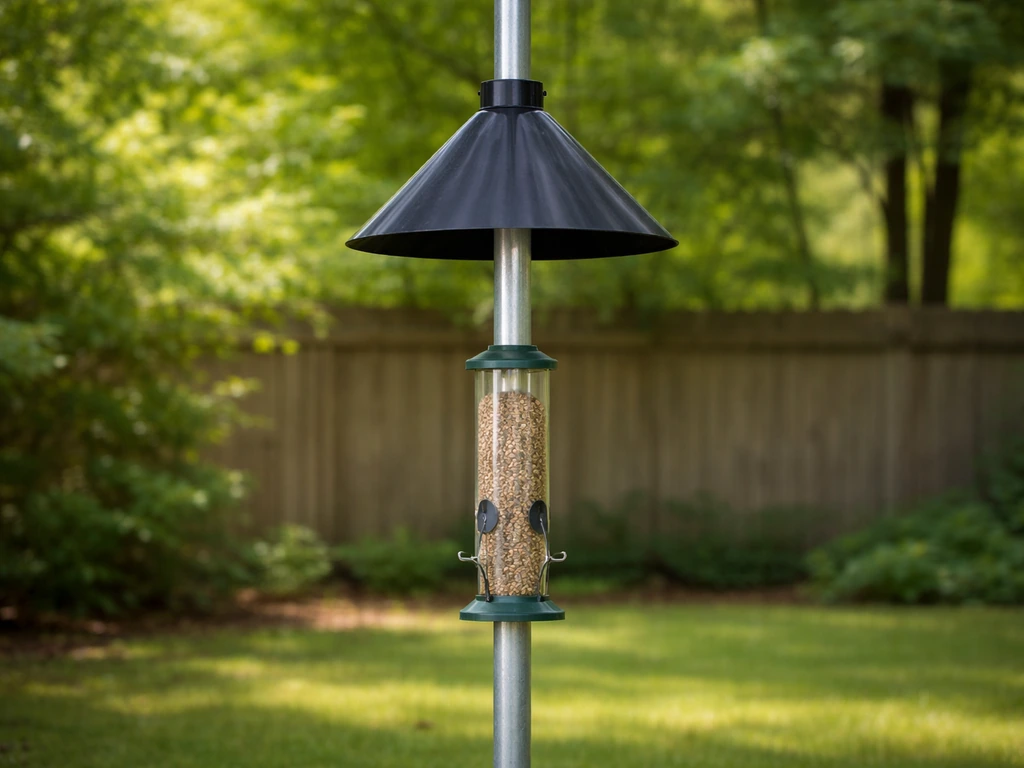
- Use a smooth steel pole rather than a wooden post — squirrels can't grip smooth metal as easily
- Mount a cylindrical baffle on the pole at least 4 feet off the ground, below the feeder
- Keep the feeder at least 10 feet horizontally from trees, fences, decks, and rooflines
- Avoid hanging feeders from tree branches unless you use a wire with a spinning baffle fitted to it
- Check the baffle fit periodically — a gap between baffle and pole is all a squirrel needs
Grackles, starlings, and how to limit them
Common Grackles and European Starlings are real problems at Pennsylvania feeders in spring and early summer. They show up in flocks, eat enormous quantities of seed, and intimidate smaller birds. The most practical countermeasures: use a weight-activated feeder (grackles are heavy enough to trigger the close), switch to an upside-down suet feeder (starlings won't hang inverted), and offer safflower seed in place of sunflower in at least one feeder. Cardinals and chickadees eat safflower readily, but grackles largely ignore it. Caged feeders with wire enclosures sized for small birds physically exclude larger bully species and are worth considering if grackle pressure is severe in your area.
How to choose, set up, and maintain your feeders
Matching feeder size and access to your birds
Port size and perch length determine who actually eats at your feeder. If you want a fast starting point, compare the best bird feeders for Massachusetts based on port size, weather resistance, and how much predator-proofing you need. Small tube ports with short perches favor chickadees, nuthatches, and finches. Wide tray access with room to stand suits cardinals and grosbeaks. If you want to attract a specific species, look up how it prefers to feed, cardinals, for example, are almost always more comfortable on a platform or wide hopper tray than clinging to a tube. Window feeders work well for close-up viewing and attract a range of small species, but they require more frequent cleaning because birds tend to defecate right at the feeder.
Seed selection: keep it simple and targeted
Black-oil sunflower seed is the strongest all-around attractant for Pennsylvania birds. To dial in the best bird feeders for Virginia backyards, start by matching feeder types and seed to the species you want to attract, then use weather-appropriate designs so the birds keep coming black-oil sunflower seed. Cornell's research through Project FeederWatch confirms it: cardinals, chickadees, finches, sparrows, and nuthatches all take it readily. You can run an entire yard setup on black-oil sunflower plus nyjer and do very well. Nyjer (thistle) should go in a dedicated nyjer feeder with small mesh ports, it's the specific preference of American Goldfinches, Pine Siskins, and Common Redpolls in winter irruption years. Beyond those two, peanuts (shelled or in-shell) attract woodpeckers and Blue Jays, white millet works well for ground-feeding sparrows and juncos on a low tray, and safflower is useful as a grackle deterrent.
Avoid seed mixes that contain milo, wheat, or sorghum as primary ingredients, Penn State Extension research and Project FeederWatch data both show these are low-preference fillers that most desirable feeder birds ignore. They end up on the ground, attract rodents, and create a mess. Spend a bit more on quality sunflower or a blend of sunflower, nyjer, and safflower.
Cleaning routine: don't skip this
Feeder hygiene matters more than most casual birders realize. Wet, moldy seed can spread Salmonella and Aspergillosis among birds. Penn State Extension recommends scrubbing feeders with soap and a dilute disinfectant about once a week. Cornell Lab's All About Birds puts the minimum at every two weeks under normal use, with more frequent cleaning during wet weather or heavy use periods. Practically speaking, a good schedule is: wipe out and refill tube and hopper feeders every one to two weeks, scrub with a 10% bleach solution monthly, rinse well and dry completely before refilling. Clean suet cages whenever you change the suet cake. Clean hummingbird and nectar feeders every two to three days in summer heat. Rake or turn over the ground under feeders weekly to remove wet hulls and droppings.
Mounting options for Pennsylvania yards
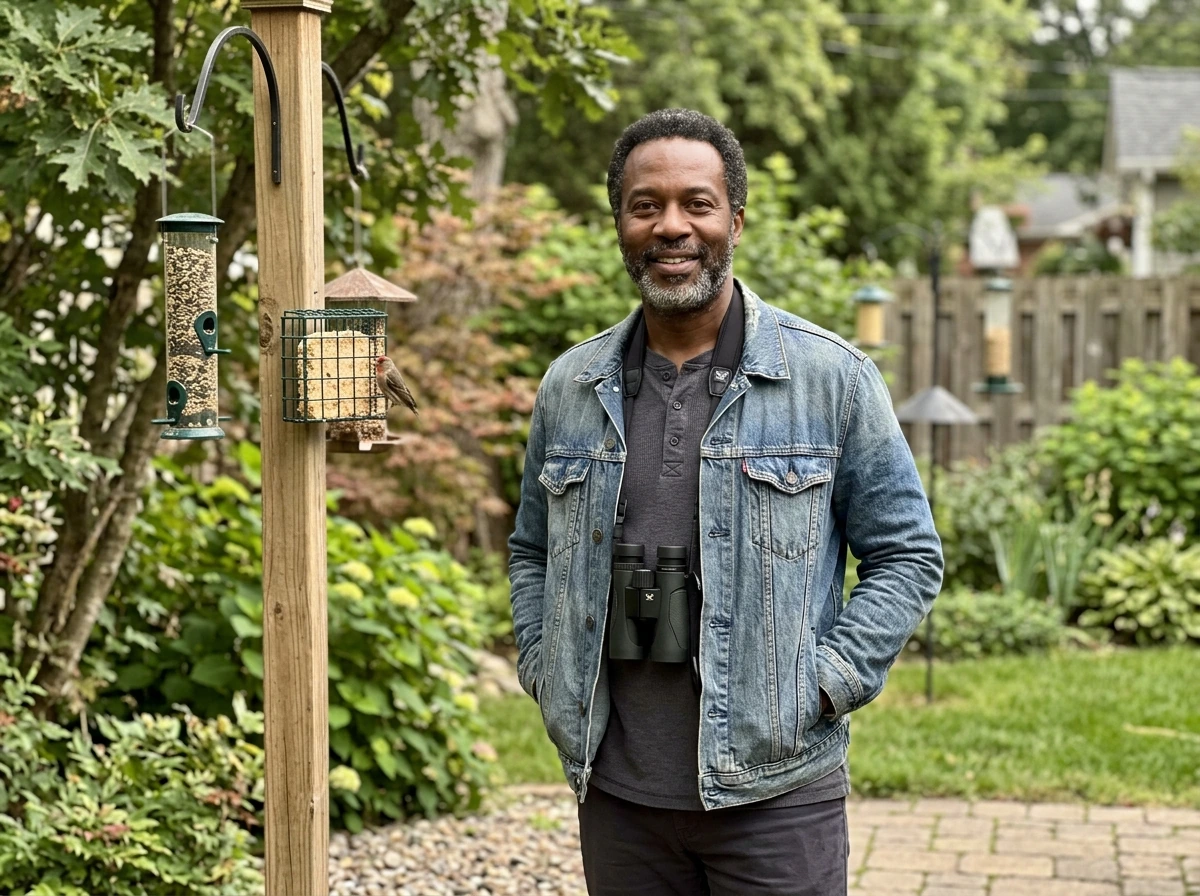
A shepherd's hook pole is the most versatile starting point for most Pennsylvania yards. It's inexpensive, lets you position the feeder away from structures, and works well with a baffle. Multi-arm shepherd's hooks let you hang two or three feeders from one pole, which is useful for keeping nyjer, sunflower, and suet feeders close together without setting up multiple separate poles. Post-mount feeders (screwed to a dedicated wooden or metal post) feel more permanent and hold heavier hopper feeders more stably. Window mount feeders with suction cups work reasonably well for close-up views but need a clean, smooth window surface and should be moved inside if severe icing is expected. Hanging feeders from tree branches is the most convenient and the hardest to squirrel-proof, use a wire with a spinning disc baffle if you go this route.
Smart feeders and AI camera options: are they worth it in Pennsylvania
Smart bird feeders with built-in cameras and AI species identification have gotten genuinely useful in the last couple of years. Products like the Bird Buddy and Netvue Birdfy can identify species from a photo in real time, log visits, and send you a notification when a Ruby-throated Hummingbird or Rose-breasted Grosbeak shows up. For Pennsylvania birders who want to document what's visiting, track seasonal arrivals, or just enjoy the entertainment value of watching a feeder remotely, they're worth considering.
The honest trade-offs: smart feeders are significantly more expensive than conventional feeders, require either a power source or rechargeable battery, and need reliable Wi-Fi signal at the feeder location. In many Pennsylvania backyards, especially rural properties where feeders are placed far from the house, Wi-Fi range can be a real limitation. Battery-powered models solve the wiring issue but need recharging every few weeks depending on use. AI species identification accuracy is good for common Pennsylvania species (cardinals, chickadees, woodpeckers) but can struggle with juveniles, females of certain species, or rare winter finches. If you're already a dedicated birder who keeps a yard list, a smart feeder adds genuine value. If you just want birds at a feeder without fuss, a quality conventional hopper or tube with a baffle gives you more bird activity per dollar.
One thing to look for if you go the smart feeder route: feeder hygiene compatibility. Some smart feeders have camera housings and design elements that make cleaning harder than a simple tube or hopper. Before buying, check that you can fully disassemble the seed reservoir and clean it with a brush. Camera lenses and sensors don't need to be inside the seed area to work, and the better-designed models keep electronics separate from the food contact surfaces.
Putting it all together: a practical starting setup for Pennsylvania
If you're starting from scratch or rebuilding a feeder setup in Pennsylvania, here's a realistic, species-matched starting point that covers most of what you'll see without overcomplicating things. Use a shepherd's hook pole with a cylindrical baffle, hang a medium tube feeder with black-oil sunflower on one arm and a nyjer tube or sock on a second hook nearby. Add a wire suet cage (upside-down style if starlings are a problem) on a separate hook or attached to a nearby tree. When late April arrives, put up a glass hummingbird feeder in a sheltered, visible spot near a window. That four-feeder setup will attract cardinals, chickadees, nuthatches, goldfinches, woodpeckers, and hummingbirds, which covers the majority of species you're likely to see in a Pennsylvania backyard through the year.
Neighboring states like New Jersey, Maryland, and Virginia have overlapping bird communities, so if you're near a border or traveling with feeders in mind, the core setup translates well. Pennsylvania's northern counties share more with the New England and Maine bird communities, picking up species like Red-breasted Nuthatch more reliably, while the southern counties overlap heavily with Maryland and Virginia in terms of year-round residents. Wherever you are in the state, the fundamentals, black-oil sunflower, nyjer, suet, and nectar in season, on a baffled pole away from squirrel launch points, are what make a Pennsylvania feeder setup actually work. If you're looking for the best bird feeders for Maine, focus on similar principles: choose feeder types by the species you want to attract and build in weather protection.
FAQ
What’s the fastest way to get birds visiting in Pennsylvania if I’m starting from zero?
Start with one baffled tube or hopper stocked with black-oil sunflower, then add a dedicated nyjer feeder within a week. After 3 to 7 days, introduce a suet cage once you’re seeing consistent small- and mid-sized activity, this helps you avoid paying for multiple feeders before birds indicate what they’ll use in your yard.
How far from my house should I place feeders in Pennsylvania?
Place feeders so birds can use cover but still keep seed away from easy squirrel routes, commonly at least 10 feet from any launch point like trees, roofs, or fences. If you want window viewing, keep window-mounted feeders on the side of the house away from trees, and expect to clean more often because birds can cluster and foul the glass area quickly.
Do I need a baffle if I use weight-activated squirrel-proof feeders?
Often yes, especially in yards where squirrels can jump and land on or near the perch ring. Weight-activated models reduce certain problems but do not fix placement, if the feeder is within jumping range of a launch point the squirrel may avoid triggering the mechanism or may batter the setup, a correctly installed baffle below the feeder still adds protection.
How do I prevent seed from getting wet and turning into a mold problem?
Prioritize feeders with drainage holes for any platform or tray design, and clear hulls and wet debris under feeders weekly. In humid PA summers, use smaller refill amounts more frequently rather than topping off after rain, wet seed left in a feeder base can accelerate spoilage even when the seed looks dry on top.
Can I use one hummingbird feeder year-round in Pennsylvania?
Technically you can, but it often becomes maintenance-heavy. Plan to run it from late April through early October as nectar needs frequent cleaning in summer heat, and remove it in late fall because nectar can attract wasps and ferment more quickly during cool but fluctuating weather.
What nectar ratio should I use, and should I add anything else?
Use a simple 4:1 ratio of water to white sugar, no red dye and no honey. Also avoid making concentrated batches far ahead of time, mix fresh and store cool, discard leftovers promptly after hot days because fermentation risk rises fast in July and August.
Why are cardinals not using my tube feeder even though it has sunflower seed?
The usual causes are port size and perch grip. Cardinals need larger openings and a comfortable perch to hold their weight, if the ports are too small they may wait and never commit. Switching to a medium tube with cardinal-sized ports or a wide hopper tray often produces immediate improvement.
Will putting safflower in my yard reduce grackles without harming other birds?
Usually, if you offer safflower in at least one feeder and keep a sunflower feeder separate. Cardinals and chickadees typically take safflower, but grackles often ignore it, this lets you redirect some pressure away from your main sunflower station while still supporting the birds you want most.
How often should I refill tube, hopper, and platform feeders in rainy weather?
In dry conditions, tube and hopper feeders can be wiped out and refilled about every 1 to 2 weeks, but in wet spells shorten the cycle. If you see clumping, darkening, or wet hull buildup, empty the feeder sooner, clean it, and refill with dry seed, because partially soaked seed can harbor mold and attract rodents.
What’s the best way to clean feeders without damaging components or shortening their lifespan?
For metal parts and removable housings, scrub with soap and a dilute disinfectant, then rinse thoroughly and dry completely before refilling. Avoid leaving bleach residue or running nectar or seed until fully dry, since leftover chemical taste can reduce visits, and for smart feeders make sure you can fully disassemble the seed reservoir before buying.
Are smart bird feeders worth it for Pennsylvania, or should I stick to conventional feeders?
If your goal is documentation and notifications, smart feeders can add value, but they cost more and rely on power and reliable Wi-Fi. If you mainly want high visit rates with low effort, a conventional baffled tube and hopper setup usually delivers better “birds per dollar” because electronics and camera housings can complicate deep cleaning.
What should I do if starlings or other larger birds are taking over my suet feeder?
Use an upside-down suet feeder so woodpeckers can access the cake while starlings generally struggle to feed inverted. Also choose the mount location carefully so the feeder is not too close to trees or roof edges, because starlings can still dominate if they can repeatedly access from nearby cover.
How do I handle winter freeze-thaw issues so ports don’t lock up?
Choose designs with wide-mouth or covered ports and drainage on tray or platform areas, narrow ports can freeze shut after ice storms. After heavy snow, clearing the feeder quickly matters because birds can’t reach seed when it compacts or freezes around the opening.
What seed mixes should I avoid in Pennsylvania feeder setups?
Avoid mixes where milo, wheat, or sorghum are primary ingredients. These fillers are often ignored by desirable feeder birds, they fall to the ground, attract rodents, and create a mess, which increases cleanup and can raise the risk of wet, moldy seed waste.
Best Red Cardinal Bird Feeder: Top Picks & Buying Guide
Best red cardinal bird feeder guide: top picks, painting tips, seed & placement advice to attract Northern Cardinals.