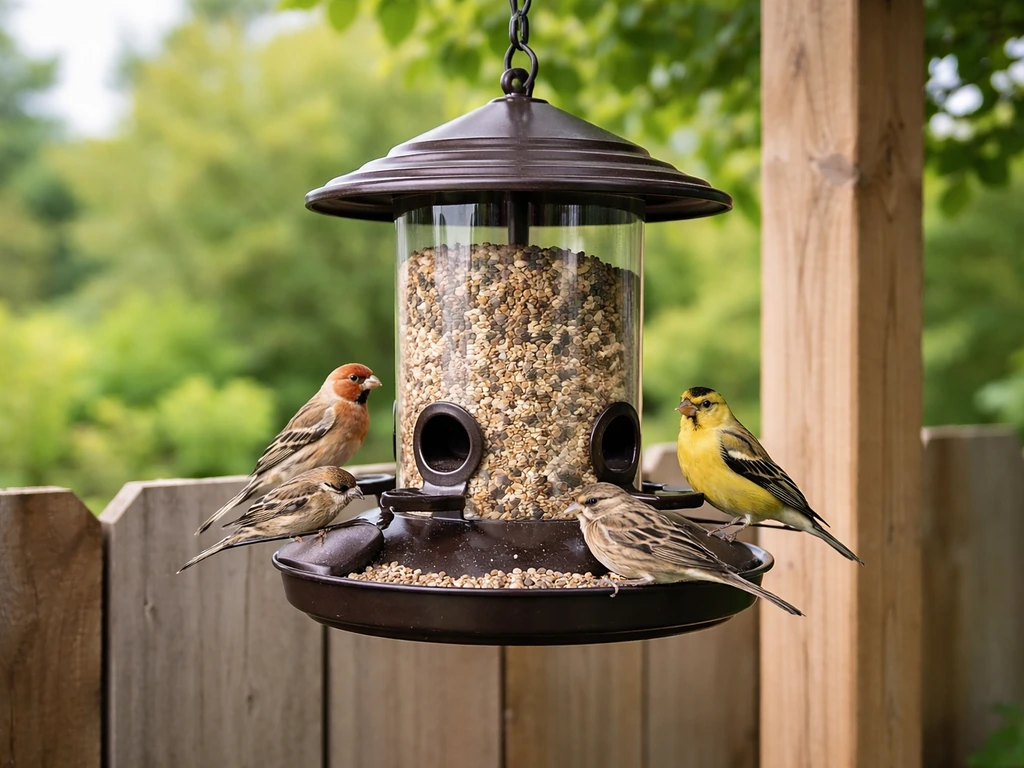
The best bird feeder for woodpeckers is a suet cage or tail-prop suet feeder, full stop. If you want to attract the widest range of woodpecker species, a large upright suet feeder loaded with high-fat suet is your fastest path there. That said, the right setup depends on which woodpeckers you're hoping to see, how your yard is laid out, and whether squirrels are already a problem. This guide walks through all of it: what to feed, which feeder styles actually work, species-specific picks including the pileated, how to mount everything correctly, and what most people get wrong when they set up a woodpecker station for the first time.
Best Bird Feeder for Woodpeckers: Top Picks and Seed Guide

Marcus Holloway
14 Apr 2026
What woodpeckers are actually looking for in your yard
Woodpeckers are not seed birds. That's the single most important thing to understand before you buy anything. Insects make up more than 70% of a pileated woodpecker's diet, with carpenter ants and beetles being the primary targets. Even the more generalist species like red-bellied and red-headed woodpeckers are opportunistic omnivores that lean heavily on insects and animal protein. When you put out a standard seed mix and wonder why no woodpeckers show up, that's why.
What draws woodpeckers to a backyard feeder is fat and protein, not carbohydrates. Suet is essentially a stand-in for the insect fat and grubs they'd normally extract from a dead tree. Once you understand that, everything else about choosing a feeder and food gets easier. You're not trying to replicate a bird bath or a seed buffet. You're trying to replicate a rotting log full of bugs.
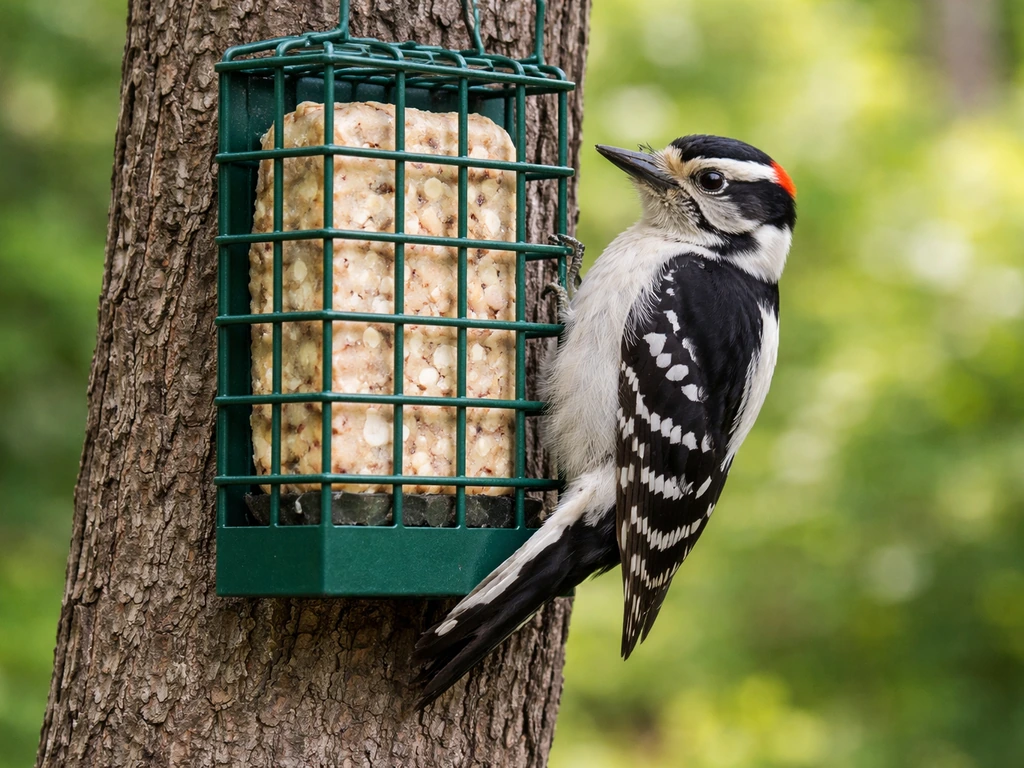
Beyond food, woodpeckers want vertical surfaces. They cling to tree trunks naturally, so feeders that mimic that posture, tall and upright with a place to brace their stiff tail feathers, will always outperform horizontal platform feeders for these birds.
What to actually feed them: suet, seed, and the rest
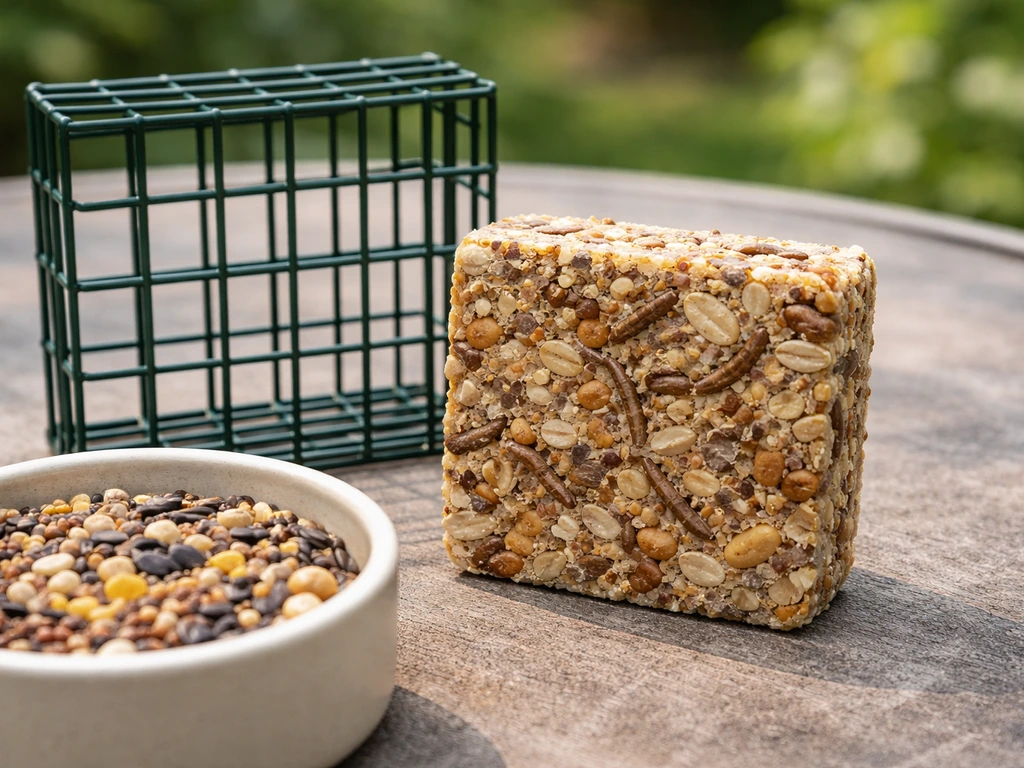
Suet is the foundation. It attracts insect-eating birds like woodpeckers better than almost anything else you can put in a backyard feeder. Look for suet cakes with insect or nut blends rather than plain beef fat, since the added ingredients (mealworms, peanuts, or sunflower chips) make the suet more nutritious and more attractive. Avoid suet blends heavy in corn or milo, which are filler ingredients that woodpeckers largely ignore.
One practical tip worth following: freeze your suet before loading it into the feeder. This reduces mess at the feeding station and slows the rate at which the suet softens and smears in warm weather. It's a small step that makes a real difference if you're running a suet feeder through spring and summer.
Beyond suet, here's what works by species. Red-headed woodpeckers are the most food-flexible of the common backyard species. Their diet includes corn, berries (dogwood, huckleberry, strawberry), acorns, beechnuts, and seeds alongside insects, so they'll visit a platform feeder stocked with whole kernel corn, shelled sunflower, or even fruit. Red-bellied woodpeckers are similarly flexible, storing nuts, acorns, fruit, seeds, and insects. They respond well to peanuts in the shell, suet, and sunflower seeds. Downy and hairy woodpeckers are much more focused on suet and will also take peanut pieces and black-oil sunflower. Pileated woodpeckers are the least likely to be lured by seed at all since their diet is so heavily insect-based, but they will use suet feeders, particularly large bark-butter style products that resemble the surface of a tree.
- Suet cakes (insect, nut, or berry blends): attracts all common woodpecker species
- Bark butter or cylinder suet logs: especially effective for pileated woodpeckers
- Peanuts in shell or shelled peanut pieces: great for red-bellied, hairy, and downy
- Black-oil sunflower seed: secondary option for red-bellied and red-headed woodpeckers
- Whole kernel corn or dried fruit: specifically useful for red-headed woodpeckers
- Mealworms (live or dried): high-value protein that can pull in hesitant birds
Which feeder type works best for woodpeckers
Not all feeders are built for woodpeckers, and putting suet in the wrong style feeder will undercut your results. The good news is that woodpecker-friendly feeders are relatively simple and usually less expensive than smart feeders or elaborate hopper setups.
Suet cage feeders
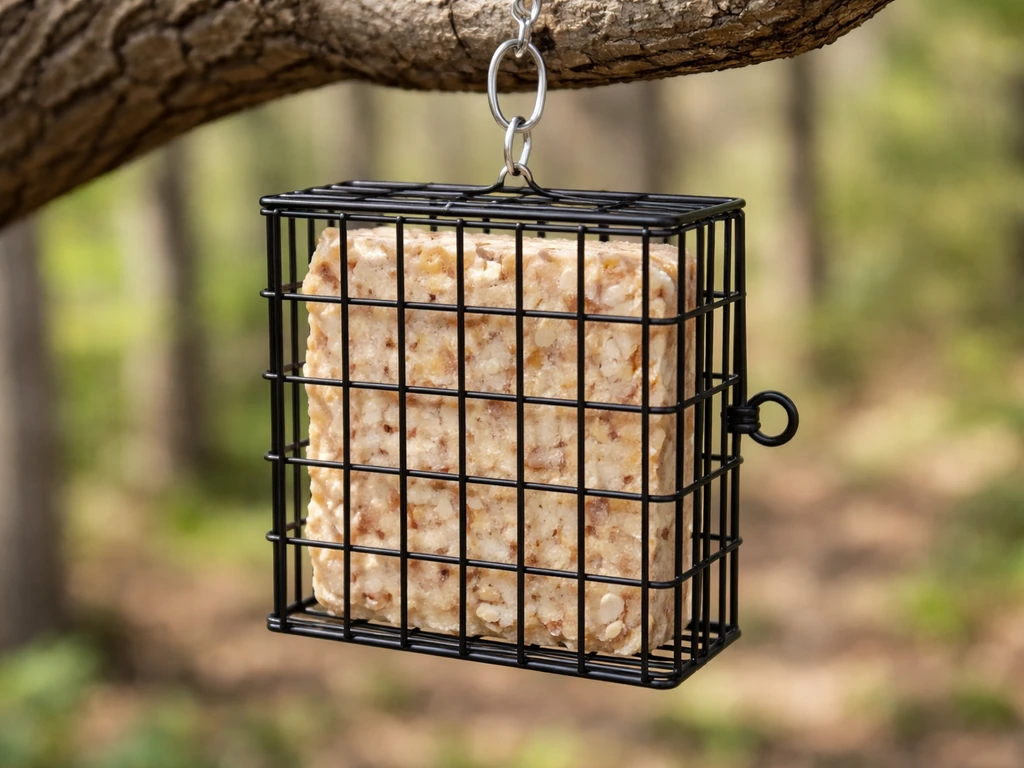
A basic wire suet cage is the entry point and honestly works well for smaller woodpecker species. They're cheap, widely available, and accept standard suet cakes. The downside is that they offer no tail-prop area, which can frustrate larger woodpeckers. If you're only trying to attract downies and small hairy woodpeckers, a simple cage is fine. But if you want to go bigger, you'll want to upgrade.
Tail-prop or upright suet feeders
This is the style that works best across the widest range of woodpecker species. Tail-prop feeders have an extended lower panel below the suet compartment where woodpeckers can brace their stiff tail feathers, exactly the posture they use on a tree trunk. Large upright suet feeders appear to be the preferred choice for pileated woodpeckers specifically, and these feeders also attract hairy, downy, and red-bellied woodpeckers reliably. If you only buy one feeder for woodpeckers, make it a large tail-prop suet feeder.
Cylinder or log feeders
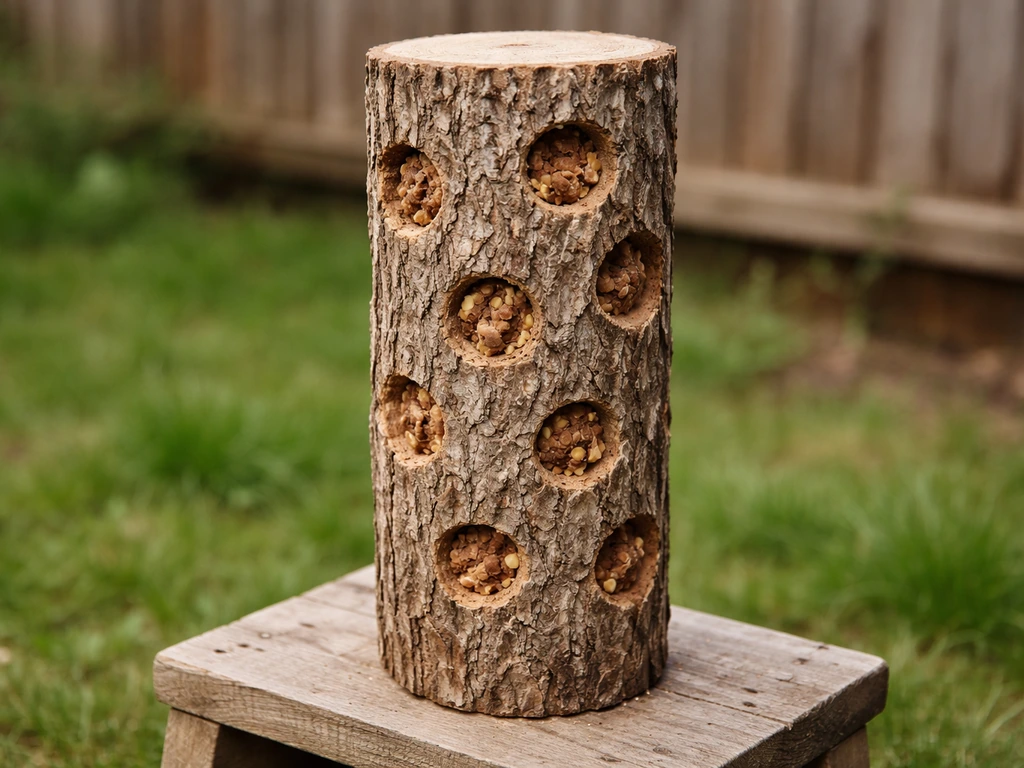
Cylinder suet feeders and drilled wooden log feeders (stuffed with suet or peanut butter) mimic a natural foraging surface very closely. These work particularly well for attracting pileated woodpeckers since the log format resembles the bark they naturally excavate. If you want to try a DIY bird feeder approach, drilling holes in a short section of untreated log and packing them with suet or peanut butter is one of the most effective woodpecker attractants you can build for almost no money.
Platform and hopper feeders
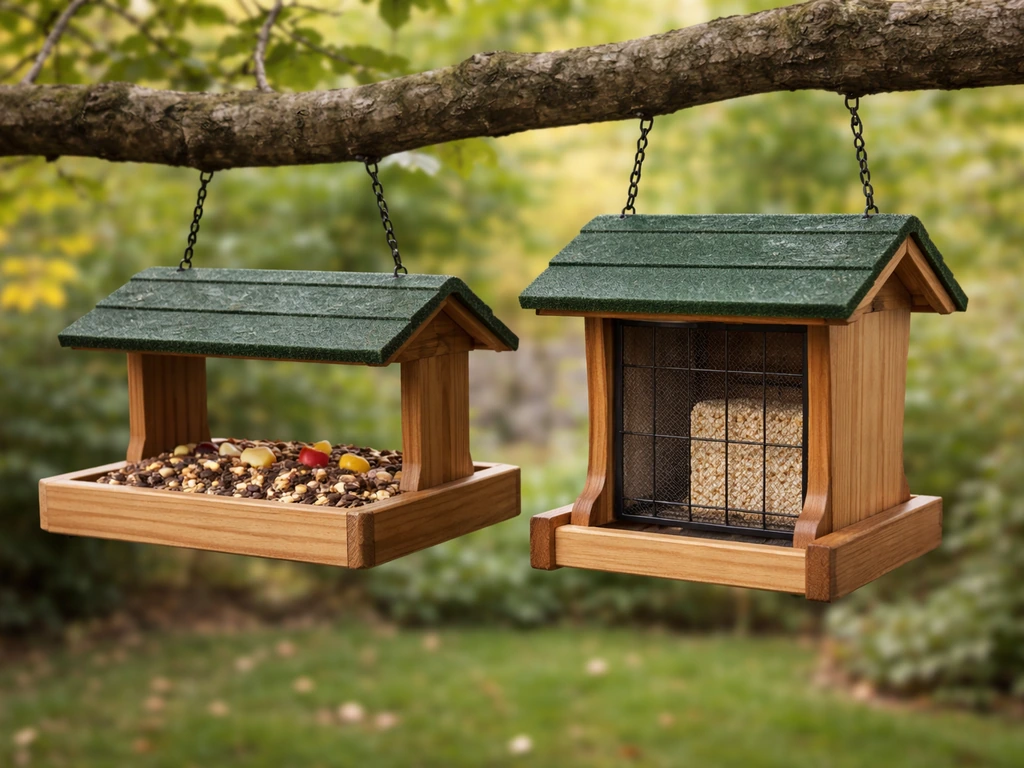
Platform feeders can work for red-headed woodpeckers, which are more comfortable feeding horizontally and will visit for corn, sunflower, and fruit. Hopper feeders with suet side-cages are a practical combo, especially if you want one feeder that attracts multiple species. They're not ideal for pileated woodpeckers, but they cover a lot of ground for a mixed-species yard.
Best feeder picks by woodpecker species
Different woodpeckers have genuinely different needs, and what pulls in a downy might not work for a pileated. Here's how to match your feeder choice to the birds you're most likely to see.
| Species | Best Feeder Style | Best Food | Key Consideration |
|---|---|---|---|
| Downy woodpecker | Standard suet cage or small tail-prop feeder | Suet cakes, peanut pieces, sunflower chips | Small body; basic cage feeder works fine |
| Hairy woodpecker | Tail-prop suet feeder | Suet cakes, peanuts in shell | Larger than downy; needs more perch space |
| Red-bellied woodpecker | Tail-prop suet feeder or hopper with suet cage | Suet, peanuts, sunflower seed, fruit | Versatile; will use multiple feeder types |
| Red-headed woodpecker | Platform feeder or hopper | Corn, sunflower, berries, suet | Prefers horizontal feeding; less common visitor |
| Pileated woodpecker | Large tail-prop or upright suet feeder; log/cylinder feeder | High-fat suet, bark butter, cylinder suet logs | Needs large landing zone; skittish around small feeders |
A note on pileated woodpeckers specifically
Pileated woodpeckers are large, wary, and almost entirely insect-focused. Carpenter ants alone show up in roughly 13% of food items examined in foraging studies, making them effectively a specialist predator of wood-boring insects. Getting one to your yard regularly is more about habitat than feeder type, since dead snags and large trees are what they're really looking for. That said, large upright suet feeders and cylinder log feeders loaded with high-fat suet can draw them in, especially in winter when insect availability drops. The feeder needs to be big. A standard suet cage is simply too small for a bird that can reach 19 inches in length. Mount a large tail-prop feeder on a sturdy post or directly on a tree trunk, load it with an insect or nut suet, and give it time. Pileated woodpeckers are creatures of habit and will return regularly once they find a reliable food source.
Where and how to mount your woodpecker feeder
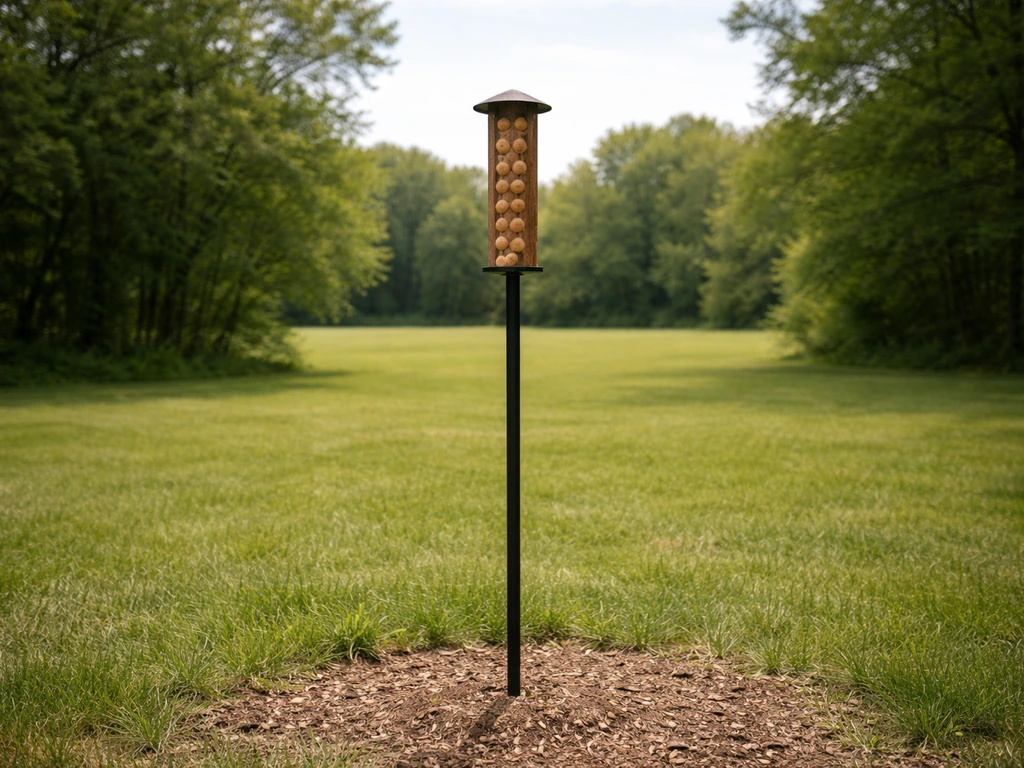
Placement matters more than most people realize, and not just for squirrel control. Woodpeckers, especially larger species, are cautious birds. They want clear sightlines in all directions and don't like feeling trapped. Mounting a feeder in a dense shrub or tight corner will reduce visits, even if the food is perfect.
For height, pole-mounted feeders should sit at least 5 feet off the ground. This is high enough to deter most predators and gives woodpeckers comfortable clearance, while still keeping the feeder at an eye-friendly height for you to observe and refill it. Mounting directly on a tree trunk is also effective, especially for larger woodpeckers that are already comfortable clinging to bark. If you go this route, pick a large mature tree rather than a thin sapling.
Keep the feeder at least 10 feet from the nearest large tree limb, fence, deck railing, or building wall. This isn't just about squirrels, though that's a big part of it. It's also about giving visiting woodpeckers enough open space to feel comfortable approaching and landing. A feeder that's tucked right against a fence might feel safe to you but looks like an ambush point to a bird.
If you're attaching directly to a tree and want to mount it in a way that's both secure and easy to service, look at how the best setups handle hardware. For anyone building out a full backyard bird feeder station, combining a suet setup with other feeder types on the same pole or in the same yard zone helps attract a wider variety of birds while keeping everything manageable.
Weather-proofing, squirrel deterrence, and keeping your feeder in good shape
Squirrel proofing
Let me be honest: no feeder is completely squirrel-proof. But the right combination of placement and hardware gets you pretty close. The core strategy is distance plus a baffle. Squirrels can long-jump roughly 8 feet horizontally, so placing your feeder pole at least 8 to 10 feet from any solid launch surface, including trees, fences, decks, and building overhangs, is non-negotiable. Pair that with a pole-mounted dome baffle positioned 4 to 5 feet off the ground, and you've closed off the two main attack routes (jumping and climbing).
The baffle needs to be wide enough that a squirrel clinging to the pole below it can't reach around to the feeder above. A dome-shaped baffle works well for this. Some setups use both an upper dome (to deflect squirrels jumping down from above) and a lower cylinder baffle (to stop climbers). If squirrels are a serious problem in your yard, the two-baffle approach is worth the extra cost. The Washington Department of Fish & Wildlife recommends placing the feeder at least 10 feet from the nearest large shrub, tree limb, or deck, and using a dome-shaped squirrel baffle above and/or below the feeder for best results.
Weather resistance and material durability
Suet feeders don't need to be fancy, but they do need to hold up outdoors year-round. Wire cage feeders are extremely durable and essentially weatherproof, though the coating can rust over time if it's a cheap galvanized version. Powder-coated steel or stainless wire are better long-term choices. If you prefer a wooden feeder with suet cages built in, be aware that untreated wood degrades fast in wet climates. Cedar and redwood are the most weather-resistant natural options. For a full breakdown of material trade-offs, the comparison in what bird feeders are made of is worth reading before you buy.
Suet itself can become an issue in hot weather, going rancid or turning into an oily mess on the feeder and below it. No-melt suet formulations handle this better than standard beef fat cakes. Freezing your suet before loading it and using a covered or baffled suet feeder (one with a roof over the cage) helps in both hot and rainy conditions. A roof keeps the suet drier, extends its life, and reduces the mess that accumulates on the feeder body.
If you're leaning toward a wooden feeder design for aesthetic reasons, a well-built cedar option can last many seasons. The guide to the best wooden bird feeders covers which species and constructions hold up best outdoors, and a few of those designs work well with suet cage attachments for woodpeckers.
Your shopping checklist and the mistakes that cost people results
Before you buy, run through this list. It covers the things most people skip and then regret after setting up their first woodpecker feeder.
- Choose a tail-prop suet feeder sized appropriately for the woodpecker species you're targeting. Upsized for pileated, standard for downy and hairy.
- Buy suet in insect, nut, or berry blends rather than plain fat or corn-heavy fillers.
- Freeze suet cakes before loading to reduce mess and extend freshness in warm weather.
- Plan your placement before you install: at least 5 feet off the ground on a pole, at least 8 to 10 feet from any tree, fence, deck, or wall.
- Install a dome-shaped squirrel baffle on the pole, positioned 4 to 5 feet off the ground.
- If mounting on a tree trunk, choose a large mature tree and use hardware that won't damage the bark permanently.
- Pick a feeder material (powder-coated steel, cedar, or stainless wire) that can handle your climate year-round without rusting or warping.
- Give the feeder two to four weeks before judging whether it's working. Woodpeckers take time to discover new food sources.
- If you're attracting pileated woodpeckers, add a log or cylinder suet feeder as a second option alongside the upright feeder.
- Clean your feeder every two weeks and replace suet before it goes rancid, especially in temperatures above 70°F.
The mistakes people consistently make
- Filling a suet feeder with a seed-and-suet blend that's mostly milo or corn: woodpeckers will ignore it.
- Mounting the feeder too close to a tree or fence and then blaming the feeder when squirrels raid it every day.
- Buying a small standard cage and expecting a pileated woodpecker to use it: they won't.
- Using untreated pine or cheap softwood for a wooden feeder in a wet climate and watching it rot in one season.
- Giving up after two weeks because no woodpeckers have appeared: new feeders in new locations take time to get discovered.
- Skipping the baffle entirely and then spending money on feeder after feeder when squirrels keep destroying them.
Getting your first woodpecker at the feeder is genuinely satisfying, especially when it's a large hairy or, better yet, a pileated making its first appearance in your yard. The setup is simpler than it looks: the right suet in a tail-prop feeder, mounted in the right spot with a proper baffle, is most of the battle. If you want to expand from there into a full multi-feeder backyard setup, thinking about how each feeder type serves a different species will help you build something that brings in birds all year rather than just one or two occasional visitors.
FAQ
Can I use peanut butter or peanuts instead of suet to attract woodpeckers? (And what’s the safest way to do it?)
Yes, but use the safe approach: skip loose ground peanuts or peanut shells in the suet compartment and instead use a true suet format (suet cake blended with peanuts or nut pieces) or a squirrel-resistant feeder with a closed cage. Loose peanut butter or crumbs can attract more squirrels, rot faster, and foul the perch area, which can lower woodpecker visits over time.
How long should I wait before I assume my feeder setup is wrong? (And what should I troubleshoot first?)
If you do not see woodpeckers within 7 to 14 days, first confirm the food match: suet types with insect or nut blends, not corn or milo-heavy mixtures. Then check placement, especially height and clear sightlines, not just distance from squirrels. Finally, allow adjustment time after changing anything, since woodpeckers tend to return only after they decide the site is reliable.
Do woodpeckers really need a log or bark-style feeder, or will any vertical suet feeder work?
Rough or bark-like surfaces help, but you cannot rely on texture alone. A smooth, vertical feeder can still work if it is a tail-prop suet design with the right food. Texture is most important for pileated woodpeckers, where cylinder log feeders or bark-butter style suet products can improve acceptance.
I have a feeder already, can I gradually switch to a woodpecker setup? What’s the least confusing way to do it?
Switching types is fine, but change one variable at a time. If you replace a seed hopper with a tail-prop suet feeder and also switch food mixes, you will not know what drove the change. A practical method is to keep the new feeder type, use the recommended suet blend, then adjust only the suet formulation (for example, insect-nut blend versus plain fat) after a couple of weeks.
What feeder styles commonly fail woodpeckers even if they contain suet?
For woodpeckers, avoid feeders that force them to balance horizontally or reach into deep tunnels they cannot brace. That usually means standard shallow platforms with no vertical access, and hopper designs without a suet side-cage. Tail-prop suet feeders and upright suet cages are the most forgiving choices.
How do I manage suet quality in different seasons (especially summer heat and rain)?
Woodpeckers can and will use suet year-round, but the risk is summer mess and rancidity. In warm weather, prioritize no-melt suet or keep the feeder covered, and do more frequent clean-ups under the cage so oily residue does not build up. In winter, you can run standard high-fat suet longer, but still inspect for spoilage.
If I want other birds too, can I combine a suet woodpecker feeder with a seed or fruit feeder?
Yes, especially for downy and hairy woodpeckers, but keep the station focused. Put the suet feeder where it is the clear vertical anchor, then place a separate platform for corn or sunflower slightly offset, not right underneath the suet. Overcrowding multiple foods in the same spot can increase aggression and deter cautious larger visitors like pileated.
What placement mistakes most often stop woodpeckers from using an otherwise perfect feeder?
If the feeder is too close to cover, woodpeckers may avoid it despite the right food. Use open approach space by keeping it away from dense shrubs and walls, and mount at a safe height so larger species are not forced into awkward, exposed angles. When in doubt, start with a tree trunk mount or a tall post mount with clear lines in multiple directions.
I’m trying to attract pileated woodpeckers, what makes their setup different from a downy and hairy setup?
For pileated woodpeckers, plan for a larger, more robust setup than for small species. The feeder must be tall enough for tail bracing, and the base mount must handle strong pecking forces. A flimsy pole or an undersized cage is a common reason large woodpeckers approach but do not commit.
What can I do if woodpeckers visit once, then stop returning?
Do not add additional attractants directly under a suet cage if you are already seeing buildup. If you need to increase appeal, adjust the suet blend first (insect or nut mixes) and ensure the feeder is sheltered or baffled to prevent drips. Cleaning underneath on a schedule reduces odor and rancid spots that can discourage repeat visits.
Next Article
Good Bird Feeders: How to Choose the Best Options
Choose the right good bird feeders by species, weatherproof materials, cleaning ease, and squirrel or grackle-proofing,