Robins are not typical feeder birds. They won't visit a tube feeder full of sunflower seeds, and they have no interest in a nectar port. But they absolutely can be drawn into your backyard with the right setup, and once you understand how they actually eat, the answer becomes simple: robins need a platform, tray, or ground-level feeder stocked with mealworms, fruit, or earthworms, placed where they can see the food clearly and reach it without too much cover blocking their approach. This guide walks you through exactly what to buy, where to put it, and how to confirm robins are actually using it.
Best Bird Feeders for Robins: Top Picks and Placement Tips
Marcus Holloway
23 Mar 2026
How to Choose the Right Feeder for Robins
The single most important thing to understand about robins is that they are ground foragers. They hunt earthworms by sight, scanning open lawn, and they pull worms out of the soil. Their diet is roughly 60% fruit and berries year-round, with the rest being invertebrates like earthworms, caterpillars, and beetles. That foraging behavior shapes every choice you make about a feeder.
A standard tube or hopper feeder is essentially useless for robins. They don't perch on small dowel rods to pick at seeds, and they aren't built for it. What you need is an open, flat, accessible surface, something that mimics the ground or a low platform they can walk onto and pick food from directly. When you're evaluating any feeder for robins, run through this checklist:
- Open feeding surface: robins need to walk up and peck, not cling to ports
- Low height or ground-level placement: ideally 2 to 4 feet off the ground, or at ground level
- Drainage: standing water on an open tray breeds mold fast; look for drainage holes
- Easy to clean: you'll need to scrub this at least weekly, so removable trays and smooth surfaces matter
- Capacity matched to daily use: for open trays, only load what birds can consume in a day to prevent rot
- Weather protection: a roof or cover overhead helps keep fruit and mealworms from spoiling in rain
Material also matters. Powder-coated metal and UV-stabilized polycarbonate both hold up well outdoors. Avoid bare wood trays without drainage, especially if you're offering mealworms or fresh fruit, because wet food on a wood surface goes bad quickly and becomes a disease risk.
Best Feeder Types for Robins
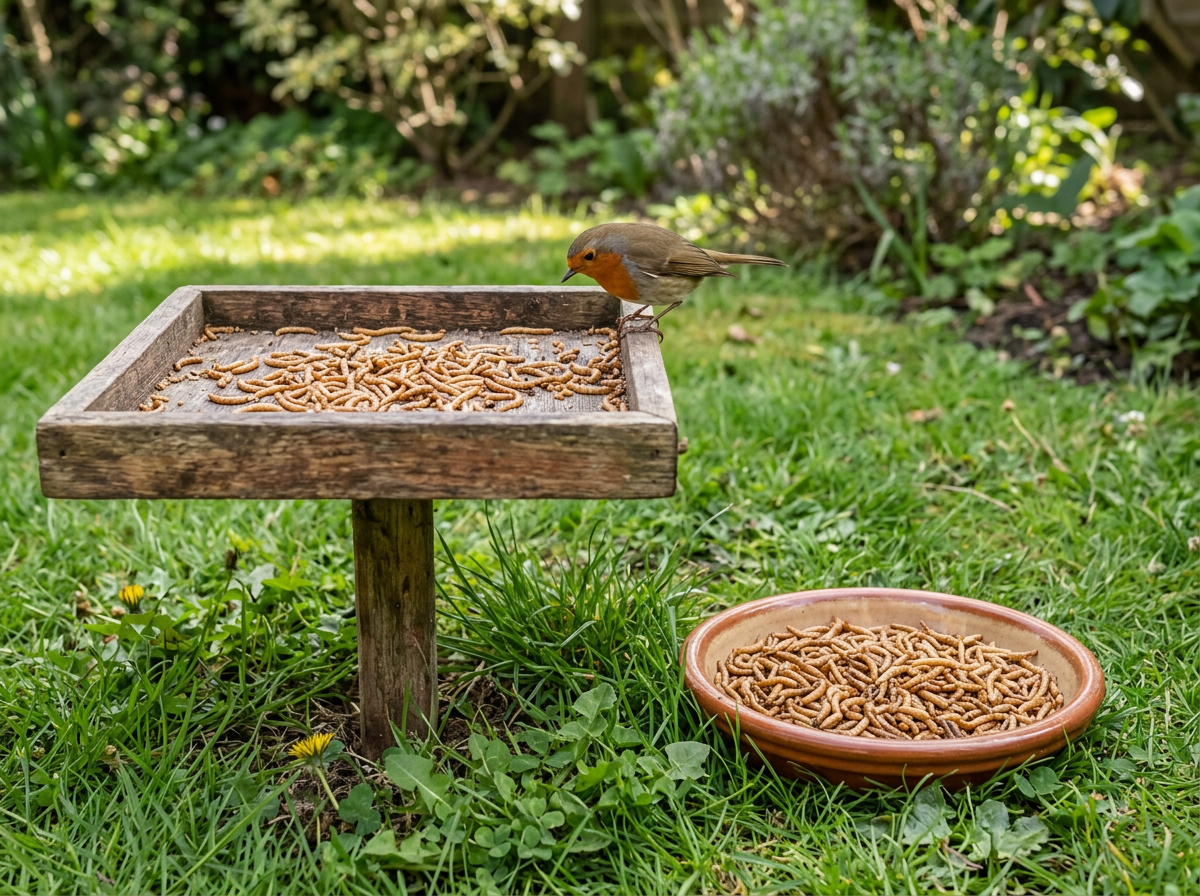
There are a few feeder styles that work well for robins, each with a slightly different use case. Here's how they compare.
Platform and Tray Feeders
This is the most practical option for most backyards. A platform feeder is essentially a flat, open tray, sometimes with a roof, sometimes without. Robins can land and walk around freely, which matches their natural foraging style. Look for one with a mesh or perforated bottom so water drains out rather than pooling under the food. The Droll Yankees Covered Platform Feeder is a well-regarded example: it has a 13-inch tray with drainage holes and a roof that keeps rain off the food surface, which makes a real difference when you're offering mealworms or sliced fruit that would otherwise soak and rot within hours.
Ground-Style Feeders
A ground feeder is exactly what it sounds like: a low tray or dish placed at or just above ground level. This is actually the most natural setup for robins, since they forage at ground level by instinct. Ground feeders are inexpensive, easy to find, and simple to move around while you figure out the best spot. The downside is that they're the most exposed to predators (especially cats), squirrels, and weather. If you go this route, pair it with some open sightlines nearby so robins can land and feel safe scanning for threats before they approach. More on predator management below.
Covered Platform Feeders on a Pole
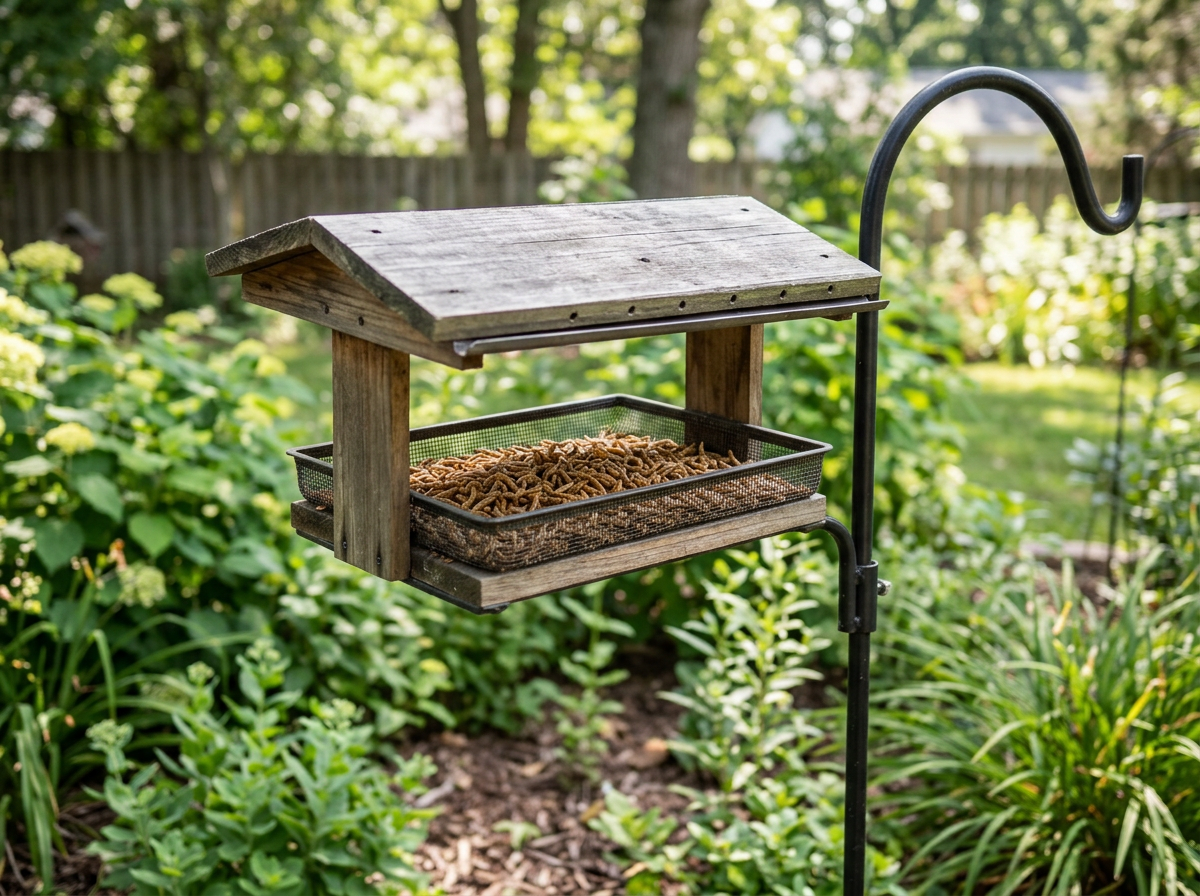
A pole-mounted covered platform is arguably the best all-around compromise. It gets the feeder off the literal ground, which helps with cat access and mold, while still offering the open flat surface robins want. The roof keeps food dry. A pole mount also gives you the option to add a squirrel baffle underneath, which is much harder to do with a ground tray. If you're in a rainy climate or you want to minimize daily cleaning, this is the setup to prioritize.
Mealworm Dishes and Berry Trays
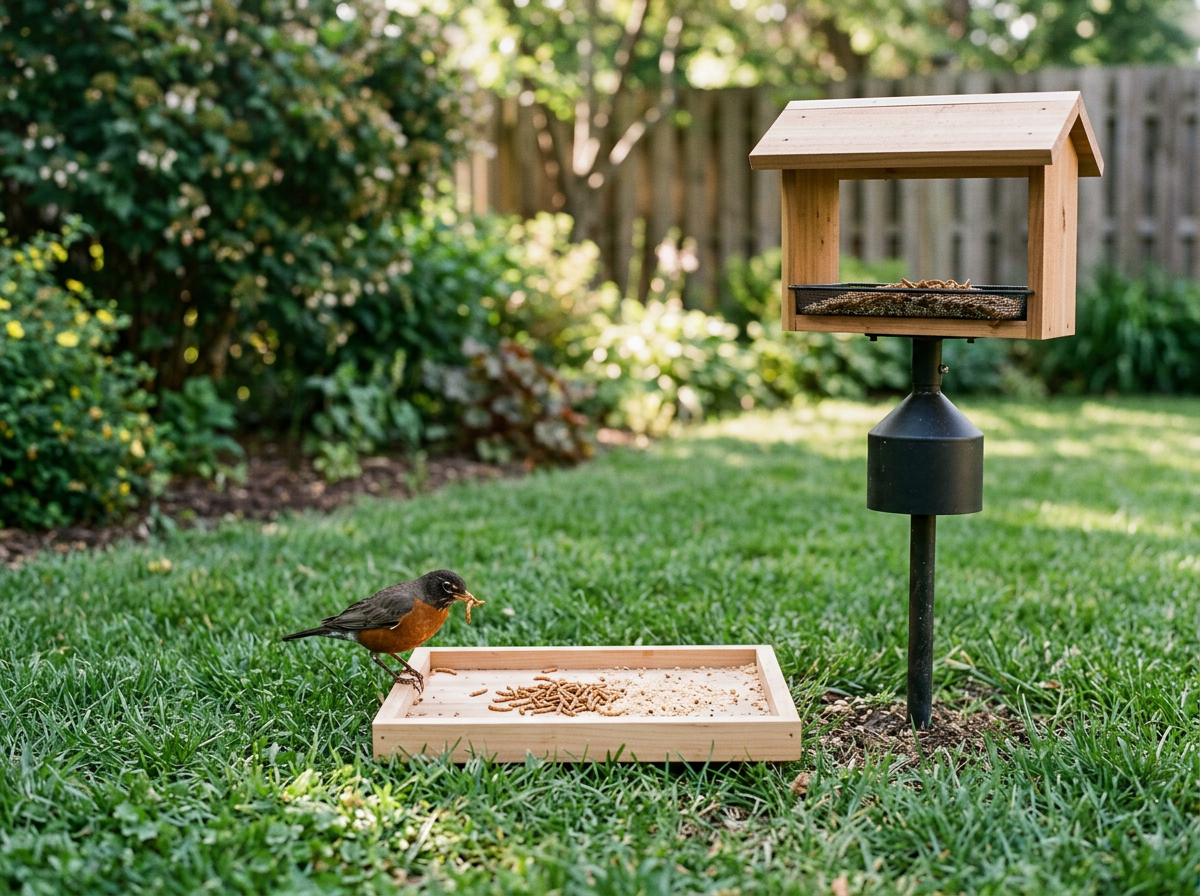
A dedicated mealworm dish, which is simply a smooth-sided dish or dish feeder that prevents mealworms from escaping, is a highly targeted option for robins. Mealworms (both live and dried) are one of the most reliable ways to pull robins to a feeder, because they're recognized as food even by birds that don't normally visit feeders. The Minnesota DNR specifically notes that robins are among the birds attracted by mealworm offerings. Similarly, a tray loaded with halved grapes, blueberries, or sliced apple can work well, especially in fall and winter when robins are eating mostly fruit.
| Feeder Type | Robin Suitability | Best For | Main Drawback |
|---|---|---|---|
| Ground tray/dish | Excellent | Natural behavior match, budget setups | Exposed to cats, squirrels, rain |
| Pole-mounted platform (covered) | Excellent | Most backyards, rainy climates | Costs more, requires pole/baffle |
| Open platform (no roof) | Good | Dry climates, short-term testing | Food spoils faster in rain |
| Mealworm dish feeder | Very good | Targeted robin attraction | Needs frequent refilling/cleaning |
| Tube/hopper feeder | Poor | Other species (not robins) | Robins won't use it |
| Nectar/hummingbird feeder | None | Hummingbirds only | Completely wrong food type |
Top Pick Recommendations by Backyard Situation
Small Yard or Patio
Go with a simple ceramic or smooth-sided mealworm dish on a short pole or shepherd's hook at about 3 feet high, one of the best bird feeders for flickers for patios. Load it with a small amount of live or dried mealworms daily. If robins are in your area, this is often enough to pull them in within a week or two.
Average Suburban Backyard
The Droll Yankees Covered Platform Feeder on a pole with a squirrel baffle underneath is a strong, practical choice. The 13-inch tray gives robins room to move around, the drainage holes prevent pooling, and the roof keeps mealworms and fruit usable after light rain. Pair it with a pole-mounted cylindrical baffle placed about 8 to 10 feet away from any fence or tree branch so squirrels can't jump onto the pole from a running start.
Windy or Rainy Climate
Prioritize a covered platform with good drainage and a low profile to reduce wind resistance. Stick to dried mealworms rather than live ones in wet conditions, since live worms drown and rot faster in standing water. Check the tray after every rain event and wipe it clean if needed. A feeder with removable tray inserts makes this much faster.
Low Maintenance Priority
If you want robins but can't commit to daily refilling, lean toward a feeder stocked with dried (not live) mealworms and positioned under solid cover to reduce weather exposure. You'll still need to clean weekly, but dried mealworms tolerate slightly longer exposure than fresh fruit or live worms before becoming a health hazard.
What Robins Actually Like
Food Preferences
Roughly 60% of a robin's annual diet comes from fruit and berries, according to the Vermont Fish and Wildlife Department and the Pennsylvania Game Commission. The remaining 40% is mostly invertebrates: earthworms, caterpillars, and beetles. At a feeder, the most effective offerings are:
- Live mealworms: the single most reliable draw for robins at feeders
- Dried mealworms: easier to manage, still effective, especially in cooler months
- Halved grapes or blueberries: excellent in fall and winter when natural berry sources are depleted
- Sliced apple or pear: works well, especially when fruit is softened slightly
- Earthworms: effective but messy and impractical for most setups
- Raisins (softened in water): a useful budget option when fresh fruit isn't available
Do not bother with sunflower seeds, safflower, or nyjer. Robins simply don't eat seed in meaningful quantities and won't visit feeders stocked only with it.
Feeder Placement
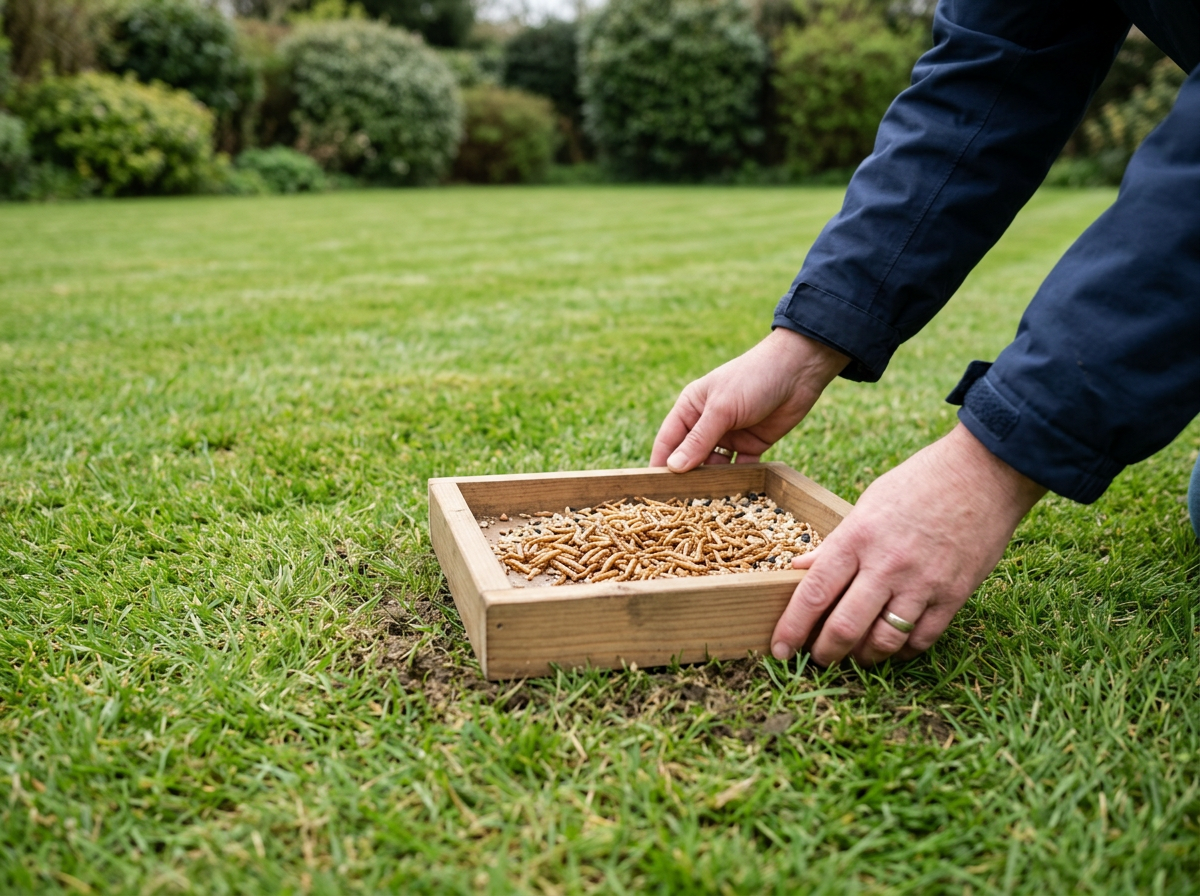
Placement matters as much as feeder type. Robins are cautious birds that like to scan for threats before landing, so the area around the feeder needs to be relatively open. A feeder tucked into dense shrubs will be ignored even if it's stocked perfectly. At the same time, robins appreciate having some nearby cover, a shrub or small tree within 10 to 15 feet, so they have somewhere to retreat to quickly if startled.
Height-wise, ground level to about 4 feet is ideal. If you're using a pole-mounted platform, keep it low rather than tall. All About Birds suggests roughly 10 feet as a general feeder placement compromise from windows to prevent collisions, but for robins specifically you want lower rather than higher. Keep the feeder visible from a window so you can monitor it and adjust placement if robins aren't landing.
Mounting, Weather Protection, and Ease of Cleaning
A shepherd's hook or dedicated feeder pole is the most flexible mounting option for robin feeders. It lets you move the feeder around easily while you test placement, and it accommodates a squirrel baffle without any modification. For a covered platform, make sure the roof is wide enough to actually shelter the tray surface from rain at a moderate angle, not just directly overhead.
Cleaning is non-negotiable with open platform feeders, because mealworms and fruit leave behind moisture and organic residue that breed mold and bacteria fast. Penn State Extension recommends scrubbing and disinfecting platform feeders at least once a week, and feeding only what birds can consume in a day so food doesn't sit and rot. The Minnesota DNR gives a specific disinfection recipe that works well: 2 ounces of bleach per 1 gallon of water. Scrub the surface with that solution, rinse thoroughly, and let the feeder dry before reloading.
Even feeders marketed as mold-resistant can develop mold depending on conditions, so treat the weekly clean as a minimum, not a maximum. If you're in a humid climate or offering live mealworms, check the tray every day. A feeder with a removable, dishwasher-safe tray insert is worth paying extra for if you're serious about keeping this up long-term.
Predator and Pest Management
Squirrels
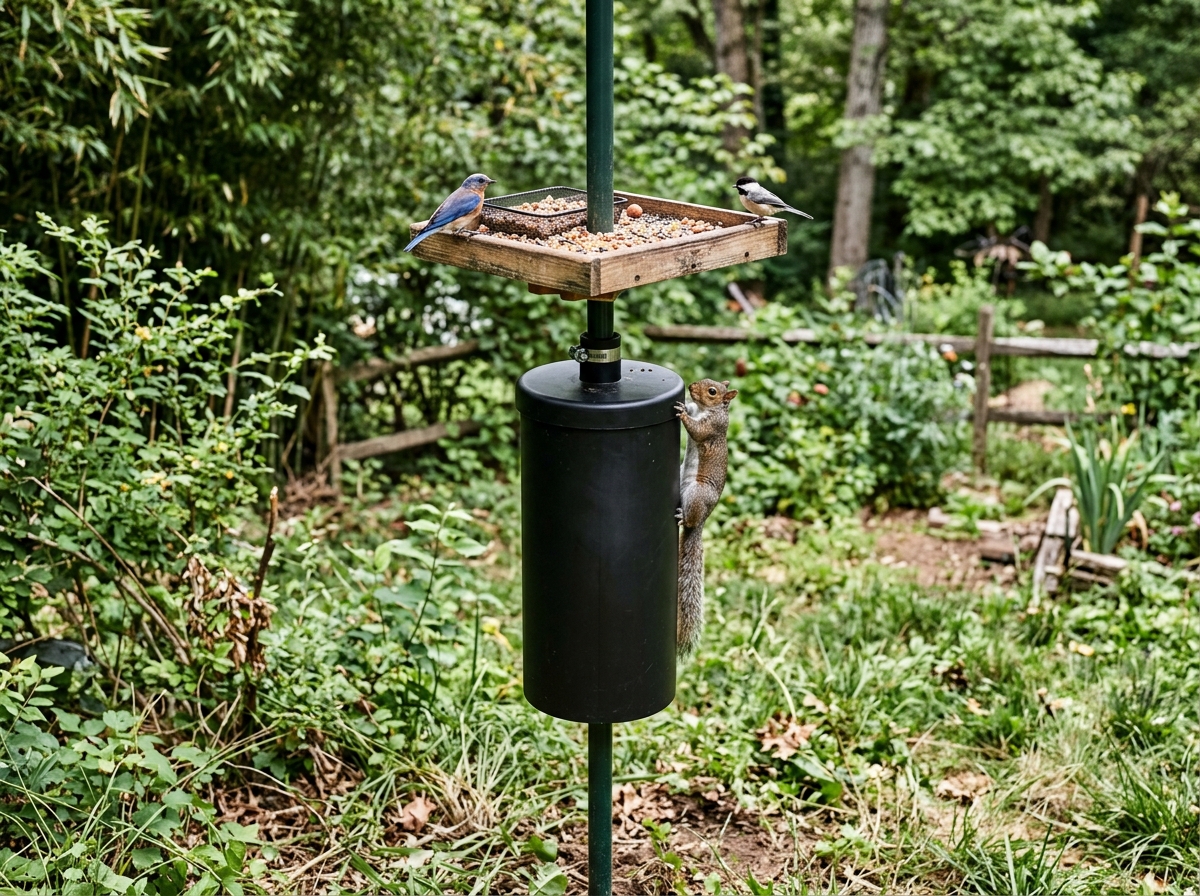
Squirrels will raid an open platform feeder relentlessly, especially one loaded with mealworms. The solution is a pole-mounted cylindrical baffle installed below the feeder, combined with smart pole placement. UNL Extension's guidance is clear: position the pole at least 7 to 8 feet away from fences, decks, and any surface a squirrel can use as a launch point. The Audubon Shop recommends 8 to 10 feet of clearance from nearby structures when using a baffle-equipped pole. The baffle prevents squirrels from climbing the pole itself, and the distance prevents them from jumping directly onto the feeder from a nearby fence or branch.
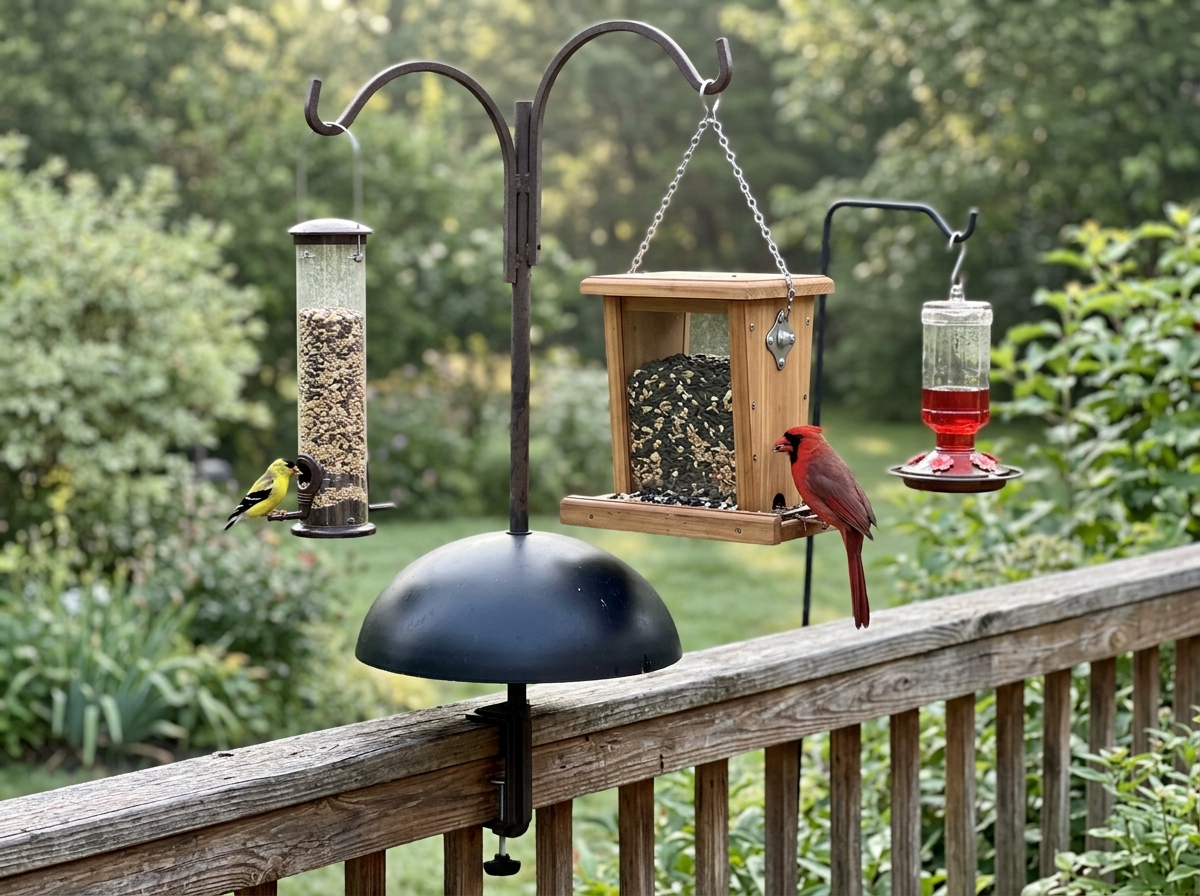
The Brome Squirrel Buster Plus is a popular squirrel-proof option for tube-style feeders and works well for seed-eating birds, but it's not the right feeder type for robins. Mention it here because you may already have one in the yard for other birds like cardinals or finches, and it won't interfere with your separate robin platform setup.
Cats
Ground-level feeders and robins are a dangerous combination if neighborhood cats are around. Robins spend time on the ground and can be ambushed from cover. Humane World advises keeping feeders at least 12 feet away from grass clumps, shrubs, or any vegetation that could serve as cat ambush cover. If cats are a persistent problem in your yard, raise the feeder to a pole at 3 to 4 feet rather than keeping it at ground level, and consider adding a wide baffle below it. This is one situation where a completely ground-level tray feeder is a bad idea even if it's ideal for robin behavior.
Aggressive Birds (Grackles, Starlings)
Open platform feeders can attract grackles and European starlings, which will dominate the food and drive robins away. A few strategies help: offer food in smaller amounts more frequently so the tray is never overflowing with an easy feast, time your refills for early morning when robins are most active, and consider a covered platform with a roof height low enough that larger birds can't stand comfortably underneath it. Robins are mid-sized birds themselves, so a medium-height roof that excludes grackles but allows robins is worth looking for in your model selection.
Setup Tips: What to Buy Today and How to Test Quickly
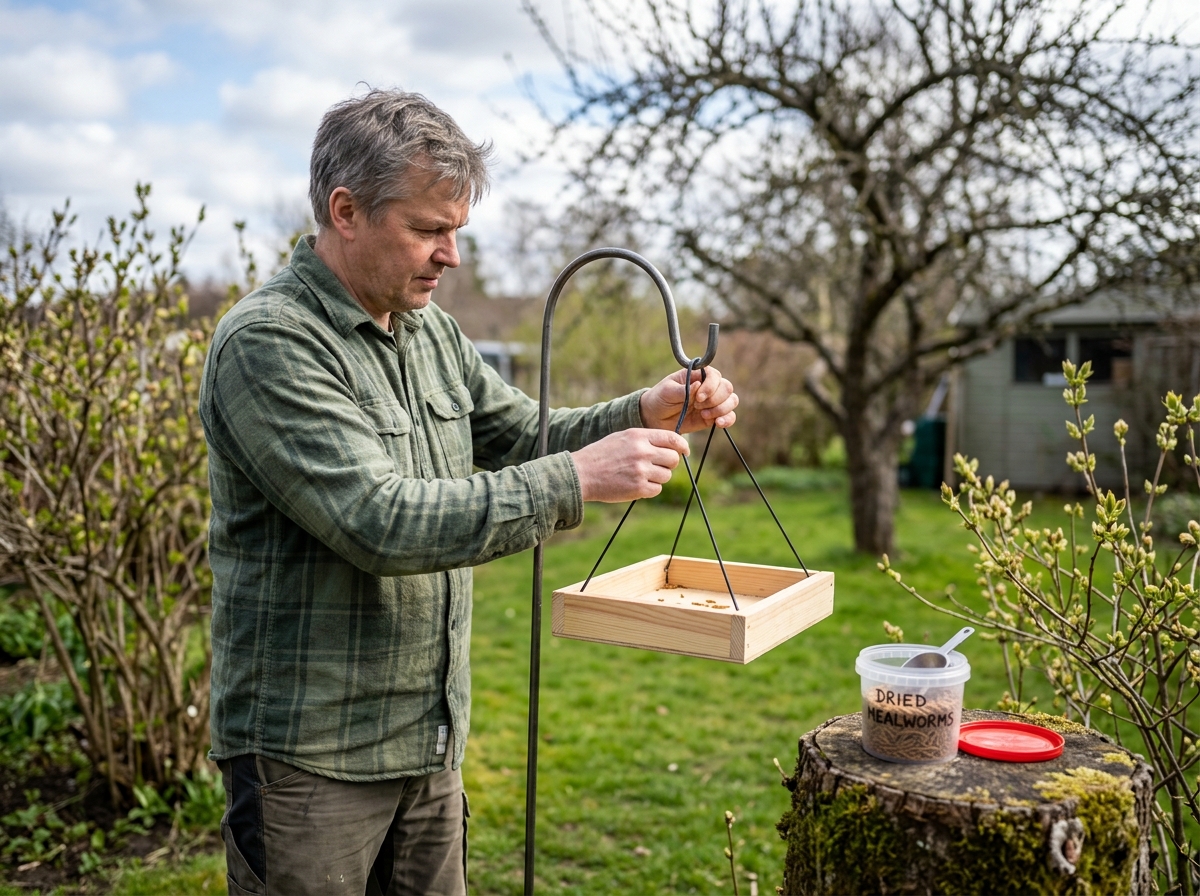
Here's the fastest, lowest-cost way to start today and confirm whether robins are using your setup within the first week or two.
- Buy a simple open tray or mealworm dish and a shepherd's hook. Total cost is typically under $20 and lets you start immediately without committing to a larger setup.
- Place it in an open area of your yard, about 3 feet off the ground, at least 12 feet from dense shrubs or cat-friendly cover, and within line-of-sight of a window so you can watch without disturbing the birds.
- Load it with a small amount of live or dried mealworms, enough for one day's feeding. Don't pile it high; put out just enough so you can observe whether it's being consumed.
- Check the tray morning and afternoon for the first few days. If food is disappearing but you're not seeing robins, put up a simple wildlife camera or use your phone propped on a window ledge to record the feeder.
- If robins aren't visiting after 5 to 7 days, try moving the feeder to a different location, ideally closer to open lawn where you've seen robins foraging naturally. Food preference is rarely the problem; placement usually is.
- Once you've confirmed robin visits, upgrade to a covered pole-mounted platform with a baffle if squirrels or cats are a problem, or if you want a more weatherproof long-term setup.
- Scrub and disinfect the tray at least once a week using the 2-ounces-of-bleach-per-gallon-of-water solution. Rinse completely before reloading.
One more thing worth knowing: robins are somewhat seasonal in their feeder use. They're most likely to visit feeders in late winter and early spring when natural earthworms are harder to find, and in fall and winter when they're heavy on fruit. During peak summer, when earthworms are plentiful and berries are on the vine, they may ignore your feeder entirely. That's normal behavior, not a setup failure. If you want to support robins year-round, consider planting berry-producing shrubs like holly, dogwood, or serviceberry alongside your feeder, since fruit makes up the largest share of their diet and native plantings are a reliable long-term complement to any feeder setup, and if you’re also looking into bird feeders for hummingbirds, check the best bird feeders for hummingbirds for the right style and nectar setup.
If you're already thinking about feeders for other backyard species, a covered platform for robins pairs naturally with separate setups designed for cardinals or bluebirds (both of which also appreciate lower, more accessible feeders). And if mealworms become your go-to food for robins, a dedicated mealworm feeder is worth a closer look, since it keeps worms contained and makes refilling faster than a general-purpose open tray. best bird feeders for bluebirds
FAQ
Can I use a birdseed blend or mixed feed to attract robins, like I do for other songbirds?
Robins generally ignore seed-focused mixes. If you want them to come consistently, switch to offerings that match their foraging, mealworms plus fruit, or mealworms plus earthworms. If you leave seed out, expect little to no robin activity, and plan your feeder setup around accessible mealworms or berries instead.
How do I prevent mealworms or fruit from making a mess under the tray?
Use a tray with drainage and keep portions small. After rain or within the same day you notice pooling, remove, wipe, and reload with a lighter amount, especially for sliced fruit. A removable tray insert helps because you can clean it off-site and restore the surface quickly.
Should I offer live mealworms, or are dried mealworms enough?
Both can work, but dried mealworms are easier to manage in wet weather. Live worms can drown and spoil faster if the tray stays damp, so in humid climates or after heavy rain, choose dried mealworms and clean more frequently to reduce health risk.
What if robins start visiting but then stop after a few days?
Common causes are food rot, predator pressure, or the area becoming less “open” than when they first scouted it. Clean thoroughly, reduce the amount you put out so it stays fresh, and check that nearby branches or dense shrubs have not shifted into the birds’ approach path (including after new foliage grows).
Do I need to change feeder height seasonally?
Often yes. In summer, when robins may forage more widely for natural worms and berries, a slightly lower, more visible placement can help them notice the offering. During late winter and fall, the same low-to-4-foot range usually works well, but if cats or rain become an issue, moving the feeder higher on a pole can maintain safety and food quality.
Will robins use a covered feeder if the roof blocks their ability to land and walk?
They usually will if the roof is designed as a shelter over an open, low tray, not a tight enclosed compartment. Choose a covered platform where the tray surface is clearly accessible from above and the roof does not force you into an awkward approach. If robins hesitate, observe whether they can land normally and walk across the tray.
How can I keep grackles and starlings from taking over the platform?
Reduce the “easy feast” effect. Serve smaller portions more often, and avoid letting food overflow or sit for long periods. If larger birds are crowding underneath a roof, look for a covered platform with roof dimensions that reduce comfortable standing space for them while still letting robins access the tray surface.
Is it safe to disinfect with bleach every week, or can it harm birds?
You can disinfect regularly if you follow proper dilution and rinse thoroughly. After scrubbing with the recommended dilution, rinse until no bleach smell remains and let the feeder fully dry before refilling. Never mix bleach with other cleaners, and don’t leave residue on food-contact surfaces.
How far should the feeder be from windows to prevent collisions?
Robins can collide if they fly into reflective or transparent surfaces. A practical approach is to keep feeders at the safer distance range used for bird-window collisions, while also ensuring the feeder remains low enough for robin access. If you notice evasive flights, adjust placement or add a visual barrier to break up reflections.
What’s the best way to stop squirrels without making the feeder harder for robins to reach?
Combine a pole-mounted baffle with strategic positioning away from launch points. Place the pole far enough from fences, decks, and overhanging branches that squirrels cannot jump directly onto it, then use a baffle underneath the feeder height. This keeps the platform accessible for robins, while preventing squirrels from climbing the pole.
Can I use a shallow kitchen dish or random tray as a robin feeder?
You can, but choose materials carefully. Avoid bare wood that lacks drainage if you’re offering mealworms or fruit, since moisture and residue increase spoilage and mold risk. If you improvise, add drainage holes or use a non-porous tray that you can clean and disinfect reliably.
How quickly should I expect robins to show up after setting up the feeder?
If you offer mealworms correctly and the placement is suitable, many people see visits within one to two weeks. Longer delays can happen if natural worms and berries are plentiful, so focus on freshness, visibility, and open approach lines, rather than assuming the feeder type is wrong.
Next Article
Best Rated Bird Feeders: Top Picks Plus Buying Guide
Top rated bird feeders for finches, cardinals, hummingbirds plus video models, with squirrel-proof tips and placement gu