Introduction
New York City hosts a surprising diversity of birds despite dense urban life. A well planned feeder can provide reliable calories through wind, heat, and humidity, while keeping seeds dry and the area clean. This guide centers on the best bird feeders for New York City, tuned to compact spaces, variable weather, and neighborly considerations. It blends field guide insights with practical urban gardening know how to help renters, balcony gardeners, and small yard owners attract a mix of local birds year round.
NYC bird ecology snapshot by season
Seasonal shifts in NYC shape which birds visit feeders and what they need from food and shelter. Understanding these patterns helps tailor feeder choices and maintenance routines.
Spring arrivals and feeding needs
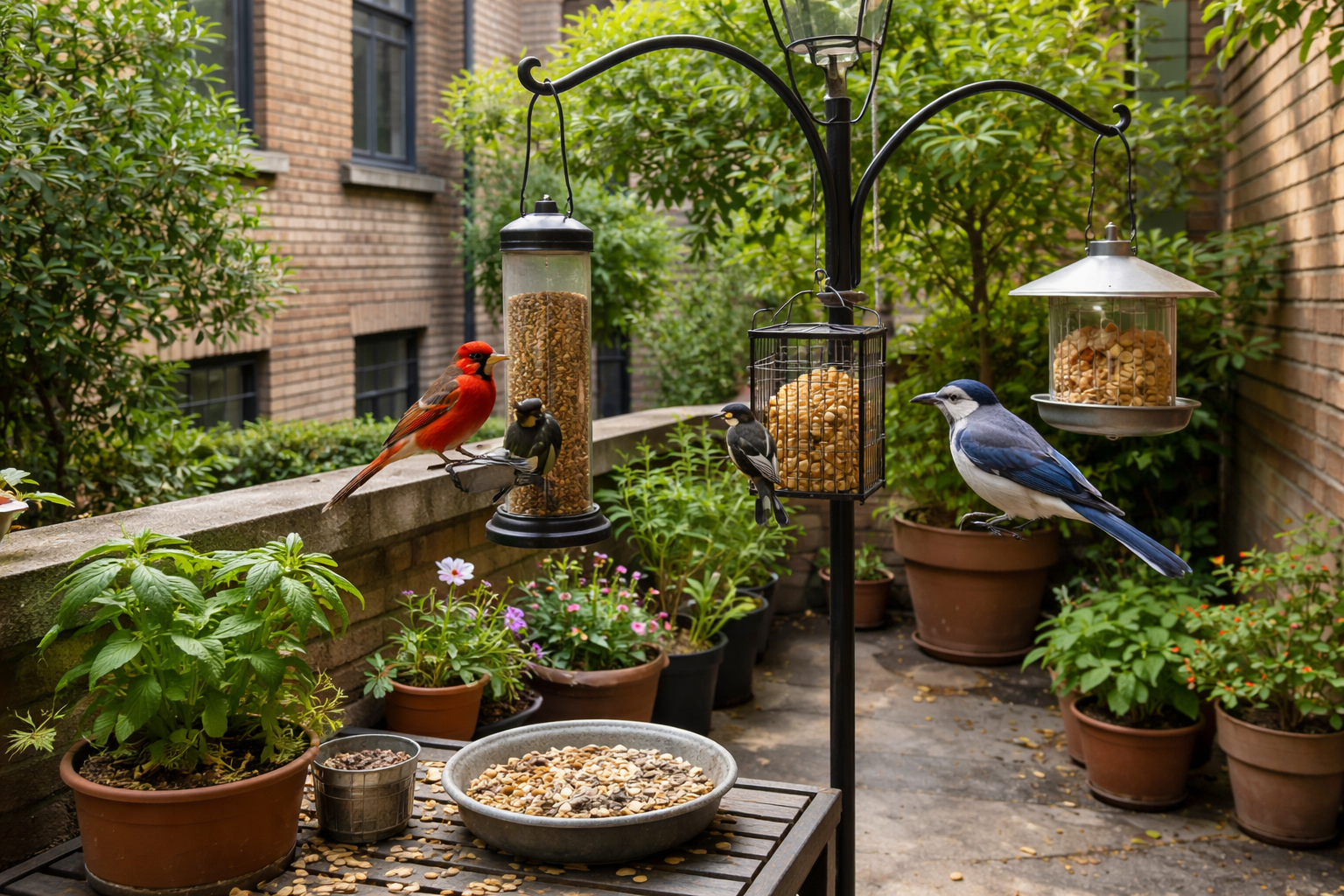
Spring brings warblers, chickadees, cardinals, and blue jays as migrants arrive or nest nearby. These birds respond well to sunflower seed blends and nyjer in tube feeders, plus plants that provide cover. A compact hopper or platform feeder allows multiple birds to feed at once, reducing competition on busy mornings. Ensure water availability nearby for drinking and bathing to support a broader community of songbirds.
Summer dining patterns
In warm months, many adult birds feed fledglings and rely on seeds less than in winter, while insect abundance surges. Seed still serves as a supplemental energy source, especially during heat waves when natural forage dips. Keep feeders clean to prevent mold growth and offer a mix that includes suet or mealworms for insectivores like warblers and wrens. A window feeder can be a convenient option for close observation without disturbing nests.
Fall migration and mixed flocks
Fall brings species moving through the city, including thrushes and grosbeaks. High fat options and consistent replenishment matter as birds stack calories for travel. Nyjer and sunflower blends remain attractive, and a platform feeder placed near shrubs offers safe, sheltered foraging spots as birds prepare for cooler air and shorter days.
Winter resilience and feeding strategies
Winter in NYC tests birds with wind, snow, and limited natural forage. Fatty seeds such as black oil sunflower and suet become essential, while clean, dry storage prevents mold. Position feeders to minimize wind chill exposure and to be within sight of sheltered perches. A durable, easy to clean design reduces maintenance time during harsher months.
Feeder taxonomy and urban suitability
Choosing the right feeder design matters for space constraints, wind exposure, and mess control in dense urban settings. The best options balance ease of use, durability, and a steady food supply for local birds.
Tube feeders for NYC
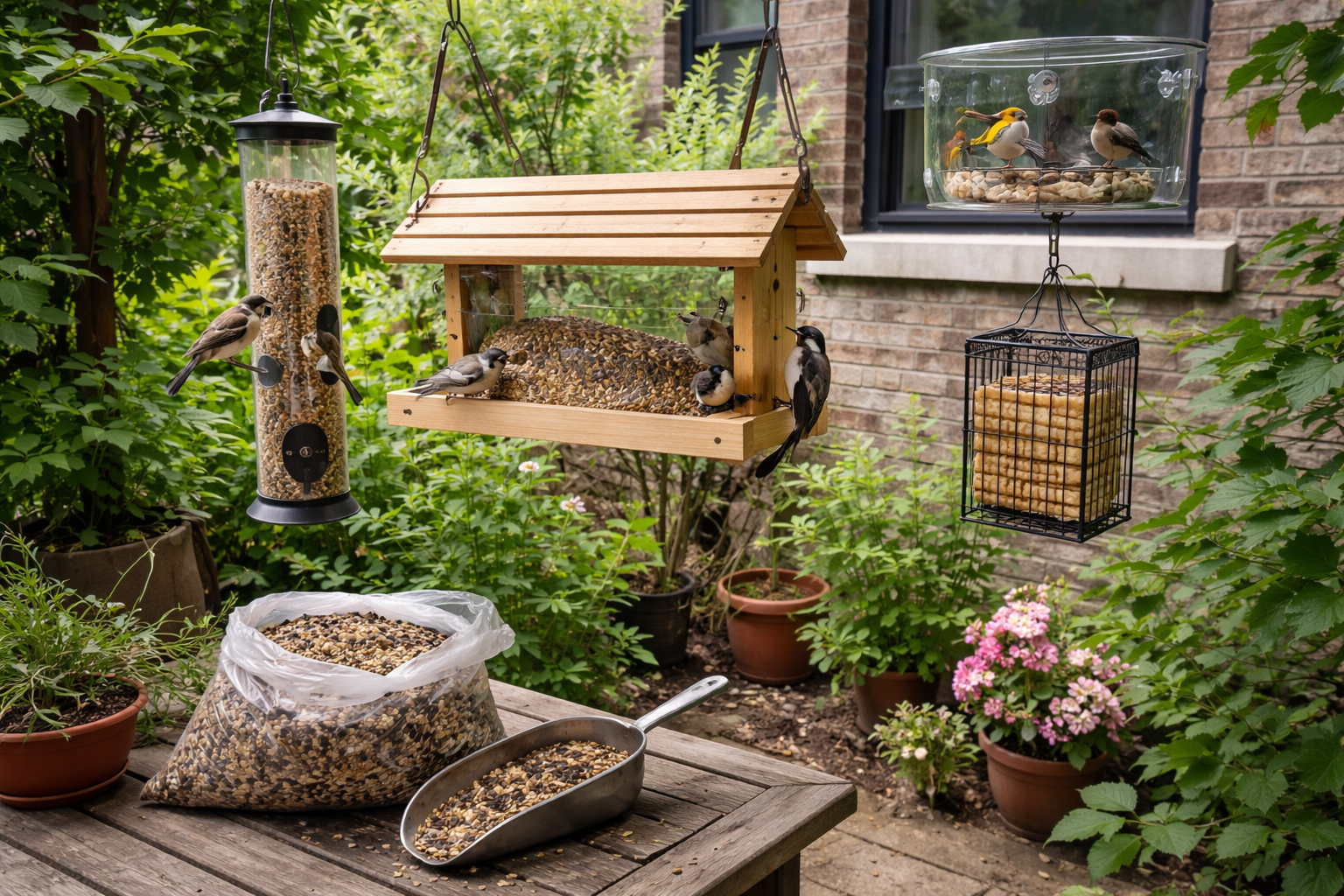
Tube feeders are compact and can hold a steady stream of small songbirds such as finches and chickadees. They excel in windy balconies because seed stays inside the clear sections but can be susceptible to seed spillage if perches are crowded. Look for UV resistant, shatter resistant plastic or metal with a tight cap to deter rain entry. Ensure feeding ports are sized to prevent larger birds from crowding the mesh and to minimize waste.
Hopper feeders for NYC
Hopper feeders offer a larger seed chamber and shelter from the elements, which helps in NYC weather where rain and snow can soak exposed seed. They attract a broader mix of birds including cardinals and sparrows. The downside is bulkier dimensions and more joints where mold can form if not cleaned regularly. Choose versions with chew proof hardware and removable bases for easy cleaning.
Platform feeders for NYC
Platform feeders are simple and versatile, offering a stable surface that birds easily access from multiple angles. They work well on small terraces with nearby shrubs for fly away cover. Use a tray liner to catch spilled seed and minimize mess on sidewalks or balcony floors. They require more frequent cleaning in humid months to prevent mold and seed waste.
Suet and year round options
Suet is especially valuable in winter and during cool springs, supporting insectivores when insects are scarce. Suet feeders come in cage or clamshell designs that suppress mess and keep seed piles separate from sullied material. Hybrid designs that combine seed trays with suet cups offer year round feeding, but require regular inspection for mold when exposed to humidity.
Window feeders in tight spaces
Window feeders take advantage of proximity for easy observation while occupying minimal balcony space. They are ideal for a first timer who wants quick wins and direct viewing of visiting birds. Cleanability is a point to verify, choose models with removable seed cups and wipe friendly surfaces.
Seed and feed strategy for NYC birds
Seed choices influence which species visit and how reliably feeding occurs through seasons. A careful blend minimizes waste, limits mold, and reduces pest issues.
Core seed types and their appeal
Black oil sunflower seed (BOSS) remains the most versatile seed in NYC for attracting a wide range of species from chickadees to cardinales. Nyjer, a tiny high-energy seed, is especially attractive to goldfinches but demands snug feeder ports to reduce wastage and requires daily checks to prevent mold in hot weather. Millet often acts as a filler seed that can attract sparrows; it is less favored by some urban specialists and may result in more scattered feeding.
Year round feeding and winter emphasis
Year round feeding is feasible with a layered approach. Pair BOSS with nyjer during the shoulder seasons to maintain interest and support a diverse flock. In winter, add suet options to boost energy reserves during cold snaps. Mealworms and live insects, delivered in small cups, can supplement insectivores in late spring and early summer where natural forage dips.
Mold prevention and storage tips
Store seed in airtight, BPA-free containers in a cool, dry area. Rotate stock so older seed is used first and avoid leaving seed outdoors in rain or on humid balconies. Cleanse feeding surfaces and trays regularly to prevent mold. For high humidity months, use a seed mix with anti-mold additives if available and feasible for health safety.
NYC blends by species and season
A practical year round blend in NYC includes a base of black oil sunflower seed with supplemental nyjer in fall and early spring. In winter, consider a blend that adds suet or high fat mealworms to support energy needs during freezing conditions. Always avoid mixing large volumes of millet with nyjer if pests or weather are a concern.
Placement and setup for compact spaces
Correct placement is key for bird access, neighbor relations, and pet safety while maintaining aesthetic balance on urban balconies and small yards.
Balcony and terrace setup tips
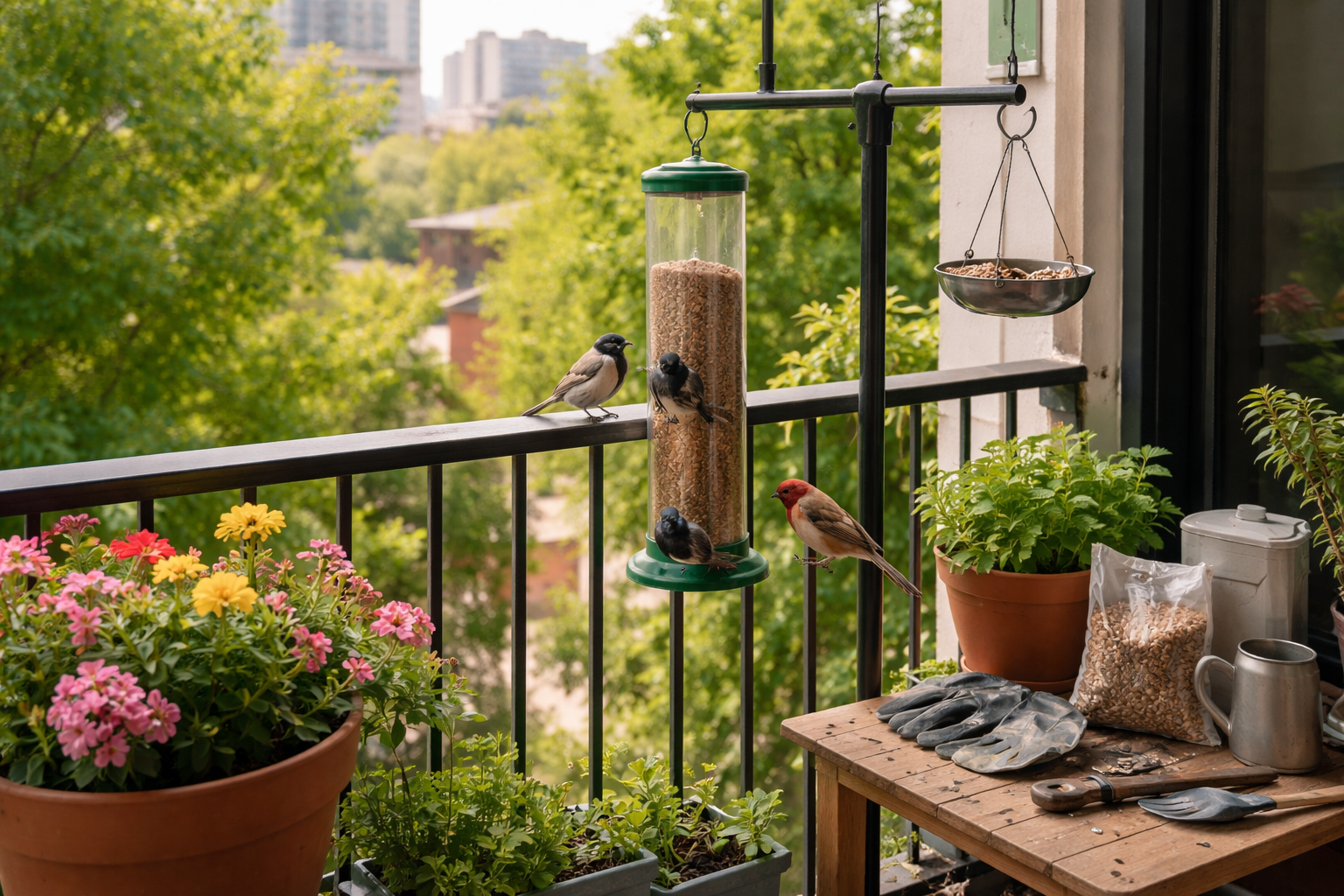
Place feeders at a height of about 4 to 6 feet above ground to reduce predator risk and ensure diverse lines of sight for birds. Position feeders at least 10 feet from doors and windows where possible to minimize collisions, and 3 to 6 feet from dense shrubs for cover without hiding the feed from birds. Use a windbreak such as lattice or evergreen plantings to shield seed from gusts and reduce seed wind drift.
Edge and neighbor considerations
Avoid placing seed directly over planters or seating areas to minimize mess. If possible, mount on a stable railing or wall bracket with drainage so spilled seed can dry quickly. Communicate with neighbors about feeding times or noise, and consider offering a visually unobtrusive feeder design that blends with architectural lines.
Height and access for birds
Birds generally prefer perches within sight of shelter and water. Place perches in sun or light shade, avoiding deep shadows and glare from glass surfaces. For high rise balconies, consider a window feeder with a security mount to maintain stability against wind loads and vibrations from air movement.
Fall and winter windbreaks
In the colder months, use a lightweight windbreak on the leeward side of the feeder to reduce seed blow off and seed runoff. A small screen or shrub barrier slows gusts while maintaining visibility for birds approaching from below. In winter, avoid exposing seed on unprotected edges where snow drift and wind can bury the feeder.
Maintenance, safety, and health
Ongoing care protects birds from disease, mold, and pests while extending feeder life. A simple routine keeps feeding reliable and safe for urban birds.
Cleaning frequency and methods
Clean feeders at least every two weeks during mild weather and weekly in heat and humidity. Use a mild, bird-safe soap and warm water. Rinse thoroughly and allow components to dry completely before refilling. For a deeper clean, take apart removable parts and wash with a brush to reach crevices.
Mold prevention and smart cleaning
Mold forms quickly in warm climates, especially on damp seed remnants. Remove any moldy seed immediately and disinfect surfaces with a bird-safe cleaner. Dry surfaces before reusing. Avoid strong household cleaners close to feeding areas that could harm birds with fumes or residues.
Pest deterrence and predator guards
Protect seeds from mice and squirrels using cages, baffles, or squirrel-proof designs. Avoid toxic deterrents that could harm non target wildlife, pets, or children. For apartment settings, humane deterrents such as scent barriers or black platforms can be effective without creating excessive disturbance.
Handling spilled seed in small spaces
In tight urban spaces, use tray liners and seed catchers to minimize mess on balconies or patios. Clean the ground beneath feeders regularly to prevent seed accumulation that attracts pests. Consider placing a removable tray under the feeder to collect spills and ease disposal.
Pest management and deterrence in apartments
Urban pests demand humane strategies that protect birds while preserving neighborly harmony. A combination of design and placement minimizes conflicts without compromising bird access.
Squirrels and urban challengers
Squirrels are common in urban settings, but a well positioned feeder can reduce their impact. Choose feeders with squirrel baffles, weighted perches, and sturdy construction. Place feeders away from overhangs or trees they can jump from, and consider rotating feeding locations to keep pests unsettled.
Humane deterrent choices that work in apartments
In apartments, lightweight deterrents like reflective tape, motion deterrents, or spaced perches can deter frequent visitors without scaring birds away entirely. Ensure any deterrent does not pose a risk to indoor pets or children, and avoid invasive methods that could harm wildlife.
Budgeting and product selection
A balanced setup scales with budget and space, from a simple starter to a durable premium system. The goal is reliable performance, easy maintenance, and long term durability in NYC conditions.
Starter, mid range and premium picks
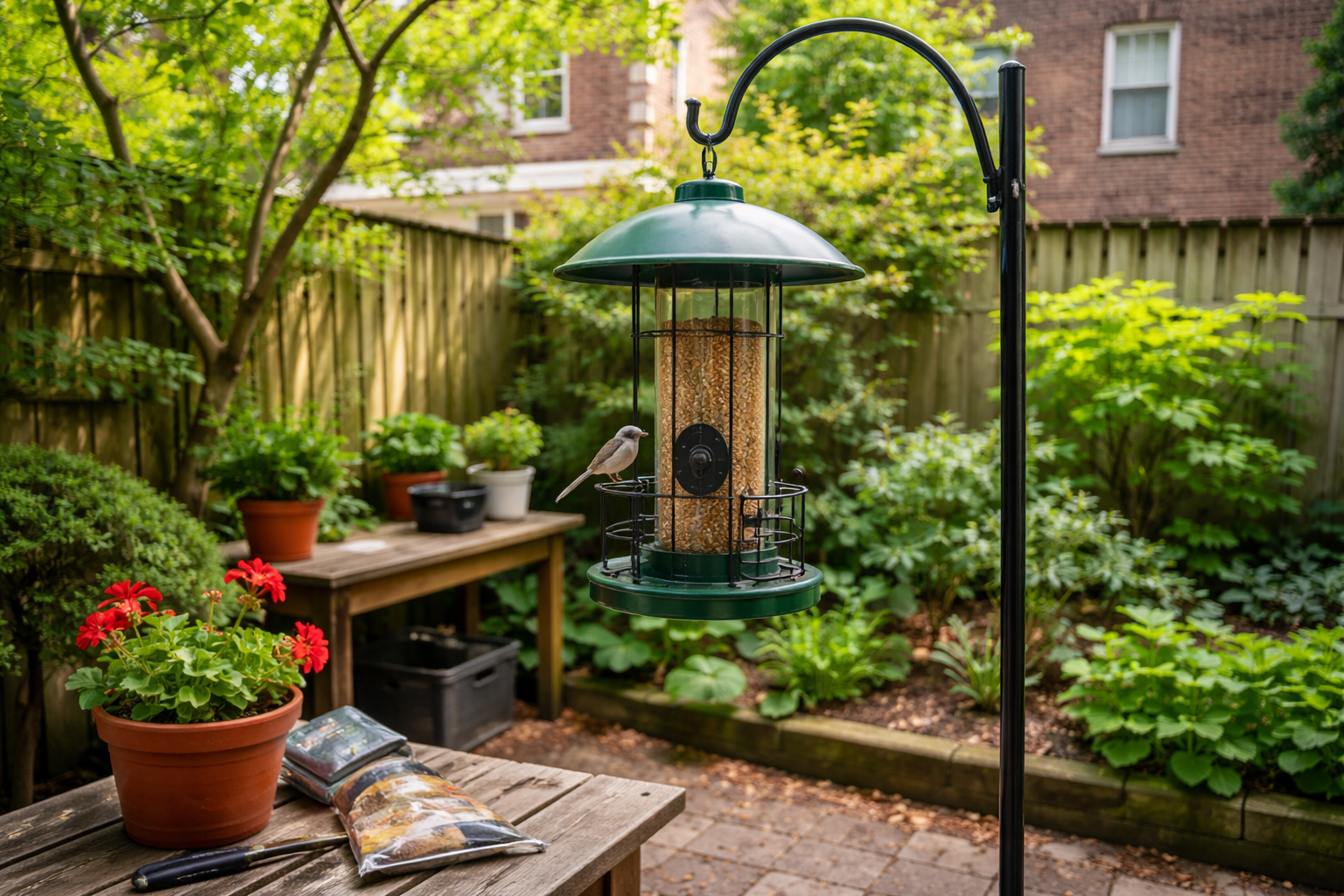
A starter kit typically includes one tube or window feeder, a basic seed blend, and a small cleaning brush. Mid range adds a second feeder type and a larger seed capacity with better weatherproofing. Premium setups include heavy duty metal components, pest deterrents, modular parts for easy cleaning, long warranties, and a broader seed strategy that covers year round needs.
Durability, warranty, and replacement parts
Look for UV resistant, corrosion resistant materials, powder coated steel, and chew resistant plastics. A reliable warranty supports parts replacement like perches, trays, or caps that wear with use. Replacement parts availability is essential for long term maintenance.
Where to buy and anticipated yearly cost
Local garden centers, large hardware stores, and reputable online retailers offer a range of options. A yearly feeding budget for a typical NYC balcony setup might range from modest to premium depending on seed choices and the number of feeders. Budget for seed storage containers, cleaning brushes, and occasional replacement parts.
Quick-reference: starter vs premium features
Quick-start guide and seasonal checks
A fast, practical path to feeding in NYC starts with a simple setup you can deploy in under 15 minutes, followed by ongoing seasonal checks. Step by step:
- Choose one weather protected feeder suitable for a balcony and one window friendly option for easy viewing.
- Select a seed mix that includes black oil sunflower as a base, add nyjer in shoulder months, and plan for a winter supplement such as suet.
- Mount feeders in a sheltered, visible location with safe clearance from doors and windows.
- Refill and clean on a weekly schedule during spring through fall, and increase attention during humidity spikes in summer.
- Observe which species visit and adjust seed blends or placement to encourage a broader mix.
A seasonal maintenance calendar helps sustain bird health and feeder longevity. In spring, clean and inspect all ports and perches. In summer, wipe down feeding surfaces after heavy rains. In fall, check for mold and reseal caps against wind. In winter, check for ice buildup and ensure access to warm shelter.
Local resources and community
City wide wildlife programs provide local insights and citizen science opportunities that enrich urban bird feeding. Consider reaching out to local chapters of national organizations for NYC specific guidance, seasonal migrations, and regional observations. Local Audubon groups, Cornell Lab of Ornithology All About Birds resources, and city parks wildlife information offer practical context and community support.
FAQs and troubleshooting
Conclusion
Choosing the best bird feeders for New York City requires balancing space constraints, weather resilience, and a commitment to bird health. A layered setup with a tube or window feeder for daily patrons, a larger hopper or platform for mixed species, and strategic seed blends forms a reliable year round feeding plan. With thoughtful placement, regular maintenance, and humane pest deterrents, NYC balconies and small yards can become thriving urban bird habitats that delight observers across seasons.