Introduction
Selecting nyjer feeder systems is about balancing seed retention, bird access, weather resistance, and ease of cleaning. Nyjer seed, also called thistle seed, is tiny and lightweight, highly attractive to goldfinches and other small seed eaters, but its cache of seeds can be quickly wasted if the feeder design fails to hold seed, shed moisture, or keep mold at bay. This guide provides an evidence grounded framework for evaluating nyjer feeders, practical best practices for setup and maintenance, and a curated set of top picks across common use cases. By understanding how seed behavior, feeder design, and placement interact in real world garden settings, readers can confidently choose a feeder that matches their space, climate, and bird life while maximizing attraction and minimizing waste.
Understanding nyjer seed and its needs
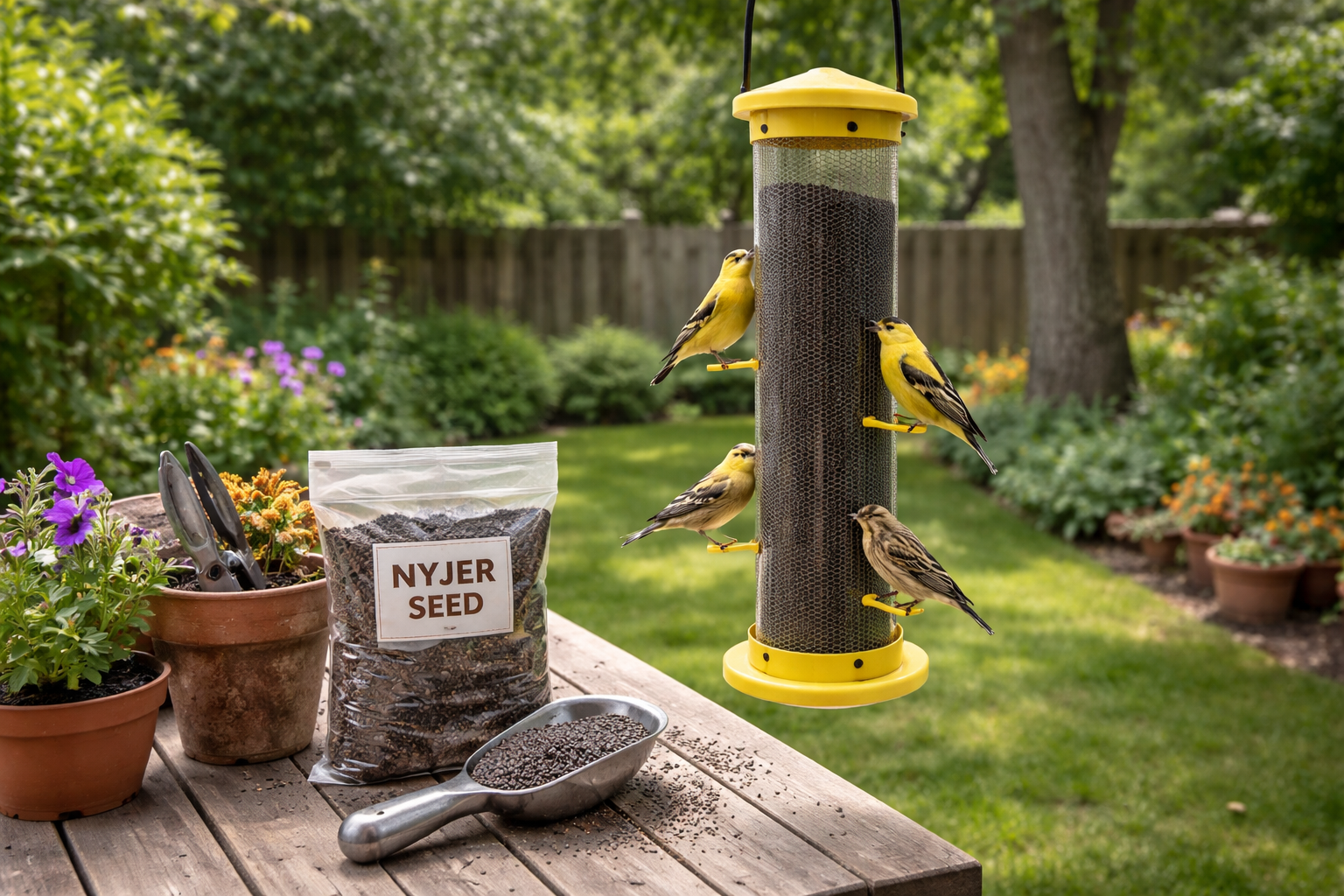
Nyjer seed is extremely small and ultra light, with a high fat content relative to its bulk. Because the seeds are prone to moisture uptake if exposed to humidity, mold, and spoilage risk rise quickly once seeds become damp. Proper storage is essential: keep seed in a dry, cool area away from direct sun and use airtight containers to slow moisture ingress. In outdoor feeding, a feeder that minimizes seed exposure to rain and wind while allowing sufficient airflow to dry residual moisture between visits is ideal. Freshness matters: older seed can clump, lose volatile aromas, and be less appealing to finches, so buying in smaller, more frequent batches reduces waste. These practical realities shape what makes a nyjer feeder successful in a backyard setting.
Nyjer feeding is particularly effective for goldfinches, but other small seed eaters may partake, including chickadees and finches. The birds show a preference for seed that is readily accessible without requiring a deep reach into ports or awkward perches. The feeder design should support small beaks while discouraging seed blow out, and weatherproofing helps prevent seed from becoming damp inside the feeding system after rain or heavy dew.
Nyjer feeder types and when to choose
Nyjer seed feeders come in a few core designs, each with strengths and tradeoffs for real world use.
Tube feeders with small ports
Tube style feeders with small ports provide robust seed retention when designed with tight micro ports and angled internal baffles. These designs minimize seed fall and spillage, while perches placed near the ports give birds manageable access. They are typically easy to disassemble for cleaning and can handle typical U.S. weather if built from weather resistant plastics or metal. For many households, a well built tube feeder offers the best balance of durability, cleaning ease, and seed retention, especially in climates with regular rain or fog.
Nyjer sock feeders
Nyjer socks are fabric mesh bags that hold seed loosely, letting finches feed through the mesh. They attract many birds due to their open feeding surface and easy imaging of escaping seed particles, but they require careful seed management. The sock design can be weather sensitive: moisture can collect inside the mesh and mold can form if it remains damp, so socks perform best in dry conditions or with regular rotation and quick drying. They are excellent for apartments or small spaces where a compact feeder is a priority, and they offer a very economical entry point for nyjer feeding.
Hybrid nyjer feeders
Hybrid designs combine the best features of tube feeders and socks, offering small ports to prevent seed blowout and a mesh element for increased seed access. These feeders attempt to provide reliable seed retention while maintaining accessible feeding for goldfinches. They are a practical option for gardeners who want a mid range product that balances durability, cleaning convenience, and performance across seasons.
Practical takeaways for choosing among designs
- If you live in a windy or rainy area, prioritize seed retention and weather sealing in a tube style feeder.
- If space is tight or you want a quick install, a nyjer sock can work well, but plan for more frequent cleaning and drying routines.
- If you want a single feeder that covers multiple seasons and bird behavior, look for a hybrid with strong cleaning access and durable materials.
How to evaluate feeders before buying
Choosing a nyjer feeder requires weighing several objective criteria. A structured framework helps readers compare options without relying on hype or brand name alone. The following criteria matter most in real world performance:
- Seed retention and port size: Small ports prevent large clumps and minimize seed blow out, but must still allow comfortable access for goldfinches.
- Perching access and access to the seed: Sufficient perches and angled ports help birds land easily and feed without crowding.
- Materials and durability: Materials should resist UV degradation, rust, and cracking. Powder coating and UV stabilized plastics extend life in sun and rain.
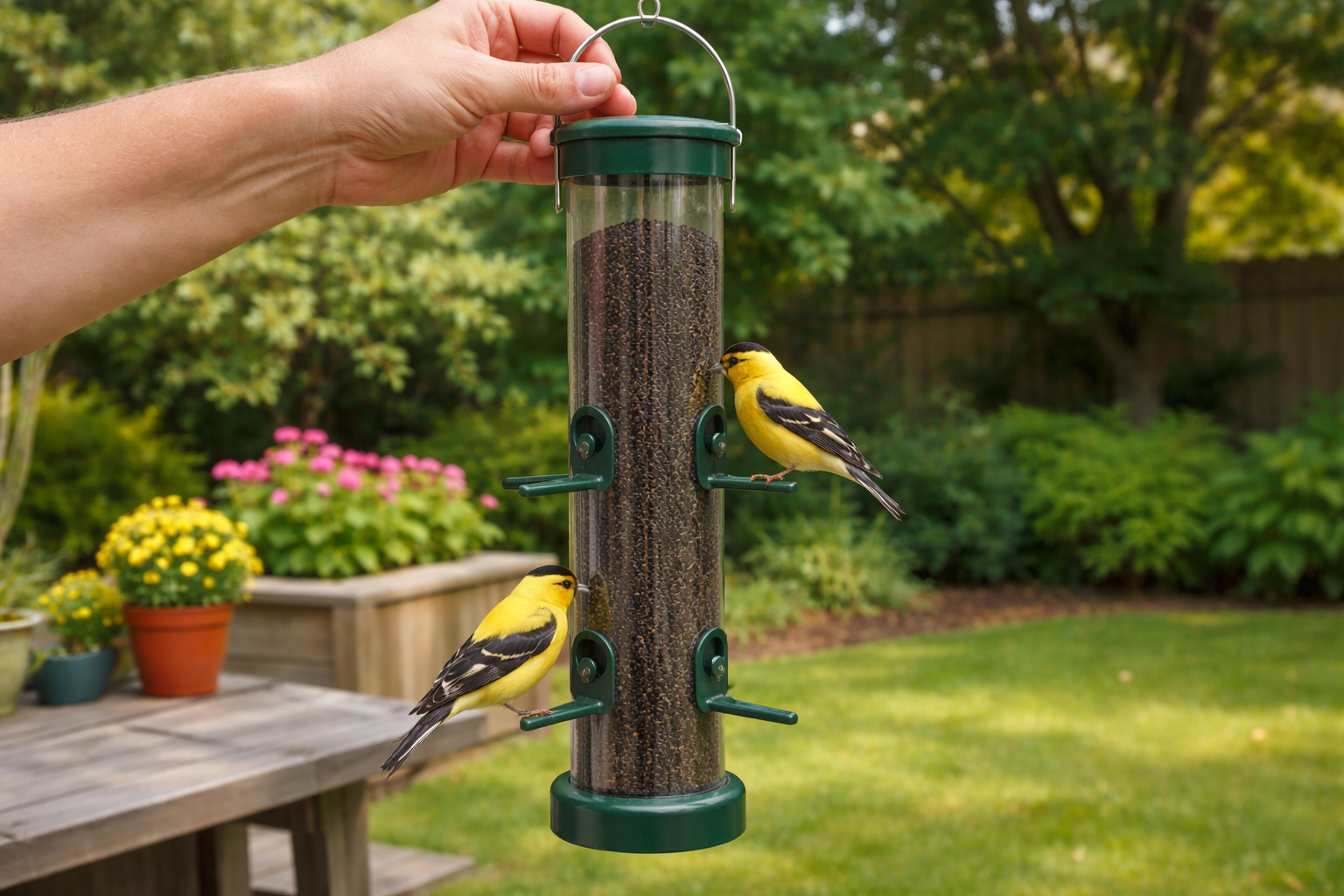
- Cleaning disassembly: The ability to disassemble into simple parts for thorough cleaning is crucial to preventing mold and ensuring seed remains fresh.
- Weather resistance: A feeder should shed water and resist wind-driven moisture. A tight seal around the cap, ports, and joints helps.
- Mounting options: Hanging vs pole mounting affects placement flexibility and protection from the elements.
- Capacity and seed retention: Larger capacity reduces refill frequency but increases the potential for stale seed if refills are delayed; choose capacity to match refill habits.
- Safety and pest considerations: Avoid sharp edges, ensure lead-free materials, and consider squirrel deterrence features if local squirrels are active.
- Price range and value: While premium designs matter, the best value simultaneously offers durability, ease of use, and long lasting performance.
Quick scoring rubric
- Seed retention: 1 to 5 points based on how well the feeder minimizes seed loss in wind and rain.
- Cleaning ease: 1 to 5 points for how easily the product can be taken apart and sanitized.
- Durability: 1 to 5 points for material quality and expected life.
- Weather sealing: 1 to 5 points for resistance to moisture ingress.
- Capacity: 1 to 5 points reflecting how often it needs refilling.
Readers can apply these criteria to any model, using a simple sum to compare overall suitability for their situation.
Top picks across categories
The following picks are described by design and use case rather than a single brand name. They represent archetypes that readers can recognize in actual products sold by regular garden centers and online retailers. Prices are typical ranges and will vary by retailer and season.
Best overall
What it offers: a tube style feeder with tight ports, reinforced construction, and easy cleaning. Ideal for mid sized yards with mixed sun and shade. Key attributes include seed retention, corrosion resistant metal or high quality plastic, and simple disassembly for cleaning. Typical price range: 20 to 40. Use case: all season feeding with durable construction and straightforward maintenance.
Best value
What it offers: a cost effective tube or hybrid design without compromising the core retention and cleaning features. The goal is predictable performance at the lowest price point that still uses quality components. Typical price range: 12 to 25. Use case: budget minded gardeners who still want reliable nyjer feeding.
Best for small spaces
What it offers: compact nyjer sock or micro tube feeder that fits on a balcony or thin window ledge. Strengths include easy installation and quick refill, with the caveat of more frequent cleaning to manage moisture. Typical price range: 12 to 28. Use case: apartments or small yards where space is at a premium and goldfinch presence is steady.
Best for year round feeding
What it offers: weather hardened construction with robust sealing and UV resistant materials, designed to withstand heat, cold, and moisture changes. A larger cap or dome plus sealed joints help keep seed dry between visits. Typical price range: 25 to 60. Use case: regions with winter weather and hot summers where consistent feeding is desired regardless of conditions.
Best durability and weather resistance
What it offers: premium materials such as powder coated metal or reinforced high grade plastic, designed to resist rust and cracking. Often includes extra sealing features and heavy duty hanging hardware. Typical price range: 40 to 80. Use case: busy outdoor spaces with high wind, frequent rain, or heavy seasonal pests.
Best squirrel deterrence
What it offers: weight activated perches, dedicated squirrel baffles, or other mechanisms that limit access to seed when a large animal is on the feeder. These features help preserve seed for birds while reducing damage. Typical price range: 30 to 70. Use case: neighborhoods with active squirrels or birds competing with non avian feeders.
Best nyjer sock option
What it offers: a premium mesh sock designed for easy hanging in sheltered spots or inside porches. Socks excel for easy setup and compact spaces, but require careful seasonal drying to avoid mildew. Typical price range: 12 to 25. Use case: indoor or balcony feeding, where space and low profile are priorities.
Setup, maintenance, and best practices
Adopting a successful nyjer feeding routine requires deliberate setup and ongoing care.
Placement strategy: position feeders at least 10 to 15 feet from competing feeders and away from heavy shade that slows seed drying. A location with morning sun and some afternoon shade helps keep seeds drier between visits. Mounting height should be comfortable for you to refill or clean without needing to bend awkwardly, but high enough to avoid ground foraging by other animals.
Seed handling and storage: buy seed in moderate batches and store in airtight containers away from heat and moisture. Rotate stock so older seed is used first to keep freshness high. Use fresh seed at each refill and avoid leaving damp seed in the feeder for more than a day in wet climates.
Seasonal adjustments: in hot weeks, check the seed daily and prune sun exposure or relocate if necessary. In winter, keep feeders elevated to reduce snow cover, check for moisture entry after storms, and ensure the cap and ports stay tight.
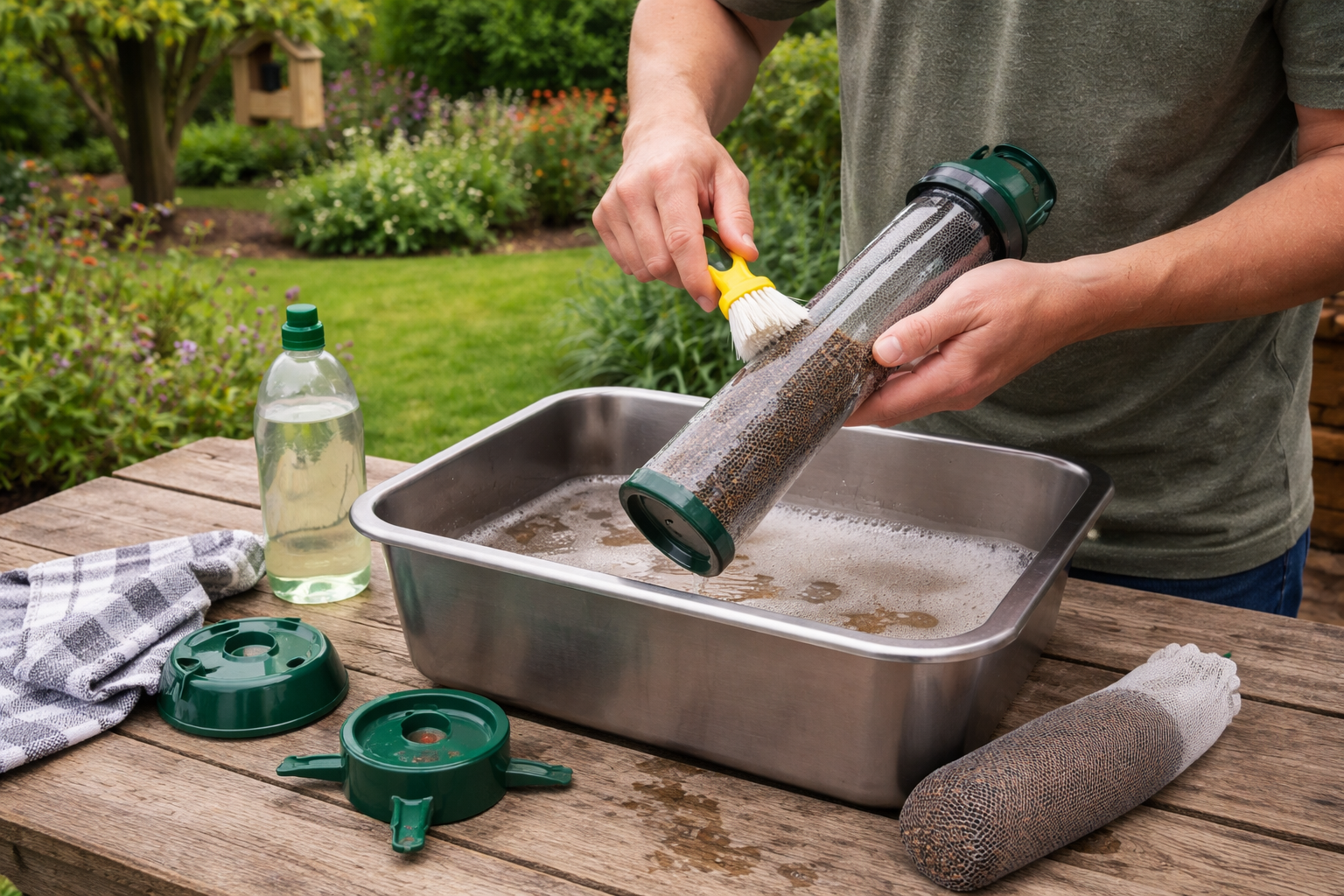
Cleaning routines: disassemble the feeder at least every two weeks during peak feeding and monthly in cooler seasons. Thorough cleaning with warm water and unscented soap helps remove oil residues and mold spores. Rinse completely and let dry fully before refilling. Never use harsh chemicals that could leave residues the birds ingest.
Seed management and moisture control: inspect seed for clumping or rancid odor. Replace seed after a rain event or when seed shows visible mold. For sock feeders, remove seed from the mesh, shake out debris, and dry the sock in the sun before reuse.
Placement and timing for best attraction: place two to three inches from tree lines or branches where birds have a quick flight path but avoid creating a direct line of sight from predators. Offer seeds during peak goldfinch activity hours in spring and early fall, and consider seasonal marshaling to avoid overcrowding and waste.
Common problems and quick fixes
Common problems include seed spoilage, moisture buildup, seed scattering, and persistent mold. Quick fixes include:
- Mold or moisture: remove affected seed, dry out the feeder, and ensure seals are intact. Increase sun exposure or relocate to a drier microclimate. Consider a feeder with better weather sealing or a larger dome to shed rain before it reaches the ports.
- Seed waste: adjust port size and perch placement to reduce overspill; use a higher port count feeder or modify the perch angle to guide birds toward the seed.
- Squirrels: use squirrel deterrence features or place feeders at longer distances from trees and away from the landing zone of tree squirrels.
- Cleaning fatigue: keep a regular schedule; set a calendar reminder to clean every two weeks during peak season and monthly during slower seasons.
FAQs
Frequently Asked Questions
Buyer's checklist and quick reference
- Confirm seed retention features and port size suit small beaks.
- Check for weather sealing and durable materials that tolerate your climate.
- Ensure easy disassembly for cleaning and safe storage of seed.
- Match capacity to refill habits and avoid overfilling.
- Consider placement height, sun/shade balance, and proximity to trees.
- Evaluate whether a squirrel deterrence feature is needed.
Feeder comparison matrix
Conclusion
The best nyjer feeder is defined not by price alone but by a balanced blend of seed retention, durability, cleaning ease, weather resistance, and appropriate design for small seeds. A thoughtful choice paired with careful setup and consistent maintenance will attract goldfinches and other nyjer consumers while keeping feed tidy and minimizing waste. Use the decision framework and the top picks as your guide, then tailor the final choice to your space, climate, and bird activity. By following the practical maintenance routines and placement guidance, readers can enjoy reliable nyjer feeding year after year.