Top picks: best paint types for bird feeders
Top picks: best paint types for bird feeders
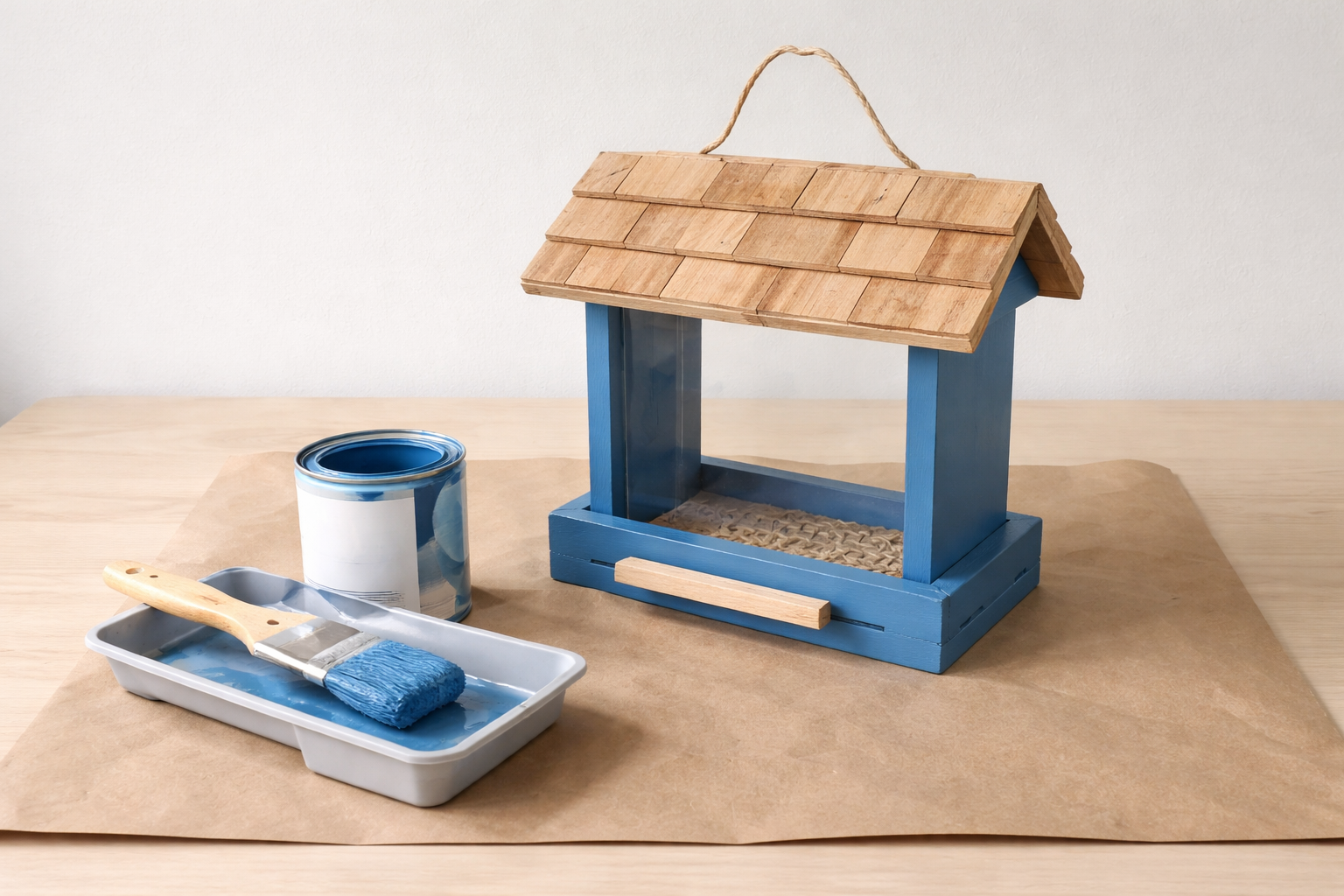
For almost every wooden feeder, pick a 100% exterior acrylic 100% exterior acrylic. Benjamin Moore Aura Exterior is a concrete example: low VOC (<50 g/L), about 1 hour to touch dry, 4 hours to recoat, and a manufacturer Return to Service of roughly 14 days. Verdict: best for durability, easy cleaning, and low toxicity risk to birds; tradeoff is you must allow full cure before heavy exposure and follow prep steps for a lasting finish.
How to use it: clean and dry the feeder, sand glossy or weathered surfaces lightly, and prime bare wood with an exterior-grade primer if you want the longest life. Apply two thin coats of exterior acrylic, letting 4 hours between coats, then keep the feeder sheltered for at least 7, 14 days so the film hardens. For cleaning, use mild soap and a soft brush; for repairs, sand to sound wood, spot-prime, and touch up with the same paint.
Quick alternatives and when to choose them:
- Low-VOC clear sealant: best if you want minimal color change; tradeoff is less color and decoration options.
- Natural oil (tung or boiled linseed): best for unpainted, low-maintenance feeders; tradeoff is more frequent reapplication and less water resistance.
Decide now: buy a high-quality exterior acrylic, prep with primer for raw wood, apply two coats, and wait the full cure window before putting the feeder back where birds can use it.
How the main options stack up
Exterior acrylic paints are the better choice for most bird feeders because they offer the strongest UV and weather protection and are easiest to clean. Use an exterior-grade acrylic latex or acrylic enamel and let the finish cure fully before birds return.
Action: for durability and ease, pick exterior acrylic, prime bare wood, apply two thin coats, and follow the manufacturer cure time before refilling the feeder.
Why paint chemistry and SDS items matter for bird safety
The single most important fact: a can saying "dry to the touch" is not a guarantee birds are safe to land on. Early on, check the product’s spray paint safety data and you’ll often find flammable aerosol warnings, VOC solvents like xylene and ethylbenzene, and eye or skin irritation hazards. Those labels mean harmful chemicals are present during and after spraying.
Safety Data Sheets list hazard statements and disposal notes that matter for wildlife. Flammable aerosol tells you the carrier is solvent‑based, not water. VOC solvents can off‑gas hours to days after the surface feels dry. An SDS also makes clear manufacturers do not certify a product as bird safe for food contact. Ecological and SARA/Prop 65 entries signal ingredients you should avoid around feeders.
Use the SDS findings to be conservative. If the SDS shows solvent hazards, avoid letting birds land until the manufacturer’s cure and ventilation guidance is met. One clear action: choose paints whose SDS lacks solvent hazard statements, prefer water‑based acrylics applied with a brush, not aerosol. That decision reduces off‑gassing risks and makes it practical to exclude birds until the feeder is genuinely safe.
Dry time versus full cure: realistic wait times
Dry time versus full cure: realistic wait times
For the best paint for bird feeders, waterborne acrylics are the better choice because they dry fast and are lower in toxic solvents. Many of those paints become "dry to the touch" within hours, but that does not mean the coating has reached full strength. Trade finishing guidance explains the difference between being touch-dry and chemically cured; see the industry explanation of dry versus full cure. Under normal warm, dry conditions, practical return to service for waterborne acrylics is roughly 1, 2 weeks, with film hardness continuing to increase for several more weeks.
Drying is mainly solvent evaporation. Curing is a chemical change that builds hardness and scratch resistance. For feeders this matters: a soft film easily dents, flakes, or transfers to birds. In cool or humid weather, expect longer cure times. If you painted several wet coats, cure slows further.
Give painted feeders a conservative 7, 14 day minimum before heavy outdoor exposure or bird contact. Quick check: press a fingernail gently on an inconspicuous edge; no dent means you can return to service. Warning: do not assume overnight drying is sufficient; premature use increases chipping and possible ingestion.
Concrete action: after painting, keep the feeder in a warm, ventilated spot and wait at least seven days before hanging it outside; if nails still leave a mark, extend the wait to two or three weeks.
Surface prep, application tips, and masking for safe finishes
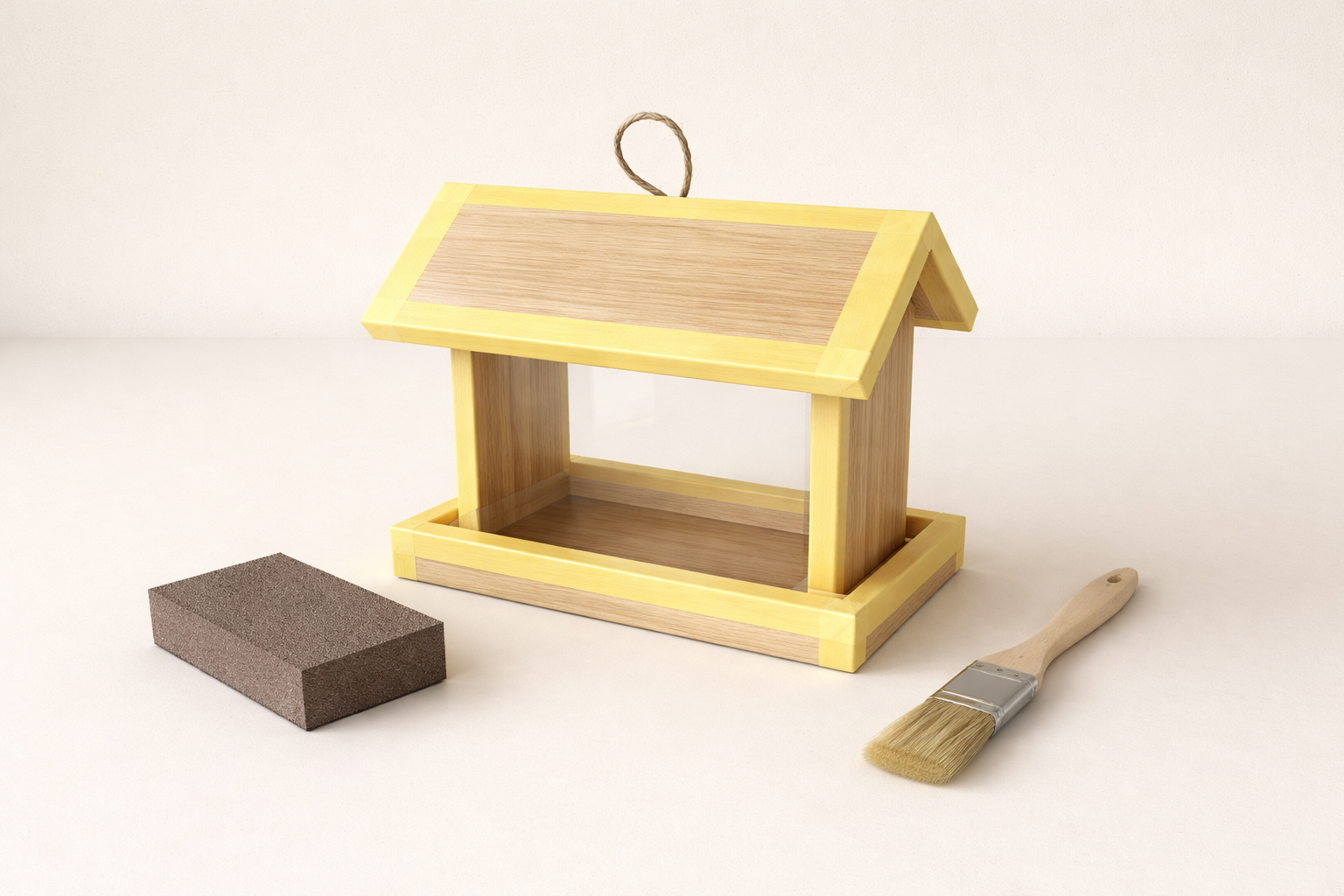
Single rule for safe finishes: paint only the exterior. Keep every surface that touches seed, nectar, or nesting material unpainted and unsealed. That single choice eliminates most contamination risks and guides every prep and masking decision that follows.
Prep for adhesion before you ever spray or brush. Sand glossy or molded plastic lightly with 220-grit, sand raw wood just enough to flatten splinters, and remove dust with a tack cloth or damp rag. Use a primer matched to the substrate: adhesion primer for plastic, oil-based or bonding primer for bare metal, and an exterior acrylic primer for wood. Let primers cure fully before topcoats. Choose paints labeled for exterior use so they handle UV, moisture, and temperature swings.
Spray paint can be a good tool for small feeders, but expect cure times and solvent hazards. Typical aerosol specs read dry to touch in 25, 30 minutes, handle in about 2 hours, and fully chip resistant after roughly 7 days spray paint cure specs. Wear a respirator, work outdoors, and keep birds away until the film fully cures. Poor prep or painting unsuitable plastic often leads to flaking and seed contamination.
Mask all contact points: perches, feeding ports, nest boxes interiors, and seed trays. Action you can take now: decide substrate type, sand and prime accordingly, mask any bird-contact surfaces, then use light coats of an exterior topcoat and wait a week before returning the feeder to service.
What to avoid when painting or sealing feeders
What to avoid when painting or sealing feeders
Never paint any surface a bird touches. Painting inside cups, perches or anywhere seeds land lets birds peck flakes or ingest contaminated grit. That is the single biggest risk to feeder safety and the reason you should treat interior areas as untouchable.
Common DIY pitfalls that raise bird-safety risk include:
- Painting interior or food-contact surfaces; birds will peck and eat flakes.
- Skipping masking or rushing recoats so paint runs or flakes into seed.
- Using unknown pigments or industrial products without TDS/SDS verification.
Avoid poor surface prep that causes early chipping. Sand and prime to improve adhesion so paint lasts on exterior wood or metal. Use only exterior acrylic or low-VOC specialty products on outer surfaces and never rely on "dry to touch"; follow the manufacturer technical data sheet (TDS) for full cure time.
Concrete action: before you paint, mask all feeding areas, sand and prime exteriors, choose exterior acrylic, and wait the full cure time listed on the TDS.
Final recommendation and short maintenance checklist
Final recommendation and short maintenance checklist
Exterior 100% acrylic latex is the better choice for most painted feeders. It sticks well, resists mildew, cleans easily, and when fully cured is the least risky for birds. Tradeoff: raw wood benefits from a quality exterior primer and very bright sun may fade colors faster than specialty marine finishes.
For a ready-to-buy option try Behr Premium Plus Exterior or Sherwin-Williams SuperPaint Exterior Acrylic. Both give solid adhesion, water resistance, and easy cleanup. Use a compatible exterior primer on bare wood or metal to prevent peeling.
Maintenance checklist
- Allow painted feeders to cure 7, 14 days before putting them where birds can touch or feed. Keep birds away during that time.
- Prefer light exterior colors for nest boxes to reduce heat stress.
- Inspect annually for chips; sand and spot-repair with the same exterior product. Preventing flaking matters for lead and other hazards (lead paint context).
Action: buy a 100% acrylic exterior paint plus primer, paint per label, wait two weeks, then set a calendar reminder for an annual inspection. I test and tweak these steps in my backyard feeders and they work reliably.