The Fastest Way to Get Started
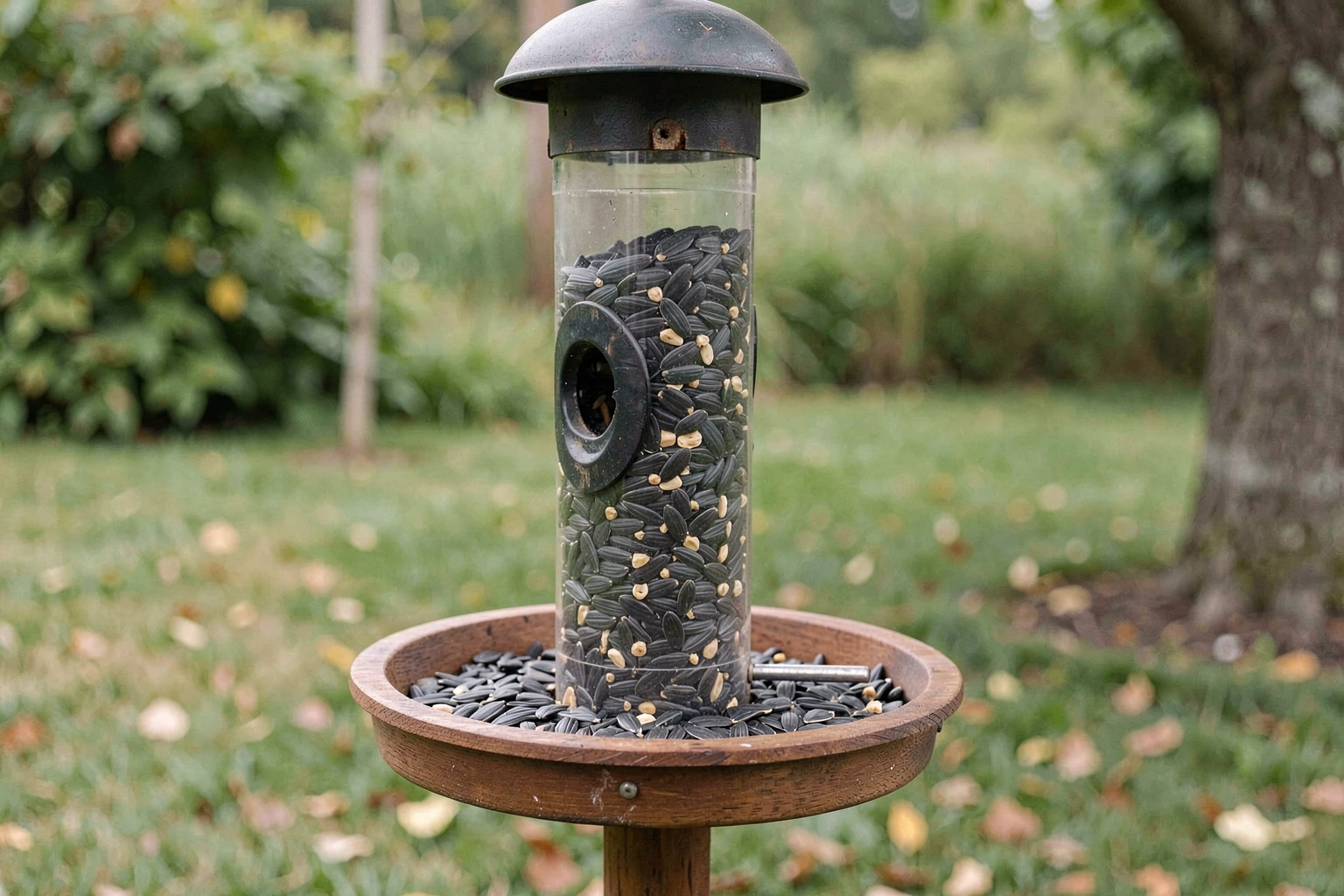
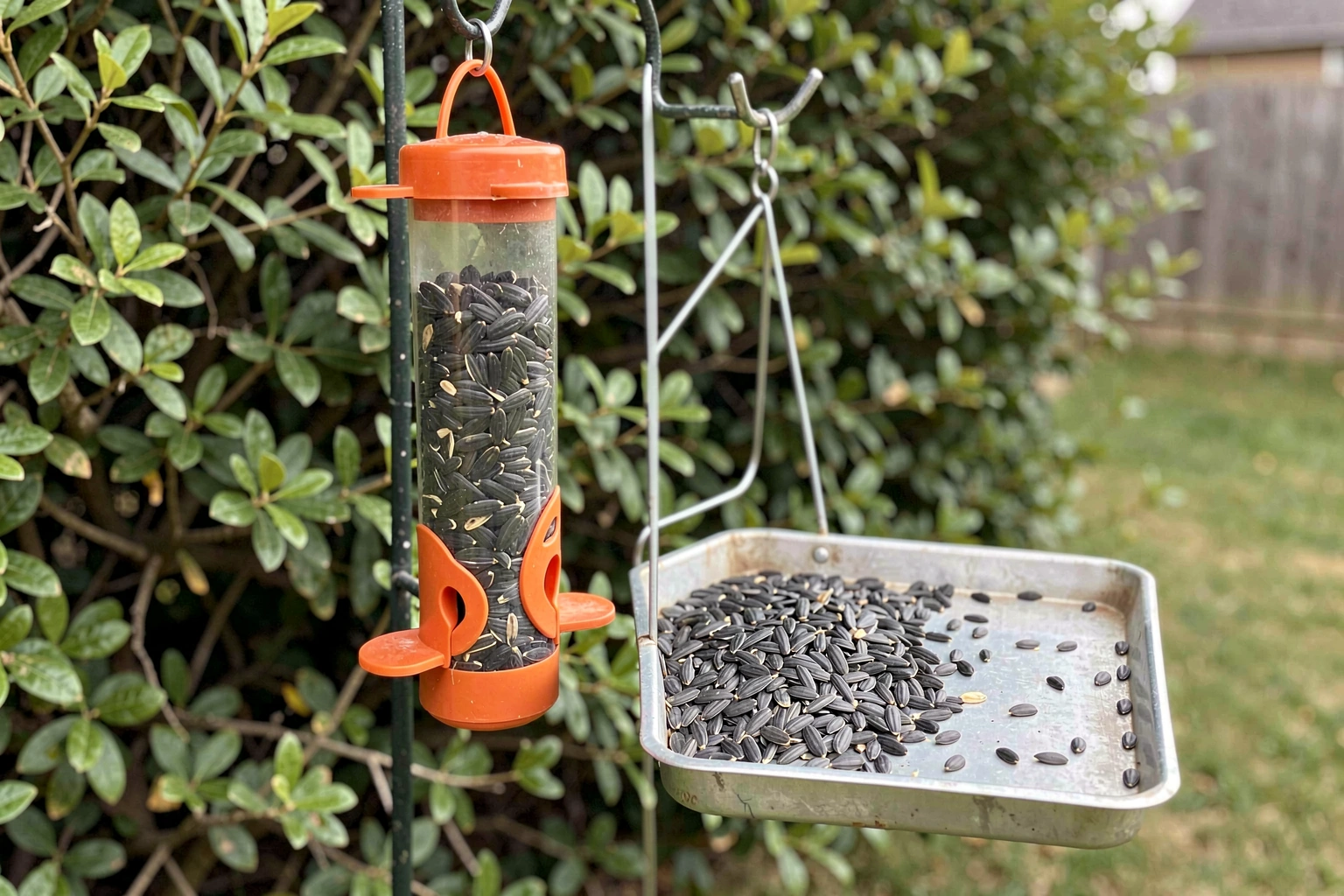
Start with one small tube feeder and one platform tray feeder, fill both with black oil sunflower seeds, hang them near some shrubs or a fence, and add a shallow dish of water nearby. That is genuinely all you need to attract your first birds within a week or two. Everything else, more feeders, specialty seeds, a proper bird bath, is something you can layer in once you know what is visiting your yard.
If you only do one thing today, buy a bag of black oil sunflower seeds and a basic tube feeder. That single combination works for the widest range of common backyard birds across most of North America and much of Europe. Chickadees, finches, nuthatches, sparrows, and cardinals will all take sunflower seeds. You do not need a fancy setup to get started.
What to Buy and Why That Pairing Works
The tube feeder and platform feeder combination is the best starter pairing for most beginners because they attract different birds and complement each other without much overlap in maintenance.
A tube feeder with four to six ports and small perches is ideal for clinging birds like chickadees, finches, and nuthatches. It keeps seed dry, limits waste, and is easy to hang from a hook or shepherd's crook. Look for one made from UV-resistant polycarbonate or metal-reinforced plastic. Avoid the cheapest all-plastic versions since the ports crack after a season. You can find a solid beginner tube feeder for around $15 to $30.
A platform or tray feeder is a flat, open surface that sits on a post or hangs from a chain. It attracts ground-foraging birds like juncos, doves, and larger sparrows that do not use tube feeders well. It is also where you can put peanuts, suet pellets, or a small pile of mixed seed without clogging a tube. A basic wooden or recycled plastic platform feeder runs $10 to $25. If budget is tight, a simple mesh tray hung from a hook works fine.
Together, these two feeders cover most of the birds you will see in a typical suburban or semi-rural yard. You do not need a hopper feeder or a suet cage right away, though both are worth adding later.
What About Hopper and Suet Feeders?
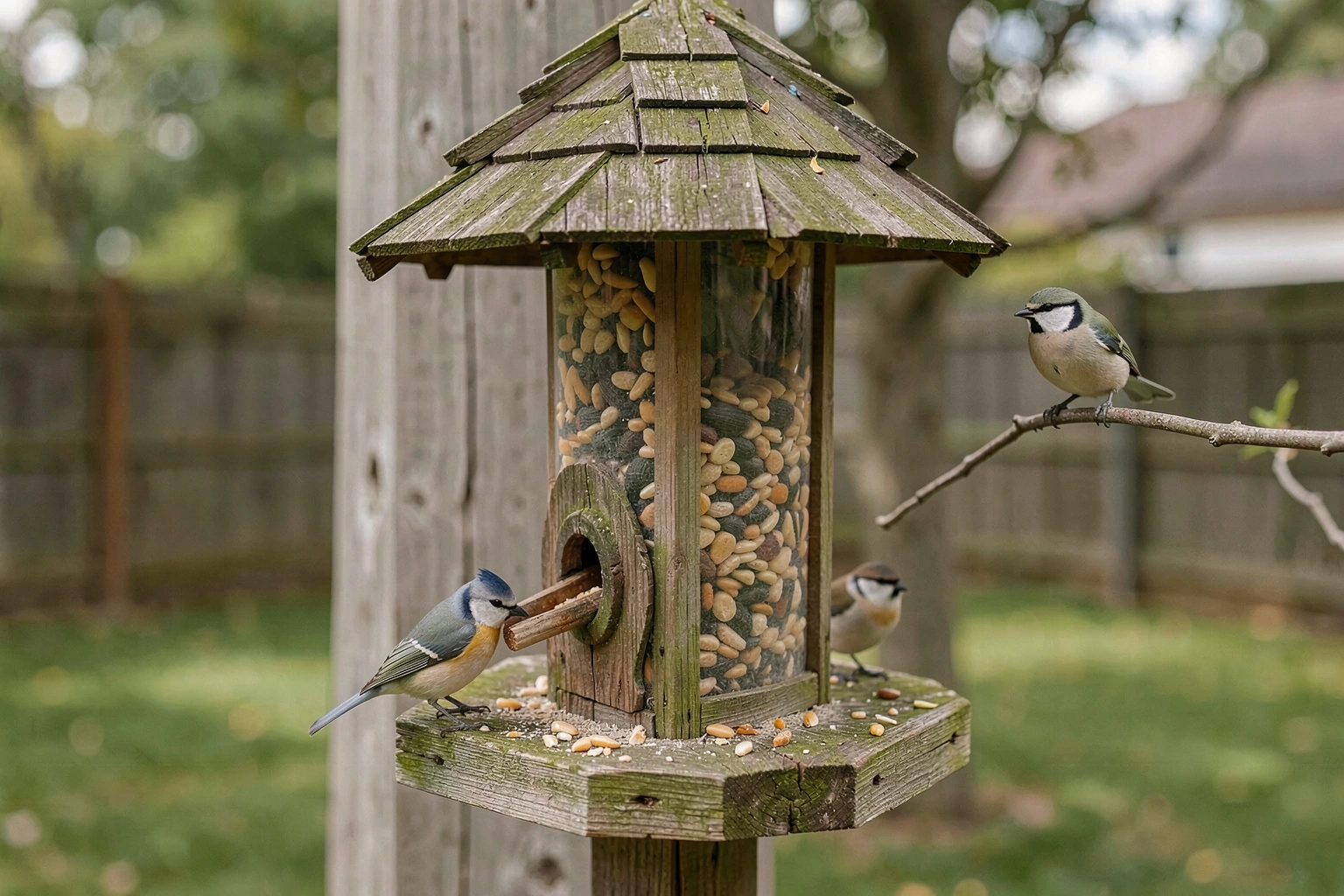
Hopper feeders look like little houses and hold a large volume of seed. They are convenient but harder to clean thoroughly, and seed can clump and mold at the bottom if you are not careful. They are better as a second or third feeder once you have a routine down.
Suet feeders are wire cages that hold a block of rendered fat mixed with seeds or insects. They are excellent for woodpeckers, wrens, and nuthatches, especially in winter. They are cheap (usually $5 to $10 for the cage) and easy to maintain. Add one in your second month if you want to attract woodpeckers.
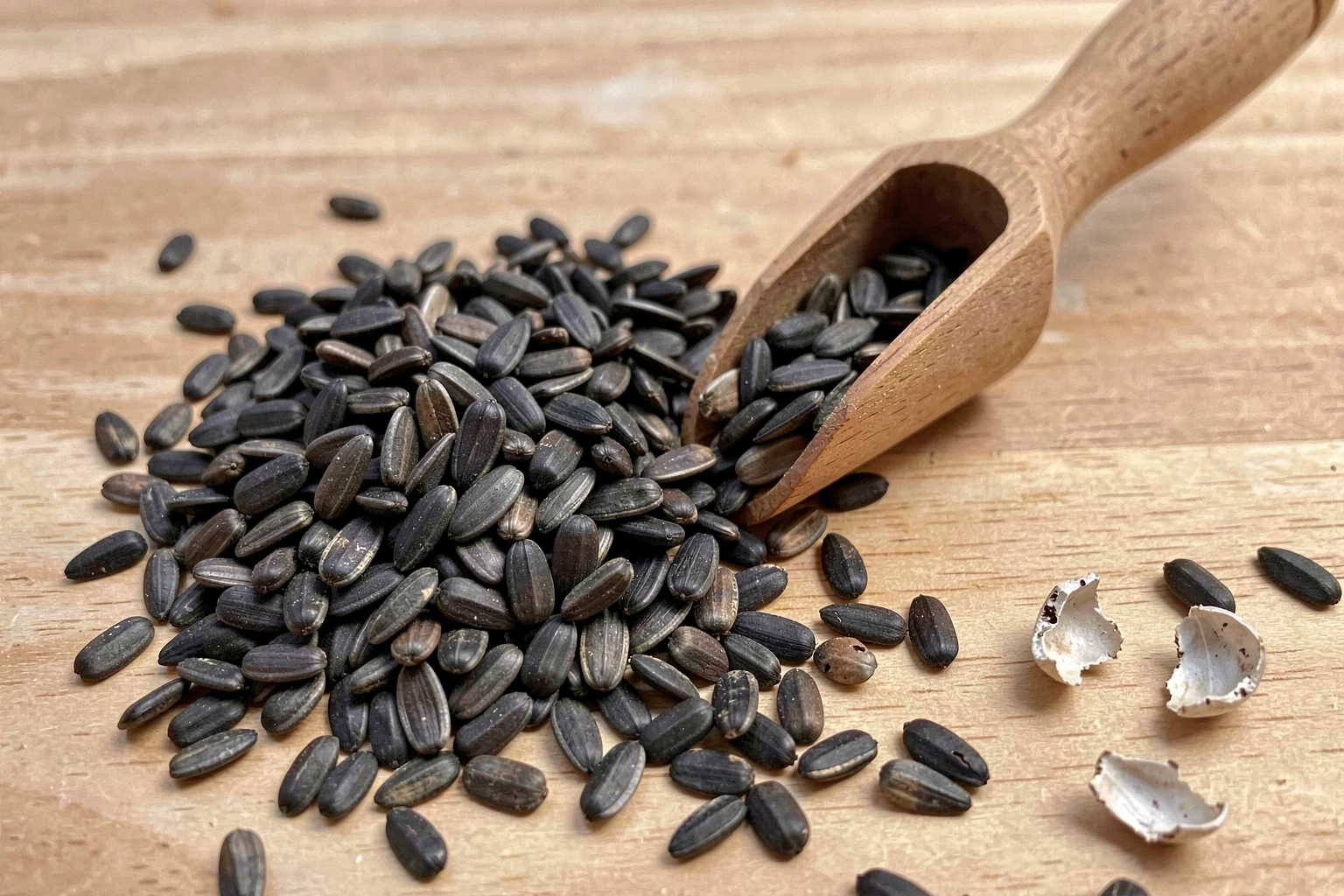
Choosing the Right Seed
Black oil sunflower seeds are the single best default seed for beginners. The shells are thin enough for small birds to crack, the kernels are high in fat and protein, and almost every common feeder bird will eat them. Buy a 10 to 20 pound bag from a garden center or hardware store. Avoid cheap "wild bird mixes" that are mostly milo, millet filler, and red wheat. Birds tend to toss those aside, which creates a mess and attracts rodents.
Once you have been feeding for a few weeks and you know what birds are visiting, you can branch out. Nyjer (also called thistle) seed is small and oily and is loved by goldfinches and pine siskins. It requires a special feeder with tiny ports, but a basic nyjer tube feeder is inexpensive. Safflower seeds are a good alternative to sunflower if you want to discourage house sparrows and starlings, since most of them dislike the bitter taste while cardinals and chickadees do not mind it at all.
Peanuts (unsalted, in the shell or shelled) attract blue jays, woodpeckers, and nuthatches. Suet cakes or fat balls are excellent in cold weather when birds need extra calories. Mealworms, either live or dried, are a treat for robins, bluebirds, and wrens, but they are optional and best introduced once you have a regular audience.
A Few Foods to Avoid
Do not put out bread, crackers, or cooked rice. They have almost no nutritional value for birds and go moldy fast. Avoid salted nuts or flavored seeds. Skip the cheap mixed bags with a lot of filler unless you can confirm the mix is mostly sunflower or millet. And never use old, musty-smelling seed. If it smells off to you, it is already a problem.
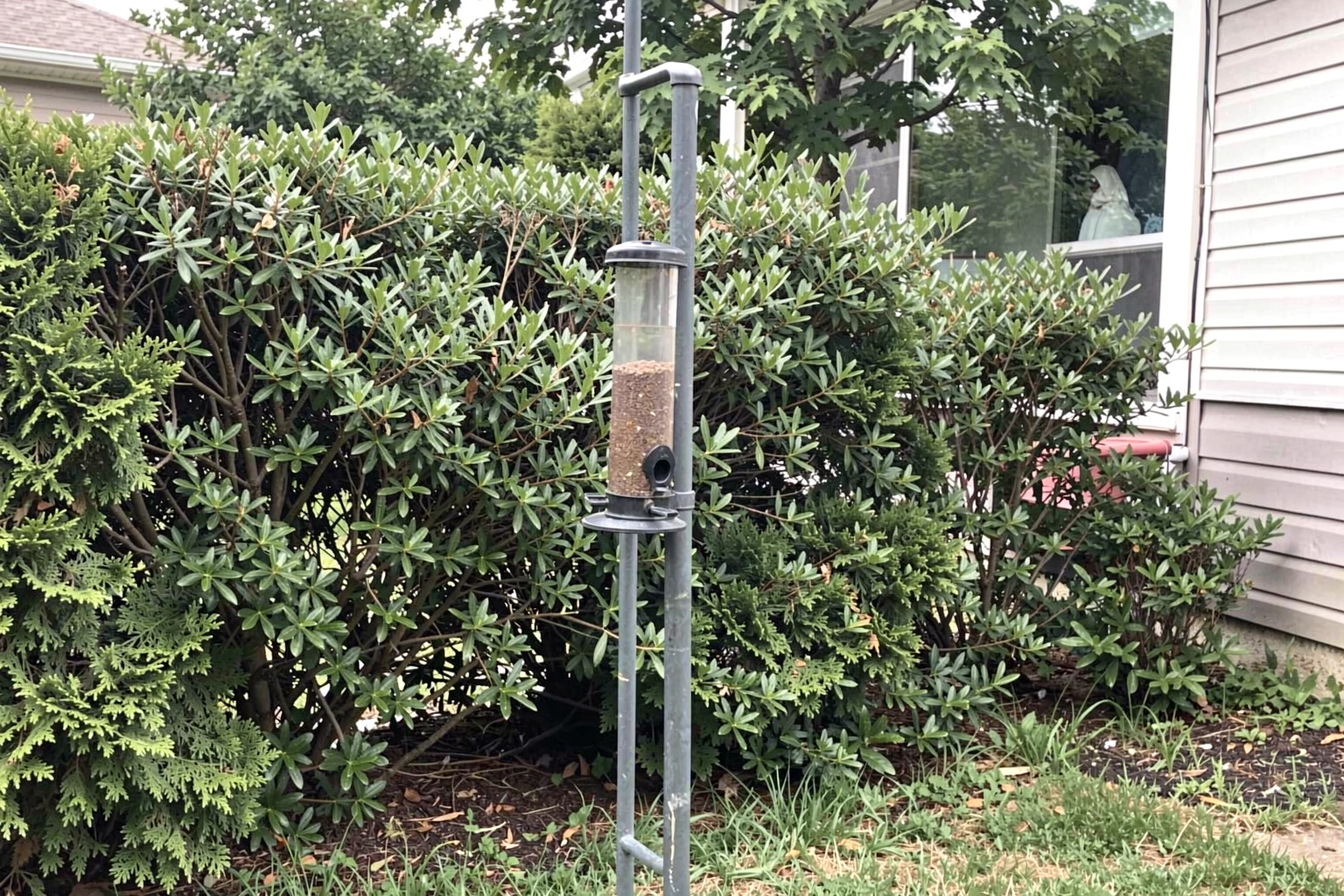
Where to Put Your Feeders
Placement matters more than most beginners expect. The goal is a spot that is safe for birds, visible for you, and easy for you to reach when refilling.
Keep feeders either very close to a window (within 3 feet) or far enough away (at least 10 feet) to reduce the risk of window collisions. Birds that flush from a feeder and hit a window at close range are usually not flying fast enough to injure themselves. At medium distances (4 to 9 feet), they can build up enough speed to cause real harm. If you only have a medium-distance spot available, apply window decals or tape strips to break up the reflection.
Place feeders near natural cover like shrubs, a hedge, or a small tree. Birds want a quick escape route if a hawk or cat appears. A feeder hanging in the middle of an open lawn with no cover nearby will get fewer visitors because birds feel exposed. About 6 to 10 feet from a shrub or fence is a good target.
Height-wise, most tube and platform feeders work well at 4 to 6 feet off the ground. That is high enough to deter casual cat access and low enough for you to refill without a ladder. If cats are a real problem in your yard, consider a pole-mounted setup with a baffle (a cone or cylinder that prevents climbing) below the feeder.
Avoid placing feeders directly under a dense overhang or roof edge where drips and shade create constant moisture. Wet seed molds fast.
Keeping Things Clean (It Matters More Than You Think)
This is the part most beginners skip, and it is the most common reason birds stop visiting or get sick. Dirty feeders harbor mold, bacteria, and a fungal disease called avian trichomonosis that can spread through contaminated seed.
The routine is simple. Once a week, brush out any old seed and debris from the feeder ports and tray. Every two to four weeks, do a proper wash: take the feeder apart, scrub it with a bottle brush and warm soapy water, then rinse with a dilute bleach solution (one part bleach to nine parts water), rinse thoroughly with clean water, and let it air dry completely before refilling. Never refill a damp feeder. Moisture is what turns good seed into a moldy mess.
For the platform feeder, sweep off fallen seed every few days. Wet seed sitting on a flat surface molds within 24 to 48 hours in warm weather. In summer, you may need to refill smaller amounts more frequently rather than loading it up and walking away.
Store your seed in an airtight container, a metal trash can with a lid or a sealed plastic bin, in a cool, dry place like a garage or shed. Seed stored in a paper bag in a warm garage will attract mice and go stale fast.
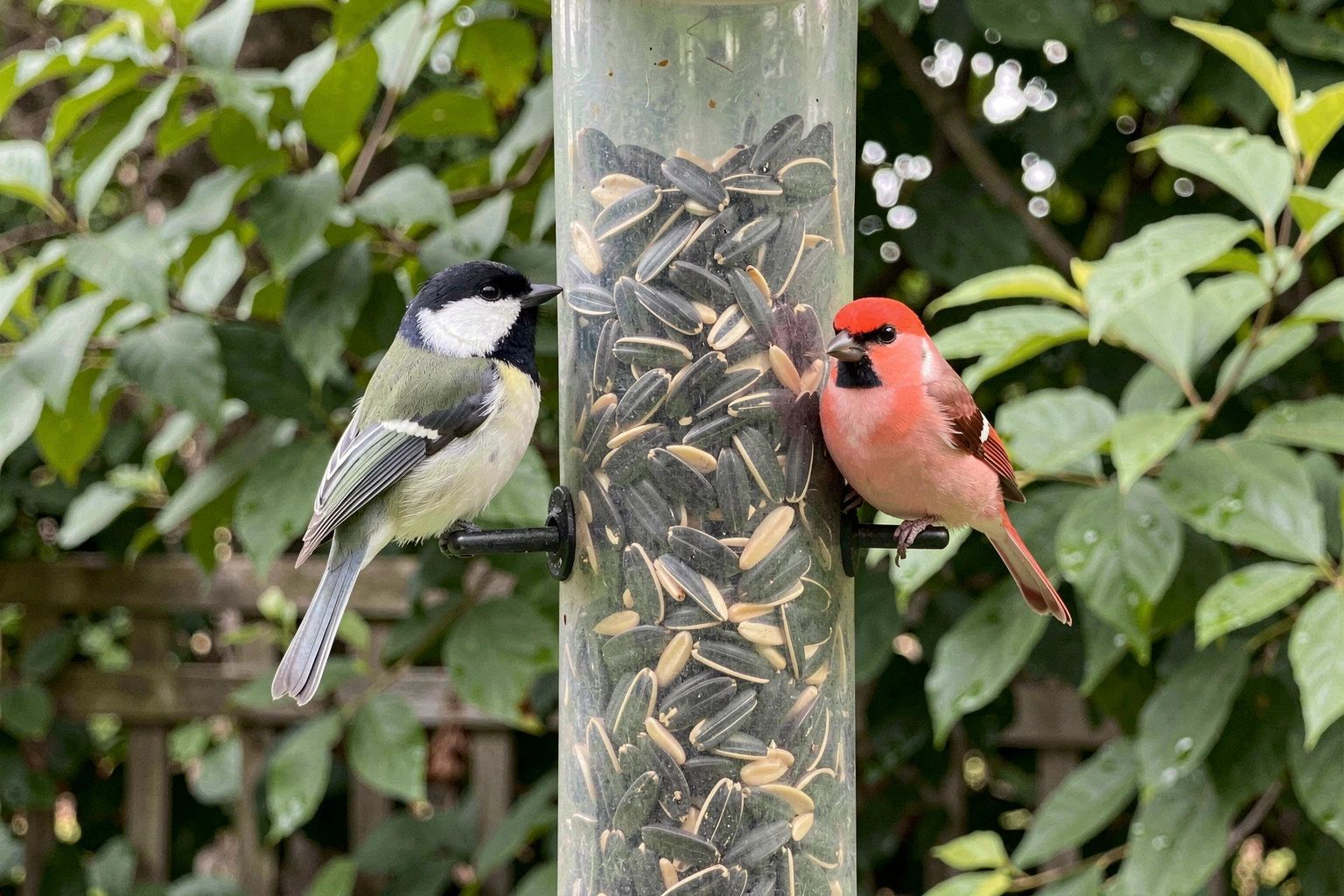
What to Expect in the First Two Weeks
Birds do not always show up on day one. Give it five to ten days before you start worrying. The first visitors are usually the boldest, most adaptable species in your area: house sparrows, chickadees, house finches, and mourning doves are common early arrivals in most North American yards. In the UK and Europe, expect house sparrows, blue tits, great tits, and chaffinches.
Once a few birds find the feeder, others follow quickly. Birds watch each other. A feeder with activity attracts more activity. If nothing has visited after two weeks, check the seed freshness, look for signs of predator pressure (a neighborhood cat sitting nearby, a hawk perching on a fence), and consider moving the feeder a few feet closer to cover.
Seed consumption is a useful signal. If you are going through seed steadily, birds are visiting even if you have not caught them yet. If the seed level is not dropping at all after ten days, something is off, usually seed quality, placement, or a nearby predator.
Seasonal Adjustments Worth Knowing
In winter, birds need more calories and will visit feeders more reliably because natural food is scarce. This is the best time to start feeding if you want fast results. Add suet or fat balls to your setup from October through March. Keep feeders stocked consistently because birds start to depend on a reliable source once they find it.
In spring and summer, natural food becomes abundant and feeder traffic often drops. That is normal. Keep feeders clean and stocked, but do not be alarmed if visits slow down. Nyjer feeders tend to stay busy through summer because goldfinches are actively feeding young. A shallow water dish becomes especially valuable in summer when natural water sources dry up.
In hot climates, refill feeders in the morning and use smaller quantities so seed does not sit in the heat all day. Sunflower seeds can go rancid faster in high temperatures. Shade placement matters more in summer than in winter.
Comparing Your Feeder Options at a Glance
If you are deciding between feeder types for your first purchase, here is a quick comparison to help you choose.
| Feeder Type | Best For | Ease of Cleaning | Beginner Friendly | Approx. Cost |
|---|---|---|---|---|
| Tube feeder | Finches, chickadees, nuthatches | Easy | Yes, start here | $15 to $30 |
| Platform/tray feeder | Sparrows, doves, jays, cardinals | Very easy | Yes, start here | $10 to $25 |
| Hopper feeder | General mixed feeding | Moderate | Better as a second feeder | $20 to $50 |
| Suet cage | Woodpeckers, wrens, nuthatches | Very easy | Good add-on in month two | $5 to $15 |
| Nyjer tube feeder | Goldfinches, siskins | Easy | Add when you see finches | $10 to $25 |
For most beginners, start with the tube feeder and platform tray. Add a suet cage in winter and a nyjer feeder if you start seeing goldfinches. That covers the majority of common backyard species without overcomplicating things.
Troubleshooting When Things Go Wrong
No birds after two weeks is the most common frustration. First, check the seed. Old or stale seed has a dusty, musty smell and birds will ignore it. Replace it with fresh seed and see if that changes things. Second, look at the location. Is there a cat that hangs around? A hawk that perches nearby? Birds will avoid a feeder that feels unsafe. Try moving it a few feet closer to cover. Third, try a different seed. If you started with a mixed bag, switch to straight black oil sunflower seeds.
Mold in the feeder usually means the seed got wet, either from rain, dew, or a leaky feeder. Empty the feeder, clean it with the bleach solution, dry it completely, and refill with fresh seed. In rainy weather, use a feeder with a roof or weather guard, or load smaller amounts so seed turns over before it gets wet.
Rodents under the feeder are a sign of too much spilled seed on the ground. Sweep up fallen seed regularly, switch to a no-waste seed like hulled sunflower chips (no shells to drop), and make sure your seed storage container is rodent-proof.
Squirrels raiding the feeder are a classic problem. A pole-mounted feeder with a squirrel baffle below it is the most reliable solution. Hanging feeders on a thin wire rather than a thick rope also helps since squirrels have a harder time balancing on it.
Where to Go From Here
Once you have had birds visiting for a few weeks and you feel comfortable with the routine, expanding is genuinely fun. A bird bath is one of the best additions you can make. Moving water (from a small dripper or solar-powered wiggler) attracts birds that never visit feeders, including warblers, thrushes, and vireos during migration.
Adding a suet cage in fall is easy and cheap and brings in woodpeckers almost immediately. A nyjer feeder in late winter will have goldfinches showing up in their bright yellow breeding plumage by April or May, which is one of the more satisfying payoffs of the whole hobby.
If you want to learn what you are seeing, download the Merlin Bird ID app from Cornell Lab of Ornithology. It is free, works by photo or sound, and is genuinely excellent for beginners. Keeping a simple notebook or phone note of what you see and when adds a lot to the experience over time.
The main thing is to start simple, stay consistent with cleaning, and give it a few weeks before drawing conclusions. Most people who stick with it for a month are hooked for life.