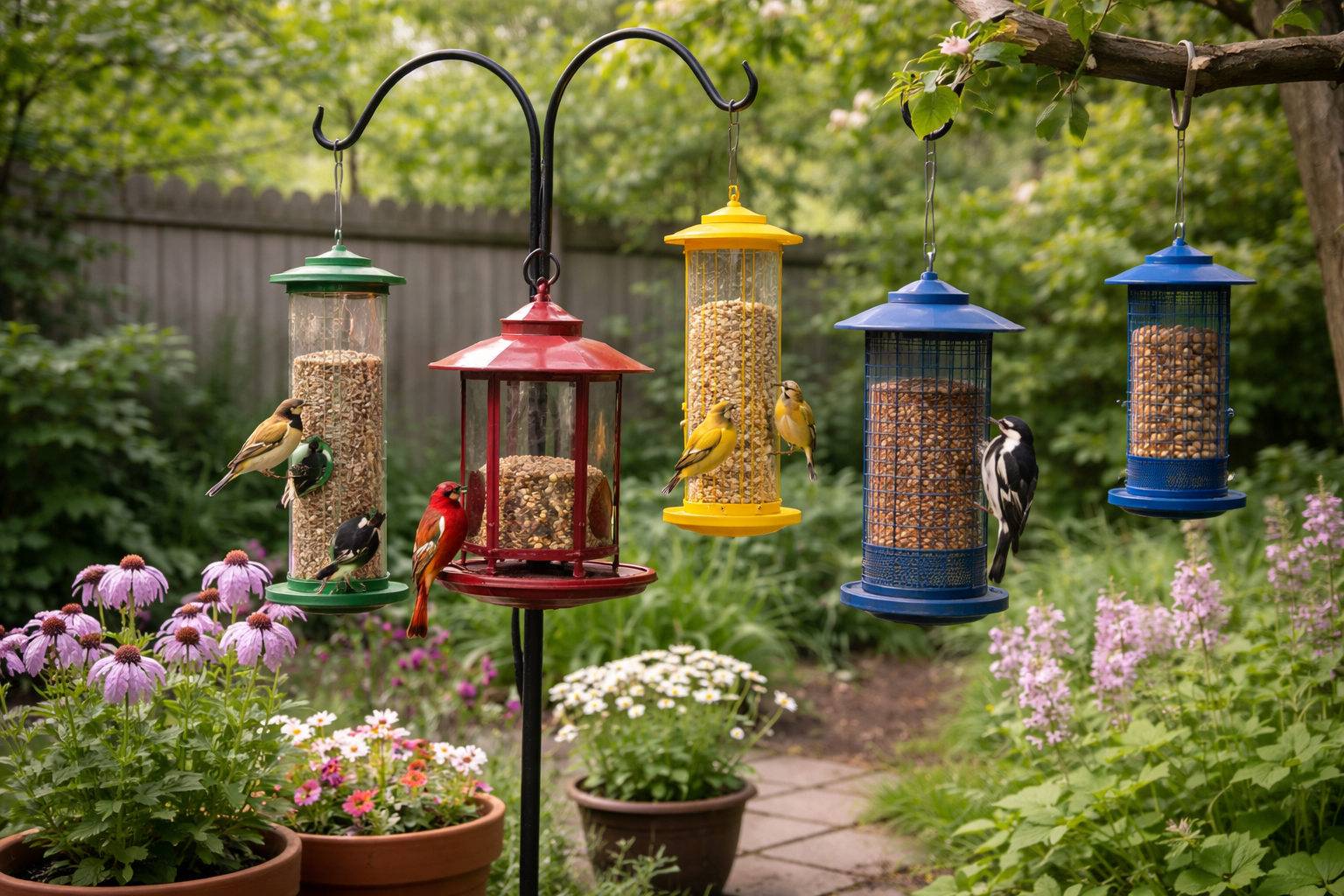
The fastest, simplest way to start attracting birds today is this: buy one quality hopper or tube feeder, fill it with black oil sunflower seeds, and hang it 4 to 10 feet from your nearest window at a height of about 4 to 6 feet off the ground. That single setup will bring in the widest variety of common backyard songbirds, costs under $40 to get started, and takes about 30 minutes to put together. Everything else, a second feeder, nyjer seed for finches, suet for winter, is optional and easy to add later once you see what birds are showing up.
How to Start Bird Feeding: A Beginner's Practical Guide
What to Buy and Set Up Today
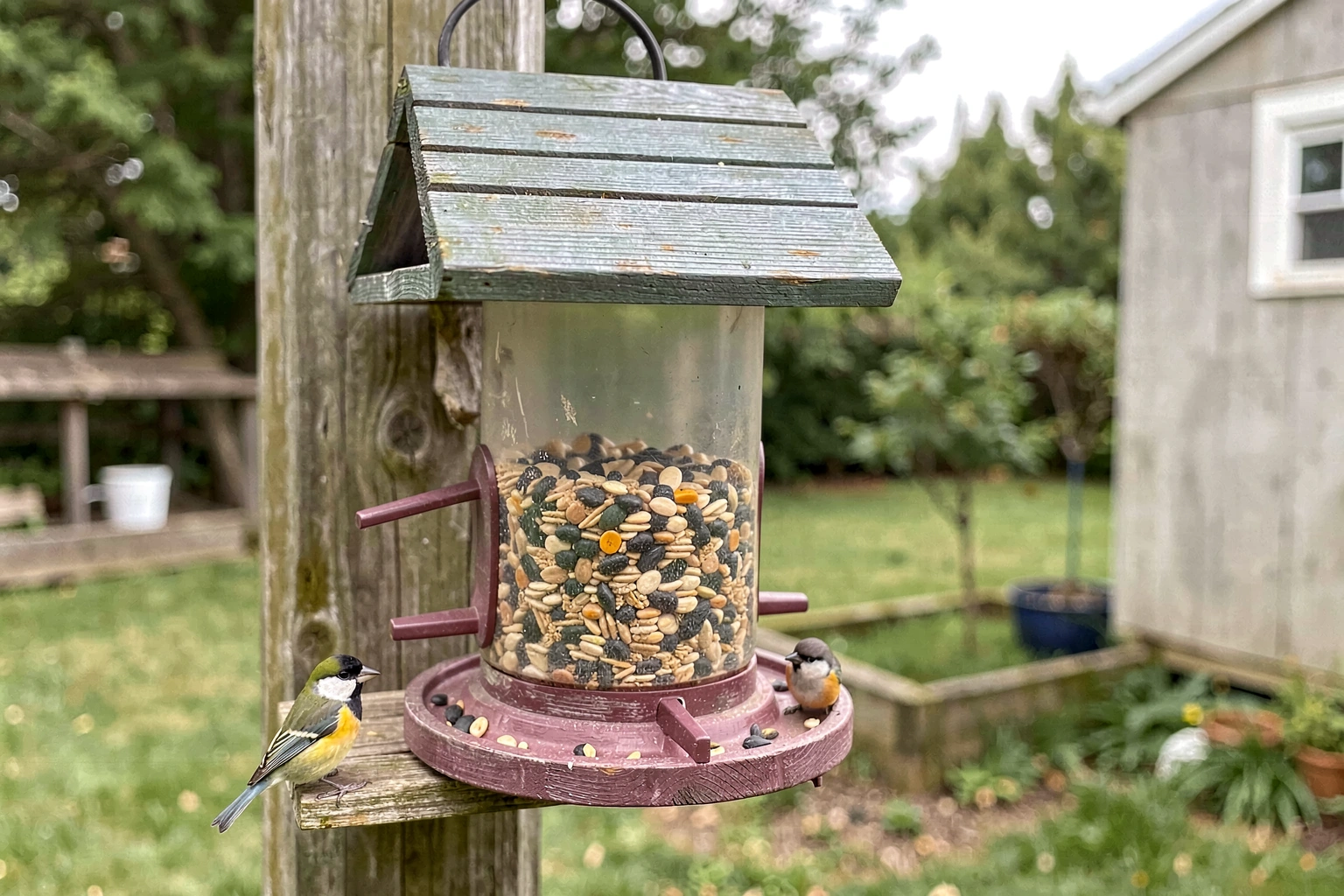
You really only need three things to get started: a feeder, a bag of seed, and a place to hang it. Resist the urge to buy a full kit with five different feeders and four seed varieties right away. That approach leads to wasted seed, more cleaning, and a lot of confusion about what's actually working. Start simple, watch what happens for a couple of weeks, and then expand from there.
| Item | Details | Approx. Cost |
|---|---|---|
| Hopper or tube feeder (1-2 qt capacity) | Good drainage holes, easy-open access for cleaning | $15-$30 |
| Black oil sunflower seeds (5-10 lb bag) | Straight sunflower seeds, not a mixed blend | $8-$15 |
| Feeder cleaning brush | Small bottle brush, mild dish soap | $5-$8 |
| Rodent-resistant seed storage container | Metal bin with tight-fitting lid | $15-$25 |
| Seed catch tray (optional) | Clips under feeder to reduce ground mess | $5-$10 |
Once you have everything, setup takes about 30 minutes. Assemble the feeder, fill it about two-thirds full with sunflower seeds (don't overfill on day one since you want to see how fast birds go through it), and mount it at your chosen spot. Give it a day or two before you expect visitors. Birds need time to notice a new food source, and in some yards it can take up to two weeks before regulars start showing up consistently. Don't panic and don't move the feeder around during that window.
Hopper vs. Tube vs. Platform: Which One Should You Start With?
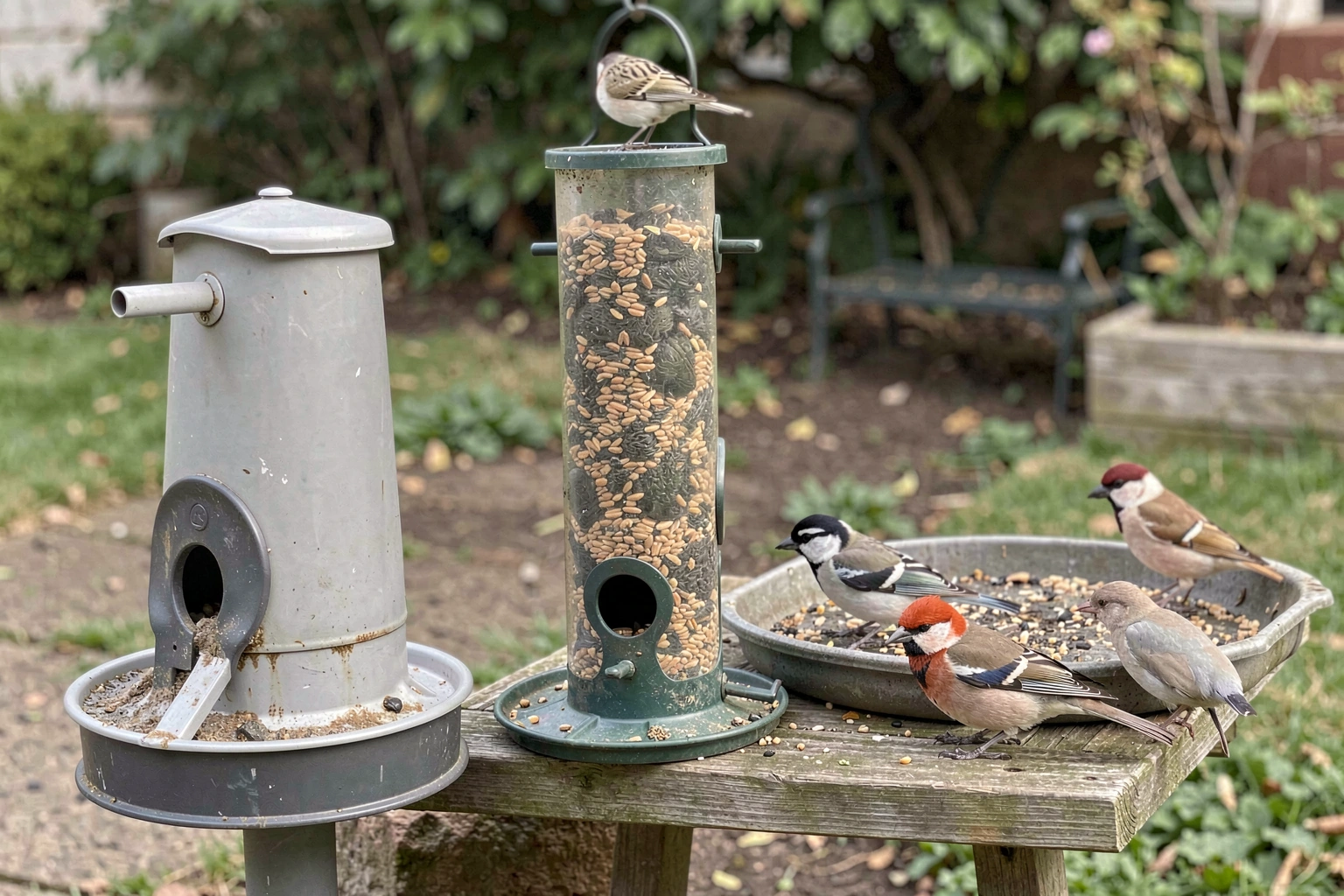
There are three feeder styles you'll see most often as a beginner, and they each have a real personality.
| Feeder Type | Best For | Pros | Cons | Beginner Pick? |
|---|---|---|---|---|
| Hopper | Broad range of songbirds | Holds more seed (1-3 qt), gradual dispensing, good weather resistance with roof overhang, easy to fill and clean | Moisture can cause mold if rain enters seed chamber | Yes, top recommendation |
| Tube | Smaller songbirds (chickadees, nuthatches, finches) | Keeps seed drier, enclosed design, multiple port sizes available | Ports can clog with sunflower shells, smaller capacity means more frequent refills | Yes, close second (especially in wet climates) |
| Platform/Tray | Ground-feeding species (juncos, doves, sparrows) | Inexpensive, versatile, attracts wide variety | Fully exposed to rain, seed molds quickly, attracts squirrels and rodents | No, better as a secondary feeder |
For most beginners, a hopper feeder is the best starting point. It holds enough seed to last several days, works for a broad range of species, and is easy to fill and clean. If you're in a very wet climate or want to attract smaller songbirds specifically, a tube feeder with good drainage is a close second. Either way, spend a little more upfront for a feeder made from durable materials like powder-coated metal or UV-resistant polycarbonate. Cheap plastic feeders warp, crack, and get moldy faster, and you'll end up replacing them within a season.
The One Seed That Does Most of the Work
Black oil sunflower seeds are the single best seed you can offer as a beginner, and honestly, for a lot of experienced feeders too. The shells are thin enough for small birds to crack open, the seeds are high in fat and protein, and nearly every common backyard songbird will eat them: cardinals, chickadees, nuthatches, finches, titmice, woodpeckers, and more. If you only ever buy one type of seed, make it this one.
Avoid cheap mixed seed blends, especially the ones with a lot of red millet, milo, or filler grains. Birds tend to toss those aside to get to the seeds they actually want, which means you end up with a pile of rejected seed on the ground that rots, attracts rodents, and creates a mess. The bag might look like a good deal, but you're paying for a lot of seed that won't get eaten.
| Seed Type | Best For | Notes | Use Now or Later? |
|---|---|---|---|
| Black oil sunflower | Cardinals, chickadees, nuthatches, finches, titmice, woodpeckers | High fat and protein, thin shells, universally accepted | Now (primary seed) |
| Nyjer (thistle) | Goldfinches, pine siskins | Requires a separate nyjer feeder with small ports | Later (expansion) |
| Safflower | Cardinals, some sparrows | Squirrels and starlings tend to dislike it; useful if pests are a problem | Later (optional swap) |
| Cheap mixed blends (red millet, milo, filler grains) | Few desirable species | Birds discard filler seeds; creates ground mess, mold, and rodent attraction | Avoid |
Storing Seed the Right Way
Seed storage matters more than most beginners expect. Seed that gets damp or sits too long goes rancid or moldy, and birds will stop visiting a feeder that smells off. Keep your seed in a metal container with a tight-fitting lid, stored in a cool, dry place like a garage or shed. A galvanized metal trash can with a locking lid works great and keeps rodents out. Buy seed in quantities you'll use within four to six weeks, and always check for clumping or a musty smell before filling the feeder.
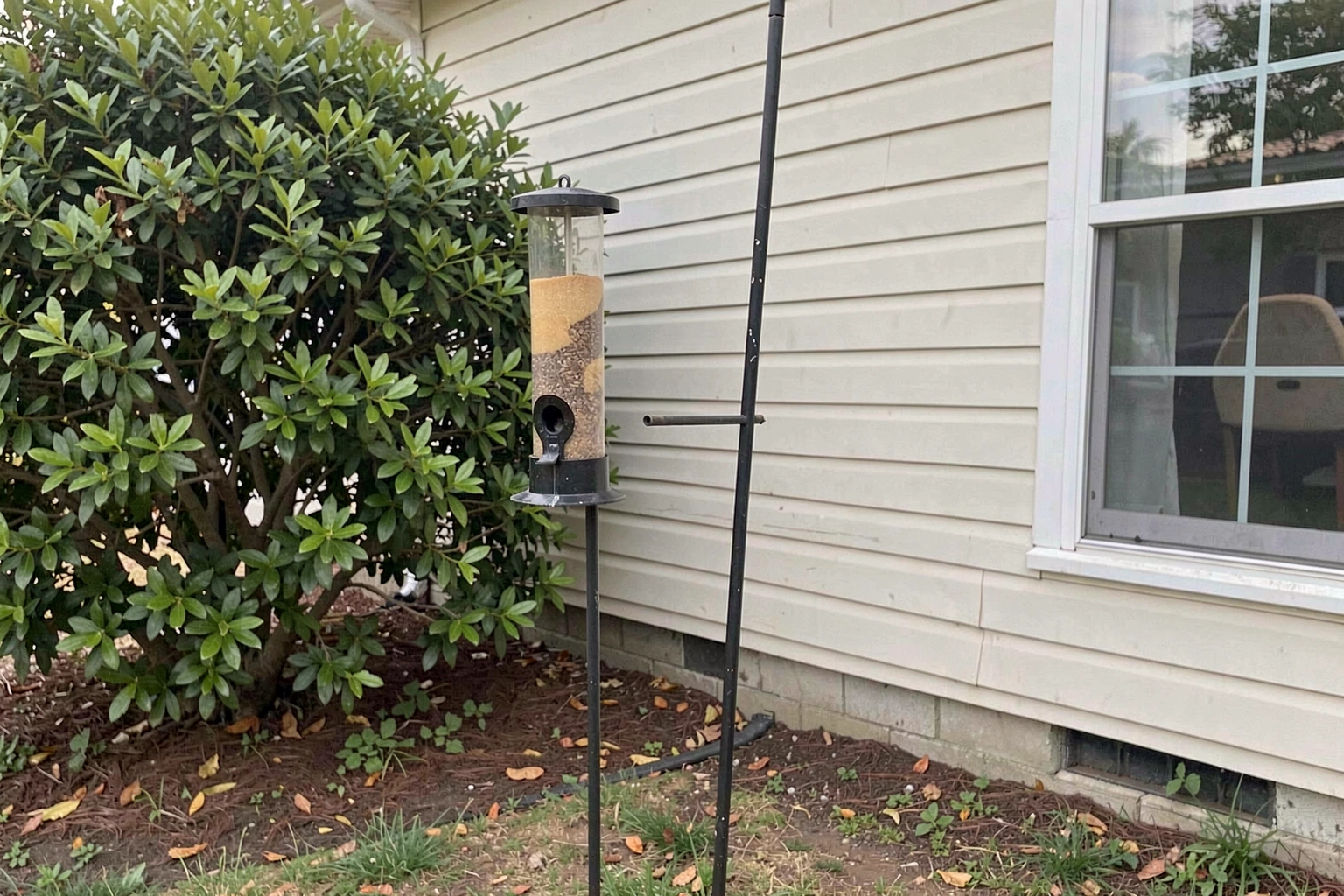
Where to Actually Put the Feeder
Placement is one of those things that sounds simple but has a few real rules worth following. Get it right and birds will find the feeder quickly and visit often. Get it wrong and you'll either see no birds or, worse, birds hitting your windows.
The Window Distance Rule
Window collisions are one of the leading causes of bird injury and death around homes, and feeders placed at the wrong distance make it worse. The safest placement is either very close to the window (within 3 feet, so birds can't build up enough speed to hurt themselves if they do hit) or far enough away that birds have time to redirect (more than 10 feet). The danger zone is roughly 4 to 10 feet from a window, which is unfortunately where a lot of people instinctively hang feeders. If you're in that range, try to move the feeder closer or farther, or apply window decals or tape to break up the reflection on the glass.
Height, Shelter, and Surroundings
| Placement Factor | Recommendation | Why It Matters |
|---|---|---|
| Height off ground | 4-6 feet | Safe from ground predators; easy to fill and clean without a ladder |
| Distance from windows | Under 3 feet or over 10 feet | Reduces fatal window collision risk |
| Nearby cover | Shrub, small tree, or fence within a few feet | Birds need a perch to wait their turn; bare open yards deter quick adoption |
| Overhead clearance | Avoid dense branches directly above | Prevents squirrels from dropping onto the feeder |
| Sun exposure | Morning sun preferred | Birds most active early; easier to observe from indoors |
| Wind and rain exposure | Avoid fully exposed, wind-hammered spots | Keeps seed dry and birds comfortable |
A little overhead shelter from a porch roof, tree canopy, or even a mounted baffle goes a long way toward keeping seed dry and birds comfortable.
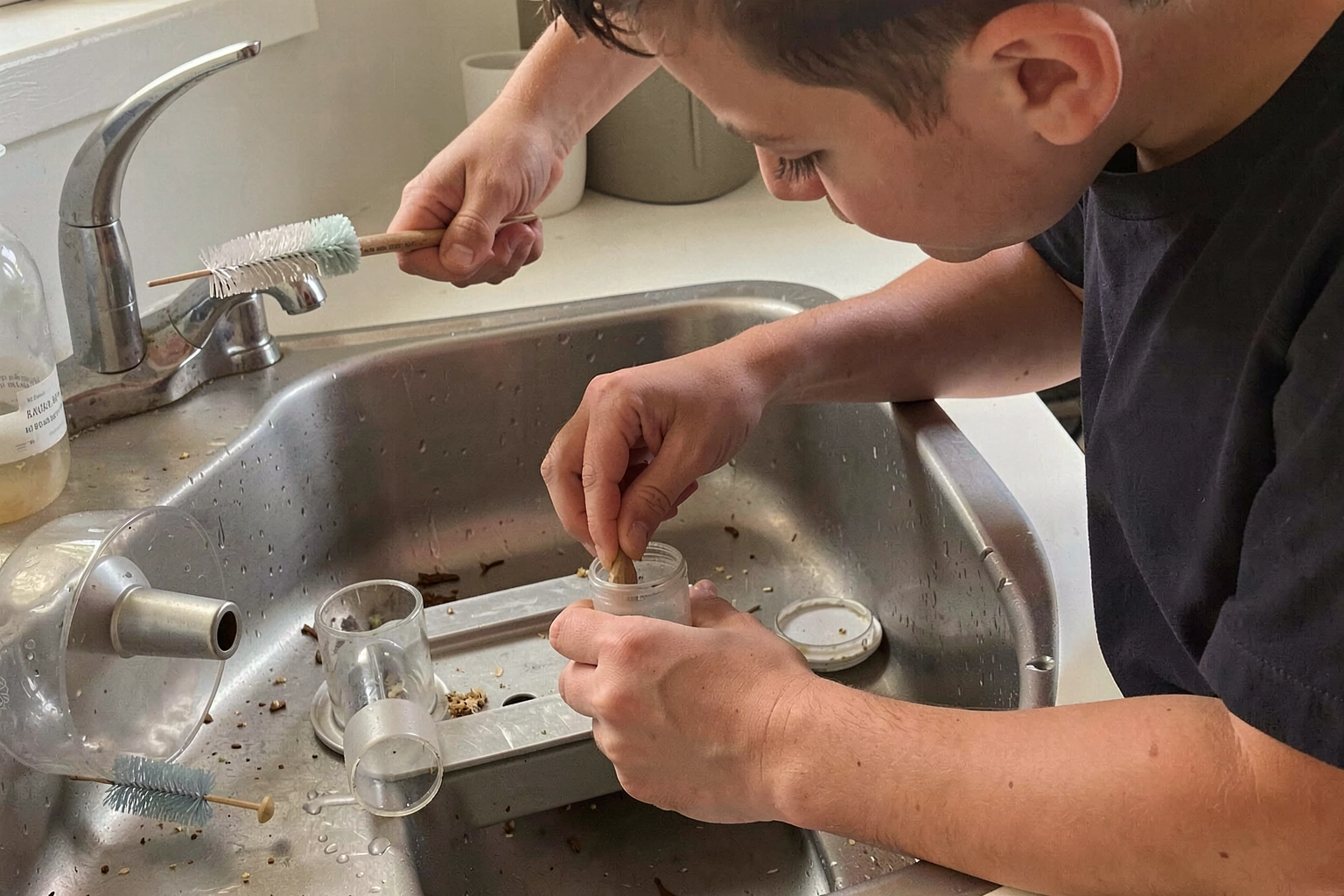
Keeping the Feeder Clean (and Why It Actually Matters)
This is the part most beginners underestimate. A dirty feeder isn't just unappealing, it can spread disease among birds. Salmonella and other bacterial infections can move through a bird population at a feeder, especially when wet seed sits and rots or droppings accumulate on perches and trays. The good news is that basic cleaning is quick and doesn't need to happen every week if conditions are dry.
A Simple Cleaning Routine That Actually Works
| Condition | Cleaning Frequency | Key Steps |
|---|---|---|
| Dry or low-humidity weather | Every 2-4 weeks | Empty feeder, rinse with warm water, scrub with brush and mild dish soap, rinse thoroughly, dry completely before refilling |
| Wet or humid weather | Every 1-2 weeks | Same as above; check drainage holes for clogs |
| Moldy, clumped, or foul-smelling seed found | Immediately | Empty and clean feeder right away; do not top off old seed |
| Ground below feeder | Every 1-2 weeks | Rake or sweep seed hulls and dropped seed to reduce mold and rodent attraction |
Drying is important: a damp feeder refilled with seed is a mold setup. Consider using a seed tray to catch most debris before it hits the ground. Some people put a small tarp or mat under the feeder to make cleanup even easier.
Signs That Something's Wrong
Watch for these warning signs and act on them quickly: seed that looks dark, clumped, or smells musty; birds that seem lethargic or are sitting on the ground near the feeder; a sudden drop in feeder activity after a period of regular visits; or visible mold or slime on the feeder surfaces. Any of these means it's time to clean the feeder immediately and replace the seed. If you notice sick-looking birds repeatedly, take the feeder down for a week or two to let the area clear out before putting it back up.
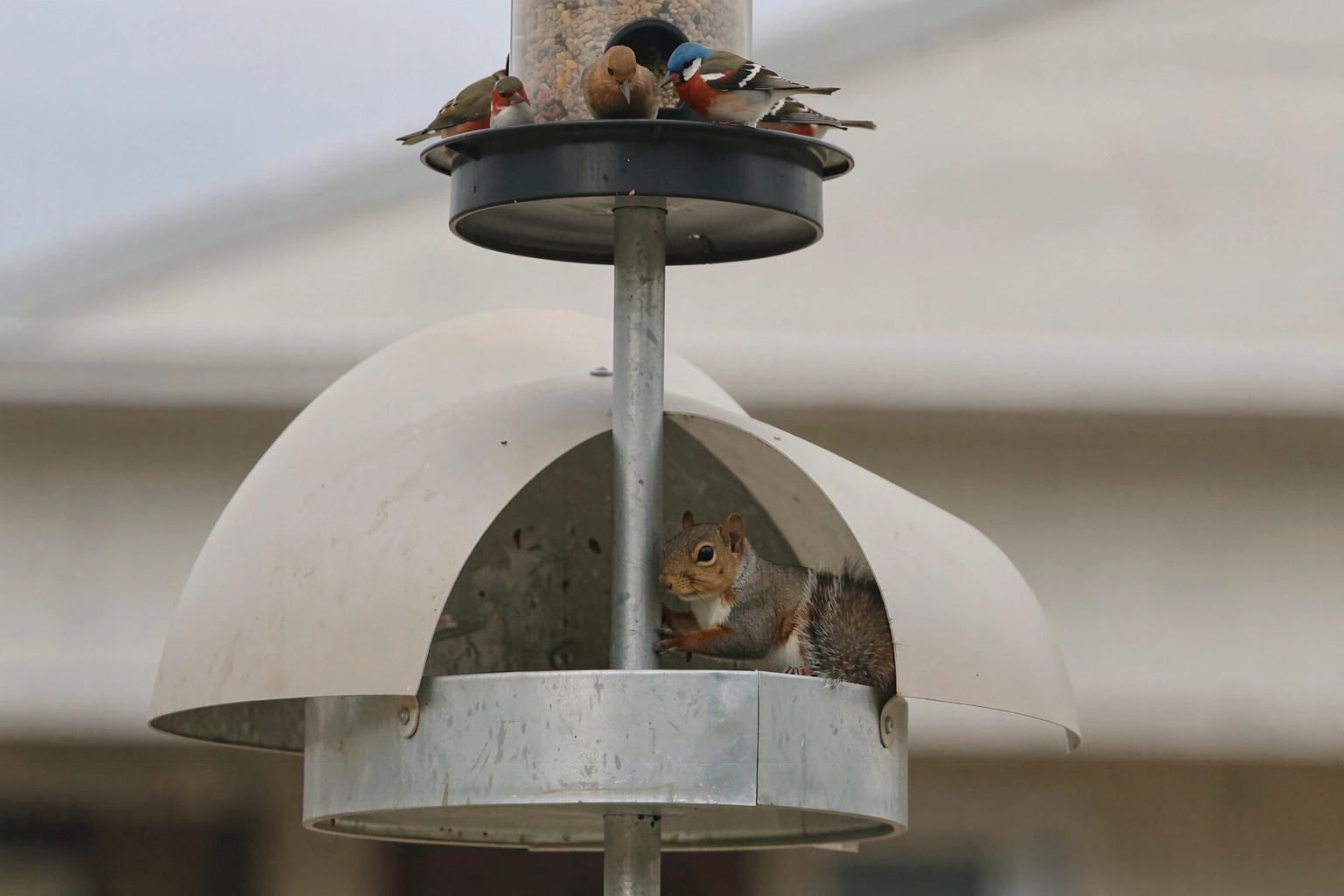
Dealing with Squirrels, Rodents, and Cats
Squirrels are the universal beginner frustration. They're persistent, clever, and will eat through a feeder's seed supply in a morning if you let them. The most effective solution is a squirrel baffle, which is a dome or cylinder that mounts on the pole or hanger above or below the feeder and physically blocks squirrels from reaching it. Pair that with a pole-mounted setup (rather than hanging from a tree branch) and you'll stop most squirrel access. Squirrel-proof feeders with weight-sensitive perches that close under a squirrel's weight are another solid option, though they cost more upfront.
Rodents are attracted to seed that falls on the ground, not usually to the feeder itself. A seed tray helps a lot, and so does sweeping up regularly. If you're seeing mice or rats near the feeder area, switch to a no-mess seed like hulled sunflower chips, which produce almost no shell debris on the ground. Store all seed in a metal container with a locking lid, never in a paper bag or plastic bin that rodents can chew through.
Outdoor cats are a serious threat to birds at feeders. If you have cats, keep them indoors, especially during peak bird activity in the morning. If neighborhood cats are an issue, position the feeder on a pole with a baffle so birds can't be ambushed from the ground, and make sure there's no dense ground cover right below the feeder where a cat could hide. It's also worth having a conversation with neighbors if their cats are regularly visiting your yard.
Adjusting by Season
| Season | Key Challenges | What to Do |
|---|---|---|
| Winter | Natural food scarce; birds need more calories | Add a suet cake feeder; check sunflower seed feeder more often as birds eat faster in cold weather |
| Summer | Heat speeds seed spoilage and mold | Check feeder more frequently; don't overfill; add a nectar feeder if hummingbirds are in your region |
| Spring/Fall | Migration brings new species | Good time to add a second feeder type or try nyjer seed to catch passing finches |
Suet is high in fat and attracts woodpeckers, nuthatches, and chickadees. It's cheap (usually $1 to $2 per cake) and easy to use with a simple wire cage feeder. For nectar feeders, use a 4:1 water-to-sugar solution (plain white sugar, no red dye needed) and clean every two to three days in hot weather since the sugar solution ferments quickly.
When Things Aren't Working
| Problem | Likely Cause | Fix |
|---|---|---|
| No birds after 2 weeks | Poor placement, lack of nearby cover, old or rancid seed, high foot traffic or noise nearby | Move feeder closer to natural cover; verify seed is fresh; reduce disturbance near feeder |
| Wet or moldy seed | Insufficient weather protection, clogged drainage holes | Add a weather guard dome; choose a feeder with deeper roof overhang; clear drainage holes |
| One bird hogging the feeder | Dominant species (house sparrows, European starlings) | Add a second feeder in a different location; switch to safflower seed; use a tube feeder with short perches to favor smaller birds |
| Squirrels emptying the feeder | No physical barrier | Install a squirrel baffle on the pole; switch to a weight-sensitive squirrel-proof feeder |
| Rodents below the feeder | Seed debris on the ground | Use a seed catch tray; switch to hulled sunflower chips; sweep area regularly |
What This Actually Costs
Getting started doesn't have to be expensive.
| Stage | Item | Approx. Cost |
|---|---|---|
| Starter setup | Hopper or tube feeder | $15-$30 |
| Starter setup | 10 lb bag of black oil sunflower seeds | $8-$15 |
| Starter setup | Cleaning brush | $5-$8 |
| Starter setup | Metal seed storage bin | $15-$25 |
| Starter setup total | $43-$78 | |
| Ongoing | Seed replenishment | $10-$20/month |
| Expansion (optional) | Nyjer feeder for finches | $10-$20 |
| Expansion (optional) | Suet cage feeder | $3-$8 |
| Expansion (optional) | Suet cakes | $1-$2 each |
| Expansion (optional) | Hummingbird nectar feeder | $10-$25 |
None of this needs to happen all at once. Add one thing at a time, see what birds respond to it, and build from there. The hobby scales as slowly or as quickly as you want it to.
A Few Things Worth Doing Right
Bird feeding is genuinely good for local wildlife when done responsibly, but there are a few habits worth building from the start. Keep feeders clean on a regular schedule, not just when they look dirty. Use fresh seed and don't let old seed sit in the feeder for weeks. Keep cats indoors or secured. If you notice sick birds at your feeder, take it down temporarily to prevent disease spread. And check whether your area has any local regulations or seasonal advisories about feeding wildlife, especially in regions where bears or other large animals might be attracted to feeders.
One more thing: the birds you'll see depend heavily on where you live. A feeder in the Pacific Northwest will attract different species than one in the Southeast or the Midwest. Before you get too deep into seed choices and feeder types, it's worth spending five minutes looking up which birds are common in your region. The Cornell Lab of Ornithology's free eBird tool and the Audubon Society's bird guides are both excellent for this, and knowing what to expect makes the whole experience a lot more satisfying.
Your Next Move After Reading This
Set up the feeder this week. Pick a spot, hang it, fill it with black oil sunflower seeds, and then leave it alone for two weeks while you watch. Keep a simple note on your phone: the date you set it up, what seed you used, and which birds you see. That log will help you make smarter decisions when you're ready to add a second feeder or try a new seed type. Most people who start with one feeder end up with three or four within a year, not because they planned to, but because watching birds is genuinely enjoyable and the hobby grows naturally. Start simple, pay attention, and let the birds tell you what to do next.
FAQ
What is the fastest, simplest way for a beginner to start attracting birds today?
Set up a single durable seed feeder (hopper or tube) filled with black oil sunflower seeds and hang it 4–6 feet high, 4–10 feet from the nearest window, preferably in a sheltered spot. Keep the setup small for the first 1–2 weeks to let birds discover it; once you see regular visitors, you can add a second feeder or suet for more species.
Which feeder type should I start with: hopper, tube, or platform?
Pick a model that is weather resistant and easy to clean. A hopper handles a variety of birds and needs less frequent refilling, while a tube feeder suits small songbirds and can be easier to clean. Avoid platforms initially if you want to minimize spill and ground mess.
When should I add nyjer seed, and what do I need for it?
Add nyjer later if finches start visiting. It requires a dedicated nyjer feeder with small ports, so keep it separate from the main sunflower feeder to avoid crowding and wasted seed.
Where should I place the feeder to reduce window collisions?
Choose either a spot very close to a window (about 3 feet or less) so birds crash at low speed and redirect, or place it more than 10 feet away so they have time to adjust. Maintain a height of about 4–6 feet and use window decals if you keep it within 4–10 feet.
How often should I clean the feeder, and what steps should I take?
In dry weather, clean every 2–4 weeks using warm water and mild dish soap, then rinse and dry completely before refilling. In wet periods, clean every 1–2 weeks and check drainage holes to prevent clogs. If you notice mold, clean immediately and discard affected seed.
What are common beginner mistakes to avoid?
Avoid overloading with multiple feeders and seed types at once, skip storing seed in unprotected containers, don’t neglect cleaning, and don’t place feeders where cats can easily reach or where ground debris attracts pests.
No birds after two weeks? What should I adjust?
Reassess shelter and cover nearby, verify seed is fresh and dry, and minimize nearby disturbances. If activity remains low, try a different seed type or add a suet cake, and consider installing a second feeder away from the first.
How should I budget and scale the setup over time?
Start with a modest starter kit (feeder + seed + cleaning tools) for roughly forty dollars. Plan to add one new element, like a second feeder type or suet, every few weeks if birds respond, and budget ongoing seed costs based on local activity.
How can I deal with pests like squirrels or rodents?
Use a squirrel baffle or a weight-sensitive feeder to deter squirrels; store seed in a rodent-proof container; use a seed tray to catch spilled seed and reduce ground clutter; keep cats indoors or away from the feeding area.
What seasonal tweaks help keep birds visiting all year?
In winter, add suet or high-fat foods and monitor feed more often; in hot months, provide shade and ensure good drainage; during migration, consider a second feeder type to attract a broader range of species.
What should I track to improve my setup over time?
Keep a simple log with the setup date, seed type, birds observed, and any issues (mold, pests, low activity). Use it to inform adjustments to height, distance, or seed choices and to decide when to expand.
Next Article
What Colour Bird Feeders Are Best and Why
An evidence-informed, practical guide to choosing feeder colours by type, garden context, and safety, with actionable steps for immediate use.