Introduction
Choosing a bird feeder is about more than style and seed. The material a feeder is made from drives how long it lasts, how easy it is to clean, how it handles weather, and how it affects seed quality. This guide pulls together manufacturer guidance, wildlife extension perspectives, and safety considerations to help amateur gardeners and backyard bird enthusiasts select, use, and care for feeders that perform well in their setting, budget, and local birdlife. Readers will move from understanding the material landscape to making an informed choice tailored to climate, maintenance tolerance, and sustainability goals, followed by practical care routines that keep birds healthy and feeders productive.
Material landscape
A quick-reference view helps frame the deeper dives that follow. The table captures common material families, typical forms, and broad pros and cons without overclaiming numeric values. Not every attribute applies to every product, so use this as guidance while checking the specific feeder’s manufacturer data.
| Material family | Typical feeder forms | Durability and weather resistance | Maintenance and cleaning | Food-safety considerations and coatings | Sustainability and recyclability | Typical cost tier |
|---|---|---|---|---|---|---|
| Plastics (HDPE, polypropylene, acrylic, polycarbonate) | Hopper, tube, tray, suet cups | UV-stability varies; some plastics resist heat and cracking, others may warp in heat or become brittle | Generally easy to clean with soap and water; clear plastics show buildup | Look for food-contact safety certifications; avoid paints with toxins; check for non-toxic seals | Often recyclable; recycled-content options exist; end-of-life depends on local streams | Low to mid |
| Metals (aluminum, steel, stainless, galvanized) | Tube, cyclone, platform with metal parts | Highly durable; stainless and coated aluminum resist corrosion; galvanized steel requires coatings in salty or humid environments | Clean with brushes and mild detergents; coatings may require periodic refresh | Hardware should be lead-free; coatings should be non-toxic; avoid porous finishes | Highly recyclable; long life can offset higher upfront cost | Mid to high |
| Wood (cedar, redwood, pine; treated vs untreated) | Platform, hopper with wooden panels, mixed-material feeders | Cedar/redwood rot-resistant when untreated, pine less durable; treated wood lasts longer but may raise safety questions | Natural wood requires thorough drying and regular resealing or painting; potential for warping | Untreated wood is preferred for food-contact zones; check for finishes that are bird-safe | Renewable resource; depends on sourcing and treatment; some options are reusable longer with proper care | Mid |
| Ceramics/composites | Platform feeders, decorative accents | Very durable when fired or properly fused; brittle in impact-prone settings | Heavy but stable; cleaning may require gentler techniques | Glazes and composites should be non-toxic; verify lead-free firing | Often not easily recycled; some composites made from recycled materials | Mid to high |
| Glass | Rare but present in some decorative or specialty feeders | Fragile; stays cool in heat but breaks with impact | Cleaning is straightforward but need care to avoid breakage | Glass is inert but adhesives and fittings must be bird-safe | Often recyclable depending on local streams | High |
| Blends/resins | Some all-in-one feeders, reinforced plastics | Varies; blends seek a middle ground between plastics and composites | Cleaning moderate; may stain or craze with sun exposure | Verify food-contact safety; coatings should be non-toxic | Mixed recyclability; depends on blend composition | Mid |
Plastic families
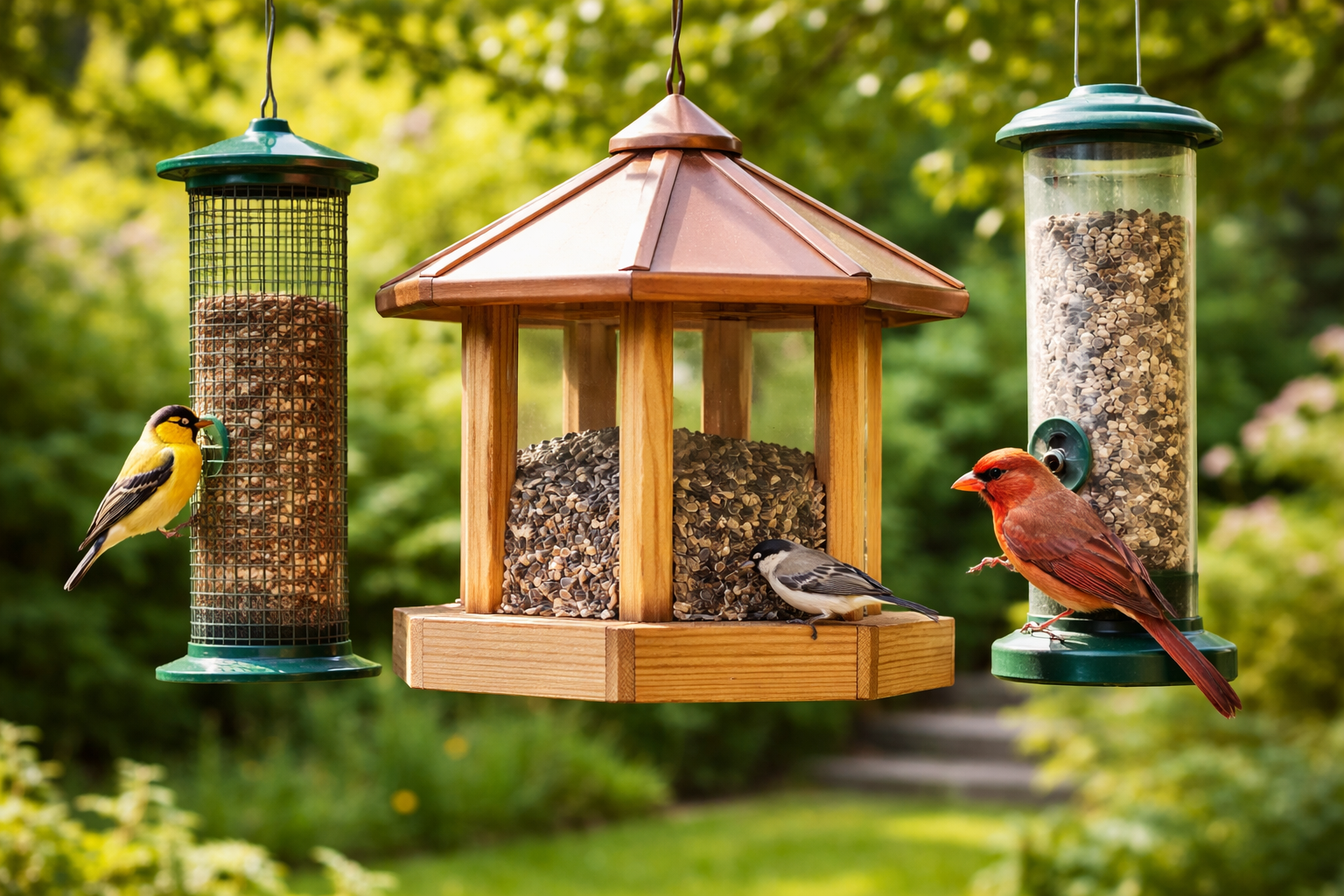
Plastics cover HDPE, polypropylene, acrylic, and polycarbonate. HDPE is common for hopper and tube feeders due to its light weight and broad availability. Polypropylene offers heat resistance that can help in warmer climates, while acrylic provides clear visibility of seed and feed levels. Polycarbonate is highly impact resistant and UV-stable in many formulations, but price and clarity can vary. Across all plastics, the key safety considerations are food-contact safety certifications and the presence or absence of coatings or paints that birds could encounter. In practice, many consumers prioritize UV-stabilized options to minimize cracking and discoloration, and prefer designs with easily removable parts for cleaning.
Metals
Metal feeders frequently use aluminum for light weight and corrosion resistance, steel for affordability, stainless steel for maximum durability, and galvanized steel where a rugged budget option is acceptable. Finishes such as powder coating or electroplating can dramatically extend life in wet or coastal environments. Metal feeders tend to retain seed quality better in humid or wet conditions when well-sealed, but joints and seals need attention to prevent moisture intrusion.
Wood
Rot-resistant species like cedar and redwood are favored for their natural resistance to decay, while pine is more economical but less durable without treatment. Treating wood can extend lifespan but may introduce wildlife-safety considerations; many birders prefer untreated wood where seed contact occurs and rely on protective finishes that are proven safe for birds. Regular maintenance is often required to prevent cracking and splitting, which can invite mold or moisture intrusion.
Ceramics, glass, and blends
Ceramics and glass offer attractive, easy-to-clean surfaces but introduce weight and fragility concerns. Composites and resin blends can blend the best traits of plastics and natural fibers, but verify the specific material’s safety and weather performance. In general, the most important safety checks are for non-toxic glazes, appropriate food-contact grades, and safe hardware connections.
Deep dives by material
Plastic and HDPE
Plastic feeders cover a broad spectrum from simple hopper designs to clear tube feeders. HDPE is common due to its balance of price and durability. Pros include light weight, ease of cleaning, and variable color options. Cons can include UV-related degradation if the plastic is not UV-stabilized and the potential for seed to heat up in bright sun if the design traps heat. For climate considerations, UV-stabilized plastics tend to extend service life in hot sun, while some low-cost plastics may warp or crack in extreme heat.
Maintenance for plastics is straightforward: wash with mild soap and water, rinse well, and dry thoroughly to prevent mold. Look for feeder bodies with removable seed trays and accessible ports to simplify cleaning. Safety concerns center on food-contact compliance and the absence of toxic coatings on the interior and exterior; manufacturers often advertise FDA-compliant plastics or food-safe finishes. Environmentally, HDPE and polypropylene are widely recyclable where local streams accept them, and recycled-content options exist from several vendors. Cost is generally in the low to mid range, with premium features elevating prices.
Polycarbonate, Acrylic and Other Transparent Plastics
Polycarbonate and acrylic feeders offer visibility that helps homeowners monitor seed levels. They can be more impact resistant than plain acrylic, but some formulations may crack with long UV exposure or rapid temperature changes. Polycarbonate tends to be a sturdier choice for regions with high wind or where feeders take occasional knocks from branches or pets. Cleaning remains easy, but crystal-clear plastics may show seed residues more readily, encouraging more frequent cleaning.
Metals
Aluminum feeders strike a balance of light weight and corrosion resistance, especially when finished with powder coatings designed to resist chipping. Stainless steel is the top tier for durability and longevity, particularly in coastal environments or regions with high humidity. Galvanized steel offers a robust, budget-friendly option but may require protective coatings to battle rust in salty air. When shopping for metal feeders, confirm that the hardware is lead-free and that coatings are non-toxic. Maintenance involves periodic inspection of seals, joints, and coatings, as well as cleaning to remove mold and seed debris that can corrode over time.
Wood
Wooden feeders bring natural warmth and a traditional look. Cedar and redwood are known for rot resistance, while treated pine lasts longer but may carry concerns about chemical exposure to birds. If choosing wood, prioritize designs that minimize exposed wood contact with seeds or use non-toxic finishes. Maintenance includes regular resealing or repainting with bird-safe finishes and monitoring for warping or cracking that could create seed pockets or mold growth. From an environmental perspective, wood is renewable, but the overall footprint hinges on sourcing, treatment, and end-of-life disposal.
Ceramics, glass, and blends
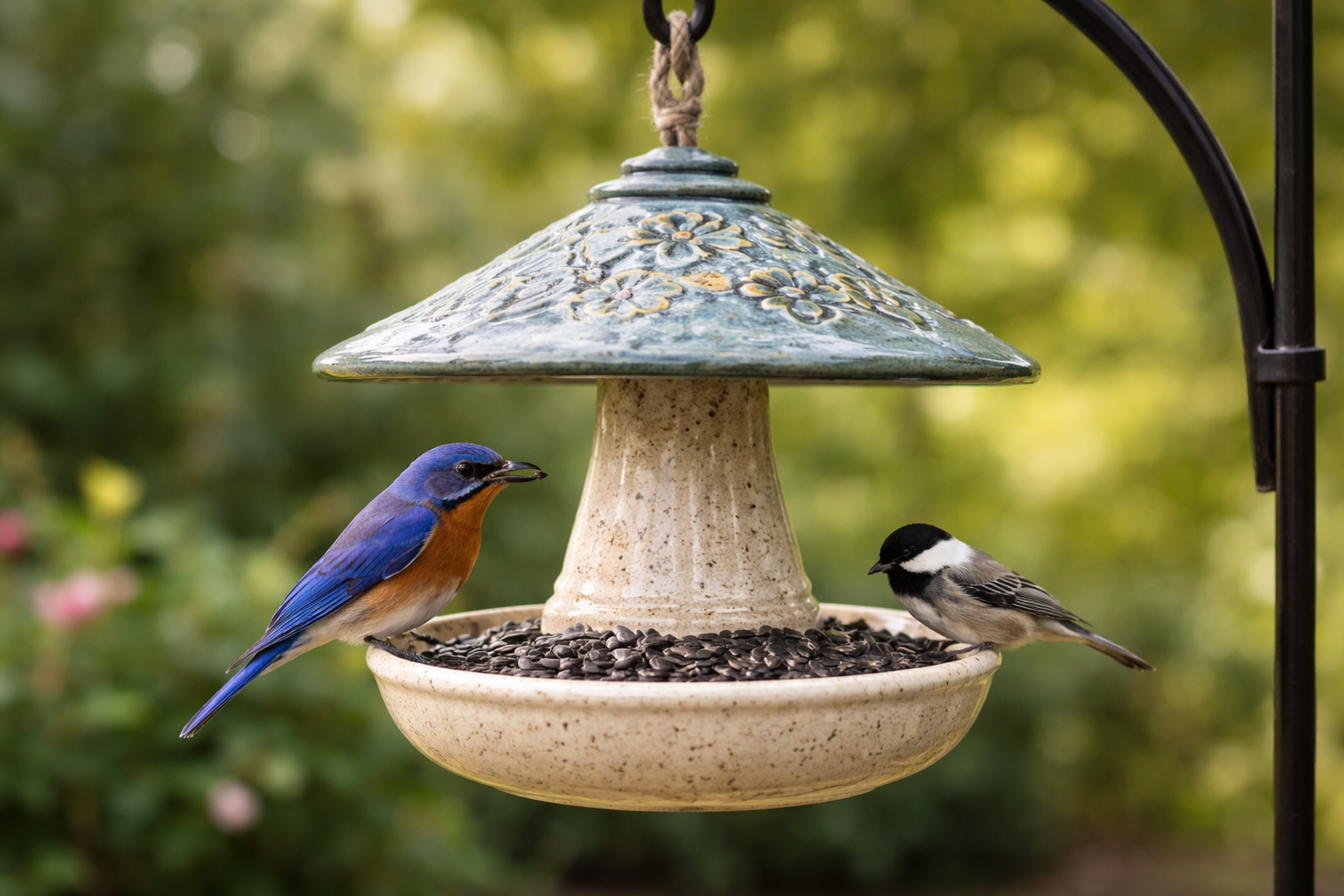
Ceramic or ceramic-coated feeders can be quite durable in sheltered conditions but are heavier and more fragile in windy locations. Glass feeders are uncommon but exist in decorative lines; they share the same fragility concerns as ceramic in field conditions. Blends and resins attempt to combine ease of cleaning with resilience, but always verify the safety of glazes and finishes for food contact and bird exposure.
Safety, coatings, and bird health
Bird safety begins with non-toxic hardware and coatings. Avoid feeders with lead-bearing hardware and question finishes that could wear off and contaminate seed or water. For any painted or coated surface, verify that the coating is explicitly labeled safe for bird contact and food contact, and avoid solvent-based finishes that could off-gas near feeding areas. Hardware should be corrosion-resistant, especially in humid or coastal climates, to prevent rusty metal shards and seed-contact contamination. When cleaning, use bird-safe cleaners and ensure rinsed surfaces are dry before reloading, reducing the risk of mold growth and seed spoilage.
Coatings and finishes can complicate safety. Powder coatings are generally preferred for metal feeders because they form a durable, non-toxic barrier. For plastics, avoid additives with questionable safety profiles and seek products that declare food-contact compliance. When in doubt, choose products from brands with clear safety data sheets and customer support that can answer material-safety questions.
Maintenance and longevity by material
Maintenance routines align with material behavior. Plastics benefit from frequent cleaning to minimize mold and seed residue; UV-stable plastics extend life in bright sun. Metals require periodic inspection of joints and finishes to prevent moisture intrusion; stainless and aluminum with proper coating tend to resist corrosion longer. Wood requires regular resealing and careful drying to prevent rot and cracking. Ceramics and blends require gentle handling to avoid chipping and careful protection from freeze-thaw cycles. Glass feeders demand careful placement to reduce breakage risk but can be easy to clean and resistant to staining.
Longevity factors include climate, exposure to elements, and maintenance discipline. A feeder kept clean, dry, and free from cracks in its housing will perform longer, regardless of material, but some environments demand specific choices. For hot, sunny climates, materials with strong UV resistance and good heat dissipation help keep seed quality stable. In coastal regions, corrosion resistance and sealed joints are essential. In cold regions, drainage and freeze-thaw tolerance reduce cracking and seed spoiling.
Environmental impact and sustainability
Sustainability considerations span recyclability, recycled content, and end-of-life options. HDPE and polypropylene plastics are widely recyclable in many locales, while aluminum and stainless steel are highly recyclable with long useful lives that can offset higher upfront costs. Cedar and redwood are renewable, but the environmental footprint depends on sourcing, treatment, and disposal. Ceramics and glass are recyclable in many communities, though some ceramic materials may not be accepted in standard streams. Blends and some composites may be more challenging to recycle, so consider the availability of local recycling streams when evaluating end-of-life options.
When shopping, look for feeders that disclose material sources, recycling options, and any recycled-content claims. Opt for brands that show a commitment to safer coatings and non-toxic construction, aligning with broader sustainability goals.
Climate-specific guidance and placement tips
Hot sun, high humidity, and salt spray each require different strategies. In hot sun, UV-stable plastics or metal feeders with protective coatings help preserve seed quality and color. In humid or rainy climates, solid construction with good drainage and accessible cleaning features reduces mold risk. In coastal areas affected by salt spray, stainless steel and anodized aluminum offer superior corrosion resistance, and shaded placements minimize UV exposure that can degrade seed oils. In extreme cold, feeders with good drainage and sealed seams prevent water ingress that could freeze and crack components. Placement matters as well. Elevate feeders to reduce ground moisture exposure, provide some shading, and maintain spacing to minimize crowding, which can heighten disease risk. Clean feeders before winter or seasonal storage to prevent overwintering pathogens and ensure birds have access to fresh seed when the season returns.
Buying guide and decision framework
Choosing a feeder is a balance of climate, budget, species, and maintenance tolerance. A practical framework helps determine the best material for a given reader:
- Start with climate: hot sun or frequent rain favors UV-stable plastics, metal with coatings, or rot-resistant wood that is sealed regularly. Coastal or humid climates favor corrosion-resistant metals. Extreme cold demands robust drainage and freeze-thaw resistance.
- Consider maintenance capacity: if you prefer minimal upkeep, durable metals with strong seals or high-quality plastics with removable parts are advantages. If you enjoy DIY maintenance and a natural look, rot-resistant wood can be appealing with regular upkeep.
- Assess bird species and feeding patterns: seed preferences and pest pressures can influence design features like drainage, perches, and tray depth.
- Budget and lifecycle: initial cost versus long-term durability; higher upfront cost often pays off with longer service life in demanding climates.
For a quick reference, here is a compact ranking to guide shopping in common scenarios. Not all factors apply to every product, but this framework helps narrow choices quickly.
- Hot, sunny, average humidity: Plastic with UV-stable formulation or coated metal; cedar with protective finish is acceptable if maintained; expect higher maintenance to prevent warping or cracking in sun.
- Coastal or salty air: Stainless steel or galvanized steel with corrosion-resistant finishes; aluminum with protective coating works well; ensure hardware is lead-free.
- Cold, snowy, and windy: Materials with strong drainage and freeze-thaw tolerance; metal and polycarbonate designs with robust seals; wooden designs require sealing and monitoring for cracking.
- Budget-conscious and beginner-friendly: HDPE or polypropylene plastics; basic aluminum feeders with simple hardware; wood options if sourced sustainably and maintained.
Before you buy, verify: food-contact safety labeling, lead-free hardware, ease of disassembly for cleaning, availability of replacement parts, and the manufacturer’s maintenance guidance. A simple checklist can help you compare options quickly in-store and online.
Quick-reference material ranking by climate
| Climate emphasis | Best material options | Notes | Typical maintenance tendency |
|---|---|---|---|
| Hot sun | UV-stable plastics, aluminum, stainless steel | UV protection extends life | Regular cleaning, shade planning |
| Humid/rainy | Sealed plastics, coated metals, rot-resistant wood with sealant | Drainage and drying crucial | More frequent resealing or coating refresh |
| Salt spray/coastal | Stainless steel, anodized aluminum, coated metals | Corrosion resistance is key | Inspect for coating wear, dry after rain |
| Extreme cold | Durable metals, polycarbonate | Freeze-thaw tolerance matters | Empty seeds during deep cold to prevent moisture buildup |
If you want a simple recommendation: for most beginner to intermediate readers in varied climates, a coated aluminum or stainless steel feeder with easy-to-remove parts offers a reliable blend of durability and maintenance ease. In hot climates, UV-stabilized plastics remain a solid option for budget-friendly, low-maintenance setups, especially when paired with regular cleaning. For a natural aesthetic and long-term value in sheltered sites, rot-resistant wood with safe finishes remains appealing, provided maintenance follows a consistent schedule.
Do-it-yourself notes and safety considerations
DIY plastic or wood feeders can be viable in some cases, especially for hobbyists who want a customized look or specific feeding layouts. When building DIY projects, use food-safe plastics and rot-resistant wood, and avoid toxic finishes or untreated materials near seed deposits. For safety, harden all hardware and ensure perches and seed trays are smooth and free of splinters. Sourcing safe, non-toxic materials is critical for DIY projects that will be placed where birds feed and interact.
Maintenance routines and lifecycle by material (summary)
- Plastics: clean regularly with mild soap; inspect for UV cracking; replace if cracking or pitting occurs; recycle where streams allow.
- Metals: clean to prevent rust; reseal or repaint as needed; monitor hardware for wear; recycle at end of life.
- Wood: reseal or repaint periodically; dry completely after cleaning; replace if rot or cracks appear; consider disposal via local yard waste streams.
- Ceramics/composites: gentle cleaning; avoid impact damage; consider replacement when glazing shows wear; recycle options depend on local facilities.
- Glass: handle carefully; assess for chips; replacement may be necessary if cracking continues.
FAQ
Frequently Asked Questions
Conclusion and quick takeaways
Material choice matters as much as seed selection when it comes to performance, safety, and environmental impact. Prioritize UV-stable plastics or corrosion-resistant metals in demanding climates, choose rot-resistant wood with reliable finishes if you value aesthetics and a traditional look, and always verify food-contact safety and lead-free hardware. With a clear framework and a practical maintenance plan, readers can select a feeder that not only looks good in the garden but also supports healthy birds for years to come.