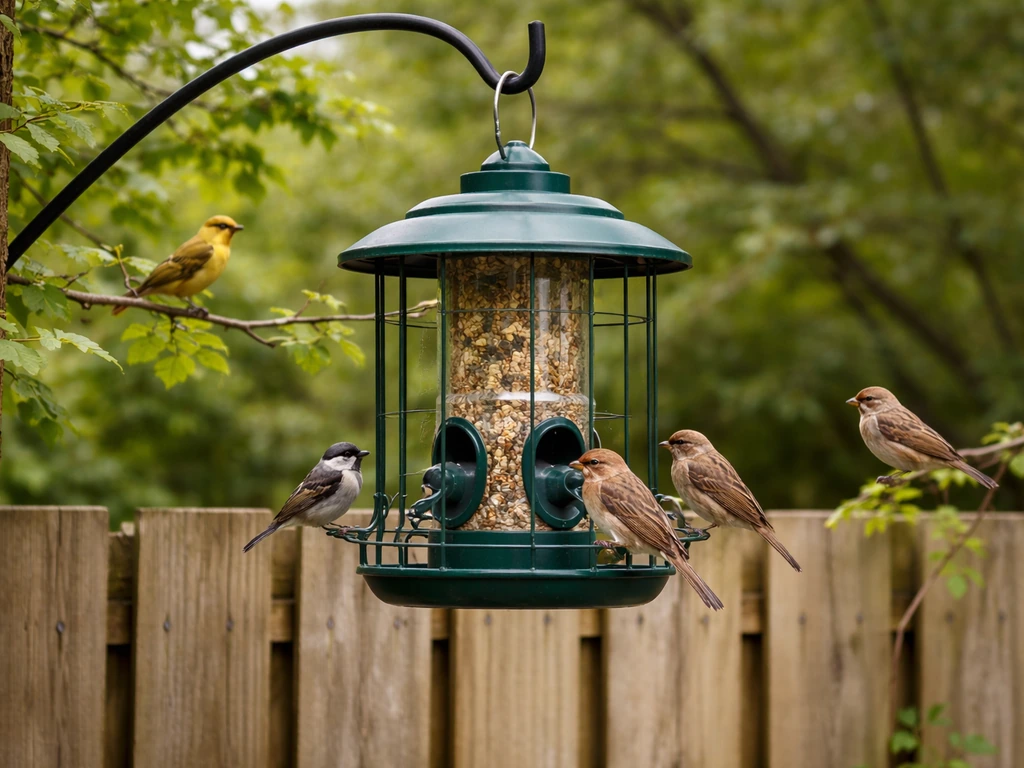
No single feeder truly works for every bird species, but one feeder comes closer than anything else: a large hopper feeder filled with black-oil sunflower seed. That combination covers the widest slice of common backyard birds, including chickadees, cardinals, nuthatches, titmice, jays, and finches. If you only buy one feeder today, that is the one to start with. The rest of this guide explains exactly how to set it up, what it misses, and how to fill those gaps without turning your yard into a circus.
Best Bird Feeder for All Birds: One-Feeder Guide
Marcus Holloway
4 Jul 2026
What 'all birds' actually means in a backyard context
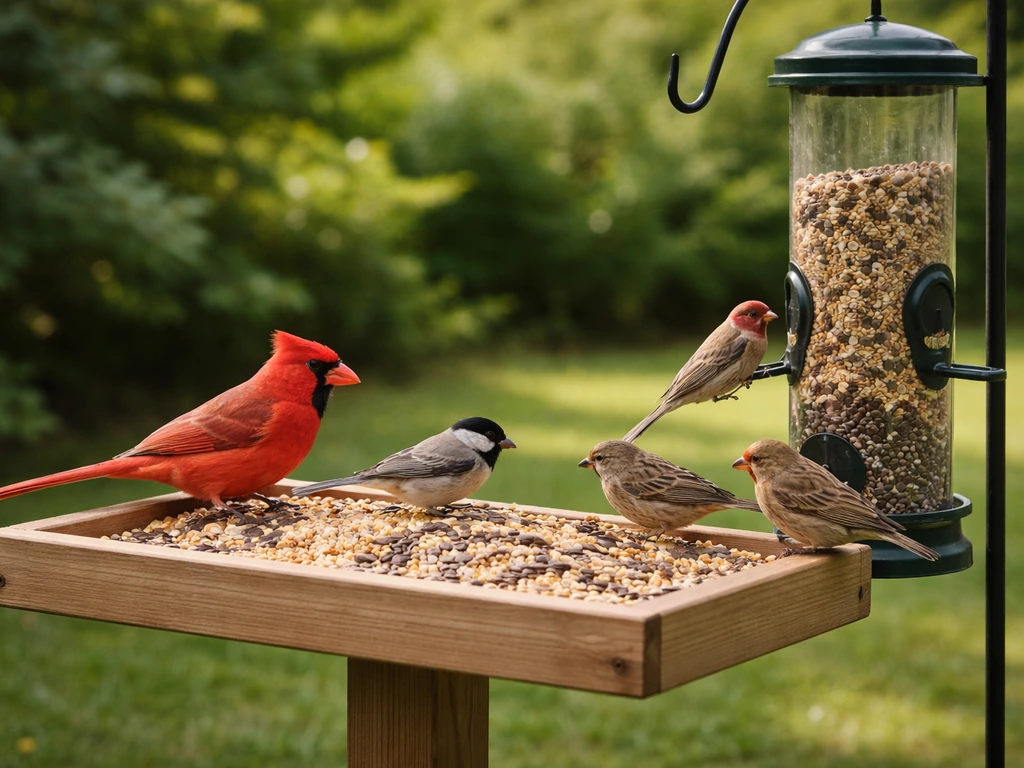
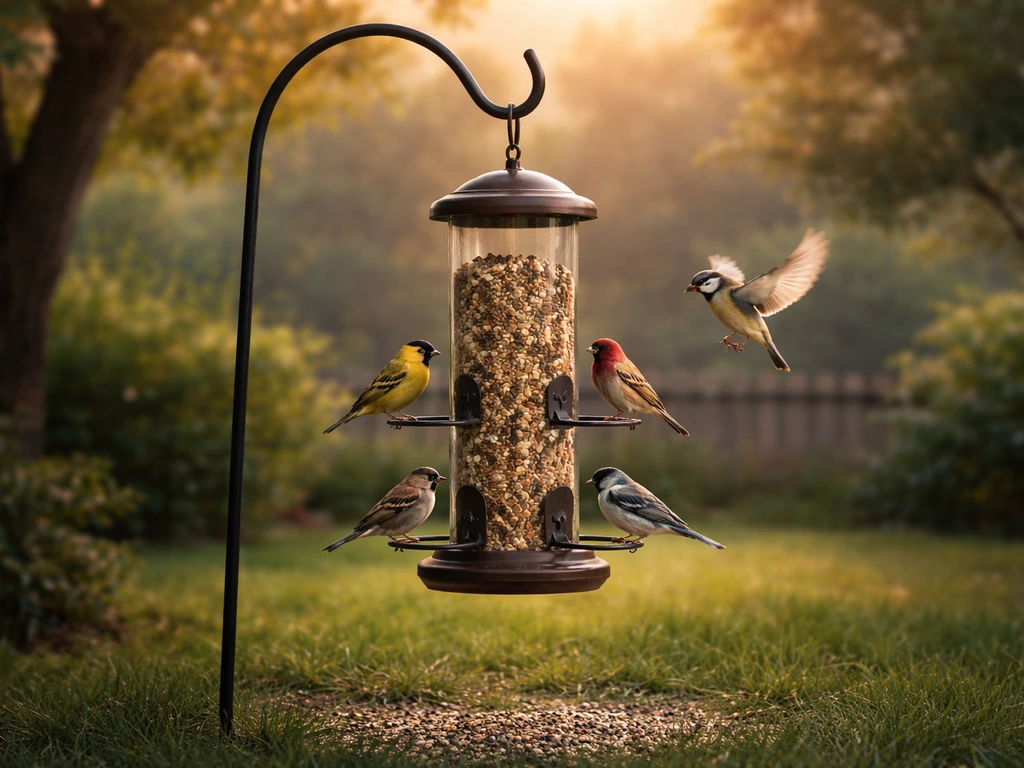
When most people search for a feeder that works for 'all birds,' they really mean the birds showing up in their yard right now, not every species on the planet. According to Project FeederWatch data from over 10,000 backyard sites, the most common North American feeder birds are chickadees (visiting about 94% of sites), dark-eyed juncos (90%), northern cardinals (90%), downy woodpeckers (89%), mourning doves (87%), blue jays (86%), white-breasted nuthatches (86%), American goldfinches (81%), house finches (74%), and red-bellied woodpeckers (73%). That is your realistic target list, and it splits into four very different feeding styles.
- Perch feeders: chickadees, cardinals, nuthatches, titmice, house finches, blue jays
- Ground or flat-surface feeders: mourning doves, dark-eyed juncos, sparrows
- Clinging feeders: downy woodpeckers, red-bellied woodpeckers, nuthatches, chickadees
- Specialty feeders: hummingbirds (nectar), goldfinches (nyjer/tube), wild parrots (platform with fruit)
The honest reality is that hummingbirds need a dedicated nectar feeder, woodpeckers do best at a suet cage, and goldfinches pile into a nyjer tube with the kind of enthusiasm they show nowhere else. You can attract most of the top 10 or 12 species with one well-chosen hopper or platform feeder, but covering all four feeding styles means adding two or three stations eventually. Choosing the best multi bird feeder style for your yard is all about matching the feeding stations to the species you most want to see. This guide focuses on the single-feeder solution first, then tells you where to expand.
Matching feeder type to feeding style
Before buying anything, it helps to understand which feeder format serves which diet. Audubon breaks it down cleanly: table-style feeders for ground-feeding birds, hopper or tube feeders for birds that feed in shrubs and treetops, and suet feeders placed well off the ground for woodpeckers, nuthatches, and chickadees. Here is how the main feeder types map to the birds you are most likely to see.
| Feeder Type | Best Food | Birds It Attracts | Main Limitation |
|---|---|---|---|
| Hopper (enclosed platform with roof) | Black-oil sunflower, mixed seed | Cardinals, jays, chickadees, nuthatches, titmice, finches, doves | Grackles and squirrels love it too; seed can mold if drainage is poor |
| Tube feeder (ports + perches) | Black-oil sunflower or nyjer | Chickadees, finches, titmice, nuthatches | Too small for jays and doves; nyjer tubes need small ports |
| Platform / tray feeder | Mixed seed, millet, peanuts, fruit | Doves, juncos, sparrows, jays, cardinals, robins | Fully exposed to weather; attracts ground pests |
| Suet cage | Suet cakes, peanut butter suet | Woodpeckers, nuthatches, chickadees, titmice | Does not work for seed-eating birds; suet melts in heat |
| Nectar feeder (tube or saucer) | Sugar water (1:4 ratio) | Hummingbirds only in most regions | Requires frequent cleaning; zero crossover with seed birds |
| Nyjer / thistle tube | Nyjer (thistle) seed | American goldfinches, house finches, siskins | Very species-specific; nyjer goes stale quickly |
For a single-feeder setup, the hopper wins on breadth. A large hopper feeder with good drainage, a wide feeding ledge, and a weather-resistant roof will pull in more species from that top-12 list than any other format. The trade-off is that hoppers also attract unwanted visitors, which we will get to in the pest section.
The universal feeder features checklist
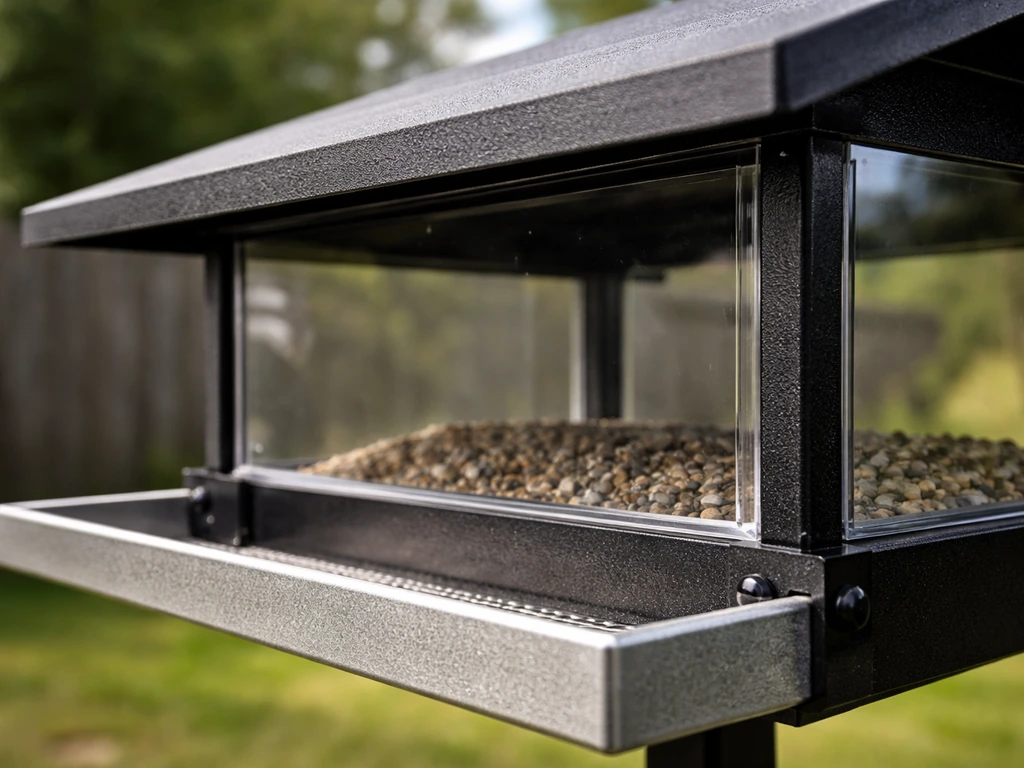
Not all hopper feeders are built equally, and the cheap ones will cost you more in frustration than the price difference is worth. Here is what to actually look for when you are evaluating any feeder that claims to work for multiple species.
Material and durability
Polycarbonate or UV-stabilized acrylic panels hold up far longer than plain plastic, which cracks and yellows within a season or two in direct sun. Cedar and recycled poly lumber hoppers look great and last a decade or more but cost more upfront. Avoid feeders with metal mesh that can rust or thin stamped metal parts that warp. Weight matters too: a heavier feeder resists wind better and tends to be better built overall.
Drainage and weatherproofing
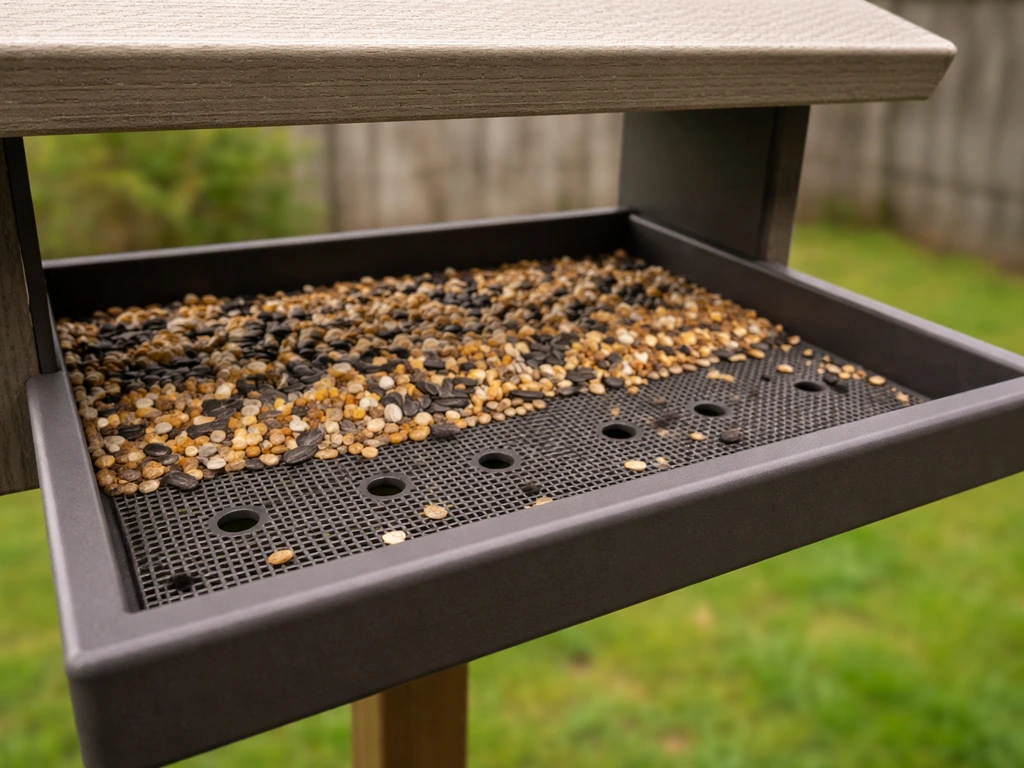
Seed that sits in pooled water turns moldy fast, and moldy seed is genuinely dangerous to birds. Look for a feeder with drain holes in the tray floor, a roof that extends at least an inch or two past the sides, and ideally a removable tray so you can dump wet seed without having to dismantle everything. If you are in a rainy climate, a roof with a steep pitch beats a flat one every time.
Port size and perch design
For a hopper or tube feeder meant to serve multiple species, you want a generously wide feeding ledge (at least 3 to 4 inches deep) so cardinals and jays can actually land and eat comfortably. Tube feeders should have ports large enough for sunflower seeds (roughly 3/8 inch diameter) if you are not running nyjer. Small ports jam constantly and frustrate birds. Multiple perches at different angles let several birds feed at once instead of fighting over the same spot.
Squirrel and weather baffles
A feeder without a squirrel baffle is a squirrel feeder. Either buy a feeder that comes with a baffle built in, or plan to add a pole-mounted baffle (a domed or cylindrical guard placed below the feeder on the pole). Dome-style top baffles also do double duty by keeping rain off the seed. Some feeders use weight-sensitive perch closures to shut off access when a squirrel lands, which works well but adds cost.
Ease of cleaning
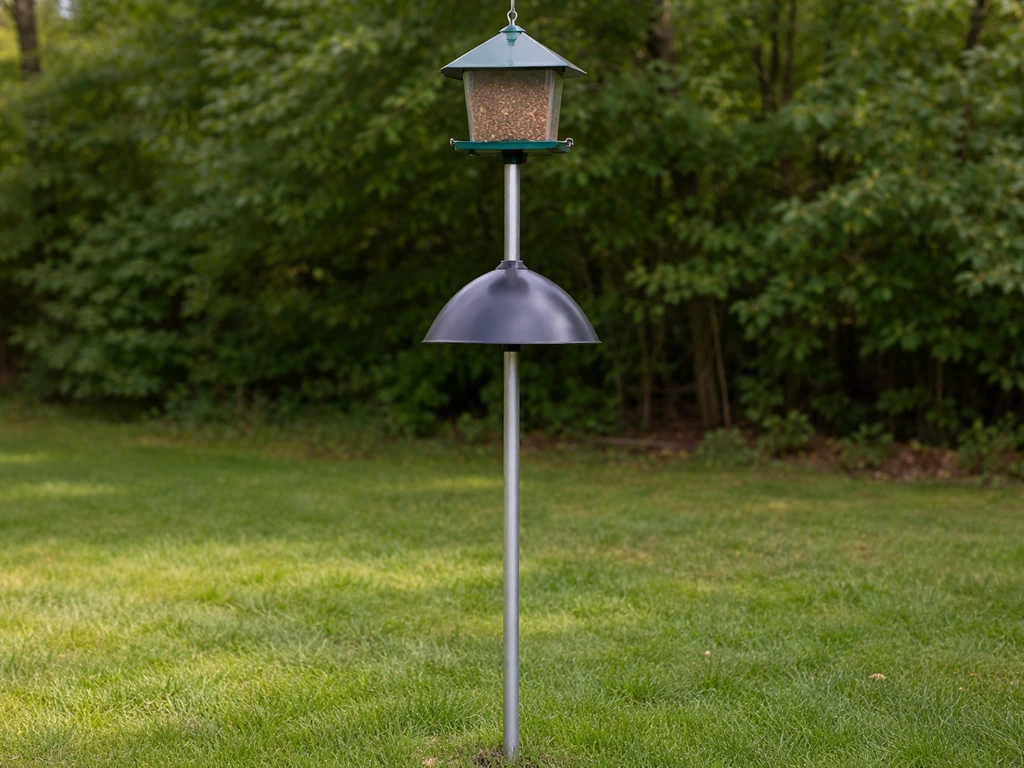
If cleaning the feeder takes more than five minutes, you will skip it, and that leads to mold and disease. Look for wide-opening lids, removable trays, and smooth interior surfaces with no tight corners where wet seed can pack in. Tube feeders with a removable base are far easier to clean than sealed tubes. This one feature alone separates the feeders worth owning from the ones that end up in the garage.
Top picks: the best single feeders that cover the most birds
These are the feeder formats I would recommend to someone starting today who wants maximum species variety from a single purchase. I have listed what each one does well and where it falls short, because no honest recommendation skips the limitations.
Best overall: large capacity hopper feeder
A well-made large hopper feeder, something like the Brome Squirrel Buster Plus or the Droll Yankees Yankee Clipper, sits at the top of this category. Fill it with black-oil sunflower seeds, which Project FeederWatch identifies as the single most popular seed in North America, and you will reliably attract cardinals, chickadees, nuthatches, titmice, blue jays, house finches, and mourning doves. That is seven or eight of the top-12 most common backyard species covered with one feeder and one seed. The limitation: goldfinches prefer nyjer in a dedicated tube, woodpeckers want suet, hummingbirds obviously need a nectar feeder, and ground-feeders like juncos and sparrows prefer low trays or the ground itself.
Best upgrade: smart feeder with AI bird ID
If you want to know exactly which species are visiting and when, AI-powered smart feeders like the Bird Buddy or Soliom smart feeder camera are worth considering. These attach a camera to the feeder and use machine learning to identify birds in real time, logging species visits to an app. They do not change which birds you attract, but they tell you what you are actually getting versus what you think you are getting, which is genuinely useful for adjusting seed type or feeder placement. The trade-off is cost (typically $100 to $200 versus $30 to $60 for a standard hopper) and the need to keep the camera charged or wired.
When one feeder is not enough
If your goal is truly to cover woodpeckers, goldfinches, hummingbirds, and ground-feeders on top of the usual perch-feeding crew, you are looking at a minimum of three to four feeders: one large hopper, one suet cage, one nyjer tube, and one nectar feeder. That is the practical multi-bird setup, and it lines up with what the best multi-bird feeder guides and best bird feeder for multiple birds discussions consistently recommend. If you want a simple starting point, aim for the best bird feeder for multiple birds and then tailor your setup based on what you actually attract. For most backyard birders, two feeders, a hopper plus a suet cage, will cover 80 to 90 percent of the species on the top-12 list.
Placement and setup to attract the most species
Where you hang or mount the feeder matters almost as much as which feeder you pick. A perfect hopper feeder in a bad location will sit empty while birds ignore it.
Height and distance from cover
Most perch-feeding birds prefer feeders mounted 5 to 6 feet off the ground, close enough to nearby shrubs or trees (within 10 to 15 feet) so they can dart in, grab a seed, and retreat to safety. But 'close' and 'too close' are different things: if a feeder is within jumping distance of a fence, tree branch, or deck railing, squirrels will reach it. The sweet spot is a pole-mounted feeder about 10 feet away from the nearest climbable structure, with a baffle on the pole at least 4 feet off the ground.
Sun, shade, and wind
Partial shade is better than full sun. Direct afternoon sun heats up seed and suet quickly, accelerating spoilage and melting suet cakes in summer. A spot that gets morning sun but is shaded by early afternoon works well in most regions. Wind protection matters too: a feeder that swings aggressively in the wind spills seed constantly and makes birds nervous. Positioning on the sheltered side of a fence or building edge reduces both waste and spook factor.
Multiple stations vs. one feeder
If you have space, spreading two or three feeders at least 10 to 15 feet apart dramatically reduces competition and lets more species visit simultaneously. Dominant birds like blue jays or European starlings will often park at one feeder and block others, but a second feeder placed around a corner or behind a bush gives shyer species like chickadees and titmice a quieter spot to feed. Placing a low tray or ground scatter area 10 feet from your main feeder captures the juncos and sparrows that never visit elevated feeders.
Dealing with squirrels, grackles, and feeder bullies
This is where a lot of feeders and a lot of setups fail in the real world. Squirrels and grackles are not just annoying; they empty feeders in hours and intimidate smaller birds away from the feeding area entirely. Here is what actually works.
Squirrel-proofing
The three-part system that consistently works is: a smooth metal pole (wood and plastic are climbable), a pole-mounted baffle at 4 feet or higher, and a feeder placed at least 10 feet horizontally from any jumping point. Weight-activated feeders like the Brome Squirrel Buster series add a mechanical layer by closing feeding ports when anything heavier than a medium-sized bird lands. Caged tube feeders, which surround the feeder with a wide-gap wire cage, physically block squirrels while letting smaller birds through. No single method is foolproof, but the pole-plus-baffle-plus-distance combination stops probably 95% of casual squirrel access.
Managing grackles and other dominant birds
Grackles are persistent and smart. They prefer large, open feeding platforms, which is exactly what a wide hopper tray offers them. A few strategies that genuinely reduce grackle dominance: switch to a tube feeder with short perches (grackles are large and awkward on them), use a caged feeder that physically excludes birds above a certain size, or switch partially to safflower seed, which grackles tend to dislike but cardinals, chickadees, and nuthatches readily eat. Removing the tray/platform from a hopper and replacing it with a smaller ledge also helps. For starlings at suet cages, an upside-down suet feeder forces birds to cling and feed from below, which starlings find difficult but woodpeckers handle easily.
Protecting ground-feeding setups
If you add a ground tray or low platform for doves and juncos, place it in an open area with a clear sight line in all directions so birds can see approaching cats or hawks. Cats are a serious predator at ground level: keeping ground feeders at least 10 feet from dense shrubs gives birds enough reaction time. A motion-activated sprinkler nearby can deter cats without harming birds.
Keeping the feeder clean and the seed fresh
A dirty feeder is a disease vector. Salmonella, aspergillosis (from moldy seed), and other pathogens kill birds, and an unkept feeder undoes all the good of having one. The maintenance routine does not need to be complicated, but it does need to be consistent.
Cleaning schedule and method
Empty and scrub your feeder every one to two weeks during active feeding season, and more often in humid weather when mold grows fast. Use a 9:1 water-to-bleach solution, scrub all surfaces including the ports and tray, rinse thoroughly, and let the feeder dry completely before refilling. Damp seed in a just-cleaned but not-quite-dry feeder molds almost as fast as in a dirty one. Dispose of any wet, clumped, or foul-smelling seed rather than topping off over it.
Matching seed to the birds you actually get
Start with black-oil sunflower seeds in your hopper. Once you see which birds are actually visiting (a smart feeder camera makes this easy, but plain observation works too), adjust from there. For wild parrots, you want to match the feeder type and seed to how they naturally feed, then follow the same drainage, baffle, and cleaning rules to keep food safe best bird feeder for wild parrots. If goldfinches are showing up but not staying, add a nyjer tube. If woodpeckers are visiting but struggling on the perch feeder, hang a suet cage nearby. Per Project FeederWatch, peanut hearts are particularly effective at pulling in chickadees, titmice, nuthatches, and jays if you want to boost those species specifically. Avoid cheap mixed seed bags that are loaded with milo and wheat: most desirable songbirds discard them, they pile up on the ground, and they attract rodents. The money you 'save' on cheap seed gets spent managing the mess.
Adjusting when the wrong birds show up
If your feeder is dominated by house sparrows, starlings, or grackles, the fixes are feeder design (cage feeders, short perches, upside-down suet), seed type (safflower over sunflower), and placement adjustments. If a species you want is not visiting at all, think through the barrier: woodpeckers need vertical clinging surfaces, not a perch; goldfinches need nyjer, not sunflower; hummingbirds need nectar, full stop. If cardinals will not come near, they likely need a lower perch and a quieter location away from heavy foot traffic. The feeder is always just part of the equation: seed, placement, and feeder design all work together.
FAQ
What’s the closest single feeder to the “best bird feeder for all birds” idea, in practice?
If “all birds” means the birds you actually see, the safest default is a large hopper filled with black-oil sunflower, then add targeted stations only for the feeding styles a hopper misses (nyjer tube for goldfinches, suet for woodpeckers, nectar for hummingbirds, low tray or ground scatter for doves and juncos). If your yard has mostly ground birds, a hopper alone will leave you disappointed.
How do I know whether I need more than one feeder, even if I buy the best hopper?
Plan around feeding styles, not species lists. Hoppers and tubes cover most perching birds, but they do not reliably cover nectar drinkers, suet clingers, or low ground feeders. A quick shortcut is to watch for a week, then upgrade only the missing category (nectar, suet, nyjer, or ground tray).
Will a hopper feeder work in rainy weather without ruining the seed?
Yes, but only if the design is “rain-safe.” Look for drain holes in the tray floor, a roof that overhangs the sides, and a removable tray so you can dump any wet seed quickly. In heavy rain, a steep-angled roof matters more than most brands claim, because flat roofs let water pool under the ledge.
What seed mistake most often prevents a hopper from attracting a wide variety of birds?
Mixed seed is often the reason the “all birds” hopper fails. Many songbirds selectively discard parts of cheap mixes, leaving shells and hulls that mold and attract rodents. Stick to black-oil sunflower (or safflower when you specifically want to reduce grackles), and only use nyjer or other specialty seed in their dedicated feeders.
How long should I wait before deciding the feeder is not working?
A hopper should land a lot of visits quickly, but flock patterns can take 1 to 3 weeks to settle, especially after storms or when nearby food sources are changing. If you see no birds at all after two weeks, check placement (distance from cover and human traffic), switch to a different seed type, and confirm the feeder stays dry inside.
What adjustments should I make first if I’m not getting certain birds?
Start by using black-oil sunflower in the hopper, then adjust based on what you’re not getting. If goldfinches show up occasionally but do not stay, add a nyjer tube nearby, rather than switching the hopper. If woodpeckers are visiting but can’t feed well, add a suet cage, because they need vertical, clinging access.
What’s the most effective way to deal with squirrels at a hopper feeder?
If you have squirrels, “no baffle” is the wrong default. Choose a feeder with a squirrel baffle included, or add a pole-mounted baffle placed at least 4 feet off the ground. Also aim for placement about 10 feet from any climbable point, because even a baffle can be bypassed if the access path is too short.
How do I reduce grackles and still attract the birds I want?
Grackles often take over wide platforms and can prevent smaller birds from feeding nearby. Counter it by switching from a tray-heavy hopper setup to a tube feeder with short perches, using a caged design that excludes larger birds, and trying safflower in the main feeder. Placement helps too, put the dominant-bird feeder where you can tolerate fewer smaller birds.
How often should I clean my feeder, and what’s the key step people skip?
Cleaning frequency is the difference between safe feeding and disease risk. During peak season, empty and scrub every 1 to 2 weeks, and faster in humid weather. Use a thorough rinse and let the feeder dry completely, because damp seed in a newly cleaned feeder can mold almost as quickly.
Can I place a hopper feeder in direct sun, and what problems should I watch for?
Yes, but only if the feeder stays dry and protected from overheating. Use partial shade, ideally morning sun with early afternoon shade, and avoid full sun that heats seed and melts suet. If your summers are very hot, prioritize strong roof overhang and consider wind-protected placement so the feeder does not spill.
Why do some yards get fewer species than expected, even with the right feeder?
For backyard competition, distance is your friend. If you can, space two or three feeding stations at least 10 to 15 feet apart, and provide a quieter secondary spot for shy birds. A corner, behind a bush, or along a different line of approach can reduce bullying when one dominant species crowds everything.
Where should I put a ground tray if I want doves or juncos but live near cats?
If cats are a risk, use open sight lines and keep ground feeders farther from dense cover. A practical rule is at least 10 feet from dense shrubs to give birds a reaction buffer. Avoid placing low trays near hiding spots, even if it feels convenient.
Are smart bird feeder cameras worth it if I already have a good hopper feeder?
Smart feeders show you what visits you actually get, which is useful if you’re debating seed types or placement. They do not change the feeder’s “feeding style,” so if hummingbirds or woodpeckers are missing, you still need a nectar feeder or suet cage. Also plan for power, charging, or wiring as part of ongoing maintenance.
Next Article
Best Bird Feeder for Multiple Birds: A Practical Guide
Choose the best feeder setup for multiple birds with capacity, easy cleaning, weatherproofing, and predator control.