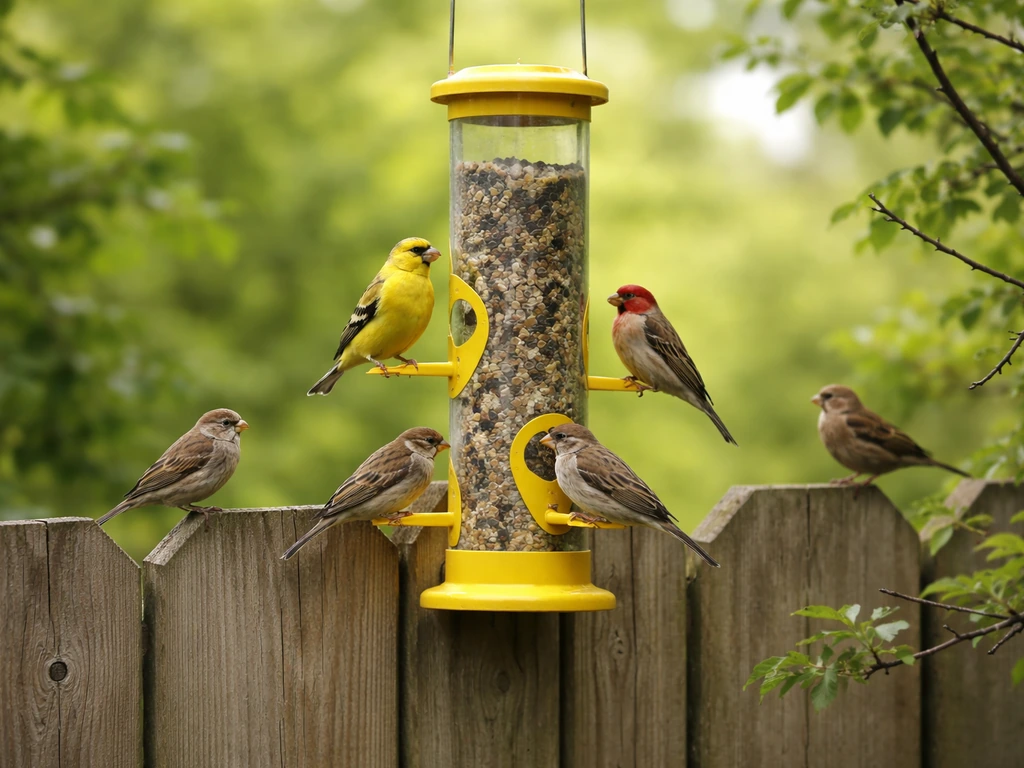
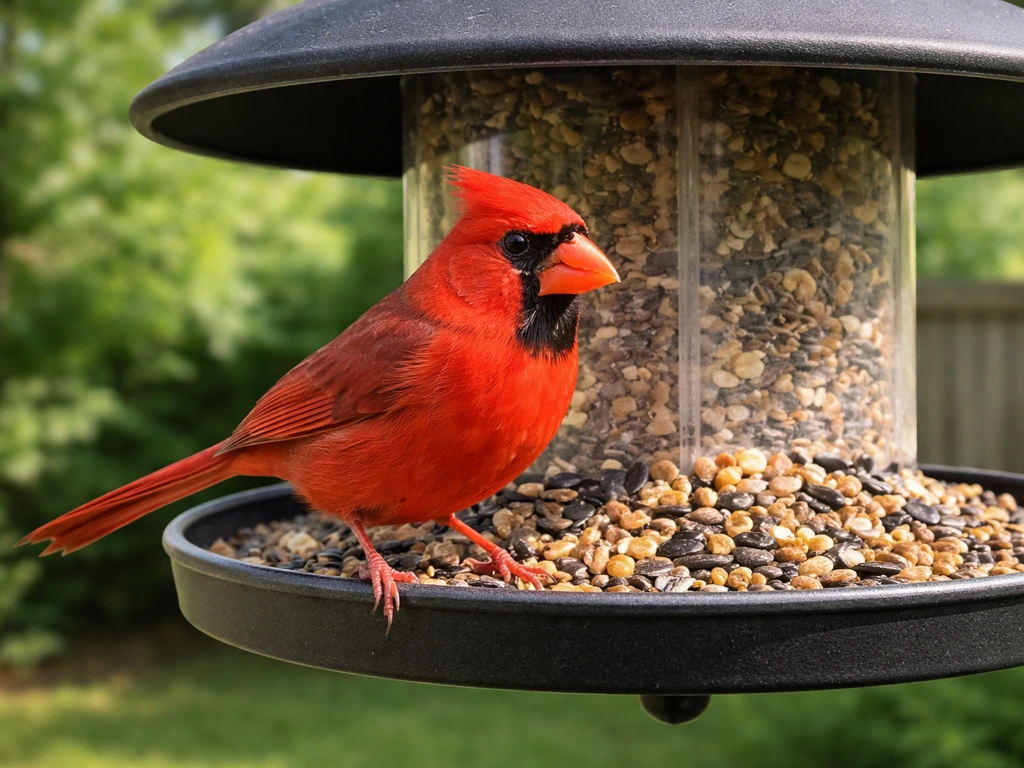
If you want to attract red birds to your backyard, you're almost certainly after the Northern Cardinal, and the single best feeder choice is a hopper or platform feeder loaded with black oil sunflower seed. A hopper or platform feeder loaded with black oil sunflower seed is often the go-to choice when you’re looking for the best red cardinal bird feeder single best feeder choice. Cardinals are bigger birds with thick beaks and a preference for sturdy perches and open feeding platforms, so small tube feeders with tiny ports are often the wrong call. Get a hopper feeder, fill it with black oil sunflower seed, hang or mount it 5 to 6 feet off the ground near some shrub cover, and you'll have cardinals showing up within days in most parts of North America.
Best Bird Feeder for Red Birds: Top Picks and Setup Guide
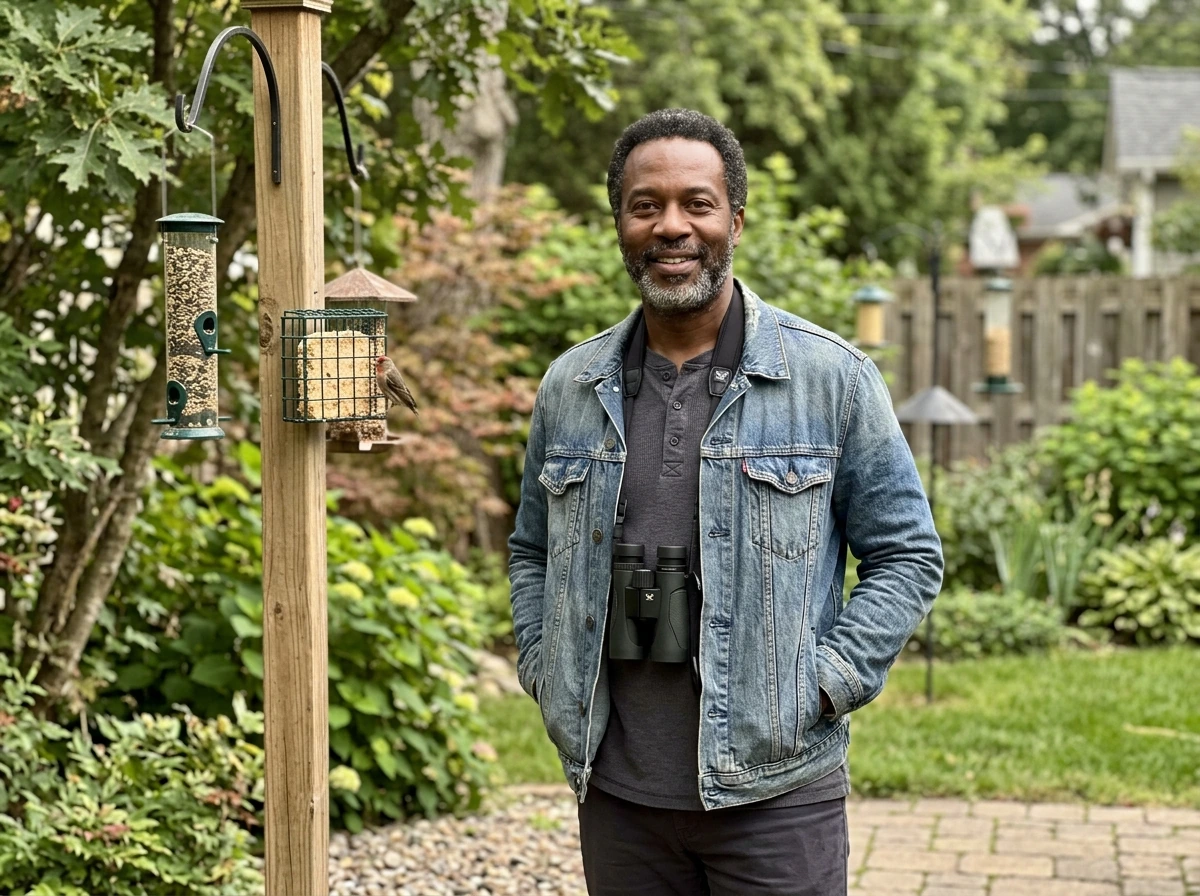
Which "red birds" are actually showing up in your yard?
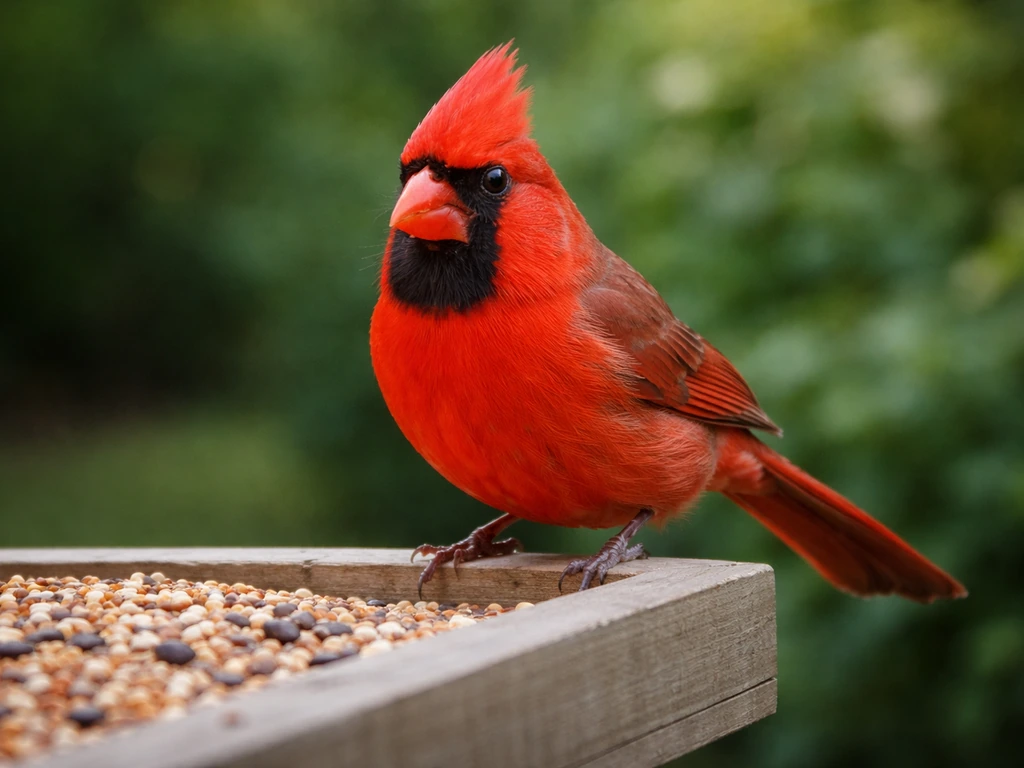
The Northern Cardinal is the obvious answer, and it's the one most people are picturing. The male's bright red plumage is hard to miss, and cardinals are year-round residents across the eastern United States, the Midwest, and into the Southwest. But depending on your region, you might also be seeing House Finches (males have a rosy-red head and breast), Purple Finches (similar to House Finches but a bit richer in color), or even Red-breasted Nuthatches passing through. In the West, Cassin's Finch joins that list. The good news is that most of these species share overlapping food preferences and feeder styles with cardinals, so the same setup will work for all of them. That said, the guidance in this article centers primarily on the cardinal since it's the most sought-after of the red-toned backyard visitors and the most specific in its feeder requirements.
The right feeder type for cardinals (and their red-toned neighbors)
Cardinals don't hover, and they don't cling upside down like chickadees. They like to land, settle, and eat from a stable surface. That behavior rules out most small tube feeders right away, especially ones with short perches or ports sized for finches. What works best is either a hopper feeder or a platform (tray) feeder, with hoppers being the more practical everyday choice.
Hopper feeders
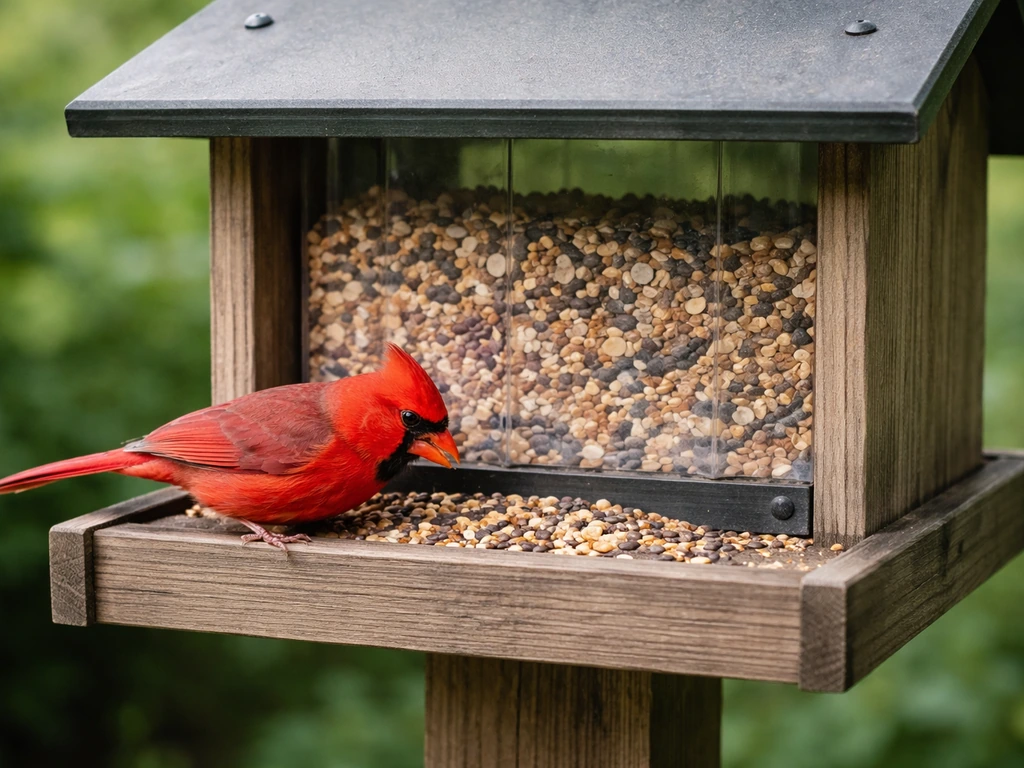
A hopper feeder is essentially a seed reservoir with walls and a roof that dispenses seed onto a tray or ledge at the bottom. Cardinals love them because the feeding ledge is wide enough to sit on comfortably, the seed supply is gravity-fed so there's always food accessible, and the roof keeps rain off the seed. Audubon notes that hopper feeders attract all the species that visit tube feeders plus larger birds like cardinals and jays, which makes them the highest-traffic option you can buy. The trade-off is that they also attract grackles, red-winged blackbirds, and starlings, which I'll address in the pest section below.
Platform/tray feeders
Platform feeders are flat raised surfaces where you spread seed directly. Cardinals will absolutely use them, and they're great for offering a variety of foods at once. The downside is no weather protection, so seed gets wet fast and can mold quickly. If you go the platform route, buy one with a mesh or screened bottom so water drains through, and plan to refresh the seed more often, especially in rainy seasons.
Tube feeders with large ports
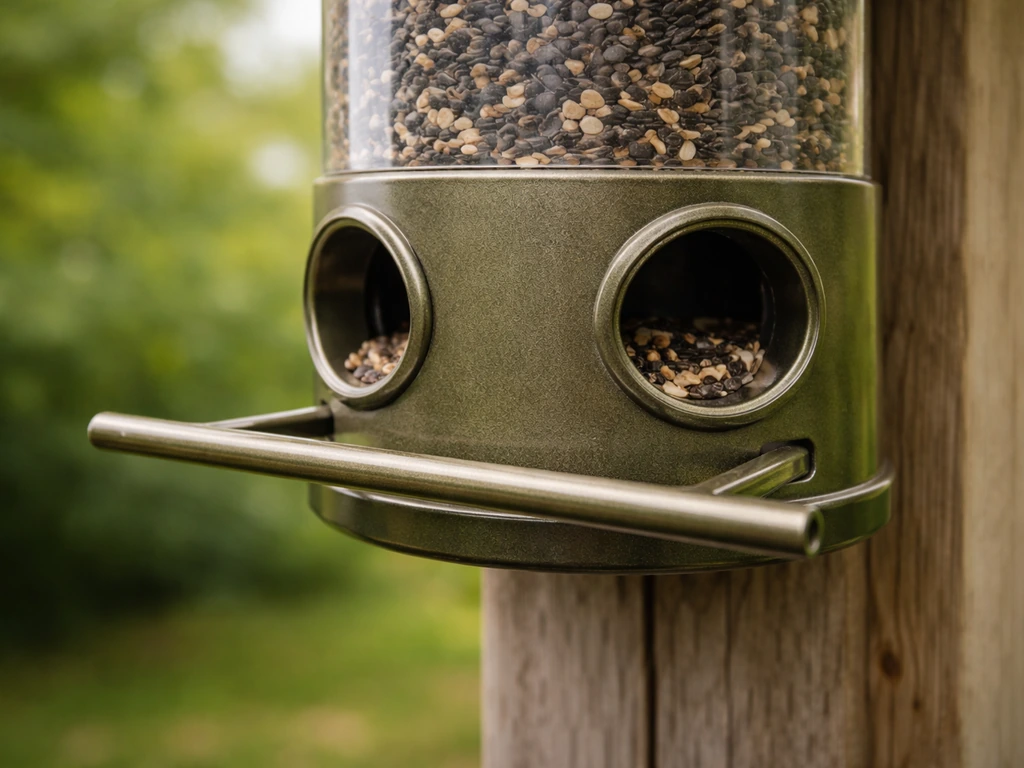
Standard small-port tube feeders are mostly a miss for cardinals, but some manufacturers make large-port tube feeders specifically designed for cardinals, with longer perches and wider feeding openings. Products like the Brome Squirrel Buster Plus include a Cardinal Ring System that extends the perch area around the tube, making it accessible for bigger birds. If you want squirrel deterrence built in and still want cardinals to feed, a large-port tube feeder with a cardinal-specific perch ring is worth considering.
The best seed and food to pair with your feeder
Black oil sunflower seed is the single best thing you can put in a cardinal feeder. It has a thin shell that cardinals can crack easily with their heavy bill, a high oil content that makes it calorie-dense, and it's the most universally preferred seed across North American songbirds. Cornell Lab's All About Birds confirms it as the cardinal's top feeder food, and Audubon ranks striped sunflower seeds and sunflower chips as the next two preferences after black oil. If you want to simplify, just buy a big bag of black oil sunflower and you're done.
Safflower seed is worth adding to your rotation, especially if you want to discourage squirrels and grackles. Most squirrels and many pest birds dislike the bitter taste of safflower, while cardinals eat it readily. Audubon explicitly lists safflower as a good cardinal food and notes that cardinals and grosbeaks are the species most likely to use it at hopper and tray feeders. Running pure safflower for a few weeks is one of the easiest ways to quiet down a feeder overrun by starlings or grackles without buying any new hardware.
One thing to avoid: cheap mixed seed bags filled with milo, millet filler, and cracked corn. Cardinals will sort through and reject most of that, tossing it to the ground, which creates a mess and attracts ground-feeding pests. Spend a bit more on straight black oil sunflower or a sunflower-heavy cardinal blend and you'll waste far less seed overall.
If your "red birds" include species like Red-breasted Nuthatches or you're just trying to improve overall yard diversity, a small suet cage mounted nearby is a nice complement. Suet won't pull in cardinals directly, but it rounds out your yard's appeal without competing for the main feeder real estate.
Top feeder picks and what each one does best
Here's how the main contenders stack up. I've organized these by use case so you can match your situation quickly.
| Feeder | Type | Best For | Squirrel Deterrent | Cardinal Friendliness | Capacity |
|---|---|---|---|---|---|
| Brome Squirrel Buster Plus | Tube with Cardinal Ring | Squirrel-proof tube feeding with large-bird access | Yes (weight-activated shroud) | High (Cardinal Ring System extends perch) | 5.1 lbs |
| Droll Yankees Yankee Flipper | Tube (motorized) | Strong squirrel deterrence, seed freshness | Yes (weight-activated rotating perch) | Moderate (perches suit cardinals if positioned well) | 5 lbs |
| Classic Hopper/House Feeder (wood or poly) | Hopper | Maximum cardinal traffic, high capacity, beginner-friendly | No (needs separate baffle) | Very High (wide landing ledge, roof protection) | 3–6 lbs typical |
| Mesh Platform/Tray Feeder | Platform | Ground-foraging simulation, multiple food types | No (needs separate baffle or location strategy) | Very High (open surface, cardinals love it) | 1–2 lbs typical |
| Large-Port Tube Feeder (cardinal-specific) | Tube | Squirrel-free setup without full hopper bulk | Depends on model | High (designed for larger beaks and bodies) | 2–4 lbs typical |
The Brome Squirrel Buster Plus is one of my top all-around recommendations for anyone who wants cardinals and squirrel deterrence in one feeder. The weight-adjustable spring mechanism closes the seed ports when anything heavier than a songbird lands on the shroud, and the Cardinal Ring System solves the classic tube-feeder problem by giving cardinals a wider perch to work from. It holds 5.1 lbs of seed and measures 28 inches from base to hanger, so it's a substantial feeder. The Seed Tube Ventilation system at the top vents moisture and hot air out, which genuinely helps keep seed fresher longer than a sealed tube. The price is higher than a basic hopper, but if squirrels are a constant problem in your yard, the built-in deterrence pays for itself fast.
The Droll Yankees Yankee Flipper takes a more theatrical approach to squirrel deterrence: a battery-powered rotating perch ring spins when a squirrel's weight hits it, essentially launching the squirrel off the feeder. It holds about 5 lbs of seed and the tube is UV-stabilized polycarbonate for long-term durability. It works, but it requires batteries and occasional charging, and the spinning perch is designed for that deterrence mechanism, so placement and hanging distance from nearby surfaces matter for activation. Cardinals can use it, but the perch setup is better suited to smaller birds without the Cardinal Ring system the Brome includes.
A classic wood or poly hopper feeder is still the simplest, highest-value option if squirrels aren't an overwhelming problem or if you're pairing it with a separate baffle. The wide landing ledge and enclosed seed reservoir are exactly what cardinals want. Poly hoppers (made from recycled plastic lumber) outlast wood by years and don't warp, crack, or need painting. If you go wood, look for cedar or cypress and plan to reseal it annually.
Weather resistance, durability, and keeping things clean
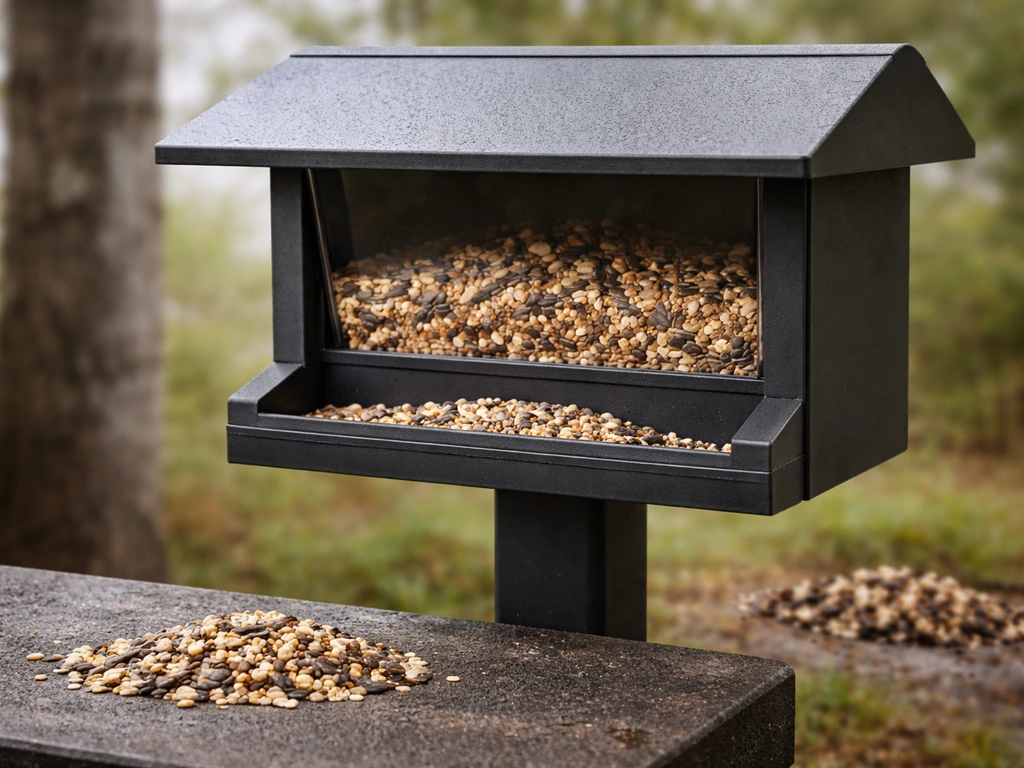
Seed that gets wet goes moldy fast, and moldy seed can make birds sick. This isn't a minor concern: the Minnesota DNR and Project FeederWatch both flag unclean feeders as a genuine disease transmission risk for backyard birds. The feeder design you choose directly affects how quickly seed degrades.
Hopper feeders with a solid roof are the best passive weather protection. The roof sheds rain before it can soak into the seed below. Tube feeders with ventilation systems, like the Brome's Seed Tube Ventilation feature, help reduce humidity buildup inside a sealed cylinder. Platform feeders with mesh or screen bottoms let water drain through instead of pooling, which is critical if you want to avoid a soggy, moldy mess after every rain.
For materials, UV-stabilized polycarbonate tubes hold up better in direct sun than standard plastic, which can yellow and become brittle. Poly lumber (recycled plastic) hoppers are essentially maintenance-free. Metal components, especially feeding ports and perch rods, should be stainless or powder-coated to avoid rust. Avoid cheap feeders with thin aluminum or untreated metal hardware because they'll corrode and degrade seed contact surfaces. Choosing the best paint for bird feeders can help you seal and protect the materials so the feeder lasts longer and stays food-safe.
On cleaning: plan to scrub your feeder every one to two weeks under normal conditions, and bump that to weekly during wet weather or if you notice heavy bird traffic. All About Birds recommends cleaning about once every two weeks as a baseline. Use hot water and a stiff brush, and let the feeder dry completely before refilling. A wet feeder packed with seed is basically a petri dish. It takes ten minutes to clean a hopper feeder properly, and it genuinely makes a difference in bird health and feeder longevity.
How to mount your feeder and keep squirrels (and other pests) out
Squirrels are the most common reason people give up on bird feeders, so let's be direct about this. There's no single trick that works perfectly in every yard, but a combination of proper placement, a good baffle, and the right feeder design gets you very close.
Mounting height and placement
If you're using a pole mount, Audubon recommends placing the baffle between 4 and 5 feet off the ground. The feeder itself should be high enough that squirrels can't simply jump up from the ground, but the baffle needs to be at the right height to block climbers. For hanging feeders, position the feeder far enough from any tree trunk, deck rail, or fence that a squirrel can't make a lateral leap directly onto it. Audubon is honest that no setup is perfect, but proper distance and hardware gets you pretty close.
Baffles
A torpedo-style or dome baffle mounted below a pole feeder is the most reliable passive deterrent. It physically blocks climbing access. For hanging feeders, an above-feeder dome baffle (sometimes called a weather guard) serves double duty: it blocks squirrels coming down the line and keeps rain off the feeder. Make sure the dome is wide enough in diameter that a squirrel can't reach around it to grab the feeder, typically at least 15 to 18 inches across.
Weight-activated feeders
If you'd rather let the feeder do the work, a weight-activated design like the Brome Squirrel Buster Plus is a strong option. The spring tension is adjustable so you can set the threshold: lighter setting closes ports when anything squirrel-sized lands, while a heavier setting lets you tune out large bully birds too. This spring adjustment is one of the more underrated features on the Brome because it gives you control over who feeds and who doesn't without buying multiple feeders.
Cage enclosures for starlings and grackles
If starlings and grackles are overrunning your hopper feeder, a wire cage enclosure around the feeder body restricts access to smaller birds while keeping larger pest species out. Cardinals are big enough that the cage opening needs to be sized accordingly, roughly 2 to 3 inches, to let them through while excluding starlings. Some commercial feeders come with caged enclosures built in; others let you buy cage accessories separately. Switching to safflower seed is often a simpler first step before investing in a cage, since many invasive pest birds find safflower unpalatable.
Setup tips to get red birds visiting fast and keep bully birds from taking over
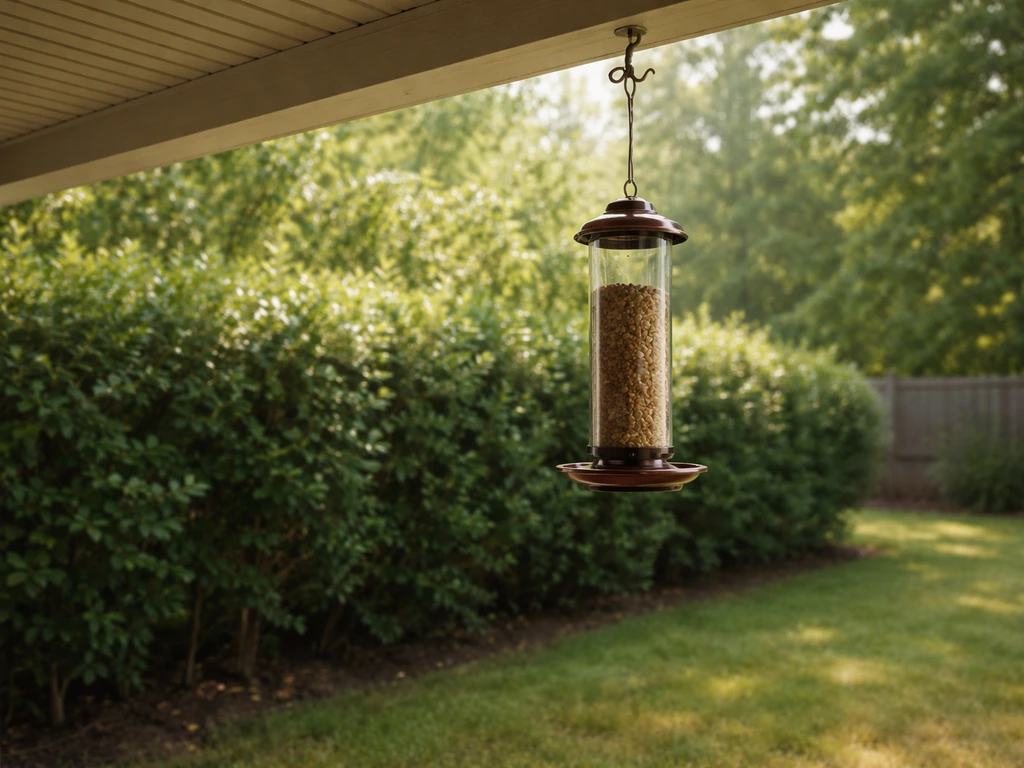
Placement near cover is one of the most overlooked factors in cardinal attraction. Cardinals feed in shrubs naturally, so a feeder positioned 8 to 15 feet from a dense shrub, hedge, or small tree gives them a safe perch to watch from before committing to the feeder. They're more cautious than sparrows or chickadees. If your feeder is in the middle of a wide-open lawn with no nearby cover, you'll get fewer visits even with perfect seed and feeder choice.
Cardinals are also early morning and late evening feeders more than midday visitors. If you check your feeder at noon and it seems quiet, don't assume it's not working. Watch at dawn and dusk and you'll typically see far more activity. Adding a water source nearby, like a shallow birdbath, noticeably increases overall yard visits including from cardinals.
For bully birds, the most practical levers you have are seed choice, feeder design, and timing. Switching to safflower drives off most grackles and many starlings without affecting cardinals. Running a weight-activated feeder tuned to a heavier closure threshold excludes large birds mechanically. You can also use a smaller-capacity feeder and refill more often: less seed at a time means less reward for pest species staging a takeover, and it keeps seed fresher.
Avoid cheap mixed seed blends. Filler seeds like milo and white millet mostly attract house sparrows and doves. Cardinals will toss them aside, which creates ground debris that attracts more pest birds from below. Straight black oil sunflower or sunflower chips minimizes waste and keeps your feeding station cleaner and more targeted.
One last practical note: feeder color does matter to some extent for initial attraction, though it's secondary to food and placement. If you want a quick answer, the best color for bird feeder setups is usually one that matches the natural surroundings without standing out too brightly. Red and orange tones are associated with attracting cardinals anecdotally, but a feeder's shape, stability, and seed type will do far more work than its paint job. If you're curious about color's role in feeder attraction, that's a deeper topic worth exploring on its own.
The short version if you want to buy today
Get a hopper feeder or the Brome Squirrel Buster Plus with the Cardinal Ring System. If you are trying to fine-tune your setup for more variety, the feeder type still matters, even more than the seed color on the label. Fill it with black oil sunflower seed. Mount it 5 to 6 feet off the ground within 10 to 15 feet of shrub or tree cover, add a baffle if you're on a pole, and plan to clean it every couple of weeks. If grackles move in, switch to safflower. That combination is genuinely all most backyard birders need to get Northern Cardinals and their red-toned companions showing up consistently and staying.
FAQ
I bought a “cardinal” tube feeder, but I still do not get red birds. What should I troubleshoot first?
Start with black oil sunflower and a hopper or tray feeder, then watch for two things before changing anything: whether cardinals are actually landing on the ledge, and how fast seed disappears. If seed is being removed but cardinals are not showing up, placement is usually the problem (too far from cover), not the feeder type. If cardinals appear but others dominate, adjust seed to safflower or add a cage/baffle rather than switching back and forth between many mixes.
Will the best feeder for red birds still work in winter, and how do I prevent mold when it freezes and refreezes?
Cardinals can handle typical winter cold, but the seed quality drops fast in freezing wet cycles, which can deter feeding. Use a feeder with a roof (hopper) or a tray with drainage, keep seed dry, and increase cleaning to weekly during thaw periods. Also, avoid putting the feeder right where meltwater drips from an awning or tree, since repeatedly wet seed often leads to mold and lower visits.
Should I fill the feeder to the top every time to attract more cardinals, or is that counterproductive?
More seed does not always mean more cardinals. If you overfill or ignore cleaning, old wet seed accumulates and pests take over first. For most yards, refill only when the hopper is noticeably low or after cleaning, and keep a consistent schedule (every 1 to 2 weeks, more often in wet weather). A smaller-capacity feeder that gets refilled more frequently usually improves freshness and reduces problems from staging pests.
How do I adjust the feeder choice if the red birds I get are mostly finches instead of Northern Cardinals?
If your “red birds” are mostly finches or other small red-toned visitors, a hopper with black oil sunflower still works, but you may get different mix ratios of species than you expect. Tube feeders with tiny ports often favor finches, while cardinals prefer wider perches and sturdier landings. If your goal is true Northern Cardinals first, prioritize hopper or platform with a stable ledge, then fine-tune with baffles and seed choice.
Can I use suet to attract red birds, and will it compete with the black oil sunflower feeder?
Yes, but only if you manage food safety. Suet cakes can draw different species and higher traffic, but they can also increase waste and mess if not protected from rain. Keep suet in a separate covered suet cage near (but not competing directly with) your cardinal feeder, and clean around the area regularly. Do not assume suet will replace sunflower seed for cardinals.
What’s the quickest way to reduce starlings and grackles without losing cardinals?
Yes. If you notice cardinals eating but other bully birds (starlings, grackles) dominate, the fastest low-cost lever is usually switching to safflower for a few weeks. If that does not solve it, add a cage enclosure sized for cardinals (about 2 to 3 inches for the opening), or use a weight-activated feeder tuned to exclude larger birds. Changing feeder position within the same yard is also a quick test, especially moving closer to dense shrub cover.
Why does my feeder still get messy or seem less attractive even though I’m using black oil sunflower?
Black oil sunflower generally stays fresher longer than seed mixes because it creates less ground debris when birds sort. Still, any seed can spoil if it gets wet or sits contaminated. Use the feeder’s roof or drainage features, keep it off damp surfaces, and do not let seed sit for long periods during rainy spells. If you see clumping or a sour smell, discard and clean before refilling.
How can I get cardinals to visit more reliably if they keep passing by my feeder?
If cardinals are cautious, start by placing the feeder where they already feel safe, then avoid frequent changes. Expect the first visits to often happen at dawn and late evening rather than midday. When you do refill or clean, keep your movements predictable and minimize time hovering near the feeder. Also, confirm the feeder is 5 to 6 feet off the ground and within about 10 to 15 feet of shrub or tree cover.
My squirrel deterrent seems to block larger birds. How do I make sure cardinals can still feed?
Avoid relying on feeder “perch size” alone. Weight-activated or squirrel-deterrent systems may work for squirrels but still allow cardinals if the closure threshold is right and the cardinals can land comfortably on the ledge. If a design is tuned for smaller birds, cardinals may struggle to trigger access. When possible, tune the spring threshold and confirm cardinals can reach the feeding ports without hanging or sideways access.
What Color Bird Feeder Attracts Birds Most: Quick Guide
Discover which bird feeder color draws the most birds, plus setup tips for durability, placement, and reducing squirrels