Bluebirds are not typical feeder birds, and that's exactly why so many people struggle to attract them. They won't touch the sunflower seeds or millet in a standard tube feeder. But get the right food in the right feeder in the right spot, and you can have Eastern, Western, or Mountain bluebirds visiting your yard consistently. This guide covers everything you need to make that happen, from what to buy today to what to tweak if nothing shows up in the first two weeks.
Best Bird Feeders for Bluebirds: What to Buy and Feed
Marcus Holloway
23 Mar 2026
What bluebirds eat (and what they usually won't)
All three bluebird species (Eastern, Western, and Mountain) are primarily insectivores during the breeding season, spring through late summer. They hunt by perching on a low branch or fence post and swooping to the ground to snatch beetles, grasshoppers, caterpillars, and other invertebrates. When insects become scarce in fall and winter, they pivot hard to berries and small fruits: things like dogwood berries, holly, and pokeweed in the wild.
What they almost never eat is the stuff that fills most backyard feeders. Sunflower seeds, safflower, millet, peanuts, and standard mixed seed blends are essentially invisible to bluebirds. If your current feeder is loaded with any of those, bluebirds will fly right past it. The good news is that the foods they do love are easy to source and relatively inexpensive.
What feeder type works best for bluebirds
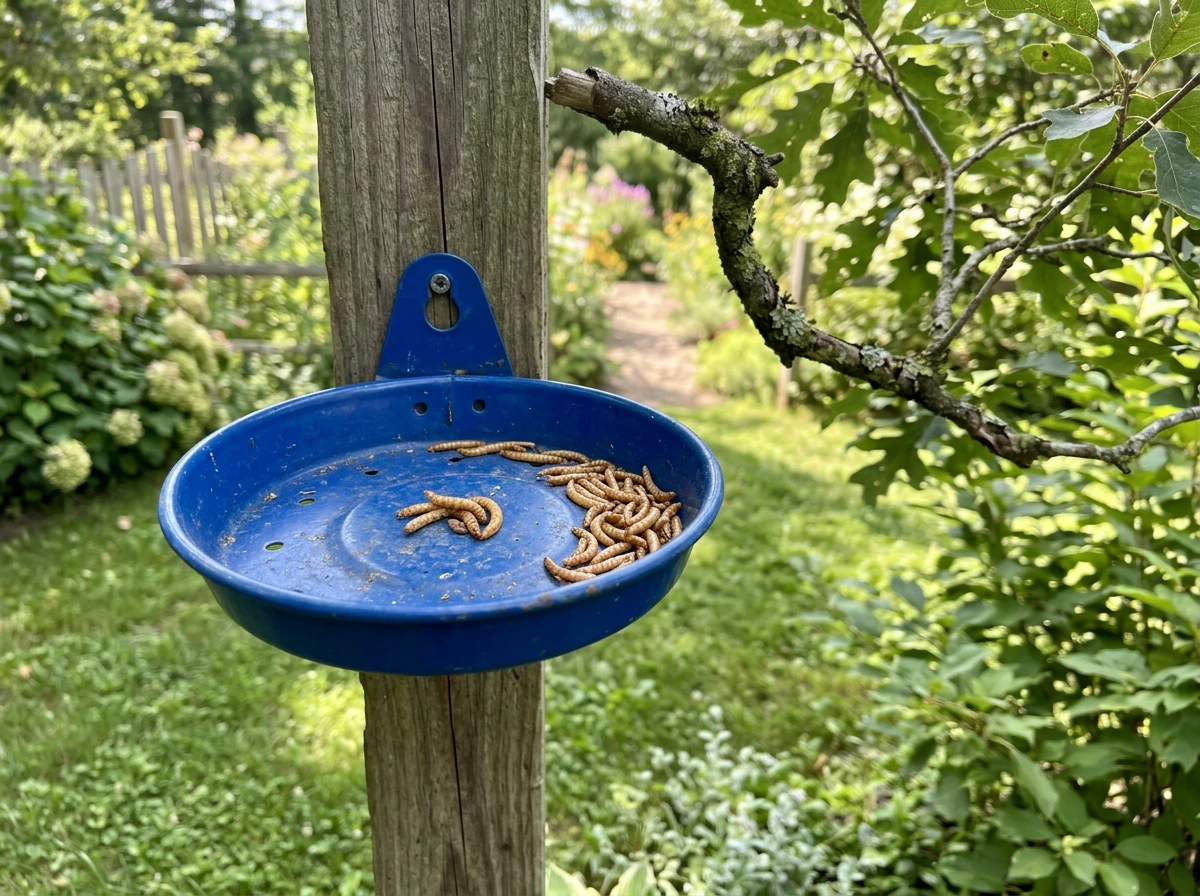
Because bluebirds are ground-foragers by instinct and food-picky by nature, they need a feeder design that matches how they naturally eat. The two feeder types that consistently work are <a data-article-id="17B5CCA7-6A66-4EDD-98B0-19192AC56508">dedicated mealworm dishes</a> and enclosed platform feeders with small entry holes, which many people consider the best ground bird feeder option for bluebirds. Here's how each one plays out in practice.
Open dish or tray feeders for mealworms
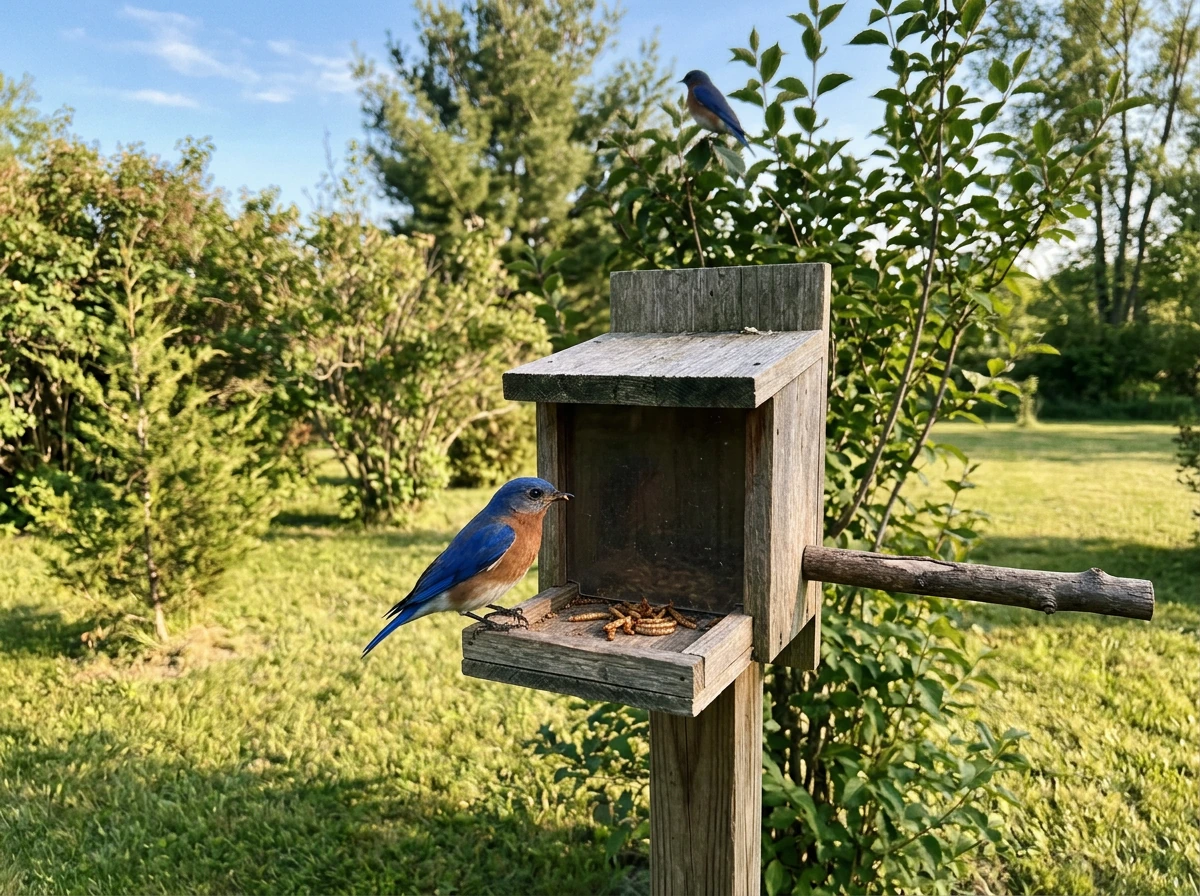
A simple open dish or tray mounted at roughly 4 to 5 feet off the ground is the most effective bluebird feeder you can buy. If you also want the same kind of guidance for smaller species, the best small bird feeders roundup can help you compare size and access features quickly. If you’re also looking to accommodate other pets and yard situations, the best bird feeders for cats comparison can help you think through access and placement. Bluebirds spot live or dried mealworms from a perch, drop down, grab one, and return to their perch. A shallow dish with good visibility on all sides mimics the open-ground feeding they do naturally. Look for dishes with drainage holes so mealworms don't rot in the rain, and a rim height of no more than 1.5 to 2 inches so birds can see the food clearly and hop in easily.
Enclosed platform feeders with entry holes
An enclosed platform feeder, sometimes called a bluebird feeder or bluebird diner, has a small round entry hole (typically 1.5 inches in diameter) on one or both sides of a covered tray. That hole size is critical: it's large enough for a bluebird (which is roughly the size of a large sparrow) but too small for starlings and grackles to squeeze through. Inside, you place mealworms, fruit pieces, or bluebird-specific suet nuggets. The roof keeps food dry and makes the feeder usable year-round. This design is the best choice if you have persistent bully birds in your yard.
What to skip
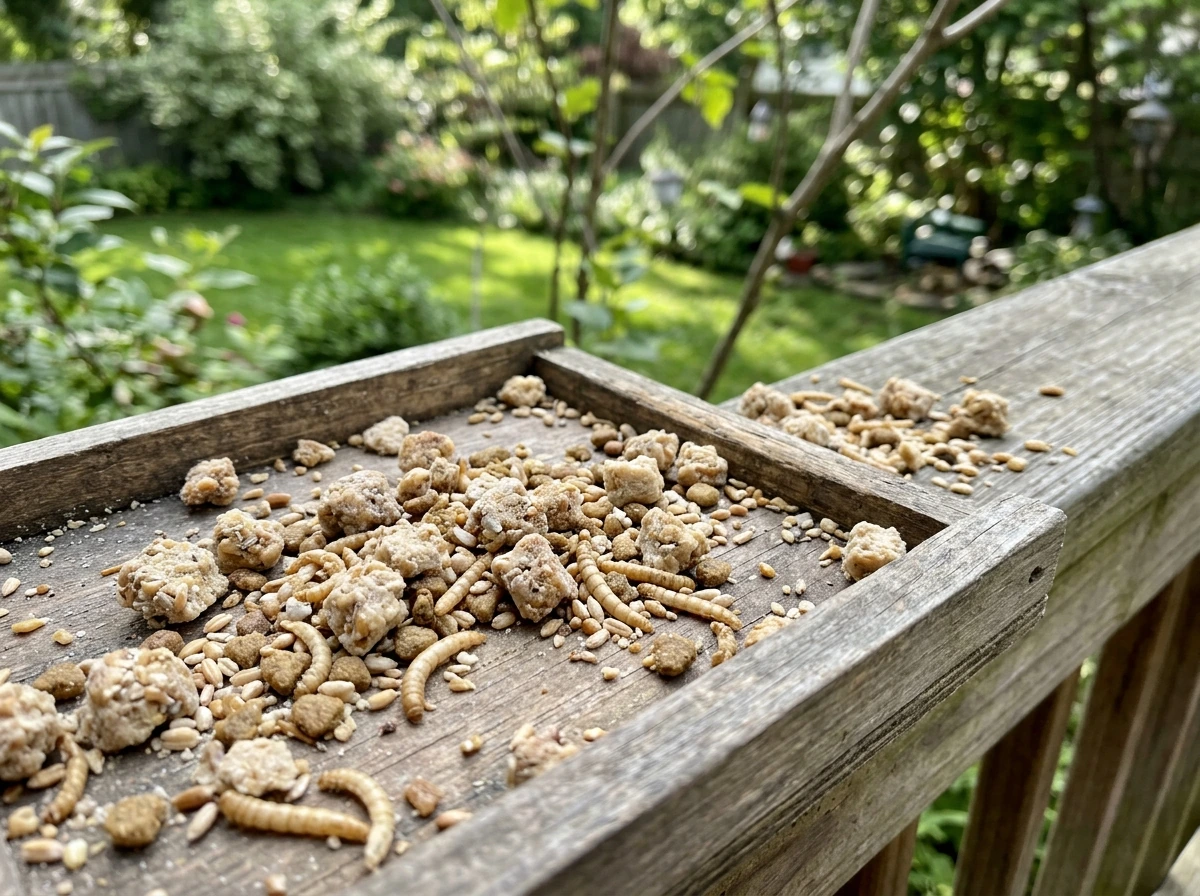
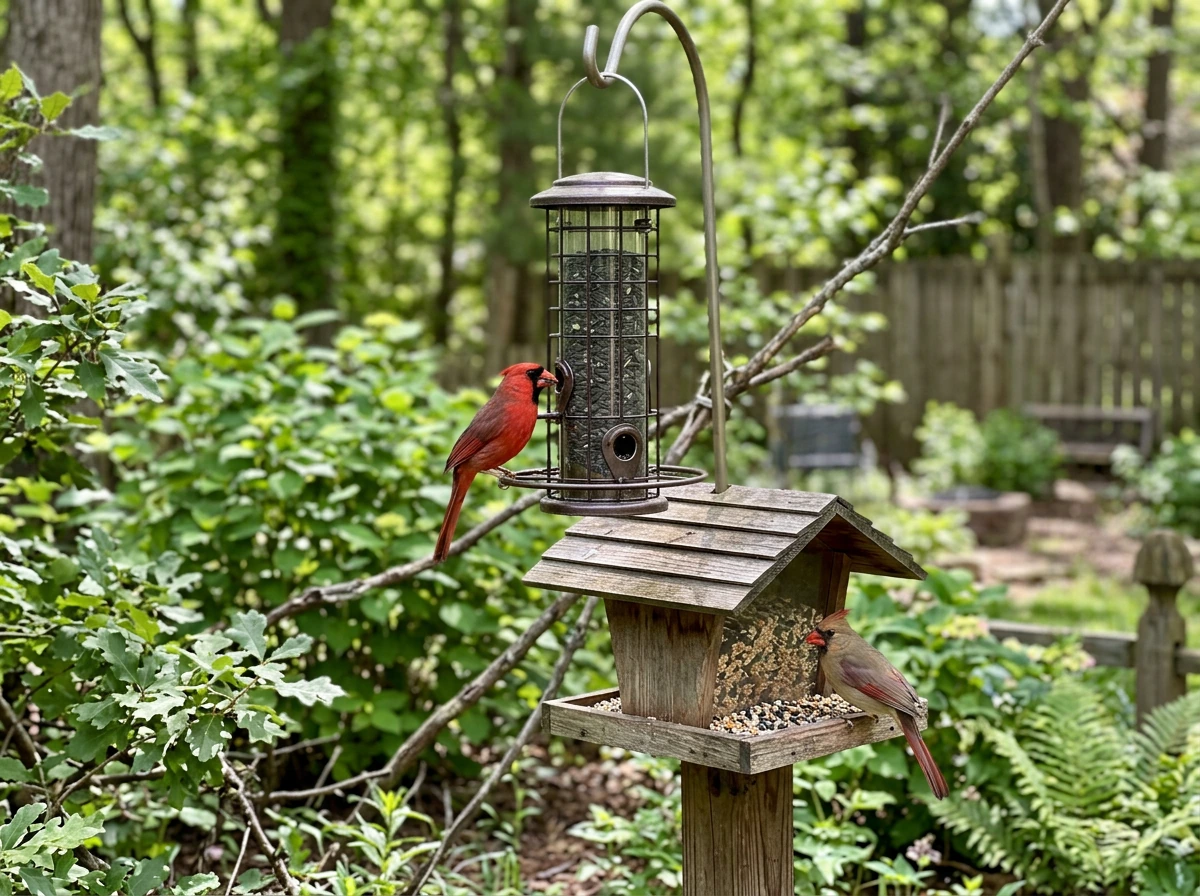
Tube feeders, hopper feeders, and standard suet cages are largely a waste of time for bluebirds. They're designed for seed-eating birds or woodpeckers, and bluebirds have little reason to interact with them. If you're also feeding other species and want guidance on what works for those setups, <a data-article-id="DB8A28F8-0037-4D10-9D74-F9657D55BDDD">best bird feeders for cats</a> If you want a similar roundup for hummingbirds instead, see our guide on the best bird feeders for hummingbirds best bird feeders for cats. If you want to compare feeder options for other backyard birds, you can also check the best bird feeders for robins best bird feeders for cats. If you want a similar roundup specifically for cardinals, check out the best bird feeders for cardinals.
Best bird foods to attract bluebirds (specific options)
This is where most people either succeed or fail with bluebirds. Get the food right and everything else becomes easier.
Live mealworms
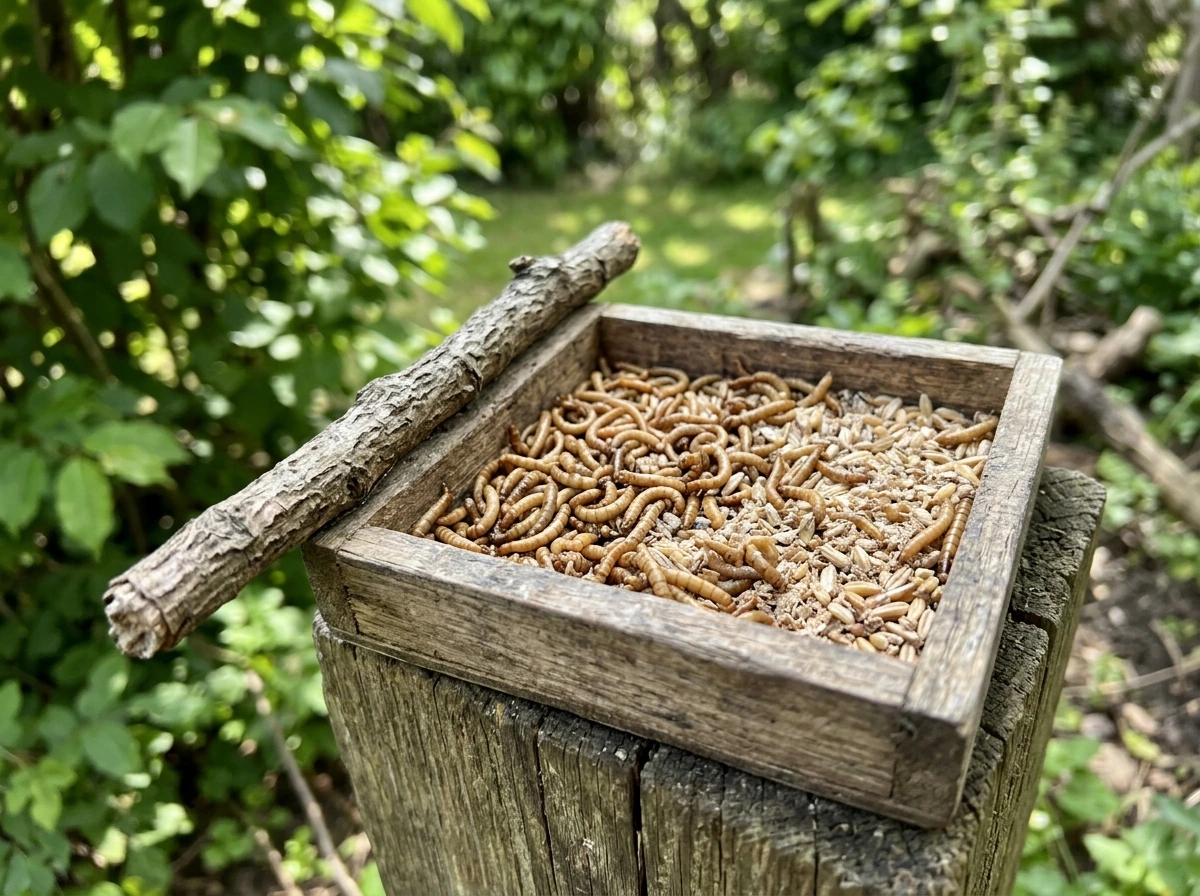
Live mealworms are the single most reliable food for attracting bluebirds. The movement catches their eye from a distance, and the nutritional profile matches what they'd find hunting on their own. You can buy them in bulk (typically 500 to 5,000 count) from farm supply stores or online. Store them in a cool location (around 45 to 50 degrees F) to slow their metabolism and extend shelf life. One caution: don't offer so many at once that they escape the dish and create a mess. A small daily ration of 20 to 30 mealworms is a good starting point.
Dried mealworms
Dried mealworms are a practical alternative when live ones aren't feasible. They're shelf-stable, widely available, and easy to store. Bluebirds do accept them, though live mealworms will generally get a faster response when you're first trying to establish a feeding relationship. Some birders report success soaking dried mealworms in water for a few minutes before placing them in the dish, which improves their texture and makes them slightly more visible. If you want a dedicated resource for mealworm feeder setups, the guide on the best bird feeders for mealworms goes deeper on feeder-specific features for that food. If you want a dedicated resource for mealworm feeder setups, the guide on the best bird feeders for mealworms goes deeper on feeder-specific features for that food.
Fruit and berries
In fall and winter, supplementing with fruit is highly effective. Blueberries cut in half, chopped raisins soaked briefly in water, and small pieces of grape or apple work well. Native berry-producing plants in your yard will also help: serviceberry, dogwood, holly, and elderberry are all attractive to bluebirds and reduce the amount of supplemental feeding you need to do.
Bluebird suet nuggets
Several manufacturers make suet-based nuggets or kibble specifically formulated for bluebirds, typically with dried mealworms or fruit mixed in. These work well in enclosed platform feeders and are less messy than live mealworms. They're a solid option for cold-weather feeding when you want something that won't freeze solid or spoil quickly.
Placement and setup for bluebirds (mounting, distance, habitat cues)
Even the right feeder with the right food won't work if it's in the wrong spot. Bluebirds are birds of open country: they prefer yards with short grass, scattered trees or shrubs, and clear sightlines. A feeder buried in a dense garden or near thick shrubs won't get many visitors. Here's how to set it up correctly.
- Mount the feeder at 4 to 5 feet off the ground on a smooth metal pole with a baffle below it. This height mimics natural feeding behavior and makes the feeder accessible without being on the ground where cats are a threat.
- Place the feeder within 50 to 100 feet of a perch: a low fence, a dead tree branch, a clothesline post, or a nearby shrub. Bluebirds hunt from perches, so they need one close by to use a feeder regularly.
- Keep at least 10 to 15 feet of open space around the feeder so bluebirds can approach without feeling hemmed in. They're skittish compared to house sparrows or starlings.
- If you have a bluebird nest box, place the feeder within visible range of it (roughly 50 to 75 feet), especially during nesting season. Nesting pairs will use a nearby feeder heavily when feeding chicks.
- Face the feeder entry holes toward a perch or open area rather than toward a wall, fence, or thick vegetation.
- Avoid placing bluebird feeders directly next to busy seed feeders. The activity and noise from house sparrows and starlings can discourage bluebirds from approaching.
Choosing the right features (weather durability, access control, mess reduction)
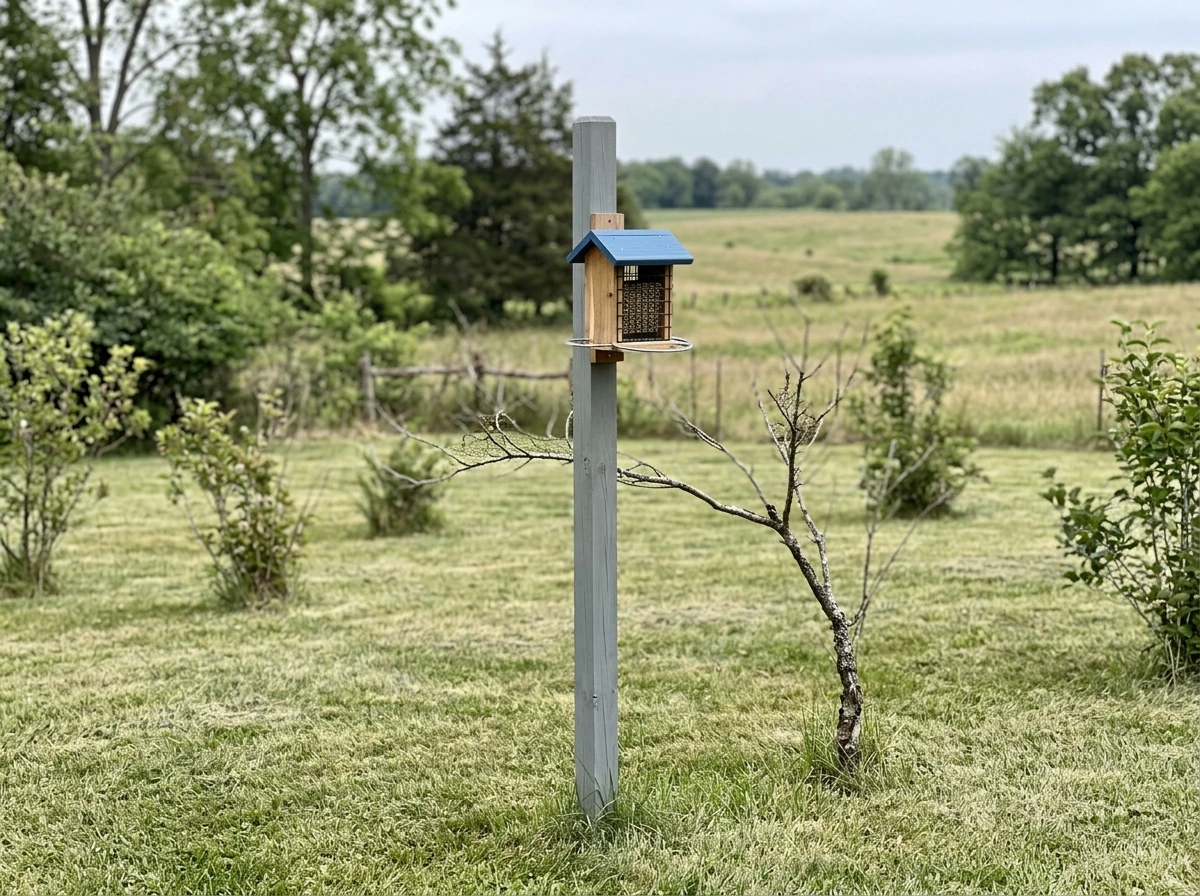
Once you know the basic feeder type you want, here's how to compare specific products and features to find one that actually holds up in real-world conditions.
| Feature | What to Look For | Why It Matters for Bluebirds |
|---|---|---|
| Entry hole size | 1.5 inches diameter | Excludes European starlings and grackles while allowing bluebird entry |
| Roof/cover | Overhanging roof with at least 2-inch overhang | Keeps mealworms and fruit dry so they don't rot after rain |
| Tray drainage | Holes or mesh bottom | Prevents standing water that spoils food and harbors bacteria |
| Material | Cedar, recycled poly lumber, or UV-stable poly resin | Resists warping, fading, and moisture better than pine or cheap plastic |
| Mounting compatibility | Pre-drilled for pole mount or shepherd's hook | Makes it easy to add a squirrel/predator baffle below |
| Visibility | Clear or open sides on enclosed feeders | Lets bluebirds see the food from a distance; also lets you monitor food levels |
| Cleaning access | Removable tray or hinged roof | Mealworm feeders need cleaning every 2 to 3 days to prevent mold and bacteria |
On the material question: cedar is a classic choice because it's naturally rot-resistant, looks attractive, and holds up well in most climates. Recycled poly lumber (made from recycled plastic) is essentially maintenance-free and won't crack or warp even through freeze-thaw cycles, making it worth the slightly higher price if you live somewhere with harsh winters or humid summers. Avoid feeders with metal hardware that can rust out after a season or two, particularly the screws and hinges.
On bully bird exclusion: the 1.5-inch entry hole is your first line of defense, but it won't stop every species. Chipping sparrows and Carolina wrens can fit through that opening. If you're in an area with heavy sparrow pressure, look for a feeder with a short perch or no perch at all. Bluebirds can hover briefly or land on the edge of a dish; house sparrows need a perch to feel comfortable. Removing or trimming the perch is a simple modification that can significantly reduce sparrow competition.
Troubleshooting if bluebirds aren't visiting (what to change)
If you've had the feeder up for two weeks with no bluebird activity, work through this list before assuming bluebirds simply aren't in your area.
- Confirm bluebirds are actually present nearby. Check eBird for recent sightings within a few miles of your address. If there are no reports, you may need to wait for the right season or consider habitat improvements first.
- Switch to live mealworms if you started with dried. The movement of live mealworms is a much stronger visual cue for bluebirds that haven't been conditioned to a feeder yet.
- Move the feeder closer to a good perch. If the nearest perch is more than 100 feet away, bluebirds may not connect the feeder with a food source. A simple wooden post with a horizontal perch rod added near the feeder can solve this.
- Reduce competition. If the feeder area is overwhelmed by starlings, house sparrows, or other species, try an enclosed feeder with a 1.5-inch entry hole and remove any seed feeders within 20 feet temporarily.
- Check food freshness. Mealworms sitting in a dish for more than a day or two in warm weather can spoil. If the food looks dark, smells off, or has dead mealworms piled up, clean the dish and start fresh. Bluebirds will avoid stale food.
- Try a different location. If the feeder is near dense shrubs, a busy area of the yard, or close to a window that creates glare, bluebirds may find it intimidating. Open, calm, and slightly elevated works best.
- Add habitat cues. If your yard is mostly lawn or dense plantings with no open foraging areas, consider adding a birdbath (bluebirds are strongly attracted to moving water), planting a native berry shrub, or installing a nest box nearby. These habitat signals tell bluebirds your yard is worth investigating.
One last thing worth knowing: bluebirds are creatures of habit once they find a reliable food source. The first visit might take patience, but once a pair discovers your feeder and starts returning, they'll often bring juveniles and return year after year to the same spot. The setup effort you put in now pays off for multiple seasons.
FAQ
Will bluebirds eat mealworms from a regular bird feeder if I just put some mealworms in it?
Usually no. The feeder design matters, because many common feeders are built for seed-eating grips. Use a shallow dish or an enclosed platform with small entry holes, and avoid tube or hopper seed feeders where bluebirds cannot reach food in the right way.
How high should I place a bluebird feeder to avoid starlings and keep it accessible?
Aim for about 4 to 5 feet off the ground for open dishes, so bluebirds can spot it from a perch and drop down. For enclosed platforms, keep the tray at a similar height and ensure there is clear sightlines, because placement near dense cover reduces visits.
What do I do if I attract more sparrows than bluebirds?
Check bully bird access points. The entry-hole size helps, but some sparrows and wrens can still exploit the opening. If your feeder has a perch, remove it or trim it short, and consider choosing a feeder model with minimal or no perch to make it less comfortable for sparrows.
How long should I wait after changing feeders or foods before assuming it will not work?
Give it at least two weeks, since bluebirds can take time to discover a reliable food source. If there is zero activity after that, re-check food type (live mealworms typically work fastest), feeder placement, and whether the feeder is being crowded by other birds.
How many mealworms should I offer at one time so they do not escape or spoil?
Start with a modest daily ration, around 20 to 30 mealworms, and observe. Offering too many at once can lead to mealworms crawling out of shallow dishes or creating a mess, especially in warm weather.
Do dried mealworms need any preparation before offering them?
They can work straight out of the package, but some people improve results by soaking dried mealworms in water for a few minutes to improve texture and visibility. If you do soak them, drain excess water so the dish does not become overly wet.
Can I feed mealworms year-round, or should I switch foods by season?
Mealworms are most dependable for consistent visits, but bluebirds shift diets in fall and winter toward berries and small fruits. In cold months, supplement with fruit pieces (and consider suet nuggets designed for bluebirds) to reduce reliance on live insects when they are harder to find.
What fruit and fruit prep works best, and how do I prevent it from rotting?
Use small, bite-sized pieces, and keep portions small enough to reduce spoilage. Halved blueberries and chopped apple or grape tend to work well when offered in manageable amounts, and the roofed feeder option helps fruit stay usable longer in wet weather.
Is suet-based food a good replacement for live mealworms?
It can be a strong alternative, especially in colder weather, because it stays in place in enclosed platform feeders and is less messy. However, if you are trying to start attracting bluebirds in the first place, live mealworms often produce faster responses due to movement and visibility.
What feeder material is best if I live in a humid or freeze-thaw climate?
Recycled poly lumber is usually the most maintenance-free choice because it resists cracking and warping through freeze-thaw cycles. Cedar is rot-resistant and attractive, but if you have harsh winters or persistent moisture, prioritize designs and hardware that avoid rust-prone metal parts.
Do I need drainage holes even for enclosed feeders?
Yes, drainage still matters for trays in wet climates. Mealworms and fruit can spoil quickly when sitting in pooled moisture, so choose designs with tray drainage or be prepared to clean and dry the tray regularly after rain.
How can I tell if the feeder is being used by bluebirds versus just other species?
Look for bluebird behavior patterns, drop-and-pick feeding from a perch (for open dishes) or entry-then-peck behavior (for enclosed platforms). In contrast, seed-eating birds tend to hang at open seed ports or rely on large feed openings, and bully birds often congregate where perches make access comfortable.
Next Article
Best Bird Feeders for Cardinals: Types, Setup, and Tips
Best bird feeders for cardinals: tube and outdoor setups, ideal seed, placement, and squirrel and pest-proofing tips.