If you want to reliably attract goldfinches, pine siskins, and redpolls to your backyard, a dedicated nyjer feeder is the single best investment you can make. Not just any tube feeder pulled off the shelf, though. Project FeederWatch also notes that special small feeding ports are required for nyjer to help prevent spillage blank" rel="noopener noreferrer">Not just any tube feeder pulled off the shelf. Nyjer seed (sometimes called thistle) is tiny, oil-rich, and expensive enough that you really do not want it on the ground. The right feeder keeps it in place, dry, and accessible to finches while making it annoying enough for squirrels and large pest birds that they give up and leave. Here is exactly what to look for and which style will work best for your setup.
Best Nyjer Bird Feeder: How to Choose for Finches
What nyjer seed actually needs from a feeder
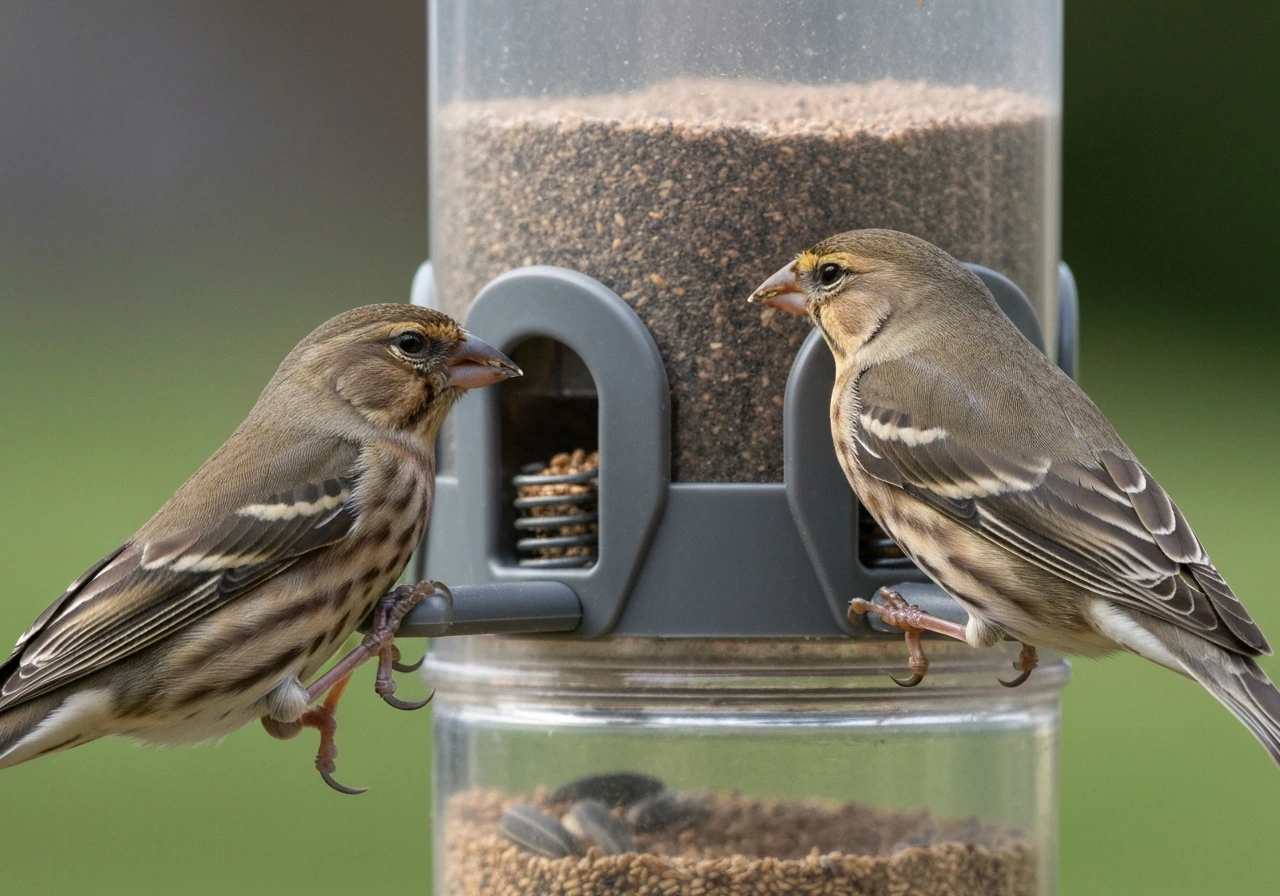
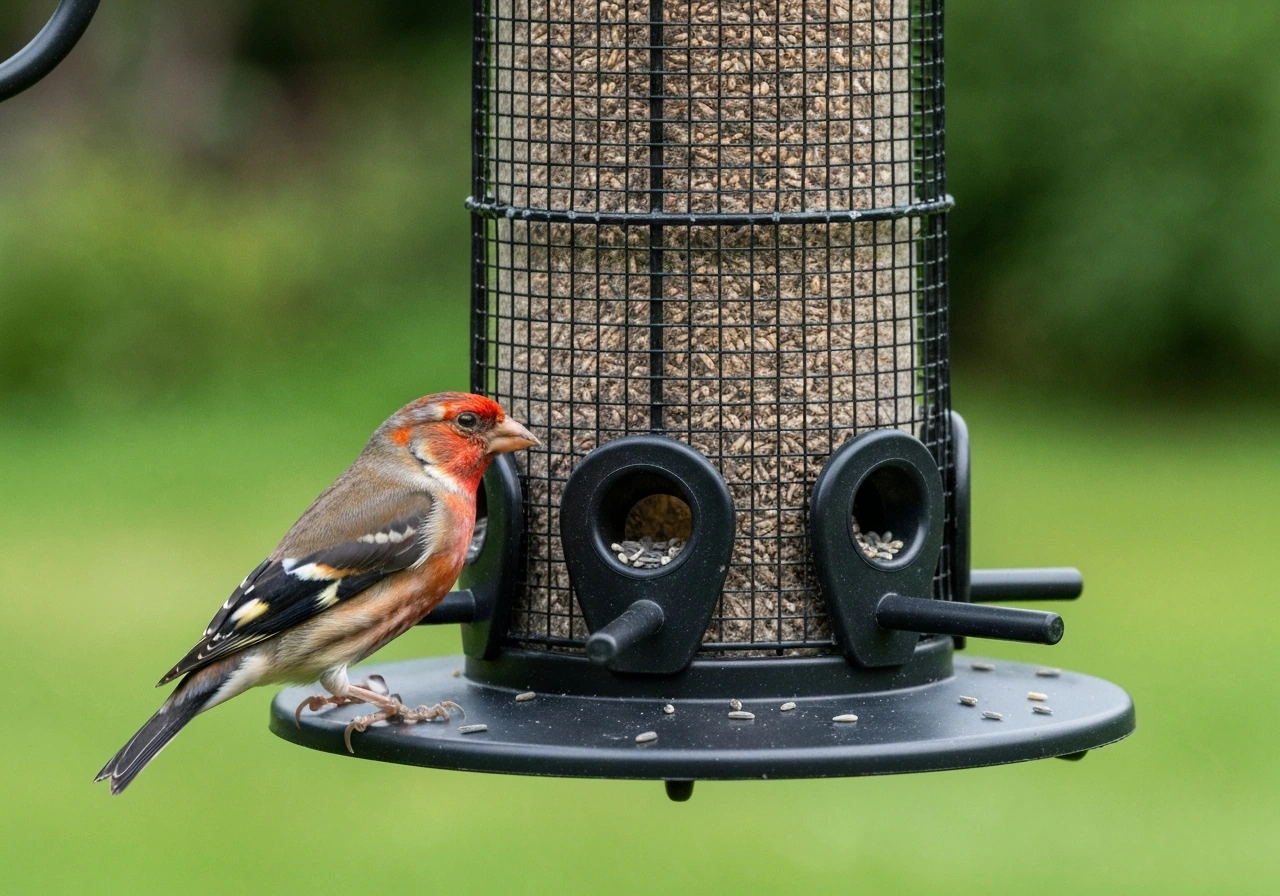
Nyjer is not like sunflower seed. It is small and light enough that standard tube feeder ports will let it pour out freely the moment a bird lands. If you are specifically targeting nyjer or thistle, Reddit users also emphasize matching tiny ports on a tube feeder to reduce waste and competition blank" rel="noopener noreferrer">nyjer seed in tube feeder ports. Project FeederWatch is pretty direct about this: special small feeding ports are required for nyjer seed specifically to prevent spillage. Heath Outdoor Products goes further and describes the ideal nyjer port as a small slit rather than a round hole, so the seed can only come out when a finch actively works it. Get this wrong and you will lose a pound of seed in a day just from wind and clumsy feeders.
Beyond port geometry, moisture is nyjer's worst enemy. Nyjer is highly susceptible to moisture, mold, and spoilage inside tube feeders, especially in humid climates or rainy seasons. Damp seed clumps, blocks the ports, and gets ignored by birds. This is why weather resistance and internal venting are not just nice extras on a nyjer feeder, they are genuinely functional requirements.
The birds you are targeting also matter for feeder design. American Goldfinches take primarily nyjer and sunflower at feeders, and they are acrobatic enough to feed upside down. Purple finches, house finches, pine siskins, and common redpolls round out the visitor list for a well-placed nyjer feeder. These are all small birds, which means short perches and tight ports actually help you here: they exclude grackles, jays, and starlings that would otherwise dominate the feeder and scatter seed everywhere.
The three feeder styles worth considering
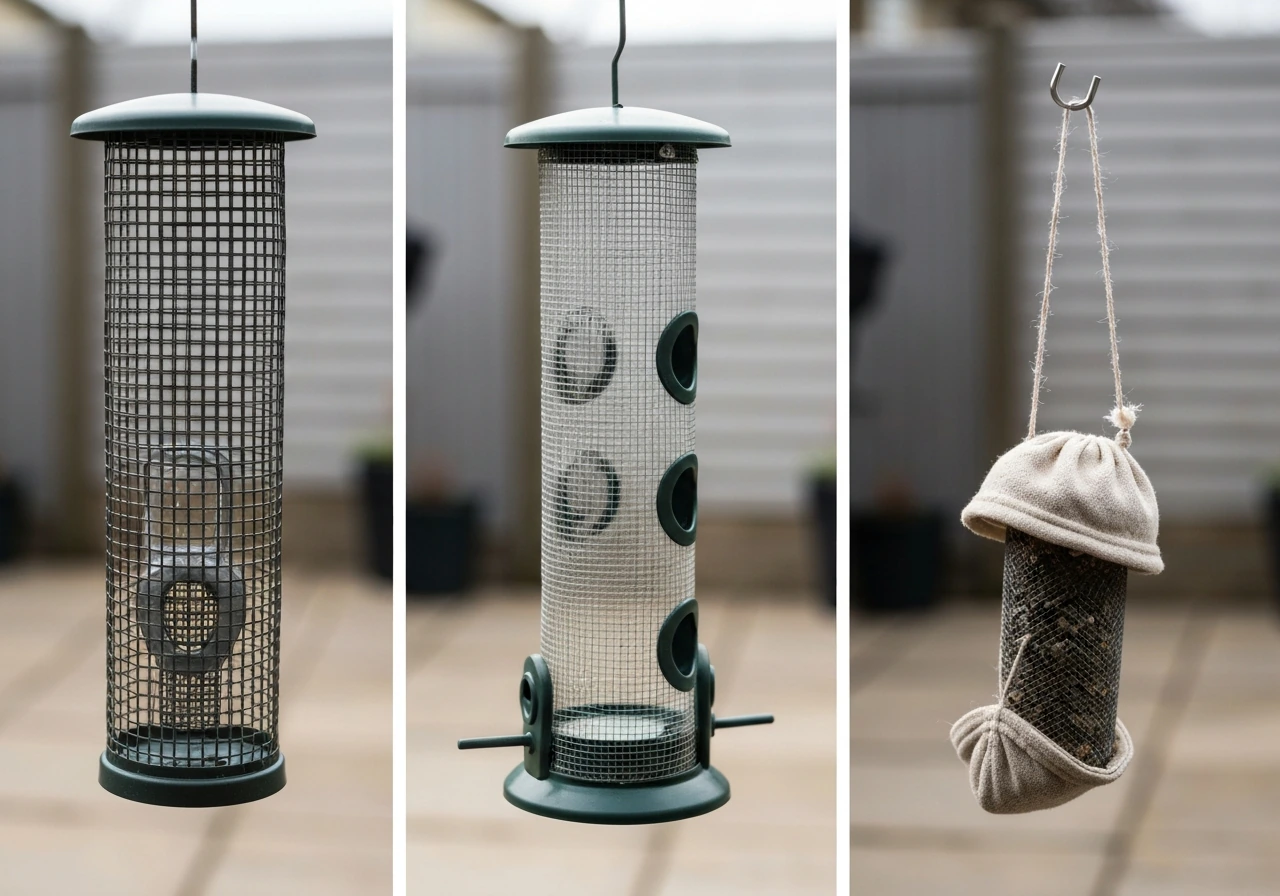
There are really three designs built specifically for nyjer: tube feeders with nyjer-specific ports, mesh tube or cylinder feeders, and sock feeders. Each has a clear use case.
Tube feeders with nyjer ports
This is the classic approach and the most durable long-term option. A standard nyjer tube feeder holds around 1 quart (roughly 1 to 1.5 lbs of seed), though larger models like Brome's Squirrel Buster Nyjer hold up to 2.4 lbs. Port design is everything here: the slit-style port from Heath and the spring-loaded ports on the Brome Squirrel Buster both restrict seed flow so it only dispenses when a bird is actively feeding. Droll Yankees' thistle tubes add zinc die-cast ports and a powder-coated finish, which holds up better in sun and rain than bare plastic. If you are only buying one feeder and want it to last several seasons, a well-built tube feeder is the right choice.
Mesh tube feeders
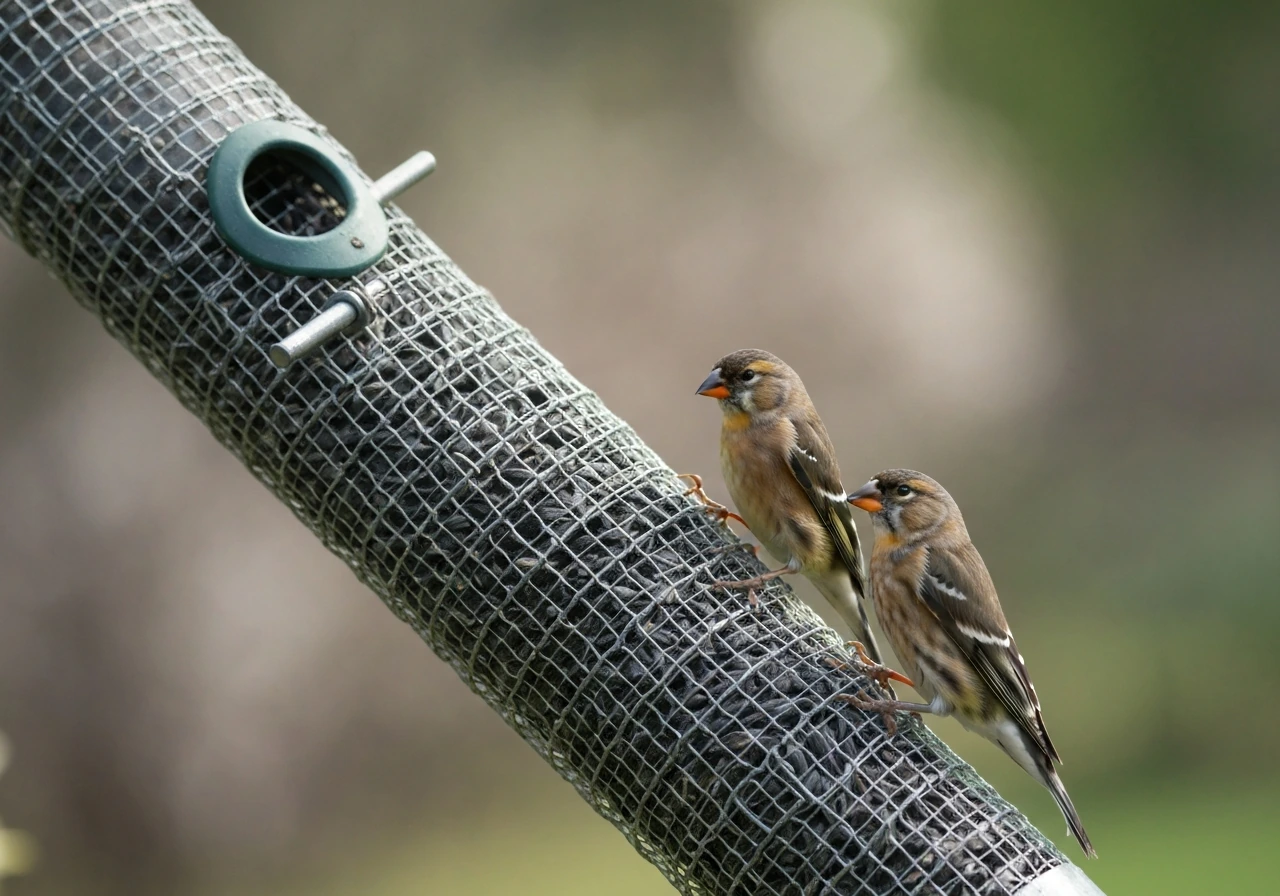
Mesh feeders swap the solid tube for a woven metal or fabric cylinder. Duncraft's Bird-Safe Nyjer Mesh Feeder holds about 2.25 lbs of seed, and the mesh body lets finches cling anywhere and pull seed through the openings. This style is excellent for attracting more birds at once since there is no defined perch count, and the mesh naturally slows seed flow. The downside is that mesh can trap moisture against the seed if it does not drain and dry fast enough, so placement in a spot with good airflow matters more.
Sock feeders
Sock feeders are simple mesh bags, usually disposable or semi-reusable. Chuckanut Products says finches actually prefer mesh socks over traditional tube feeders, and the clinging behavior they encourage (goldfinches, siskins, and redpolls all feed naturally from them) does seem to increase activity. Wild Birds Unlimited notes their finch sock design lets birds feed both right-side-up and upside-down, which suits goldfinches perfectly. The limitation is durability and capacity: socks are not squirrel-proof, they degrade in UV, and you are replacing them every season or two. They are best as a low-cost secondary feeder or a starter option while you figure out your bird traffic.
Style comparison at a glance
| Feature | Tube Feeder | Mesh Tube Feeder | Sock Feeder |
|---|---|---|---|
| Typical capacity | 1–2.4 lbs | 2–2.25 lbs | Under 1 lb |
| Port control | Slit or spring ports | Mesh surface | Mesh surface |
| Squirrel resistance | Good (with cage or baffles) | Moderate | Poor |
| Weather resistance | High (vented models) | Moderate (needs airflow) | Low |
| Ease of cleaning | Easy (removable parts) | Moderate | Disposable |
| Bird preference | Finches (all species) | Finches (clinging) | Finches (clinging) |
| Best for | Long-term, reliable setup | High-traffic yards | Casual/budget use |
If I had to pick one: a squirrel-resistant tube feeder with nyjer-specific ports for most setups, with a mesh feeder added if you already have reliable finch traffic and want to serve more birds at once.
What to look for in a quality nyjer feeder
Durability and materials
Cheap plastic tubes crack after one winter. Look for UV-stabilized polycarbonate, powder-coated metal components, or zinc die-cast ports and bases. The Droll Yankees approach, using zinc die-cast tops and bases with stainless steel wire reinforcement, is a good benchmark. Stainless steel components resist corrosion and, importantly, squirrels cannot chew through them the way they can with standard plastic. A feeder with a snug-fitting sliding cap rather than a friction-only lid also helps keep seed dry and discourages casual squirrel access.
Weather protection and venting
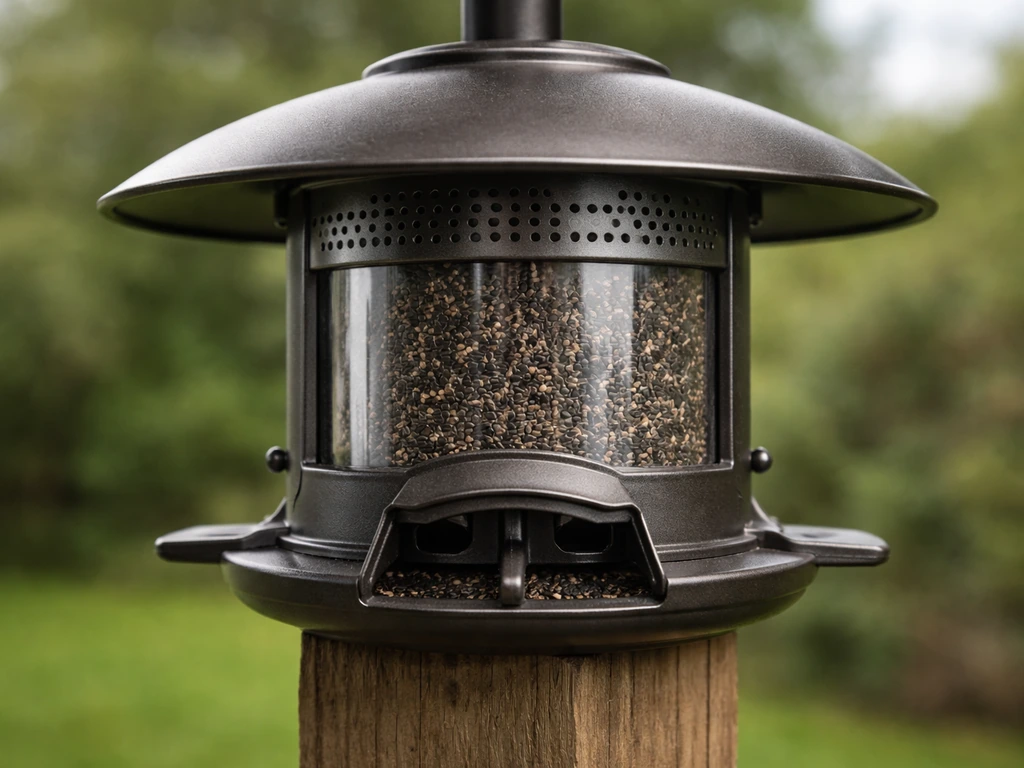
This is where many nyjer feeders fail silently. Brome's Squirrel Buster Nyjer uses a feature they call Seed Tube Ventilation, which vents hot, humid air out through openings at the top and draws in fresh air from below. It sounds like marketing until you have opened a standard tube feeder after a hot week and found the seed caked solid at the bottom. Ventilation genuinely makes a difference for seed freshness and port function. If a feeder does not have some airflow design built in, at minimum make sure it has drainage holes at the base so water does not pool.
Cleaning and refilling
Nyjer should be cleaned out and replaced every few weeks in warm weather because old, damp seed is the main reason finches stop visiting a feeder they previously loved. Choose a feeder with removable base and top, wide enough tube openings to get a brush inside, and ports that can be disassembled. Feeders that come apart without tools are genuinely worth the small price premium. I clean my tube feeders with a bottle brush and a 10% bleach solution, rinse well, and let them air dry completely before refilling. Skipping this step is the number one reason people tell me their finch traffic dropped off mid-summer.
Squirrel-proofing and keeping pest birds out
Squirrels will absolutely chew through a plastic nyjer feeder if they decide the seed is worth it. There are two reliable approaches: buy a purpose-built squirrel-resistant feeder, or mount a standard feeder with an effective baffle system. Both work, and the best setups use a combination.
For built-in squirrel resistance, Brome's Squirrel Buster Nyjer is the standout option. It is a 32-inch feeder with a weight-sensitive mechanism that closes ports when anything heavier than a small finch lands on it. Squirrels get nothing. The stainless steel components mean they also cannot chew their way in. The 2.4 lb capacity means you are not refilling it every two days, which matters if you get serious finch traffic.
If you are going the baffle route, placement math matters. Squirrels can jump approximately 10 feet horizontally and about 4.5 to 5 feet straight up. A baffle needs to sit at least 4 feet off the ground, and the feeder needs to be at least 8 to 10 feet from any tree, fence, or structure a squirrel can launch from. A tilting or domed baffle at least 18 inches in diameter placed above the feeder on a hanging line is effective too. For hanging setups, threading plastic tubing onto the line that spins when a squirrel walks on it adds another layer of deterrence.
Larger pest birds like grackles and starlings are mostly handled by the feeder design itself. Nyjer-specific slit ports and short perches exclude them naturally because they cannot physically hold on and work the tiny openings. An upside-down tube feeder takes this further: Duncraft's Upside Down Finch Feeder has six ports positioned so birds must hang to feed. Goldfinches do this easily; grackles do not. It holds 1.25 lbs of nyjer and the multi-port design means less queuing and less seed scattered under the feeder.
Where and how to hang your nyjer feeder
Height and placement affect how quickly finches find the feeder and how safe they feel using it. A general target is 5 to 6 feet off the ground, which is high enough to reduce predator pressure while keeping the feeder accessible for you to refill and clean without a ladder. Pole-mounted setups around 4 to 5 feet work if paired with an effective squirrel baffle.
Distance from cover matters more for nyjer feeders than most people realize. Finches are skittish and prefer to have nearby shrubs or trees to retreat to. Placing the feeder about 10 to 12 feet from a hedge or dense shrub gives birds a safe landing zone without putting the feeder so close to cover that squirrels use the branches as a launch pad. Avoid placing nyjer feeders in exposed, windy spots because wind accelerates seed spillage from even well-designed port feeders.
If you are working with a smaller outdoor space, nyjer feeders adapt well to compact setups. Lightweight tube feeders can be mounted on window hooks, shepherd's hooks, or balcony railings with minimal hardware. If you are setting up in a dense urban environment, species like goldfinches and house finches are surprisingly comfortable visiting city yards, and the tips in resources like guides for urban bird feeders apply directly to nyjer setups too.
For apartment dwellers or anyone working with a confined space, a slimmer tube feeder on a tension pole or over-the-railing hook is the most practical mounting solution. You can find more setup-specific ideas tailored to smaller spaces in advice on bird feeders designed for apartment balconies, where lightweight and compact designs are the priority.
Regional climate also shapes what style works best. If you are in the upper Midwest, where winters are harsh and squirrel pressure is intense year-round, a vented squirrel-resistant tube feeder is a better long-term investment than a sock or mesh style. Birders in colder northern cities deal with heavier finch traffic in winter, and recommendations built around bird feeders for Chicago give a good sense of which feeder materials and mounting setups hold up in those conditions. Similarly, if you are on the East Coast, the setup guidance in guides to the best bird feeders for New York City covers weatherproofing and mounting solutions relevant to nyjer feeders in wet, variable climates.
How to pick the right feeder for your specific setup
Run through these questions before you buy. The answers will narrow your options fast.
- Do squirrels actively raid your current feeders? If yes, go straight to the Brome Squirrel Buster Nyjer or a standard tube feeder with a proven baffle system. Do not start with a sock or basic mesh feeder in a high-squirrel yard.
- How much space do you have? A full pole-mounted setup with baffle needs clearance from trees and fences. If you are working with a small yard, balcony, or urban setup, a single hanging tube on a shepherd's hook is more practical and easier to position correctly.
- How often can you realistically refill? A 2.4 lb squirrel-resistant tube feeder is the best low-maintenance option. A 1-quart standard tube is fine if you check it every few days. Sock feeders need replacement, not just refilling, when they degrade.
- Is grackle or starling pressure a problem in your yard? If so, prioritize upside-down port designs or short-perch tubes with narrow slit ports. This handles most large-bird exclusion without a cage.
- What is your climate like? High humidity or frequent rain means you need either a vented tube feeder or a mesh feeder in a sheltered spot. Dry climates are more forgiving, and basic tube feeders work fine.
- Are you attracting city birds or rural/suburban finches? In dense urban environments, the best bird feeders for city use tend to be compact and easy to mount, which applies equally to nyjer feeders in urban yards.
For most backyard setups, here is the short answer: start with a squirrel-resistant tube feeder with nyjer-specific ports, mount it on a pole with a baffle at least 4 feet off the ground and 10 feet from any launch point, and add a mesh feeder once you have consistent finch traffic and want to accommodate more birds at once. Refresh the seed every two weeks in warm weather, clean the feeder monthly, and you will have reliable goldfinch visits within a few days of first filling it, usually faster if the feeder is visible from the sky and near some shrub cover.
FAQ
Can I use nyjer seed in any tube feeder I already own?
Yes, but only if the feeder is built for nyjer. Use nyjer-specific ports (often a slit-style opening) and avoid any tube feeder with standard round ports, because the tiny seed will spill as soon as birds land and even more will blow out in wind.
How do I stop nyjer from molding or caking inside the feeder?
Not reliably. Nyjer is very sensitive to dampness, and even if it does not mold, it can cake at the bottom and block ports. If your area is humid or you get frequent rain, prioritize a feeder with venting and drainage, and consider swapping nyjer more often, not just topping it off.
What should I do if squirrels keep emptying my nyjer feeder?
If squirrels are getting through, do not “fix it” with a loose cap or wider ports. Upgrade to a purpose-built squirrel-resistant nyjer feeder, or add a baffle sized to your mounting method (pole, hanging line, or eave). Also check that the feeder is far enough from branches, because squirrels often access the feeder by launching from nearby cover.
Why does my nyjer feeder spill seed even though the ports look small?
If you see seed loss mostly when it is windy, it is usually a port fit or design issue, not refill timing. Look for nyjer slit ports, spring-loaded or weight-triggered ports, and a feeder top that seals snugly. For hanging setups, ensure the feeder is not swinging in gusts, because movement increases spillage.
Can I mix nyjer with sunflower seed in the same feeder?
Use nyjer only and do not mix it into a sunflower-only feeder. Mixing can make birds pick and scatter other seeds into the nyjer ports, and any leftover damp hulls can worsen caking. If you want variety, run a separate sunflower feeder next to your nyjer setup.
What height is best if I live in a small yard or apartment balcony?
Start with 5 to 6 feet as your default, then adjust for safety and visibility. Too low increases predator and squirrel access, too high can reduce finch visitation unless they already use that area. If you are in an apartment balcony or small yard, choose a compact tube and place it where you can see it from inside so you notice port clogs early.
How often should I clean, and what part is most important to scrub?
Cleaning is mostly about preventing hidden “seed paste” at the bottom and around the port seals. Remove the base and top if possible, scrub the inside with a bottle brush, rinse thoroughly, and let it dry completely before refilling. If you cannot fully disassemble ports, plan to switch to a model with tool-free port access.
My finches visited last week, now they are gone. How do I troubleshoot quickly?
Stale seed can cause a quick drop in visits even if the feeder looks clean. If birds stop coming, dump and replace the seed, inspect for clumps at the bottom or blocked openings, and wipe the ports dry. In hot weather, you may need more frequent changes than the usual every two weeks.
Do I still need a baffle if I buy a squirrel-resistant nyjer feeder?
Use a baffle even for “squirrel-resistant” models if you have trees or fences within a squirrel launch distance, because some squirrels learn routes. For baffle placement, keep the baffle height and the feeder spacing consistent, and do a test by watching during peak activity times (early morning and late afternoon).
Which nyjer feeder type is safest in rainy or humid climates?
Not ideal. Sock and mesh styles can work, but they are more sensitive to wet conditions because they hold moisture against seed. If you experience frequent humidity or rain, choose the tube style with venting and drainage first, then add mesh later if your finch traffic is consistent.
Best Red Cardinal Bird Feeder: Top Picks & Buying Guide
Best red cardinal bird feeder guide: top picks, painting tips, seed & placement advice to attract Northern Cardinals.