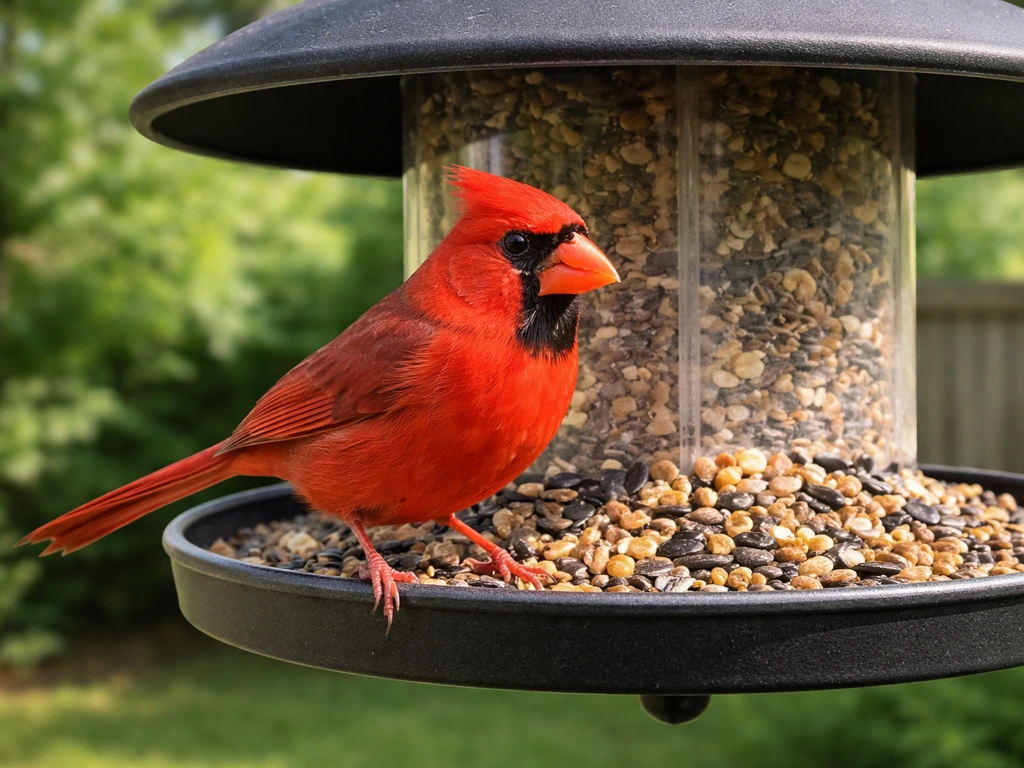
The best freestanding bird feeder for most backyards is a pole-mounted setup with a weight-activated squirrel-proof feeder body and a baffle on the pole. That combination solves the two biggest problems at once: squirrels can't climb the pole, and even if one somehow does, it can't access the ports. For seed-eating birds like cardinals, finches, and chickadees, the Brome Squirrel Buster Plus on a dedicated feeder pole is the closest thing to a set-it-and-forget-it system I've found. But the right pick really does depend on which birds you're after and what your yard throws at you, so read on for the full breakdown.
Best Freestanding Bird Feeder: Top Picks and Buyer Guide
Marcus Holloway
8 Jun 2026
What "freestanding" actually means (and why it matters)
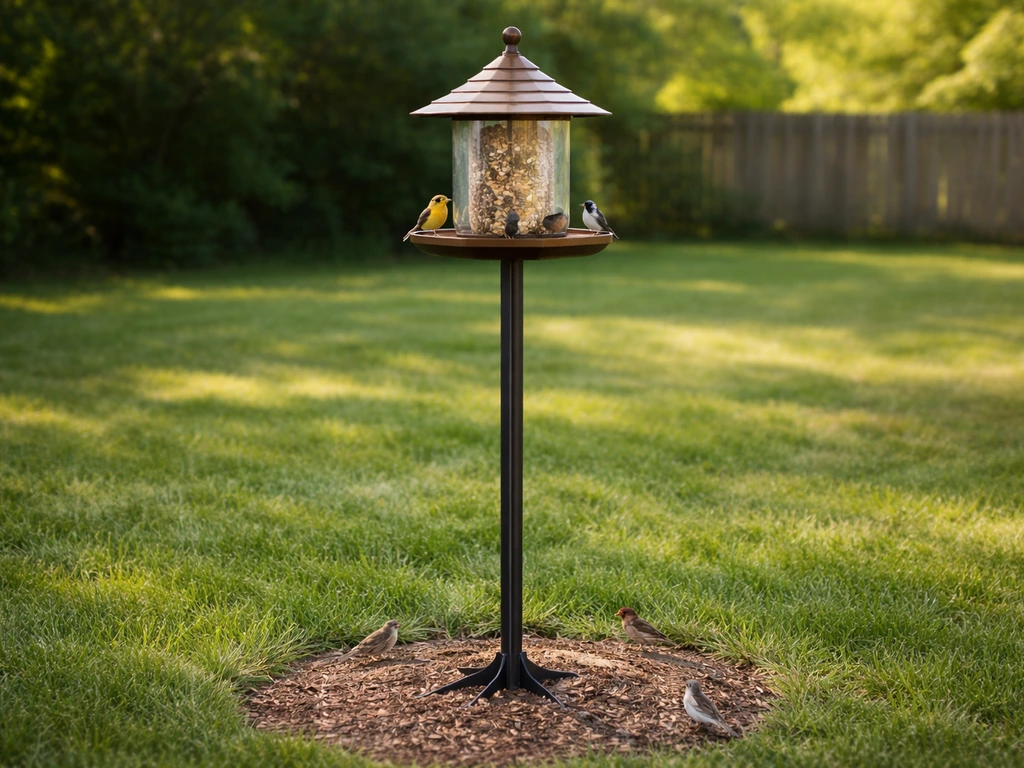
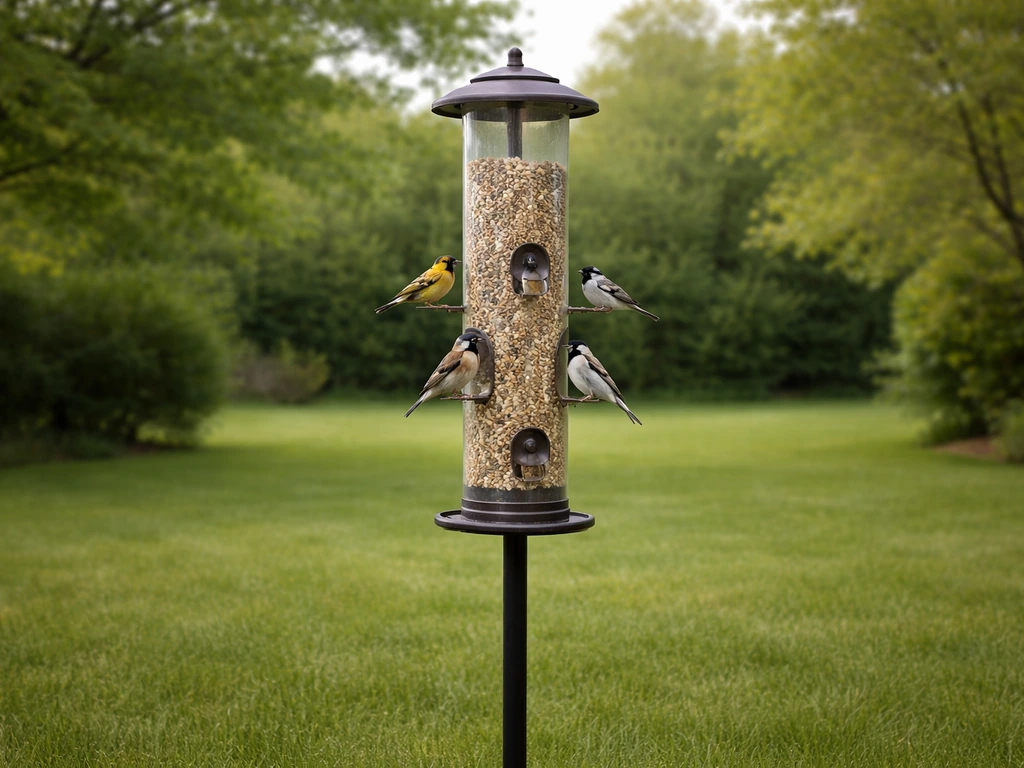
A freestanding bird feeder is pole-mounted or stand-mounted, meaning the feeder sits on or above a post that goes directly into the ground (or a weighted base), rather than hanging from a tree branch or a deck hook via a cord. That distinction matters more than it sounds. When a feeder is truly pole-mounted, you control the exact height, you can add a baffle underneath it, and the feeder doesn't swing around in the wind or tip at a weird angle. It also means the feeder is positioned away from structures, which is a huge deal for squirrel prevention.
People sometimes blur the line between freestanding and hanging setups. A feeder that clips onto a deck railing bracket or dangles from a shepherd's hook attached to your house is really more of a deck or hanging setup than a true freestanding one. A deck-rail mounted feeder can work, but if you want the best setup for your deck railing, you will still need to think about squirrel prevention and placement distance deck railing bracket. True freestanding means the pole stands independently in your yard, giving you full control over distance from trees, shrubs, your house, and any surface a squirrel could leap from. If you're comparing this approach to hanging feeders from tree branches or using deck-rail mounts, the freestanding post setup generally wins on squirrel control and placement flexibility, though it does require more initial setup work.
Choose the right feeder type for your target birds
The pole solves the mounting problem, but the feeder body still needs to match the birds you want to attract. A tube feeder with small ports works great for finches and chickadees but will frustrate cardinals, who prefer wider perches and larger feeding openings. A platform or tray feeder on a post will pull in ground-feeding species like juncos, mourning doves, and sparrows, but it's much harder to squirrel-proof. Here's how feeder types map to common backyard goals:
| Feeder Type | Best Birds | Seed/Food | Squirrel-Proof Potential |
|---|---|---|---|
| Tube feeder (small ports) | Finches, chickadees, titmice | Nyjer, sunflower chips | High (weight-activated models) |
| Tube feeder (large ports) | Cardinals, grosbeaks, jays | Black-oil sunflower, safflower | High (weight-activated models) |
| Hopper/house feeder | Cardinals, sparrows, mixed species | Mixed seed, sunflower | Moderate (cage wraps help) |
| Platform/tray feeder | Juncos, doves, sparrows | Mixed seed, millet | Low (open design) |
| Suet cage/feeder | Woodpeckers, nuthatches, wrens | Suet cakes | Moderate (tail-prop models favor woodpeckers) |
| Nectar/hummingbird feeder | Hummingbirds, orioles | Sugar water, nectar | Low squirrel risk, high wasp/ant risk |
If you want to attract woodpeckers specifically, look for a suet feeder with a tail-prop extension, which gives downies and red-bellied woodpeckers the support they need while discouraging starlings. These mount well on poles with a side-arm bracket. Hummingbird feeders work fine on poles too, though the bigger challenge there is ant moats and wasp guards rather than squirrels.
Top picks: best freestanding bird feeders by backyard need
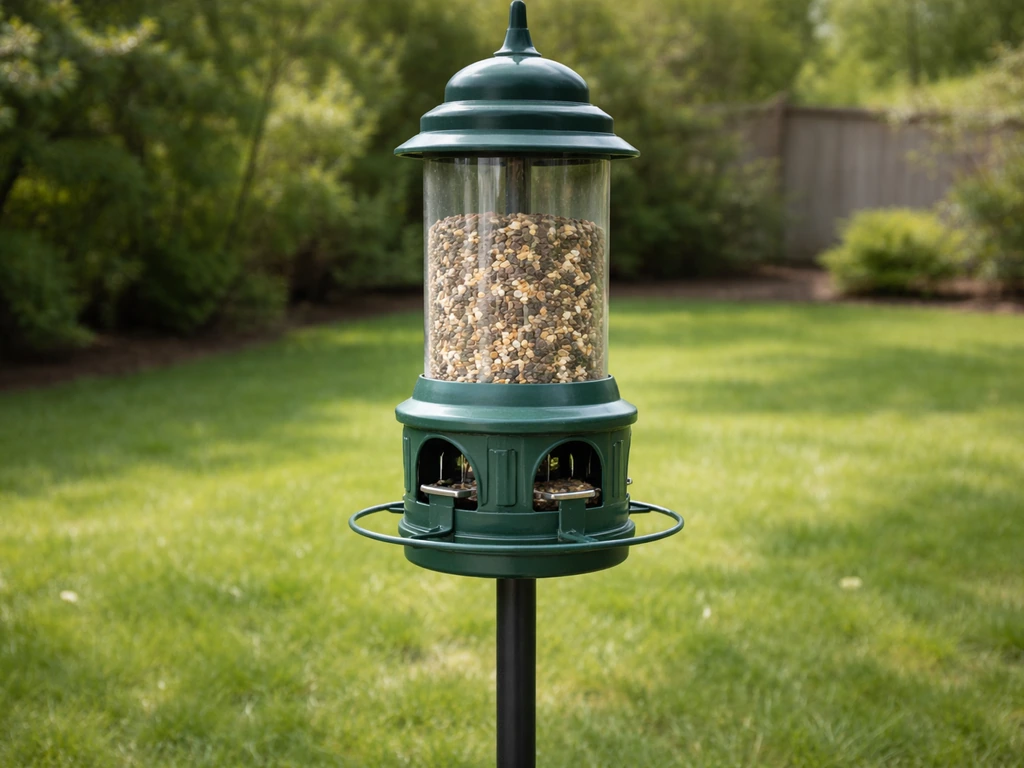
Best overall: Brome Squirrel Buster Plus on a feeder pole
The Squirrel Buster Plus is 28 inches tall, holds 5.1 pounds of birdseed, and uses a weight-activated shroud that closes off the feeding ports the moment a squirrel puts its weight on the feeder. No batteries, no electronics, just physics. It works reliably for finches, chickadees, nuthatches, and cardinals (with the right port settings), and the design cleans up easily. Pair it with a standard shepherd's hook pole or a dedicated feeder pole with a baffle at around 4 to 5 feet off the ground, and you have a setup that's genuinely hard for squirrels to defeat. It's not cheap, but it's the feeder I've replaced the least.
Best for cardinals: hopper feeder with cage wrap
Cardinals like to sit and eat, not cling, so a hopper-style feeder with wide perches and large port openings suits them better than most tube feeders. Mount it on a post at around 5 to 6 feet high, and add a cage wrap or caged exterior to keep squirrels and larger nuisance birds off. Fill it with black-oil sunflower seeds or safflower (squirrels actually dislike safflower, which is a bonus). Models from Woodlink and Perky-Pet in the $30 to $60 range hit a good balance of capacity and durability.
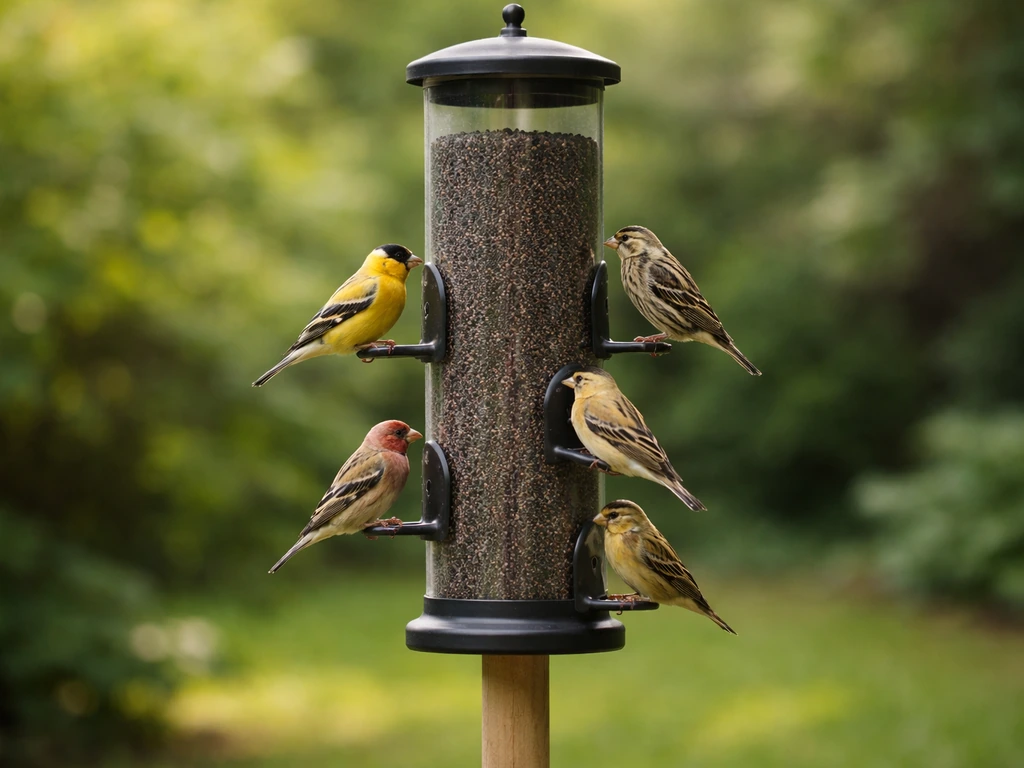
Best for finches: nyjer tube feeder on a pole
Goldfinches and house finches will flock to a nyjer (thistle) tube feeder. The tiny seed ports are naturally not attractive to squirrels (they can't extract enough food to bother), so the main threat on a pole setup is just wind tip-over and rain soaking the seed. Look for a tube feeder with a weather dome or rain shield, drainage holes at the bottom, and ports that won't clog. Droll Yankees and Aspects both make solid options. Mount it on a thin pole or arm bracket, and expect the finches to find it within a week or two.
Best for woodpeckers and mixed species: multi-arm feeder pole system
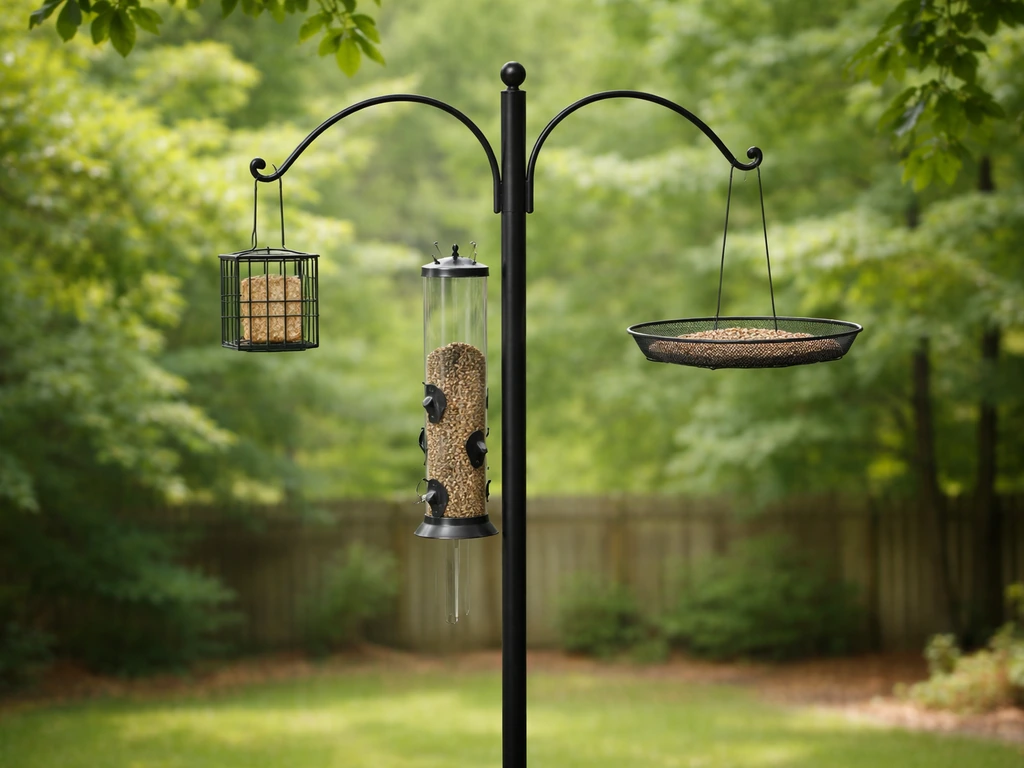
If you want to attract multiple species at once, a feeder pole system with multiple side arms lets you hang a suet cage, a tube feeder, and a small tray feeder all from one post. These systems typically come as a kit with a central pole, cross arms at different heights, and a shepherds hook style topper. The key is making sure the pole is sturdy enough (look for at least 1-inch diameter steel) and that you still install a baffle below all the feeders. Brands like Erva and Songbird Essentials make well-regarded multi-arm systems in the $40 to $80 range.
Weather resistance, materials, and cleaning ease
Freestanding feeders get hit by weather harder than most people expect, because they're out in the open yard with no overhead shelter from a roof or tree canopy. That makes material choice more important here than for deck or hanging setups. Here's what I look for:
- Powder-coated steel or aluminum hardware: resists rust and holds up to freeze-thaw cycles far better than bare metal or chrome finishes
- UV-stabilized polycarbonate or clear acrylic tubes: doesn't yellow or crack in sunlight the way cheaper plastics do after a season or two
- Stainless steel mesh or ports: won't corrode and doesn't stain with seed oils
- Roof or dome overhang: keeps rain from soaking seed in hopper and tray feeders, which is the fastest way to get mold and sick birds
- Wide drainage holes at the base: essential for any platform or tray design
- Removable or hinged base: makes it possible to actually clean the thing, not just rinse it from a distance
For the pole itself, look for powder-coated steel at least 1 inch in diameter. Thin poles bend in wind or when a large bird (or squirrel) slams into the feeder. Most quality pole systems come in sections that push together, which makes transport and storage easy. Avoid hollow plastic poles entirely; they flex, they crack in cold weather, and the auger ground anchor won't hold them firmly.
Cleaning is the thing most people underestimate before buying. A feeder you can't disassemble easily will get dirty, grow mold, and eventually stop attracting birds, or worse, make them sick. Plan to clean every two weeks in warm weather, every month in winter. Any feeder that doesn't have a removable bottom or a wide opening for a bottle brush is going to be a hassle.
Squirrel and grackle management for freestanding setups
A pole-mounted feeder is actually the best possible setup for squirrel control, but only if you follow the spacing rules. Squirrels can jump roughly 10 feet horizontally and 4 to 5 feet vertically from a flat surface. That means your pole needs to be at least 10 feet away from any tree, fence, roofline, or elevated surface a squirrel can launch from. That single rule eliminates most squirrel problems before you even buy a baffle.
Beyond placement, a pole baffle is the next line of defense. A cylindrical or dome-shaped baffle mounted on the pole below the feeder (at around 4 to 5 feet off the ground) physically stops squirrels from climbing up. Audubon consistently recommends the pole-plus-baffle combination as about the most effective deterrent available, short of an electronic feeder. Audubon recommends using a pole-plus-baffle setup as one of the most effective ways to stop squirrels from raiding bird feeders Audubon consistently recommends the pole-plus-baffle combination as about the most effective deterrent available. Wrap-around baffles like the Woodlink Wrap-Around Squirrel Baffle or the Erva Torpedo Baffle are both reliable and rated well by birding communities.
Grackles are a different problem. They're birds, so height and baffles don't stop them. The most effective grackle deterrents for pole feeders are: switching to safflower seed (grackles avoid it, most songbirds eat it), using a caged feeder that only lets smaller birds through, or using a weight-activated feeder like the Squirrel Buster Plus and setting the tension so the feeder closes under heavier birds like grackles. That last approach is genuinely effective when dialed in correctly.
For ground-feeder management, a seed tray or catcher that attaches below your feeder catches fallen seed before it hits the ground, which dramatically reduces the pile of spillage that attracts pigeons, starlings, and squirrels from a distance. Look for a tray with drainage holes so it doesn't pool water, and clean it every week.
Placement, height, and safety
Height matters more than most people think, and the right height depends partly on the birds you're targeting. As a general rule, most songbirds feed comfortably at 4 to 6 feet off the ground. Finches and chickadees are comfortable at 5 to 6 feet. Cardinals tend to prefer mid-height perches around 4 to 5 feet. Ground-feeders like juncos and doves prefer low trays at 2 to 3 feet or ground-level scatter. Hummingbird feeders do best at 4 to 6 feet in a visible, open location with some nearby perching.
Window collisions are a real and underreported problem with freestanding setups. The American Bird Conservancy estimates that up to a billion birds die from window strikes each year in the US. The safest placement is either within 3 feet of a window (so birds don't have enough flight speed to be seriously injured if they hit) or more than 30 feet away. The danger zone is 5 to 30 feet, where birds get up to full speed and then don't see the glass in time. If you're placing a feeder pole in your yard, try to keep it either very close to the house or well out in the open yard, and apply window collision tape or decals to any large glass panels in the flight path.
Visibility from indoors is worth optimizing too. Put the pole where you can actually see it from where you sit. That sounds obvious but a lot of people put feeders in the most squirrel-proof corner of the yard and then never see the birds. The best feeder setup is one you enjoy watching.
Buying checklist and next steps
Before you commit to a specific feeder, run through this checklist. It applies to any freestanding feeder you're evaluating, whether it's a budget pick or a premium model.
- Feeder type matches your target birds: tube for clinging birds, hopper for cardinals, suet cage for woodpeckers, tray for ground-feeders
- Capacity fits your visit frequency: larger seed capacity (4+ lbs) means less refilling, which matters if you travel or get busy
- Roof or weather cover keeps seed dry: essential for hoppers and trays, helpful for tube feeders in rainy climates
- Perch size matches your birds: wide perches for cardinals, thin perches or no perches (socks/mesh) for finches
- Easy disassembly for cleaning: removable base, wide tube openings, or hinged doors, not just a bottom plug
- Rust-resistant hardware and UV-stable materials: powder-coated metal, quality polycarbonate, stainless mesh
- Pole diameter is at least 1 inch steel and compatible with your chosen baffle
- Replacement parts are available: tubes, ports, and perches that can be replaced if damaged
- Placement confirmed: 10+ feet from jump surfaces, either very close to or more than 30 feet from windows
- Baffle included or purchased separately and mounted at 4 to 5 feet on the pole
For setup: drive your pole at least 12 to 18 inches into the ground using a steel step-in anchor or the auger-style ground socket that most quality pole kits include. Fill with fresh seed (not last season's bag sitting in the garage) and give the birds a few days to a week to find it. If nothing shows up in two weeks, try moving the pole a few feet into a more visible or open location. Birds are creatures of habit, and once regulars find a feeder, they'll return every day.
If you're also considering other mounting approaches, a dedicated feeder hanger or deck-rail mount can work well in smaller yards or for renters who can't put a post in the ground. If you are not going with a pole mount, the alternative to consider is a best bird feeder hangers setup for your space and bird targets. And if you already have a tree in a good location, hanging from a branch with the right hardware is another solid option. The freestanding pole approach just gives you the most control over placement and predator-proofing, which is why it's where I'd start for most backyards. If you want the simplest way to get started, compare the best deck bird feeders for your space and target species before you buy.
FAQ
How high should a best freestanding bird feeder be if I’m not sure which birds will show up first?
Start at about 5 to 6 feet for a seed feeder, then adjust after you see who’s visiting. If you get mostly small finches and chickadees, stay in that band. If you start getting sparrows or juncos, lower the tray/seed access to around 2 to 3 feet or add a second low option, because finch height often underperforms for true ground-feeders.
Do I still need a baffle if my feeder is squirrel-proof and weight-activated?
Yes, usually. A weight-activated feeder helps with access to ports, but squirrels can still use the pole as a climbing surface and try alternative routes (like grabbing the feeder body or stressing connections). A baffle below the feeder adds a second, physical barrier and reduces failures caused by unusual squirrel behavior or installation mistakes.
What’s the minimum distance from trees or fences for squirrel control if I’m using a baffle?
Aim for the same horizontal spacing rule, at least about 10 feet from any tree, fence, roofline, or elevated “launch” surface. A baffle blocks climbing on the pole, but if a squirrel can launch from nearby cover and land directly on the feeder area, the baffle may not stop the attempt.
My feeder is pole-mounted, but squirrels still get in. What are the most common setup errors?
Check for these first: the pole is too close to cover, the baffle is mounted too high or too low (it needs to sit under the feeder area), the feeder can rotate or the mount has gaps big enough to grab, and the ground anchor is loose so the whole setup wobbles and invites testing. Also verify that the seed ports close fully under load, not partially.
How do I choose the right feeder height for finches versus cardinals on the same pole system?
For finches and chickadees, feeders that suit tube ports typically work best around 5 to 6 feet. Cardinals do better with wider perches and larger openings around 4 to 5 feet. If you’re using a multi-arm setup, place the tube feeder higher and the cardinal-friendly hopper or cage feeder slightly lower, rather than putting both at the same height.
What seed should I use to reduce grackles, and how do I avoid starving the smaller birds?
Switching to safflower often discourages grackles without fully removing nutrition for many songbirds. To avoid overcorrecting, use a caged design or weight-activated feeder settings so heavier visitors get denied access while small birds can still feed. If you see smaller birds declining, you likely went too far on the seed choice or the closure threshold is set too aggressively.
How often should I clean a freestanding bird feeder in mild climates?
If you have milder weather and fewer hot, humid spells, clean about every two to three weeks. In warm weather (or if you notice clumping, dark residue, or sour smells), move to a strict every-two-week schedule. In winter, stretching beyond a month can still lead to mold growth, especially in damp or snowy conditions.
What’s the best way to prevent rain from ruining seed on a pole feeder?
Use a tube feeder designed for weather, ideally with a rain shield or dome, plus drainage holes at the bottom. Keep the pole setup fully assembled and oriented so water sheds away from the ports. If you notice swollen seed or clogged openings, remove and dry the feeder components, then refill with fresh seed that has not picked up moisture.
Should I use a seed tray under a freestanding feeder, and how do I keep it from becoming a mess?
A catcher tray is worth it because fallen seed attracts starlings, pigeons, and squirrels. Choose one with drainage holes so water doesn’t pool, and clean it weekly (or sooner if you see persistent wet spots). Regular tray emptying often reduces “mystery visitors” that appear after the first few weeks.
Is it safe to place a freestanding bird feeder close to my windows?
It can be, if you manage the distance. Keep it either very close (within about 3 feet) or far (more than 30 feet) to reduce strike risk. If your yard forces a middle range, apply window collision decals or tape on the flight path and consider relocating the pole slightly so birds do not fly across large uninterrupted glass panels.
How long should I wait before assuming a feeder is “not working”?
Give it about a few days to a week for scouts, then evaluate around two weeks. Birds often find a new resource gradually, and moving the pole too quickly can reset the learning cycle. If nothing shows up by two weeks, try repositioning into better visibility, but keep the setup consistent (same seed type, same location pattern) for at least that period.
Can I use a freestanding pole in the yard if I rent or can’t permanently anchor it?
You can, but true predator-proofing is harder without a solid anchor. Consider a weighted base approach designed for pole feeders, or a renter-friendly mount that attaches to a stable surface, but verify squirrel resistance at your specific cover distances. If wobble is noticeable, squirrels often exploit movement and installation gaps, so prioritize stability over convenience.
Next Article
Best Bird Feeder for Red Birds: Top Picks and Setup Guide
Top feeders and setup tips to attract cardinals and other red birds using the right seed, mounts, and squirrel-proofing.