For chickadees, a small tube feeder or platform feeder stocked with black-oil sunflower seeds is your best starting point. Chickadees are bold, adaptable little birds that adjust quickly to new feeders, but they strongly prefer feeders with short perches, easy seed access, and enough shelter to grab a seed and dash. If you want the fastest results, hang a tube feeder with sunflower seeds within 10 feet of a shrub or tree, about 5 to 6 feet off the ground, and you'll likely have chickadees visiting within a day or two.
Best Bird Feeder for Chickadees: Top Picks and Setup Guide
Marcus Holloway
27 Apr 2026
What chickadees actually want from a feeder
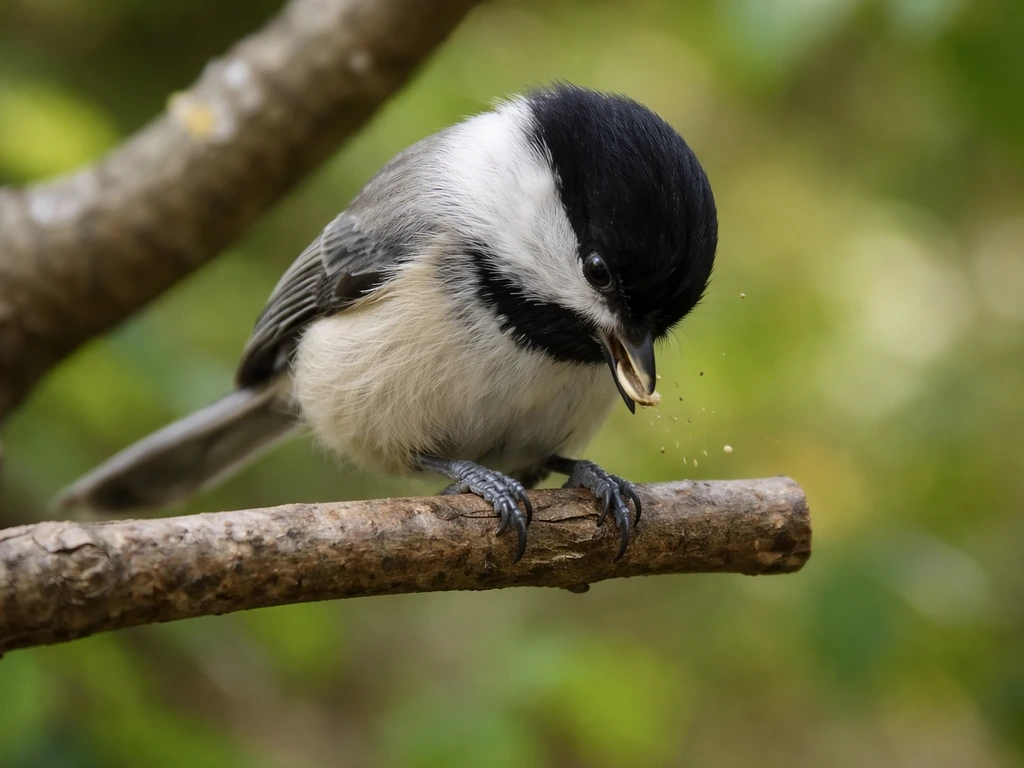
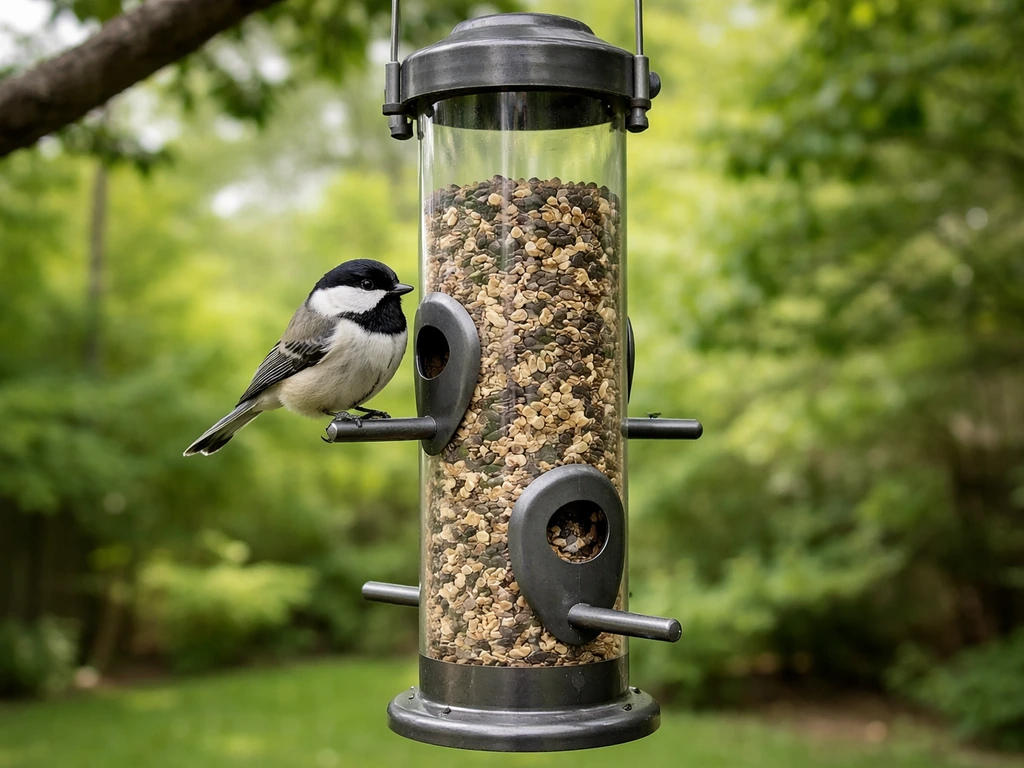
Chickadees are small, quick, and food-focused. They grab one seed at a time and fly to a nearby branch to crack it open, so they don't need a large feeding platform or a big perch. What they do need is easy access to seeds without fighting for space with larger birds. Here's what to look for in a feeder you're buying specifically for chickadees:
- Short, sturdy perches sized for small birds (1/4 to 3/8 inch diameter is ideal)
- Feeding ports that are wide enough for chickadees to reach seed comfortably but not so large that waste spills constantly
- A roof or baffle above the feeding area to keep rain and snow off the seed
- Good drainage so wet seed doesn't sit and mold
- Lightweight, durable construction that doesn't swing wildly in wind (chickadees will use swinging feeders, but a stable feeder gets more consistent traffic)
- Easy access for cleaning, since chickadees are sensitive to moldy or rancid seed
Chickadees are not picky about feeder material the way some birds are. Metal, polycarbonate, or wood all work. What matters more is that the feeder is kept clean and filled with fresh seed. I've had chickadees abandon a feeder for two weeks simply because a batch of sunflower seeds went rancid after a rainy stretch. Once I emptied it, scrubbed it, and refilled it with fresh seed, they were back the same afternoon.
Which feeder types actually work for chickadees
Chickadees aren't fussy about feeder style the way, say, woodpeckers are with suet cages or finches are with nyjer socks. But there are real differences in how well each feeder type performs for them day to day.
Tube feeders
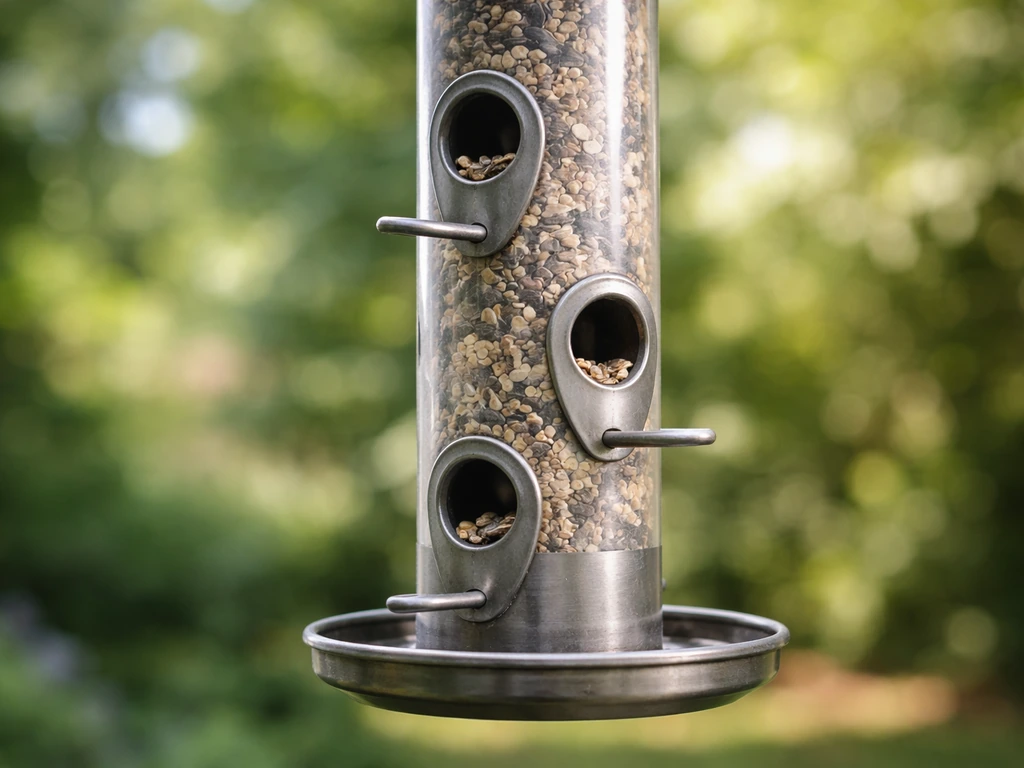
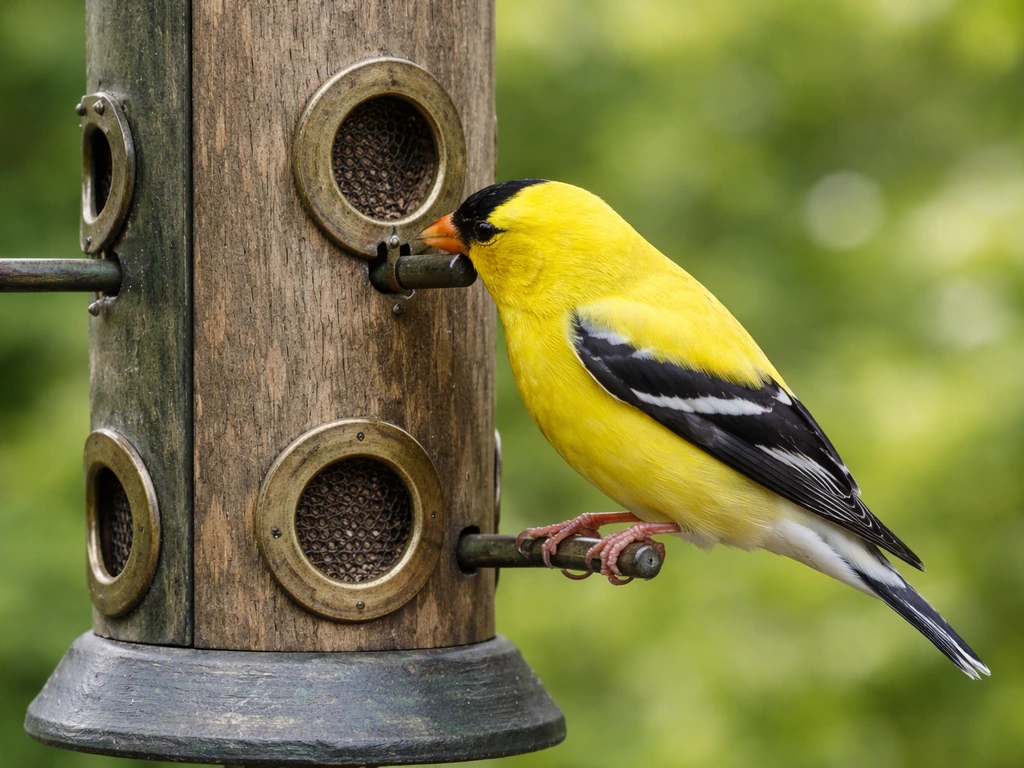
Tube feeders are probably the most chickadee-friendly option available. The vertical design with multiple small ports keeps seed protected from rain, limits waste, and the short perches naturally favor small birds over larger, heavier species like grackles or starlings. A tube feeder with 4 to 6 ports gives multiple chickadees access at the same time without serious competition. Look for UV-resistant polycarbonate tubes and metal ports, since cheap plastic ports crack in cold weather and squirrels chew right through them.
Platform and tray feeders
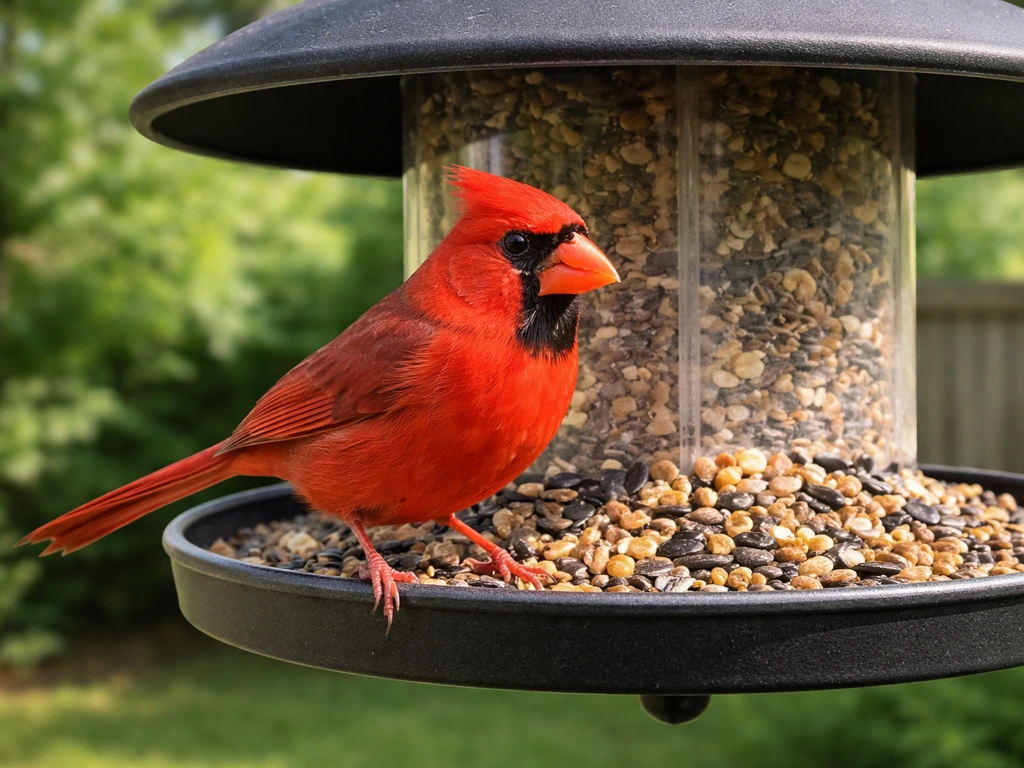
Open platform feeders work well for chickadees and give you flexibility to offer a mix of seeds. The downside is that they're exposed to weather, attract every bird in the neighborhood (including the larger, more aggressive species), and require more frequent cleaning since seed gets wet and dirty faster. A platform feeder with a mesh bottom for drainage and a roof overhead is a much better choice than a flat, open tray. Chickadees love them, but so do house sparrows and starlings, so keep this in mind if competition is a concern in your yard.
Hopper feeders
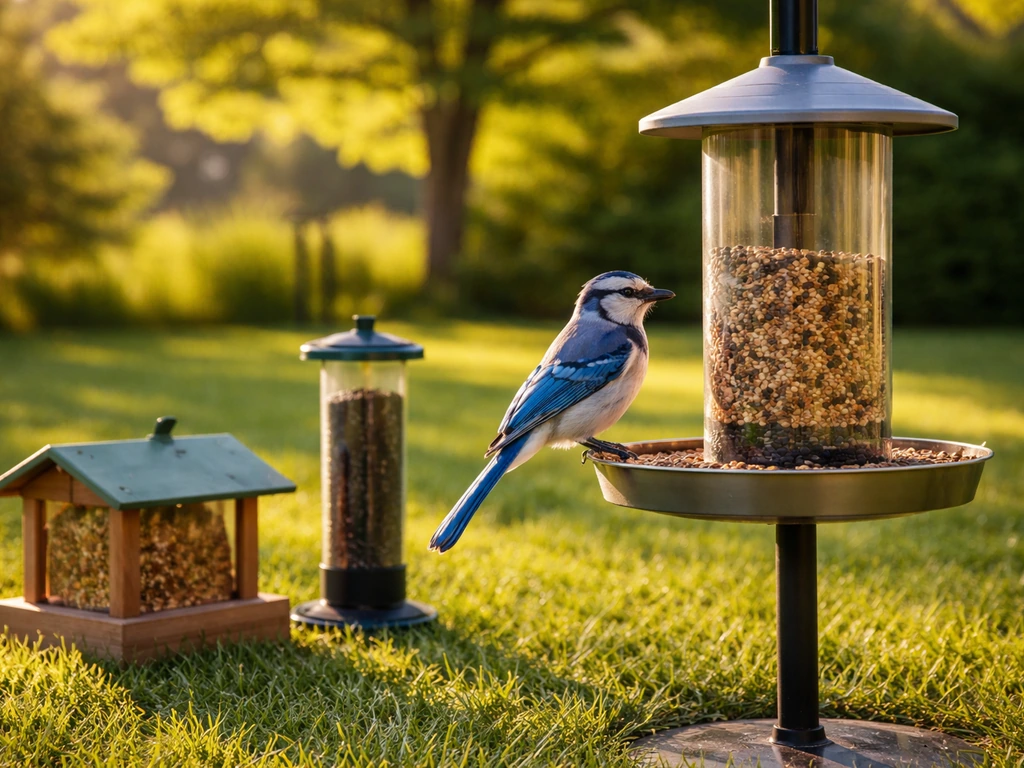
Hopper feeders, the classic barn-style feeders with a central seed reservoir, are solid all-around performers. Chickadees use them readily. The seed stays dry, capacity is high so you refill less often, and they look attractive in a yard setting. The main limitation is that hoppers tend to draw every species at once, including bigger birds that may push chickadees aside. If your yard already has heavy cardinal, blue jay, or dove traffic, smaller chickadees can get crowded out at a hopper. Pairing a hopper with a dedicated tube feeder nearby gives chickadees their own reliable spot.
Suet feeders
Suet is a genuinely important food for chickadees, especially in fall and winter when they need high-fat calories to stay warm. Both Black-capped and Carolina chickadees visit suet feeders regularly. A basic wire suet cage is inexpensive and effective, though chickadees can sometimes struggle to cling on the front face of a standard cage. A tail-prop design or a cage with a small platform below the suet makes it easier for them. If you're setting up a feeder station, adding a suet cage alongside your tube or hopper feeder is worth doing. It costs almost nothing and gives chickadees a second food source that larger birds like grackles tend to use less aggressively.
| Feeder Type | Chickadee Friendliness | Weather Protection | Squirrel/Large Bird Risk | Maintenance Level |
|---|---|---|---|---|
| Tube feeder | Excellent | Good (enclosed seed) | Moderate (use metal ports) | Low to moderate |
| Platform/tray feeder | Good | Poor (needs roof) | High (open access) | High (clean frequently) |
| Hopper feeder | Good | Good (enclosed reservoir) | Moderate to high | Low to moderate |
| Suet cage | Good (with platform) | Poor (exposed) | Low to moderate | Very low |
Best feeders for chickadees by situation and budget
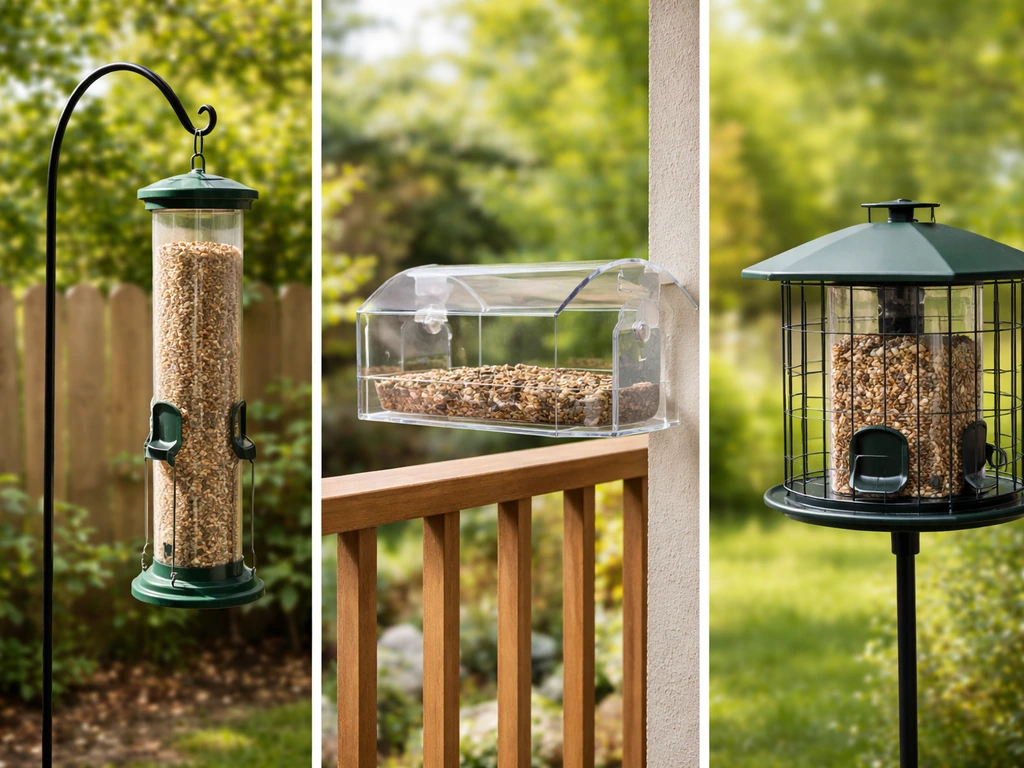
Instead of naming one winner, here's how I'd approach it based on your specific setup. The right feeder really does depend on your yard size, local squirrel pressure, and how involved you want to be in maintenance.
Best overall: metal-reinforced tube feeder
A high-quality tube feeder with metal ports, a removable base for cleaning, and a UV-stable polycarbonate tube is the single best choice for most backyard birders targeting chickadees. Look for models from Droll Yankees, Aspects, or similar brands that have been making these for decades. Features to prioritize: chew-resistant metal port rings, a removable bottom cap or clean-out port, and a built-in or compatible weather guard (a dome that mounts above the feeder). These run $25 to $50 and will outlast cheaper plastic feeders by years.
Best for small yards or balconies: compact window feeder or mini tube
If you have a small yard, patio, or apartment balcony, a window-mounted feeder or a compact 2-port tube feeder on a shepherd's hook works well. Chickadees adapt to window feeders faster than most people expect, often within a few days of setup. For window feeders, mount them either within 3 feet of the glass or more than 30 feet away to avoid window strike risk. The 3-foot close-mount option is ideal for a balcony: if a chickadee does get startled and flies toward the window, it's moving too slowly at close range to hurt itself.
Best squirrel-resistant: weight-sensitive or caged tube feeder
Squirrels are the most common feeder problem I hear about, and a weight-sensitive tube feeder (the kind where the seed ports close when a heavier animal lands on the perch ring) works extremely well for chickadees. Chickadees are light enough to trigger the perch without closing the ports, while squirrels and heavier birds are shut out. Brands like Squirrel Buster and Brome make well-engineered versions of this style. A caged tube feeder, with wire mesh surrounding a smaller inner tube, is a cheaper alternative that physically blocks squirrels and larger birds while leaving small openings sized for chickadees and similarly small birds.
Best for winter: suet cage plus heated or weather-protected tube feeder
In cold climates, chickadees depend on high-calorie food to survive overnight. A suet cake combined with a tube feeder filled with black-oil sunflower seeds is the most effective winter setup. Look for a feeder with a wide weather guard dome that keeps snow off the ports. Some birders use heated bird baths alongside feeders in winter; chickadees will visit both. You don't need a heated feeder itself for seed, just good rain and snow protection.
Best smart feeder: AI camera feeder for chickadee identification
Smart bird feeder cameras with AI species identification have gotten genuinely good at spotting chickadees. Models like the Bird Buddy and Netvue Birdfy can reliably identify both Black-capped and Carolina chickadees and send a phone alert when one visits. For chickadee watching specifically, look for a smart feeder with a clear, unobstructed camera view of the feeding port (some models have blind spots), good low-light performance for early morning visits, and a weather-resistant housing rated for year-round outdoor use. The tradeoff is cost, typically $100 to $200 plus any subscription fees, and you'll need a reliable Wi-Fi signal near the feeder location. For casual birders who mostly want to see which birds are visiting, a basic tube feeder is plenty. But if you want a log of every chickadee visit, the AI camera feeders are genuinely fun and deliver on the species-ID promise.
What to feed chickadees and where to put the feeder
Seed and food choices
Black-oil sunflower seed is the single best chickadee food you can buy. The thin shell is easy for chickadees to crack, the high oil content makes it nutritionally dense, and it attracts a wide range of other desirable backyard birds at the same time. Avoid cheap mixed seed blends heavy on milo, wheat, or oats. Chickadees toss that filler aside and it piles up under the feeder, attracting rodents. If you want to offer something beyond sunflower, shelled peanuts and peanut hearts are a close second, and suet cakes in fall and winter are genuinely useful for the high fat content chickadees need in cold weather.
Placement: height and cover
Hang your feeder at least 5 feet off the ground. This is Audubon's standard recommendation for small songbirds and it makes practical sense: it keeps the feeder out of easy reach for most ground-level predators and puts it at a height where chickadees are naturally comfortable foraging. Most backyard setups land between 5 and 7 feet, which works well. Critically, position the feeder within 10 to 15 feet of natural cover, meaning trees, shrubs, or dense plantings. Chickadees use nearby branches as staging spots where they assess the area before approaching the feeder and where they retreat to crack open seeds. A feeder hung in the middle of a wide-open lawn with no cover nearby will get far fewer chickadee visits than the same feeder hung near a tree line or hedge.
Window distance rules
Window strikes kill an enormous number of songbirds each year, and chickadees are not immune. The rule backed by Audubon is simple: place feeders either within 3 feet of a window or more than 30 feet away. In that 3-foot zone, a startled bird doesn't build up enough speed to cause serious injury if it hits the glass. Beyond 30 feet, there's enough distance that most birds correct their flight path before reaching the window. The danger zone is anywhere in between, roughly 4 to 30 feet, where birds have enough space to reach dangerous speed but not enough time to avoid the glass.
Keeping out squirrels, grackles, and other problem visitors
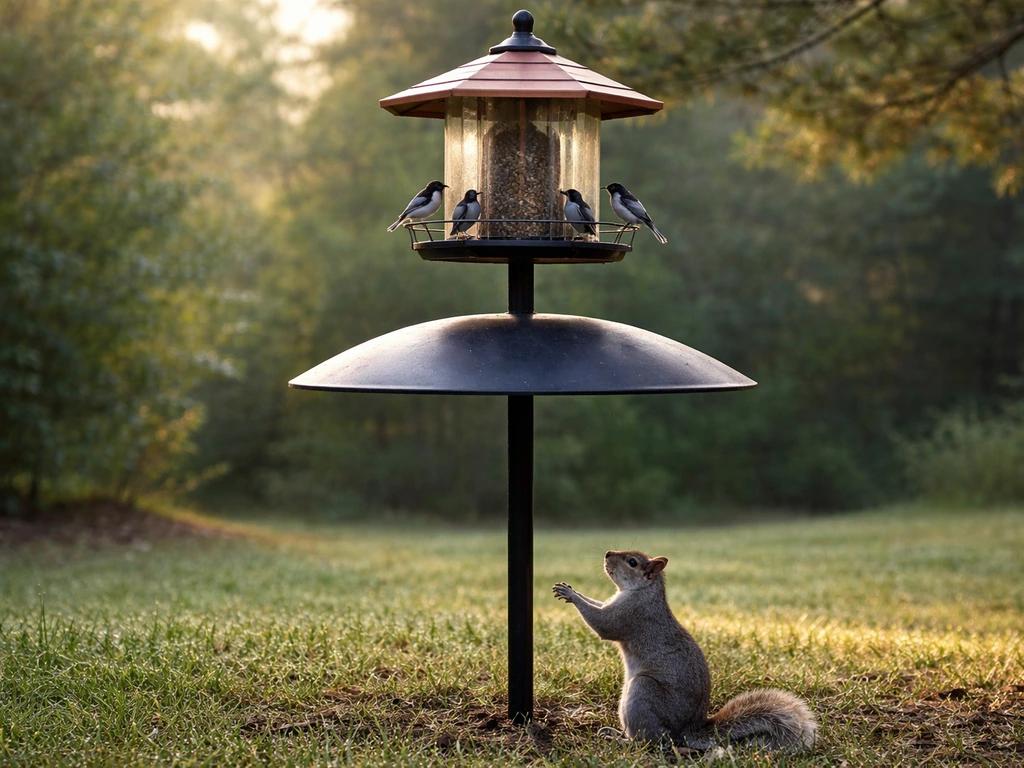
Squirrels and large aggressive birds like grackles and starlings are the two most common reasons chickadee feeders fail to deliver. Solving them usually requires a combination of the right feeder design and smart placement.
Squirrel deterrence
The most reliable squirrel solution is a weight-sensitive feeder (as mentioned above) combined with a pole-mounted baffle if you're using a post or shepherd's hook setup. A baffle is a dome or cylinder that mounts on the pole below the feeder and physically blocks squirrels from climbing up. If your feeder is hanging from a tree branch, a hanging baffle (dome-shaped, mounted above the feeder on the line) is the equivalent tool. Squirrel-proofing a tree-hung feeder is genuinely harder than a pole-mounted one, so if squirrels are a serious problem in your yard, I'd strongly recommend switching to a pole-mounted setup with a quality baffle. Hot pepper additives in birdseed are a popular suggestion but I've had inconsistent results with them. A good baffle is more dependable.
Deterring grackles and starlings
Grackles and starlings are big, heavy birds that dominate open feeders and intimidate small birds like chickadees. A caged tube feeder (the wire mesh cage style) is the most effective physical solution: the mesh openings are sized to let small birds through but exclude the larger species. Weight-sensitive feeders also exclude grackles since their body weight closes the seed ports. Avoiding open platform feeders or ground feeding when grackles are active in your area is another practical step. If grackles are a serious problem at your hopper feeder, a tube feeder dedicated to chickadees nearby gives them a bully-free food source. For help dialing in the right style for painted buntings, see the best bird feeder for painted bunting. For blue jays, you’ll usually want a feeder style and placement that they can access comfortably while still protecting seed from heavier birds best bird feeder for blue jays. If you're also interested in attracting finches or wrens, the same caged tube approach works well for those species too. If you want the best bird feeder for wrens, look for a small, sheltered setup that protects seed from rain and keeps larger birds away. The best bird feeder for finches often overlaps with the same principles, so choose a style that protects seed from rain and deters larger birds attracting finches.
Weather protection
Rain and snow are feeder problems in two ways: they make seed wet and prone to mold, and they make feeding physically difficult for small birds. A weather guard dome above the feeder solves both. Most tube feeders accept a universal dome that mounts to the same hanging wire. Some hoppers have built-in roofs. In heavy snow climates, check after storms that the ports haven't gotten packed with ice or compacted snow, which can block access entirely. Tapping the feeder gently usually frees it up.
Mounting and setup: getting the details right
How you mount the feeder matters almost as much as which feeder you choose. A cheaply mounted feeder that spins constantly in wind, drops to the ground in a storm, or attracts every squirrel in the neighborhood because it's hung from a tree branch will underperform a mediocre feeder that's stably mounted and properly baffled.
- Use a dedicated metal pole with an auger-style base rather than hanging from a tree branch if squirrels are present. Poles give you full control over baffling.
- Mount at 5 to 7 feet height. This satisfies the Audubon 5-foot minimum for small songbirds and keeps the feeder in your comfortable viewing range.
- Keep the feeder 10 to 15 feet from trees or shrubs so chickadees have easy staging cover, but far enough from branches that squirrels can't jump directly onto it. Squirrels can jump roughly 10 feet horizontally, so 10 feet is the bare minimum clearance from any tree or structure.
- Space multiple feeders at least 5 feet apart to reduce competition and crowding, especially if you're running a tube feeder alongside a suet cage.
- If you're mounting near a window, commit to the close-mount (under 3 feet) or far-mount (over 30 feet) rule and don't compromise.
- Use a quality S-hook or locking carabiner to hang tube feeders so the feeder body stays level and doesn't slide or tip.
Cleaning, maintenance, and troubleshooting slow feeders
Keeping feeders clean and safe
Mold and bacteria in bird feeders are a real hazard, and chickadees will stop visiting a feeder with rancid or moldy seed before you even notice anything is wrong. The U.S. Fish & Wildlife Service also emphasizes that feeding wild birds should be done with attention to cleanliness and potential health and ecological impacts, including avoiding spoiled or moldy food Articles/Story. The standard cleaning recommendation is to scrub feeders with a 10 percent bleach solution (1 part bleach, 9 parts water) every 2 to 4 weeks, or more frequently in hot, humid weather. Rinse thoroughly and let the feeder dry completely before refilling. Tube feeders with removable base caps are far easier to clean than sealed designs. Suet cages are the lowest maintenance option since suet doesn't absorb moisture the way loose seed does.
Seed waste accumulates under feeders and can attract rodents, ground-feeding pests, and even predators that in turn frighten chickadees away. Rake or sweep under the feeder weekly if you're using a high-traffic feeder, and consider placing a tray catch below a tube feeder to collect fallen shells rather than letting them pile up on the ground.
Why chickadees might not be visiting: a troubleshooting checklist
If you've set up a feeder and chickadees aren't showing up after a week, work through this list before you assume the location or feeder is wrong:
- Is the seed fresh? Stale or rancid black-oil sunflower seed is the most common reason birds avoid a feeder. Seed that's been sitting in a bag for months or exposed to heat and moisture is a turn-off. Buy fresh seed from a store with good turnover.
- Is there nearby cover? A feeder hung in an exposed, open location will have slower traffic than one near shrubs or trees. Chickadees want a quick escape route.
- Is the feeder newly installed? Give it up to two weeks. Chickadees are curious and usually find new feeders within a few days, but in a yard without an established feeder history it can take longer.
- Is there active predator pressure? A neighborhood cat patrolling near the feeder, or a hawk that's taken up residence nearby, will shut down chickadee activity temporarily. Watch the area for a day or two to check.
- Is the seed getting wet? If seed is compacting or showing any dark spotting, it's moldy. Empty the feeder, clean it, and refill with dry seed.
- Are larger, aggressive birds dominating the feeder? Grackles, starlings, or even large numbers of house sparrows can crowd out chickadees. Switch to a caged tube feeder or weight-sensitive model if this is happening.
- Is it a seasonal timing issue? Chickadee activity at feeders peaks in fall and winter when natural food is scarce. Summer traffic may be lighter, especially if your yard has good natural insect and berry sources.
Quick-start checklist to get chickadees visiting fast
- Buy a metal-reinforced tube feeder with a removable base and 4 to 6 ports.
- Fill it with fresh black-oil sunflower seeds only. Skip the mixed blends.
- Hang it 5 to 7 feet off the ground, within 10 to 15 feet of shrub or tree cover.
- Follow the window placement rule: within 3 feet of glass or more than 30 feet away.
- Add a weather guard dome above the feeder.
- If squirrels are present, install a pole-mounted baffle below the feeder.
- Check seed freshness and port access weekly. Clean with diluted bleach every 2 to 4 weeks.
- If grackles or large birds are a problem, swap to a caged tube feeder or weight-sensitive model.
FAQ
How long should I wait for chickadees to find the feeder after I hang it?
Expect some “trial and error” even with the right feeder. If chickadees do not show within 1 to 3 days, check that you are offering black-oil sunflower, the ports are not clogged with rain-caked seed, and the feeder is within about 10 to 15 feet of cover (shrubs or tree branches). Also give them a few calmer days, avoid moving the feeder repeatedly, and keep it consistently filled at the same time each day so the birds learn the pattern.
Why would chickadees stop visiting suddenly even though the feeder is still stocked?
Chickadees tolerate a lot, but seed quality and cleaning timing matter. If they suddenly disappear after seeming established, empty the feeder, scrub it, and refill with a fresh bag, especially if there has been a rainy stretch or humid weather. Rancid seed can make them avoid the feeder even when it is still “full,” so smell the remaining seed and discard anything that looks clumped or has a stale odor.
Can I use seed blends or only sunflower and suet?
Yes, but choose the right “form.” For chickadees, plain black-oil sunflower in tube or hopper feeders is easiest and most reliable. If you use suet, switch to a tail-prop style cage or add a small platform under a basic cage so they can cling and access the cake. Avoid leaning heavily on mixed seed blends heavy with milo or wheat, because it can accumulate under the feeder and attract rodents that then make chickadees wary.
My feeder has a lot of seed waste under it. What’s the best fix?
A small amount is normal at first, but heavy waste usually signals a mismatch between feeder exposure and bird behavior. Use a tube feeder with a tray catch or rake/sweep shells weekly so they do not pile up, and make sure you are not using an open platform tray without drainage. If rain hits exposed seed, mold and wet clumping drive both waste and feeder avoidance, so a weather guard dome helps.
What feeder features matter most specifically for chickadees, not just “small birds”?
For chickadees, avoid perches that are too wide or too high, and prioritize short access points. If you are buying a tube feeder, select one with 4 to 6 small ports and sturdy, chew-resistant metal port rings. Weight-sensitive feeders and caged tube designs are also worth considering if squirrels or larger birds keep taking over, because the birds can feed without fighting for space.
How do I choose a feeder that is easier to keep clean?
Clean-out access is a big quality-of-life factor. Tube feeders with a removable base cap are much easier to scrub after rainy weather, while sealed designs often leave residue that shortens the “good visiting” period. If squirrels are present, cleaning should include checking that ports are not partially blocked by chewed seed shells or debris that can reduce access.
Are spicy or “deterrent” seed additives effective for keeping squirrels away?
Do not rely on hot pepper additives. If you want a dependable approach, combine a tube feeder with either a weight-sensitive perch style or a physical baffle on the pole or hanging setup. Add seed protection with a weather guard dome so rain does not turn seed into a slippery, mold-prone mess that encourages squirrels and other birds to linger.
Where should I place a feeder if I want to watch chickadees from a window balcony?
Yes, especially for windows. The safest rule is either mount within 3 feet of the glass or more than 30 feet away, because the bird can’t build enough speed for a hard impact in the close zone, and there is time to correct in the far zone. Avoid placing feeders in the 4 to 30 foot range, and if possible use a dome or guard so rain does not force birds to hover longer at the port.
What should I do if other birds dominate the feeder and chickadees get chased away?
If larger birds like grackles or starlings bully the chickadees, switch to a caged tube feeder or a weight-sensitive tube feeder. These physically limit access, while an open platform tends to invite the biggest competitors. Also consider using a dedicated tube feeder for chickadees placed near cover, and keep a hopper or open feeder separate if you still want other species.
How should I adjust my setup during winter storms or heavy snow?
Use a weather guard and then verify access after storms. In heavy snow climates, check that ports are not packed with ice or compacted snow, and tap the feeder gently to clear blockages. Wipe or rinse the guard if it collects melting ice, because obstructed ports can cause chickadees to stop coming even if the feeder still looks stocked.