The best bird water feeder for most backyard setups is a shallow, wide ceramic or stone dish with a gentle slope, ideally paired with a small dripper or wiggler to keep the water moving. Moving water is the single biggest attractor across almost every species, from cardinals to finches to woodpeckers, and it also dramatically slows algae growth and mosquito breeding. If you only do one thing to bring more birds to your yard, add a water source with some kind of agitation.
Best Bird Water Feeder: Top Picks and Setup Guide

Marcus Holloway
12 May 2026
What 'bird water feeder' actually means (and your real options)
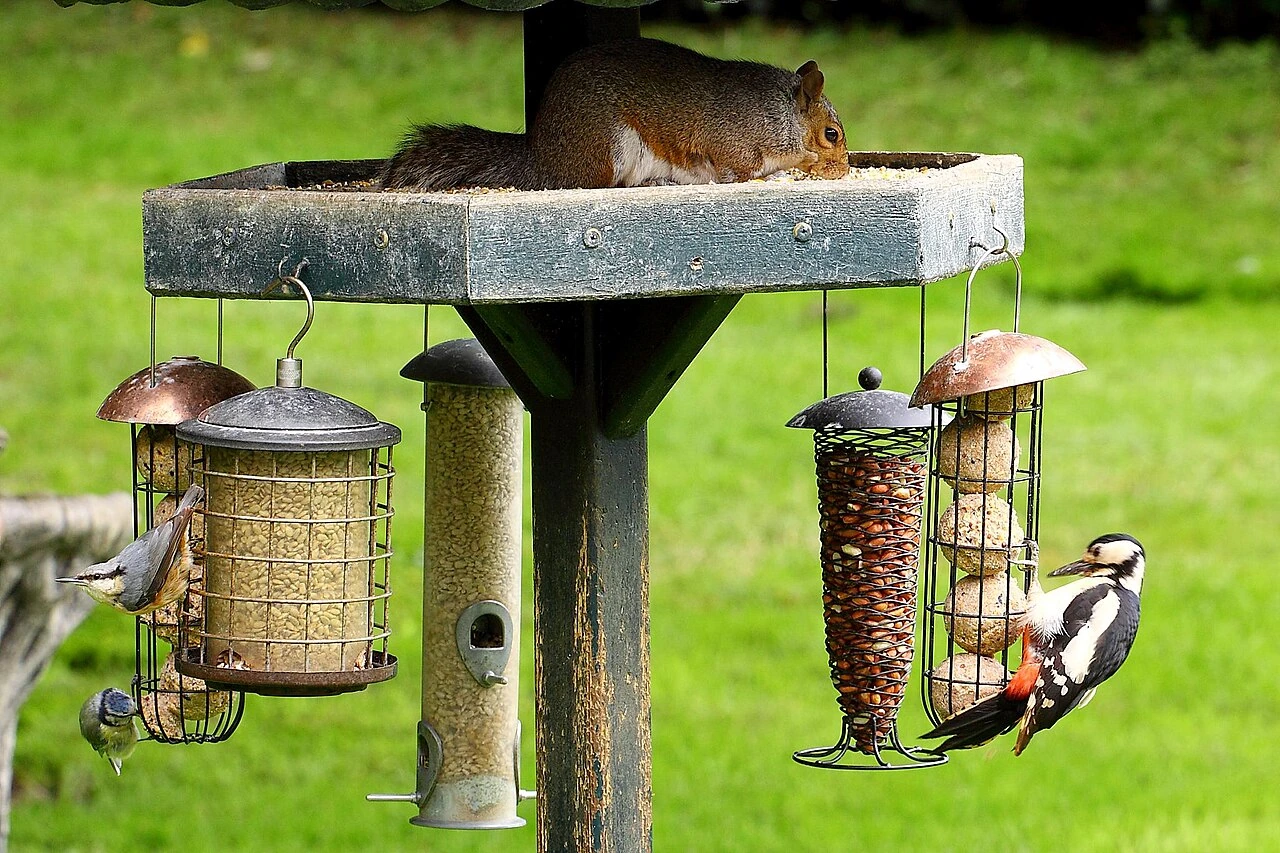
The term gets used loosely, so it helps to know what you're actually choosing between. There are four main categories, and they suit different yards and goals.
- Birdbath or water dish: The classic. A shallow basin, usually on a pedestal or hung from a bracket. This is what most people picture, and it works well as long as you keep it clean and fresh.
- Dripper or mister: An attachment or standalone unit that delivers a slow drip or fine mist into an existing bath or onto nearby foliage. Misters are especially popular with warblers and hummingbirds. Drippers attract a wider general crowd.
- Solar or pump-powered fountain: A self-contained recirculating fountain that keeps water moving constantly. Great for set-and-forget convenience, though they need regular filter cleaning.
- Gravity water dispenser (bird waterer): This looks more like a traditional feeder with a reservoir bottle that slowly releases water into a tray. It's popular in hot climates where you want to maintain water levels between daily visits, and it's what people often mean by 'bird water feeder' in the literal sense.
For most backyards, a birdbath with a dripper attachment gives you the best of all worlds: simplicity, broad species appeal, and easy cleaning. Pure gravity dispensers are fine for keeping water available in heat, but they don't move the water, which means more stagnation risk. Fountains are great but require more maintenance than people expect. Misters are a nice add-on but shouldn't be your only water source.
What actually makes a waterer the 'best' one
I've had birdbaths that birds completely ignored and others that had 10 species visiting in a single morning. The difference almost always came down to a handful of features.
Depth and slope
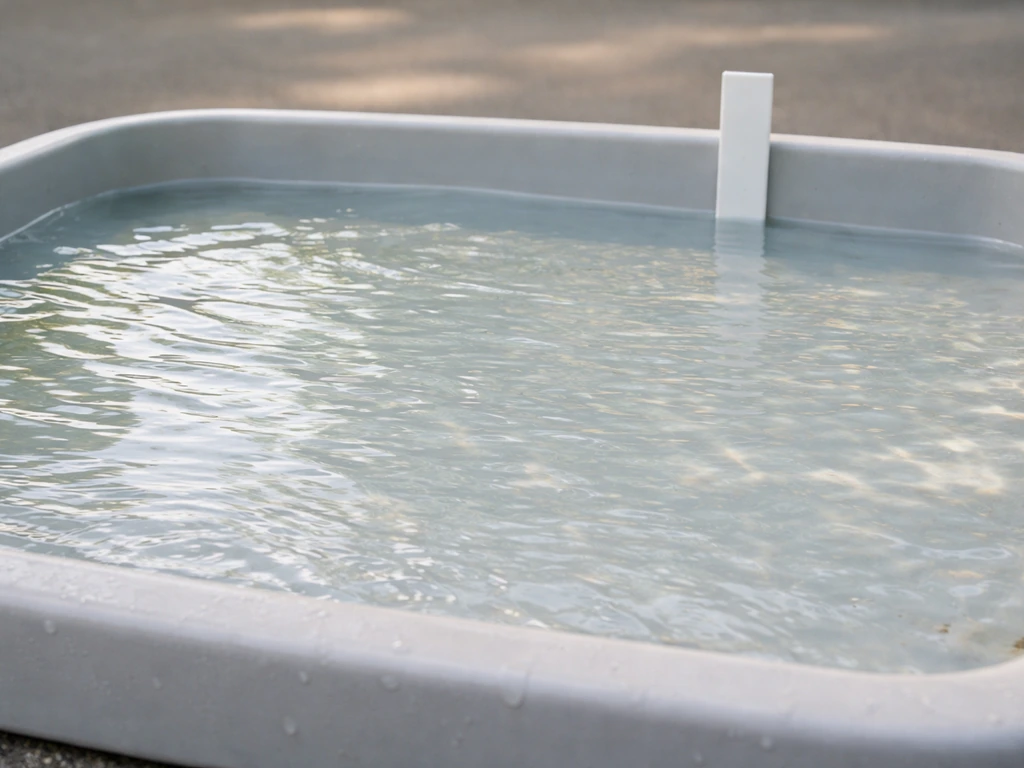
Cornell Lab's All About Birds is very specific on this: birds want shallow water with a gentle slope so they can wade in gradually. A maximum depth of about 2 to 3 inches at the deepest point is ideal, with the edges being even shallower. If the basin is too deep or has steep sides, birds will skip it. A lot of decorative birdbaths fail right here. If you already own a deep one, drop a flat stone in the center to give birds a landing and wading spot.
Capacity and refill frequency
A bigger basin means longer time between refills, but it also means more water sitting still if visits are low. For most yards, a 12- to 18-inch diameter basin is the sweet spot. Gravity dispensers with a 1- to 2-liter reservoir are useful in summer heat when water evaporates quickly, but pair them with a shallow tray rather than a deep bowl.
Material durability and weather resistance
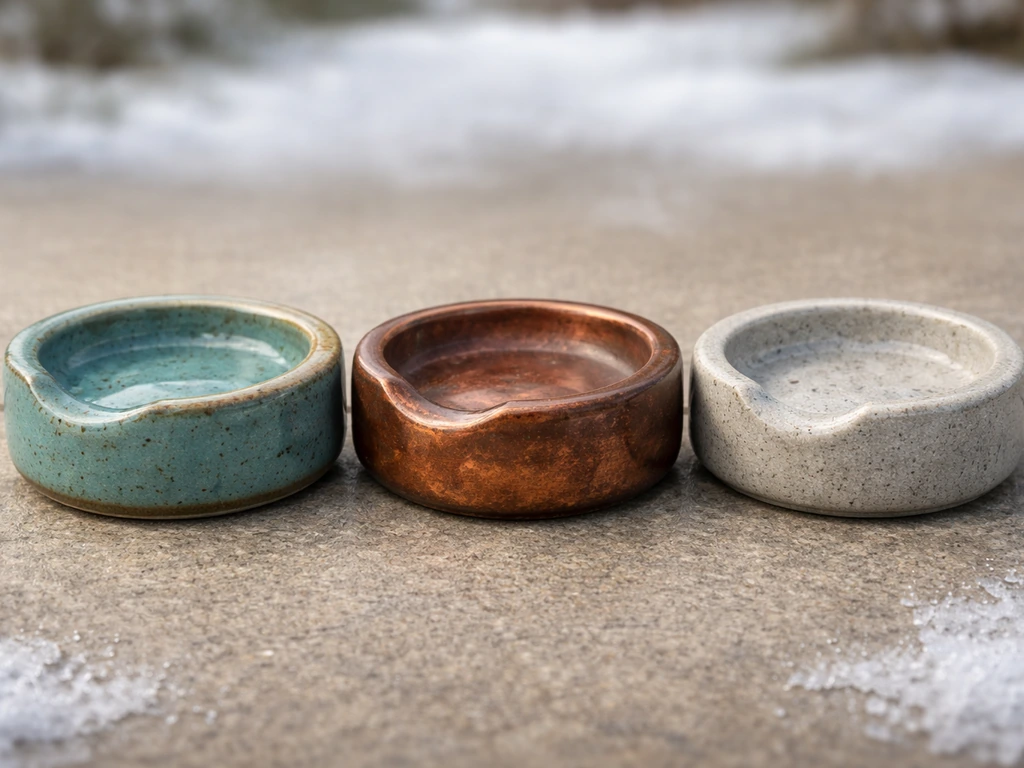
| Material | Durability | Weight | Cleaning Ease | Freeze Risk | Best For |
|---|---|---|---|---|---|
| Ceramic / glazed | Good (chips in hard freezes) | Heavy | Easy (smooth surface) | Moderate (can crack) | 3-season or indoor winters |
| Concrete / stone | Excellent | Very heavy | Moderate (porous) | Low (thick walls) | Year-round, ground-level setups |
| Plastic / resin | Fair (UV degrades over time) | Light | Very easy | Low | Budget setups, easy moving |
| Metal (copper/stainless) | Excellent | Moderate | Easy | Low | Freeze-prone climates |
| Terra cotta (unglazed) | Fair (absorbs minerals) | Moderate | Moderate | High (cracks easily) | Mild climates only |
Glazed ceramic looks great and cleans easily, but a hard freeze will crack it if left outside with water in it. Concrete and stone are the most durable year-round, though the porous surface needs a good scrub more often. Plastic is the easiest to clean and move around, but cheap plastic turns brittle and faded after a couple of summers. Copper is a nice middle ground: antimicrobial properties slow algae, holds up in all seasons, and looks good too.
Splash control and overflow
Splash is unavoidable when birds bathe, but a basin with a slight lip or rim helps contain it. Drippers cause more splash than still water, so position the dripper over the center of the basin. Ground-level baths spill onto grass or soil, which is fine. Pedestal models can create a muddy mess underneath if they drain poorly. Look for models with a slight outward taper at the basin edge, which lets water flow off the outside rather than pooling around the post.
How easy it is to clean
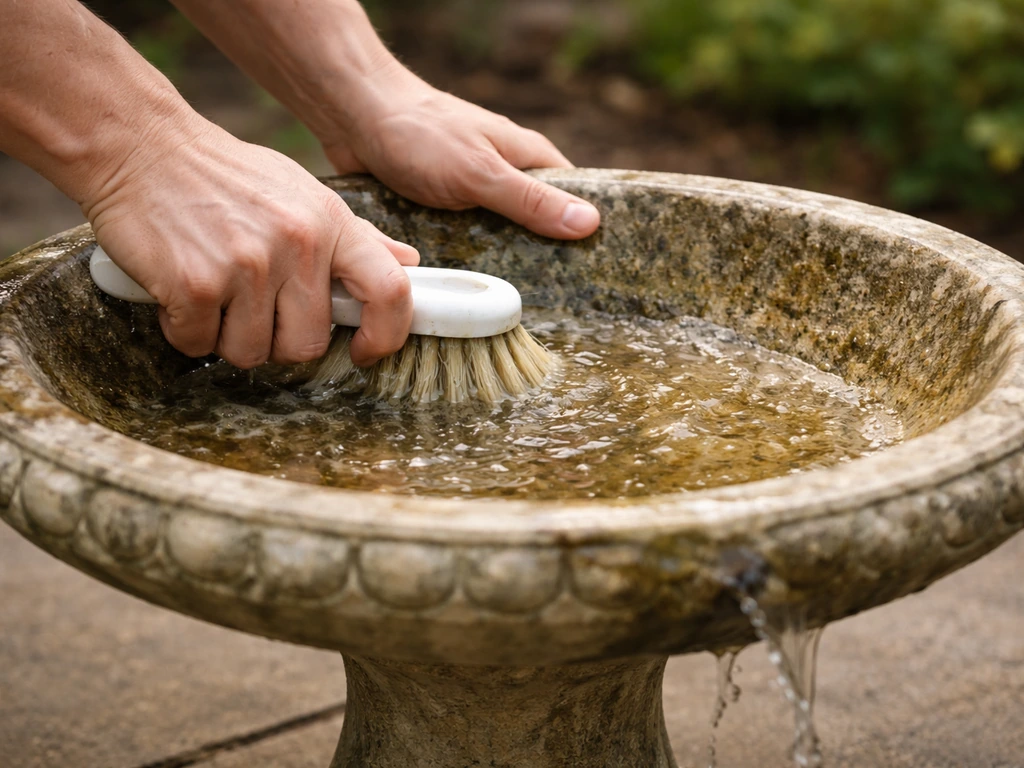
This matters more than almost anything else. If cleaning is a pain, you'll do it less often, and that leads to algae, bacteria, and birds avoiding the whole thing. My preference is a smooth, glazed surface with no crevices or decorative textures that trap grime. A basin that detaches from the pedestal for easy carrying to the hose is a huge practical win.
Where to put it for the most visits (and the fewest problems)
Placement is one of the most underrated decisions. Get it wrong and birds won't use it no matter how good the bath is.
Height and ground level
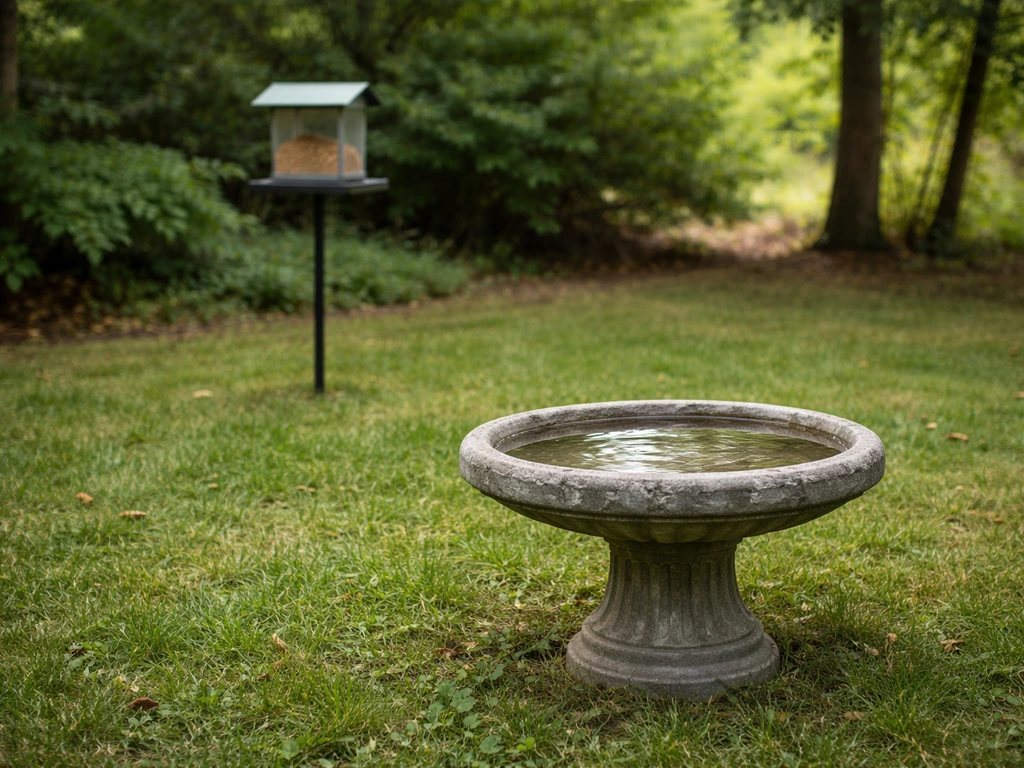
All About Birds notes that birds naturally gravitate to ground-level water sources since that's where they encounter water in the wild. Ground-level baths tend to attract a broader range of species, including birds that rarely visit elevated feeders. That said, ground placement increases predator risk, especially from cats. A compromise is a low pedestal of 12 to 18 inches, or ground level with dense prickly shrubs nearby that offer cover but make it hard for a cat to hide and lunge.
Distance from feeders and trees
Place your water source 10 to 15 feet away from your main seed feeders. Birds tend to use them separately, and clustering them together creates crowding and competition. Nearby trees or shrubs (within 10 feet) are good: they give birds a perch to preen after bathing and a quick escape route if a predator shows up. But avoid placing the bath directly under a tree where falling debris, berries, and bird droppings from perching birds will foul the water constantly.
Squirrel and predator deterrence
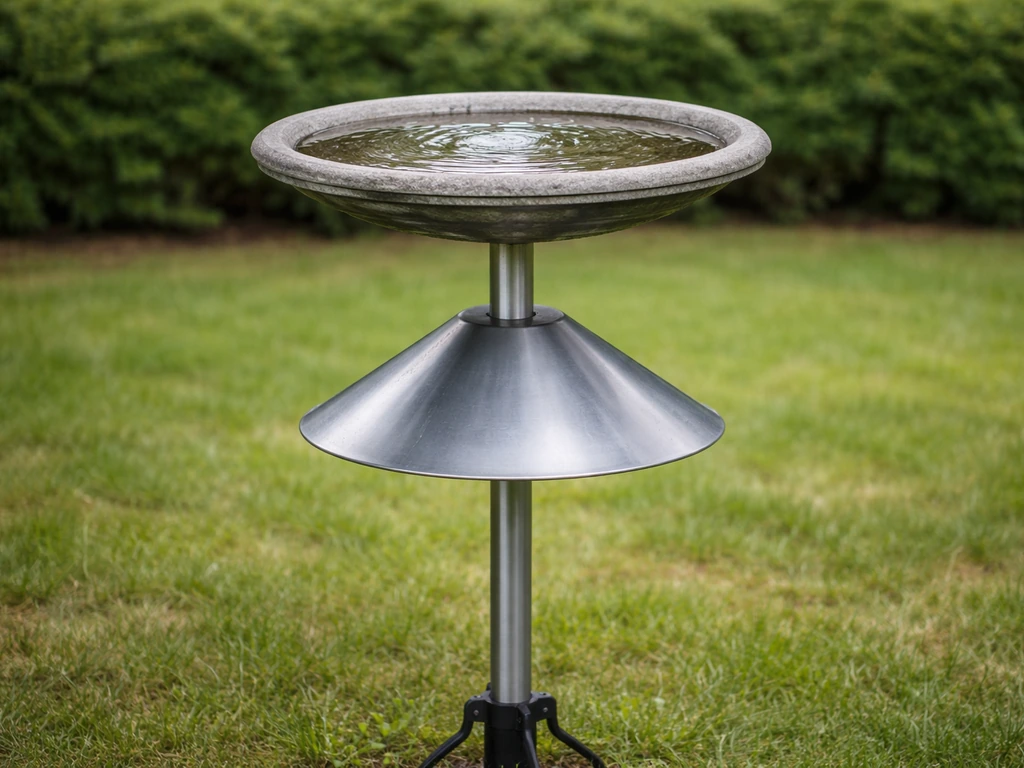
Squirrels will drink from and occasionally bathe in birdbaths, which is mostly harmless, but if it's a problem, a smooth metal pole with a baffle works the same way as it does for feeders. For cat predation, avoid hiding spots within 10 feet of the bath. A dripper or bubbler also helps: the sound and movement of water alerts birds to the bath's location, giving them more time to spot threats before landing.
Sun vs. shade
Partial shade is the sweet spot. Full sun heats the water faster, accelerates algae growth, and evaporates water more quickly. Deep shade keeps water cooler and cleaner but can make birds feel exposed and vulnerable. A spot with morning sun and afternoon shade is ideal in most climates.
Best picks by bird type and backyard setup
Different birds have different preferences, and matching your water setup to the species you want is worth thinking through.
General songbirds (robins, sparrows, thrushes, jays)
These birds are not picky. A standard 14- to 16-inch ceramic or concrete birdbath at low pedestal height with a simple dripper attachment will pull in a wide mix of common backyard songbirds. Robins in particular love a dripper and will visit repeatedly throughout the day. Keep the water no deeper than 2 inches and you'll see constant traffic.
Finches (house finches, goldfinches, purple finches)
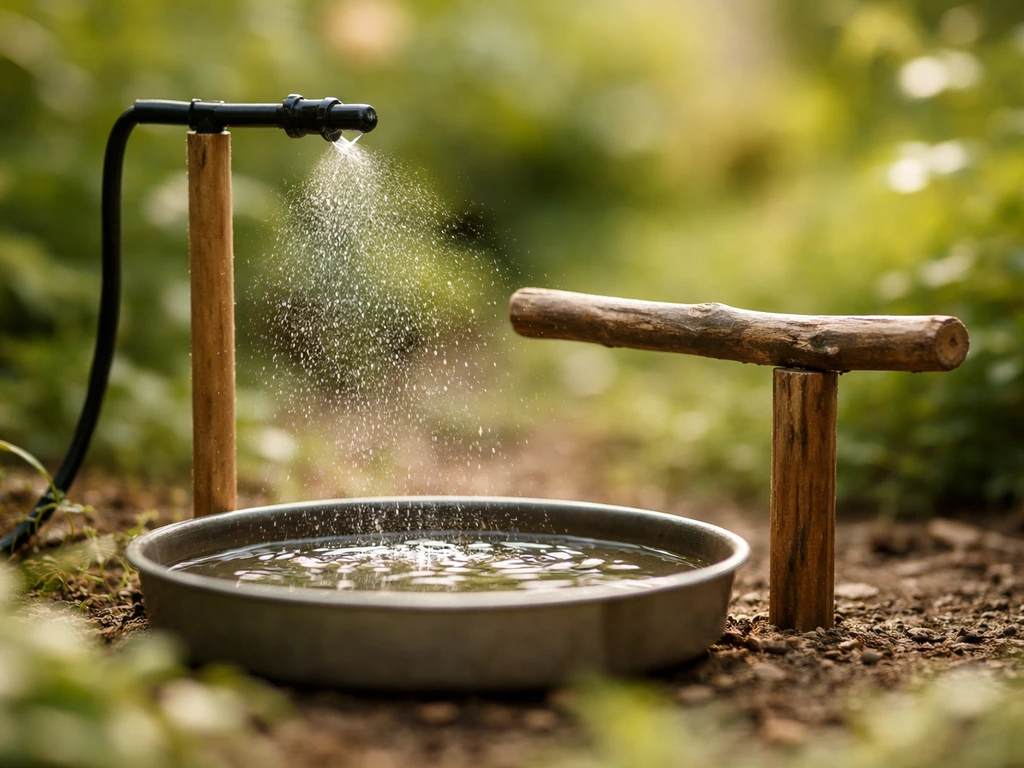
Finches are small and prefer very shallow water, ideally half an inch to an inch deep at the edge. A wide, shallow dish placed at or near ground level works well. A mister is also effective since finches will fly through a fine mist to wet their feathers. If you already run a nyjer or thistle feeder nearby, a small low dish within visual range of the feeder will pick up a lot of finch traffic naturally.
Cardinals
Cardinals are medium-sized and not shy about bathing. They prefer a slightly larger basin, around 15 to 18 inches wide, at a low to mid pedestal height. They also tend to visit early morning and late afternoon, so if you're placing a water source primarily for cardinals, morning shade helps keep conditions comfortable during peak visits. Cardinals are attracted to the sound of moving water, so a dripper is a strong add-on.
Woodpeckers
Woodpeckers drink frequently but are more cautious about bathing in open basins. If you want the best bird feeder for larger birds as well, choose a feeder style that supports strong perches and easy access without crowding. They prefer a setup near tree trunks or large branches. A pedestal bath placed near a mature tree, or a hanging water dish attached to a tree-mounted bracket, tends to work better for woodpeckers than a standalone ground-level option. Downy and hairy woodpeckers will use standard birdbaths; larger species like pileated woodpeckers need a deeper and wider basin than most standard models offer.
Hummingbirds
Hummingbirds don't bathe in traditional birdbaths. They prefer misters or very fine spray. If you want to offer water to hummingbirds, a dedicated mister on a drip line, aimed at dense foliage or a branch they already use, is by far the most effective option. They fly through the mist rather than landing in water.
Warblers and other shy species
If you're trying to attract migrants or shy forest species, moving water is your best tool. A dripper or small recirculating fountain placed in a quieter corner of the yard with dense surrounding shrubs will draw in species that never approach an open birdbath. The sound of dripping water is a genuine attractor for warblers during migration.
Setting up and maintaining it day to day
How often to change the water
Cornell Lab recommends changing birdbath water at least every three days, and in hot weather, more frequently. Honestly, if you can do a quick top-off and swirl daily, you'll keep it cleaner for longer and birds will use it much more. A full empty-and-scrub should happen at minimum once a week. In summer heat, I do a full dump and rinse every two to three days because things go south fast.
Cleaning routine
- Dump all old water out completely.
- Scrub the basin with a stiff brush. For algae or mineral buildup, use a 9: 1 water-to-bleach solution, scrub thoroughly, then rinse multiple times until no bleach smell remains.
- Let it air dry for a few minutes if possible, then refill with fresh water.
- Check for cracks, chips, or rough spots that trap bacteria each time you clean.
Avoid dish soap. It leaves a residue that can harm birds and it's hard to rinse out of porous materials. The bleach-and-rinse method is safe when done correctly and is what's recommended for removing algae and bacteria. A copper penny dropped in the basin used to be a folk remedy for algae, but it's not reliable. A real copper basin is more effective.
Algae control
Algae grows fastest in warm, still, sunny water. Moving water (drippers, bubblers), partial shade, and frequent changes are your best controls. There are enzyme-based birdbath additives marketed as algae inhibitors that are non-toxic to birds, and some work reasonably well as a supplement to regular cleaning. They're not a substitute for scrubbing, but they can extend the window between deep cleans.
Seasonal tips for year-round use
Hot summer weather
In summer, water evaporates fast and heats up quickly. Top off the basin daily. In extreme heat, add a little fresh cool water even mid-day; birds will appreciate it. Position the bath in afternoon shade if you can. A dripper running from your hose keeps the water moving, cools it slightly, and cuts down on stagnation without requiring much effort on your part.
Mosquito prevention
This is a real concern. Mosquitoes need about a week of standing water to complete their larval cycle, so changing water every 2 to 3 days is your first line of defense. The CDC specifically recommends emptying and scrubbing birdbaths weekly to eliminate mosquito eggs that cling to surfaces. If you want extra protection, Bti (Bacillus thuringiensis israelensis) products like Mosquito Dunks are safe for birds, other wildlife, and humans. The EPA confirms Bti kills mosquito larvae without harming other organisms. Drop a half or quarter dunk in the basin if you're in a high-mosquito area, especially in summer. Moving water from a dripper or fountain also deters mosquitoes since they prefer still water to lay eggs.
Cold weather and freezing temperatures
Liquid water in winter is genuinely valuable to birds and rarely provided. If you live somewhere that freezes, a heated birdbath or a birdbath heater insert is one of the highest-impact things you can do for winter birds. Cornell Lab confirms that thermostatically controlled heated birdbaths are available and effective: they only activate when temperatures drop near freezing, so they're not expensive to run. Don't use glycerin or antifreeze additives, which are toxic to birds. If you don't want a heated bath, bring ceramic and terra cotta baths inside before hard freezes to prevent cracking, and use a plastic or metal basin for winter.
When birds aren't using it: common problems and fixes
Birds are ignoring the bath completely
The most common reason is that the water is too deep or the sides are too steep. Add a flat stone to create a shallow wading area. The second most common reason is that it's too exposed. Birds won't bathe somewhere they feel they can't escape from quickly. Move it closer to shrubs or add a perching branch nearby. Finally, try adding movement: even a simple $10 solar dripper can make a bath suddenly visible and appealing to birds that were walking past it.
Water gets dirty or green too fast
If the water is turning green or murky within a day or two, the bath is in too much direct sun. Move it to partial shade, increase cleaning frequency, and consider adding a Bti dunk if mosquito larvae are visible. A copper basin or copper mesh placed in the bottom of a standard basin also slows algae growth due to copper's natural antimicrobial properties.
Water overflows or makes a muddy mess
Overflow usually comes from a dripper set too high or a basin that's too small for the flow rate. Slow the dripper to a single drop every second or two: that's enough to attract birds and keep water moving without flooding the basin. If the bath is on a pedestal and water is pooling underneath, place it on a gravel pad or flat stepping stones that drain well.
Pests are taking over
Raccoons will knock over or foul a birdbath quickly if they find it. A low, wide ceramic dish on the ground is especially vulnerable. Moving the bath to a higher pedestal (24 to 30 inches) and adding a slippery smooth metal pole makes raccoon access harder. Squirrels drinking from the bath aren't a real problem, but if they're monopolizing it, the same squirrel baffle technique you'd use on a seed feeder works here too. For more on managing problem animals around your feeders and water sources, the same strategies that apply to your main seed setup carry over well.
The water smells bad
A birdbath that smells is usually harboring bacteria, decomposing organic matter, or algae. Dump it, do a bleach scrub as described above, and rinse thoroughly. If this happens repeatedly within a day or two of cleaning, check whether there's a nearby tree dropping debris into the water or birds from a perch above are fouling it. Relocating the bath by even a few feet can solve a persistent smell problem.
The setup that works, bottom line
If I were starting from scratch today, I'd get a 15-inch glazed ceramic or copper basin on a 12- to 18-inch low pedestal, set it in partial shade 10 to 15 feet from my main feeders, and connect a simple gravity dripper to the garden hose. For a complete guide to choosing the best bird watching feeder overall, use the same placement and water-movement principles described here.
That setup costs under $60 for the bath and under $20 for the dripper, requires a 5-minute scrub twice a week, and will attract more species than most elaborate seed feeder setups. Add a Mosquito Dunk in summer, swap to a heated model or heater insert in winter, and you have a genuinely year-round water source that serves everything from goldfinches to woodpeckers to passing warblers.
For the top bird feeder picks, pair your water setup with a reliable seed feeder so birds have both food and fresh drink options throughout the day. The investment is small, the payoff in bird activity is real, and the maintenance is manageable if you build the cleaning habit into your regular routine.
FAQ
Is a dripper required for the best bird water feeder, or can I rely on still water?
You can use still water, but it will usually require more frequent dumping and scrubbing because the water stagnates faster. If you want the simplest “best” option, choose a shallow, wide basin plus a low-flow dripper (slow enough to avoid flooding) so birds get agitation and you get fewer algae issues.
How deep should the water be if I want finches and also cardinals to use it?
Use a shallow design where the deepest spot stays around 2 inches, but aim for even shallower edges (about 1 inch or less) by selecting a basin with a gentle slope. That compromise helps small waders like finches without making bathing uncomfortable for larger visitors.
What’s the best way to add a wading area if I already own a deep birdbath?
Place a flat, stable stone in the center to create a lower, gradual entry zone. Make sure it doesn’t wobble and that birds can reach it without steep sides or a slick landing that makes them hesitate.
My birdbath starts looking green quickly. Should I add copper or just change its location?
First fix location and sun exposure. Green within a day or two usually means too much direct sun, so move it toward partial shade and increase cleaning frequency. Copper can help slow algae, but it is not a substitute for correcting heat and stagnation.
How often do I really need to empty and scrub a birdbath if I top it off daily?
Daily top-offs are great for freshness, but they do not remove biofilm and buildup. Plan on a full empty-and-scrub at least once per week, and more often in summer if the water gets murky or has a film on surfaces.
Can I use dish soap or is it always a bad idea?
Avoid dish soap because residue can linger, especially on porous surfaces. If you need a stronger clean, follow a bleach-and-rinse approach and rinse thoroughly to remove any chemical traces birds would contact while wading or bathing.
What’s the safest way to protect against mosquitoes in a birdbath without harming birds?
Change the water every 2 to 3 days (and scrub weekly), then add a Bti product like Mosquito Dunks only if mosquitoes are active. Moving water from a dripper or bubbler also helps because many mosquito species prefer still water to lay eggs.
Do birds bathe and drink in winter, and how do I keep water from freezing?
Yes, liquid water is valuable in winter. Use a thermostatically controlled heated birdbath or a heater insert that only activates near freezing. Do not use toxic additives like antifreeze or glycerin, and if you are using non-heated baths, move ceramic and terra cotta indoors before hard freezes to prevent cracking.
Why are birds walking past my birdbath instead of using it?
The most common reasons are too-deep water, steep sides, and a lack of nearby escape cover. Also check placement, if it feels exposed birds will avoid it. Adjust to partial shade and keep it near shrubs or a perch so birds can preen and retreat quickly.
Where should I place the water feeder relative to seed feeders?
Aim for separation, about 10 to 15 feet away from main seed feeders. This reduces crowding and competition, and it lets birds treat water as a separate station where they can pause and bathe without fighting for space.
How do I stop flooding when using a dripper?
If water overflows, slow the dripper. Target a very light flow, roughly one drop every second or two, and make sure the basin size matches the water output. For pedestal baths, also place it on a well-draining base so runoff does not pool underneath.
Do I need to worry about cats, and what layout helps most?
Cats are a key risk for ground-level baths. Use a low pedestal (12 to 18 inches) or ground level with dense prickly shrubs nearby that provide cover but limit cat ambush. Avoid placing the bath near hiding spots within about 10 feet of the water.
How can I discourage raccoons from knocking over or fouling the bath?
Raccoons can exploit easy access to low baths. Move the basin higher (often 24 to 30 inches) and add a slippery, smooth baffle-style pole to make climbing harder. Also consider choosing a heavier, stable basin that resists tipping.
What should I do if the birdbath smells even after cleaning?
A repeating odor usually means ongoing contamination, such as debris falling from nearby trees or droppings from birds perching above. Empty, scrub, and then relocate the bath a few feet to break the contamination pathway, and consider trimming back overhead perches.
If I want hummingbirds, is a regular birdbath a good choice?
Most traditional birdbaths are not ideal because hummingbirds prefer mist rather than landing in standing water. Use a dedicated fine mister or a drip-line mister aimed at foliage or branches they already visit, so they can fly through the spray instead of wading.