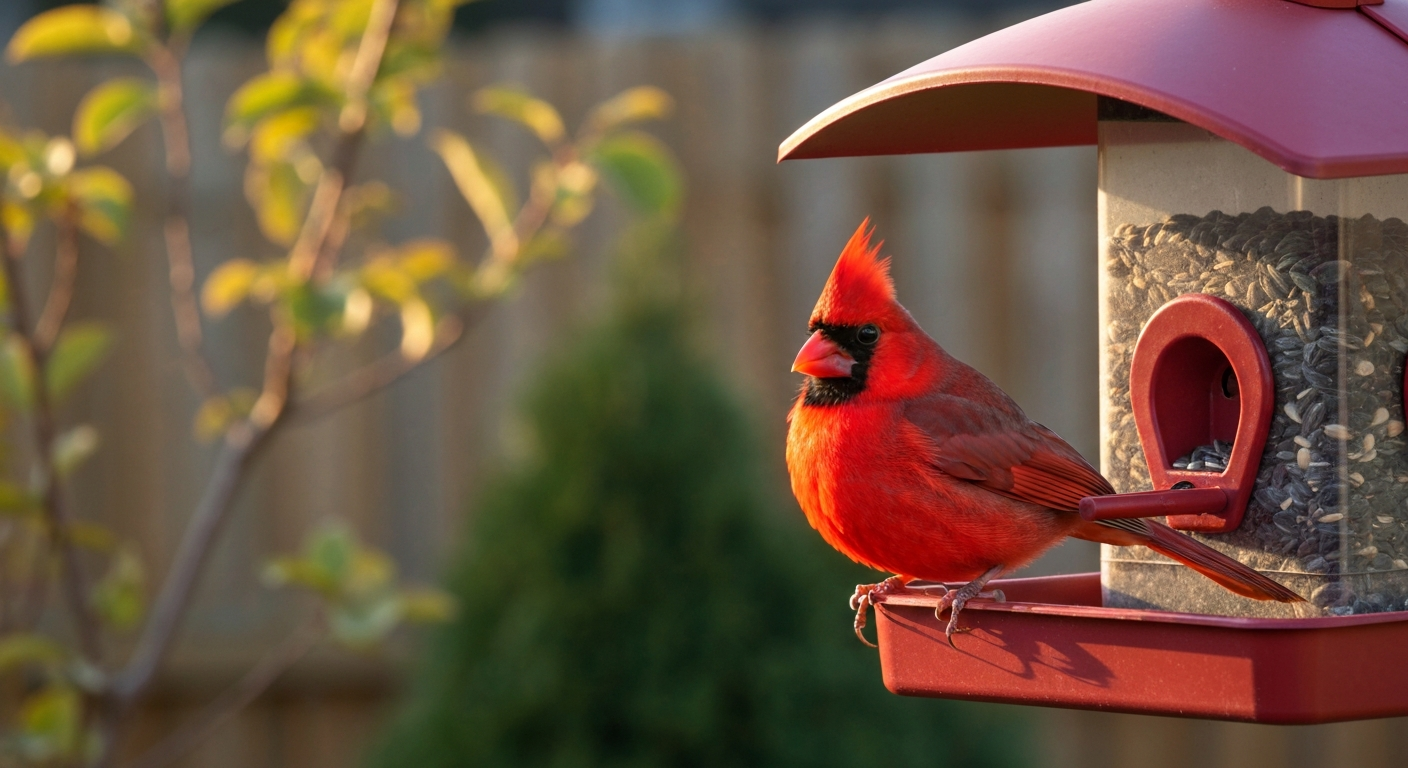
If you're tired of refilling your feeder every two days, attracting only sparrows, or watching squirrels empty a tube feeder before the cardinals even wake up, you need a large-capacity bird feeder built for real backyard conditions. The short answer: a high-quality large hopper or platform feeder in the 2- to 3-gallon (roughly 9 to 18 pounds of seed) range, mounted with a proper baffle at the right height and distance from jump points, will serve most backyards better than anything else. But the details matter a lot, so let's get into them.
Best Large Bird Feeders: Big Capacity, Less Waste Guide
Marcus Holloway
16 Apr 2026
What 'Large' Actually Means in Bird Feeder Terms
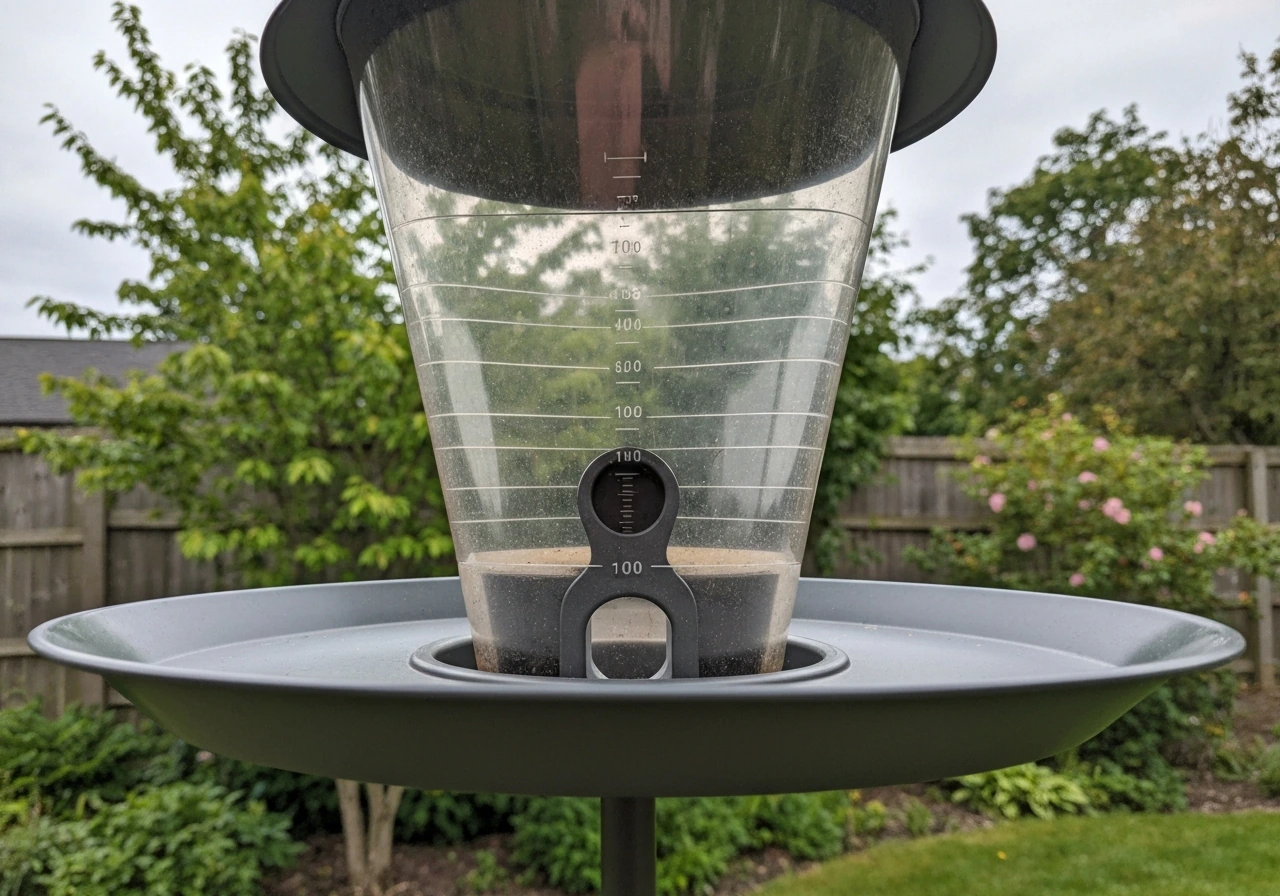
"Large" is a word feeder marketers abuse constantly, so it helps to anchor it in real numbers. In hopper feeders, large generally starts around 2.5 quarts (like the SERUBHF75 recycled plastic hopper), scales up to 2 gallons for a mid-large poly hopper, and tops out around 3 gallons or 18 pounds of mixed seed for the heaviest-duty models. Some hoppers in the 6-quart-plus range also toss in suet cake holders, which is genuinely useful if you're feeding woodpeckers or nuthatches alongside your seed birds. For tube feeders, large means roughly 4 pounds of seed (like the Perky-Pet 3266). That's a meaningful difference: a 3-gallon hopper holds four to five times what a large tube feeder does.
The footprint matters too. A large hopper feeder has a wide tray and roof that accommodates bigger birds side by side. A large platform feeder is open on all sides and sits closer to the ground, which appeals to ground-feeding species. A large tube feeder is tall but narrow, which limits how many birds can feed at once even if seed volume is high. When I think about "large" for backyard purposes, I'm really thinking about three things together: how many pounds of seed it holds, how many birds can feed at the same time, and which species the design actually invites.
Bird types matter here too. Cardinals, blue jays, mourning doves, red-bellied woodpeckers, grackles, and red-winged blackbirds all prefer or require larger feeding platforms and perches. Finches and chickadees can work a tube feeder just fine, but if you want the big, charismatic birds, you need space and the right seed presentation. If you're aiming for a broader mix, check out the best bird feeder for larger birds to see which feeder designs consistently pull in those heavier species.
What to Look for in a Large-Capacity Feeder
Not every big feeder is a good feeder. I've gone through enough of them to know what separates a feeder that lasts three seasons from one that warps, cracks, or turns into a squirrel buffet by month two. Here are the criteria I actually use:
- Seed capacity: Aim for at least 2 quarts for a "large" label to mean anything. For real low-maintenance feeding, 2 gallons or more is where it gets worthwhile.
- Material durability: Recycled plastic (poly lumber) resists warping, UV damage, and moisture far better than cheap painted wood. Heavy-gauge powder-coated metal is excellent for structural parts and wire cages. Avoid thin acrylic panels in high-sun or freezing climates.
- Weather resistance: Look for sloped roofs with adequate overhang, drainage holes in trays to prevent standing water, and materials that won't swell or crack through freeze-thaw cycles.
- Ease of refilling and cleaning: Wide-mouth fill ports and removable trays are non-negotiable at large scale. You will not clean a feeder with a narrow opening consistently, and inconsistent cleaning leads to mold and sick birds.
- Seed spillage control: Trays should be wide enough to catch spillage but not so deep that wet seed accumulates. Some large hoppers have angled seed channels that control flow and reduce waste.
- Squirrel and predator resistance: Weight-activated port closures, metal-reinforced openings, and baffle compatibility are all things to check before buying, not after.
If you're doing a broader comparison across styles and price ranges before zeroing in, the top bird feeder roundup covers a wide range of options and is a good companion read.
Best Large Feeder Options by Use Case
Hopper Feeders: The Workhorse Option
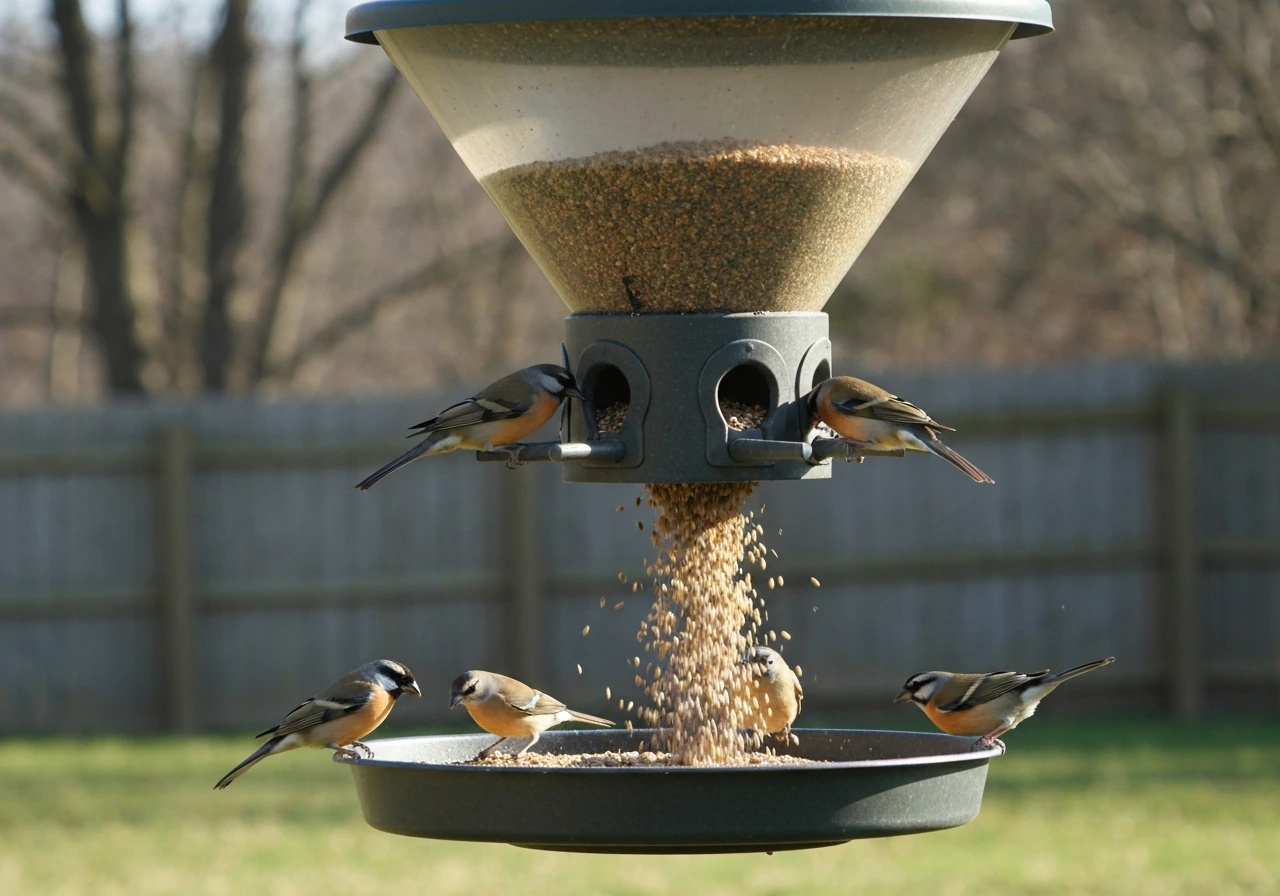
Hopper feeders are the most popular large-capacity design for good reason. Seed dispenses from a gravity-fed reservoir into a tray as birds eat, keeping it dry and covered from rain. At the 2-gallon to 3-gallon end of the spectrum, you're looking at feeders that can go a week or more between refills in normal conditions. The 3-gallon Heavy Duty Mixed Seed Feeder from The Backyard Naturalist, which holds around 18 pounds, is the kind of setup that actually earns the "reduces refill frequency" claim. That's a real benefit if you travel or just don't want to be out there every other day in January.
Hopper feeders also attract the widest range of species. Cardinals, jays, grosbeaks, nuthatches, and woodpeckers all use them comfortably. The downside is that open trays can accumulate wet or spoiled seed quickly if the roof overhang is inadequate, and bigger capacity means more seed to go bad if you're not managing it actively.
Platform and Tray Feeders: Best for Ground Feeders and Doves
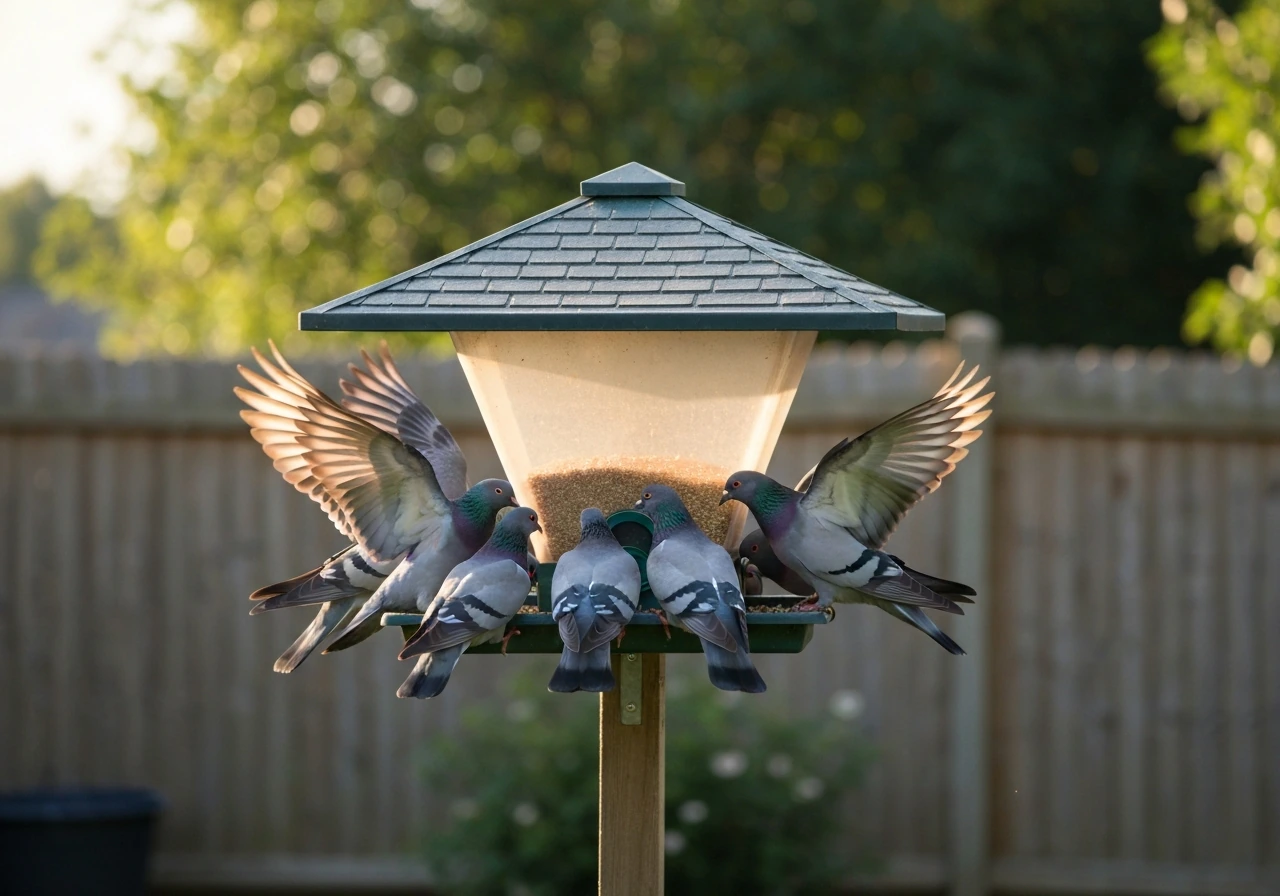
Open platform feeders are the most accessible design for large birds, including mourning doves, juncos, towhees, and even wild turkeys in rural settings. They don't hold as much seed as a hopper, but they're easy to fill and clean, and they can be mounted on poles, hung from a porch beam, or set low to the ground on a post. The trade-off is full weather exposure. Seed gets wet faster, so you'll be cleaning more often. For porch or covered patio setups, a hanging platform feeder is fantastic. In open yards, stick to a hopper.
Tube Feeders at Large Scale
A large tube feeder like the Perky-Pet 3266 holds about 4 pounds of seed and handles multiple perches well, but it's better suited for smaller-to-medium birds like finches, chickadees, titmice, and nuthatches. Cardinals will use a tube feeder with a built-in tray or wide perches, but blue jays generally won't bother. If your goal is attracting a specific mix of mid-size species without heavy competition from bigger birds, a large tube feeder is the right call. If you want broad appeal across large species, go hopper or platform.
| Feeder Type | Typical Capacity | Best For | Weather Resistance | Squirrel Risk |
|---|---|---|---|---|
| Large Hopper | 2–3 gallons / 9–18 lbs | Cardinals, jays, woodpeckers, grosbeaks | Good (covered tray) | High without baffle |
| Platform/Tray | 1–2 lbs (open) | Doves, juncos, towhees, turkeys | Low (open design) | High without baffle |
| Large Tube | ~4 lbs | Finches, chickadees, nuthatches, small cardinals | Good (enclosed) | Moderate |
Keeping Squirrels and Grackles Off Your Big Feeder
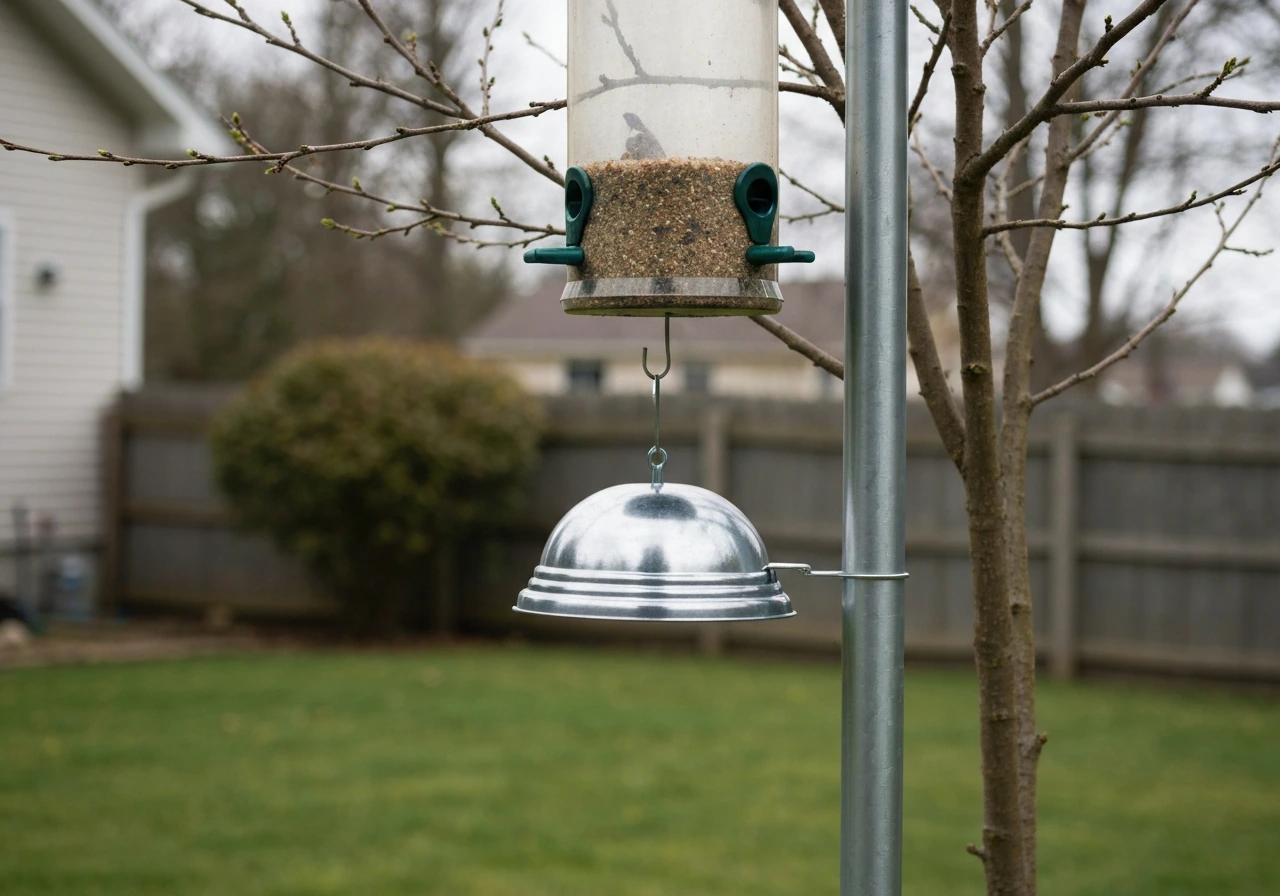
This is where most people go wrong: they buy a big feeder, hang it from a tree branch, and then wonder why it's empty by 8 AM. Squirrel-proofing a large feeder requires a combination of smart placement and the right physical deterrent, and those two things work together, not independently.
Baffles: The Gold Standard (When Placed Correctly)
A pole-mounted baffle is the most reliable squirrel deterrent available, but placement is everything. Wild Birds Unlimited recommends the top of the baffle sit about 5 feet off the ground, with the feeding station at least 10 feet away from any tree, fence, deck, or structure a squirrel could launch from. Audubon echoes this: you need at least 8 to 10 feet of clearance from solid structures. If your yard doesn't allow that geometry, a baffle alone won't save you.
Weight-Activated Feeders: The Fallback That Works
When proper baffle placement isn't possible (small yards, trees everywhere), a weight-activated feeder is your next-best option. Perky-Pet makes models where a sliding metal cage closes all feeding ports simultaneously the moment a squirrel's weight is applied to any perch or the roof. The mechanism is reliable and doesn't require any particular mounting position to work. Audubon specifically recommends this as the alternative when baffle clearances can't be met. I've used this setup in a yard with zero open space and it genuinely works, though squirrels will sometimes just sit there trying to figure out why nothing is happening.
Caged Feeders for Grackle and Starling Control
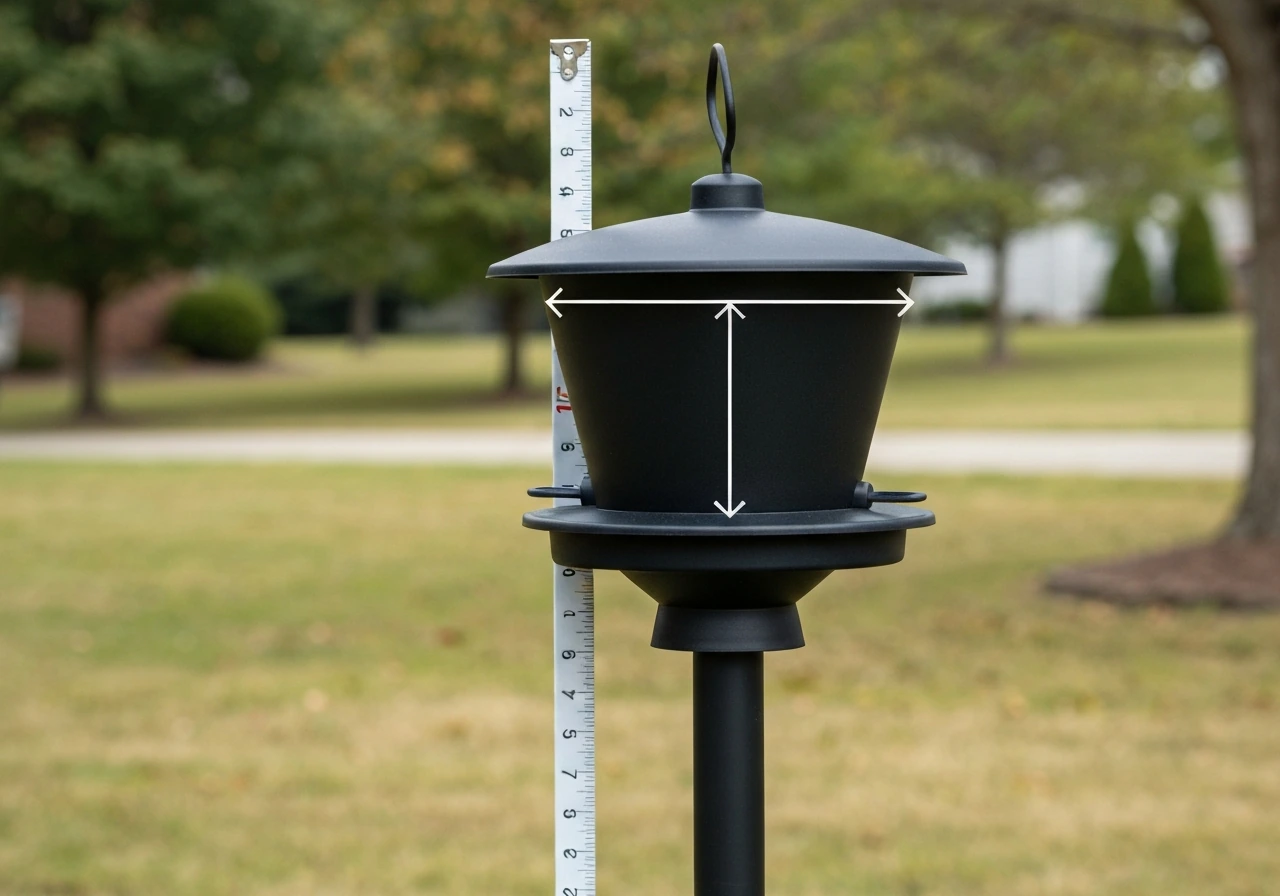
Grackles and European starlings are a separate problem from squirrels and need a different solution. Wild Birds Unlimited recommends caged feeders with 1.5-inch openings, which physically excludes grackles, common starlings, and Eastern gray squirrels while allowing smaller birds to pass through and feed. This is the most effective passive deterrent for nuisance blackbirds. You can also switch from mixed seed to straight safflower, which cardinals love and grackles tend to avoid.
One more consideration: Washington Department of Fish and Wildlife advises placing feeders at least 5 feet off the ground and 10 feet from the nearest shrub, tree limb, or deck to prevent squirrel access. Dome-shaped baffles are specifically listed as effective deterrents in their guidance. Get both the height and the clearance right, and you eliminate most of the problem.
Placement, Mounting, and Keeping Things Clean
Where and how you mount a large feeder makes a bigger difference than most people expect. A heavy 3-gallon hopper full of seed is genuinely heavy, so you need a sturdy pole or shepherd's hook rated for the weight. Standard 0.5-inch shepherd's hooks can flex or tip with a large feeder, especially in wind. Go with a 1-inch diameter steel pole if you're mounting a big hopper.
Height-wise, 5 to 6 feet off the ground is the practical sweet spot for most pole-mounted feeders. High enough to deter cats, low enough for easy refilling and cleaning. For hanging feeders, a covered porch beam or a purpose-built arm bracket attached to a post works well. Avoid hanging directly from a tree branch unless you're also hanging a wraparound baffle on the line.
Cleaning is not optional, especially with large feeders that hold seed for longer periods. Wet seed develops mold that can cause aspergillosis in birds, which is a serious and preventable disease. The standard cleaning protocol is a 1-part bleach to 9-parts water solution, scrubbing out all seed residue and droppings, then rinsing thoroughly and (this is critical) allowing the feeder to dry completely before refilling. Audubon recommends cleaning every other week as a baseline, more often in humid summer months or during high use. I do a quick check every fill, looking for wet clumps at the bottom of the hopper, and do a full bleach clean every two weeks in summer and monthly in dry winter weather.
If you're also offering water alongside your seed setup, pairing a feeder with a dedicated water source makes your yard much more attractive year-round. The best bird water feeder options cover heated and unheated birdbaths and dripper setups that work well alongside large feeders.
Smart and AI Camera Feeders: Worth It for Large Setups?
The smart feeder category has matured a lot in the past two years. If you're investing in a large, permanent feeding station, adding a camera and AI identification feature is actually a reasonable upgrade, not just a gimmick. Here's the practical case: with a large feeder attracting a diverse mix of species, you'll genuinely want to know what's visiting, when, and how often.
Bird Buddy's camera module runs 5-megapixel HD video with a 120-degree field of view and a built-in microphone, and its AI can identify 350 bird species from photos. Birdfy's competing app claims identification of over 6,000 species and pushes results to your phone in real time. For a large feeder setup where you're attracting eight to twelve species regularly, having automatic ID notifications is genuinely useful, not just fun. The Kiwibit Beako system (reviewed at TechRadar) adds cloud storage for 60 days, custom alert zones, and smart notifications with species ID on its subscription tier.
The honest caveat: most dedicated smart feeders are sized for small to medium capacity, not the 2- to 3-gallon hopper range. The practical solution most serious birders use is a separate camera unit (like a Bird Buddy module or a Birdfy standalone cam) positioned to monitor a large traditional feeder, rather than relying on a smart feeder's built-in reservoir. If the monitoring angle appeals to you, a best bird watching feeder setup with a camera mount gives you the best of both worlds: real capacity and real identification capability.
Matching the Right Large Feeder to Your Species and Yard
Here's how I'd actually walk through this decision if you were standing in my backyard asking me what to buy:
- Identify your target birds first. Cardinals and woodpeckers: go large hopper with sunflower seed and suet holders. Mourning doves and juncos: add a low platform feeder or ground tray. Finches: a large tube with Nyjer or sunflower chips. Mixed flock: a 2- to 3-gallon hopper with black-oil sunflower seed covers the most ground.
- Assess your squirrel situation honestly. Open yard with room for proper clearance: invest in a good pole baffle system. Tight yard near trees or structures: get a weight-activated feeder with metal port closures, or a caged feeder with 1.5-inch openings.
- Check for grackle or starling pressure. If you see them regularly, switch to a caged feeder, use safflower instead of mixed seed, and consider removing open platform feeders temporarily during heavy migration periods.
- Decide on capacity based on how often you're willing to refill. Every 3 to 5 days: a 2-quart to 2-gallon hopper. Weekly or less: go 2 to 3 gallons. If you travel, the 3-gallon, 18-pound capacity is worth the larger footprint.
- Choose your mounting setup before you buy the feeder. Make sure you have a pole, bracket, or overhead anchor that can hold the weight of the full feeder plus handle wind load.
- Decide if you want AI/camera monitoring. If yes, buy a traditional large hopper for capacity and add a Bird Buddy or Birdfy camera unit positioned to monitor the feeding area. Don't sacrifice capacity for a built-in smart feeder.
- Commit to a cleaning schedule. Every two weeks minimum, bleach solution, fully dry before refilling. Put it in your calendar. This matters more than which feeder you buy.
The best large bird feeder for most backyards is a 2- to 3-gallon poly or metal hopper with a wide tray, a sloped weather-resistant roof, and compatibility with a pole-mounted baffle. Pair it with safflower or black-oil sunflower seed, mount it on a 1-inch steel pole with a wrap-around baffle at 5 feet, and keep it 10 feet from anything a squirrel can jump from. That combination handles most of the common problems: squirrels, grackles, weather, and seed waste. Everything else, including smart cameras and specialty tube feeders, layers on top of that foundation once you've got the basics dialed in.
FAQ
What seed type and mix works best in the largest hopper feeders without creating waste?
For a large hopper, use a mix that matches the feeder size and your target birds, then reduce waste by adding seed only up to what you expect to consume in about 7 to 10 days. Large reservoirs go stale faster, and wet seed clumps are more likely at the bottom where air circulation is weakest.
Can I use a large feeder with a baffle in a small yard that has trees and fences close by?
Yes, but don’t rely on a one-size baffle. If you can’t get the recommended clearance from solid structures, switch to a caged or weight-activated design and keep the feeder at least 5 feet off the ground to reduce easy access for squirrels and to protect against other pests.
How do I stop grackles and starlings from taking over a large bird feeder?
If grackles or starlings dominate quickly, tighten the system instead of adding more seed. Use caged feeders with small openings for nuisance blackbirds, consider safflower (instead of mixed seed), and plan to clean more often because these birds bring more droppings and seed shells into the tray.
Why does my large hopper sometimes empty faster than expected or seem to dispense inconsistently?
If you see uneven feeding or the hopper empties faster than expected, check for two common issues: the feed outlet sometimes binds if the seed is damp or too fine, and a feeder that is slightly tilted can dump seed prematurely. Ensure it sits level and confirm the tray fully catches the flow.
How often should I spot-clean a large feeder during humid summer weather?
To prevent mold, keep the feeder dry and remove any wet clumps at the next check. Even if you clean on schedule, humid weather and heavy use can require spot-cleaning every few days, especially for open platform styles that expose seed to rain.
What mounting height is safest and easiest for refilling with large feeders?
For roofed feeders, the “right” height depends on your safety and predator pressure, but 5 to 6 feet is usually practical for access and safety. If cats are a concern, err toward the high end of that range and maintain the recommended horizontal clearance from jump points.
What’s the most common mounting mistake that ruins squirrel-proofing on large feeders?
If you use a pole-mounted wrap-around baffle, avoid mounting on flexible hooks or thin conduit. Use a sturdy, appropriately sized pole so the baffle stays at the correct vertical height, otherwise squirrels can reach under or around it during windy conditions.
Do smart feeders with built-in cameras work well with large-capacity hoppers?
Smart feeder cameras can work, but most are not designed to handle 2- to 3-gallon hoppers reliably. The practical upgrade is using a separate camera aimed at the feeding area and keeping the large feeder as a standard hopper, then let the camera do the identification.
How do I adjust cleaning frequency for open platforms versus hoppers?
Plan on cleaning more frequently if your feeder attracts heavier birds that kick seed upward and if you use platform styles. A good rule is to increase cadence when you notice seed shells, wet clumps, or a musty smell, then return to longer intervals once conditions dry out.
What feeder design increases the number of large birds that can eat at the same time?
If you want more simultaneous feeding, platform and hopper designs usually outperform tall tube feeders. Also check perch space and roof width, because big birds may choose the feeder that offers a comfortable stance even if the capacity is similar.
Next Article
Best Red Cardinal Bird Feeder: Top Picks & Buying Guide
Best red cardinal bird feeder guide: top picks, painting tips, seed & placement advice to attract Northern Cardinals.