A quality bird feeding station has four things working together: durable materials that survive real weather, smart design that keeps squirrels and nuisance birds out, the right feeder types for your target species, and a placement and hygiene routine that makes birds feel safe enough to come back every day. Get all four right and you'll have a yard full of activity. Miss one and you'll spend the season refilling feeders that squirrels drain overnight or cleaning up moldy seed.
Quality Bird Feeding Station Buying Guide for Any Backyard
Marcus Holloway
3 Jun 2026
How to choose a high-quality bird feeding station for your yard
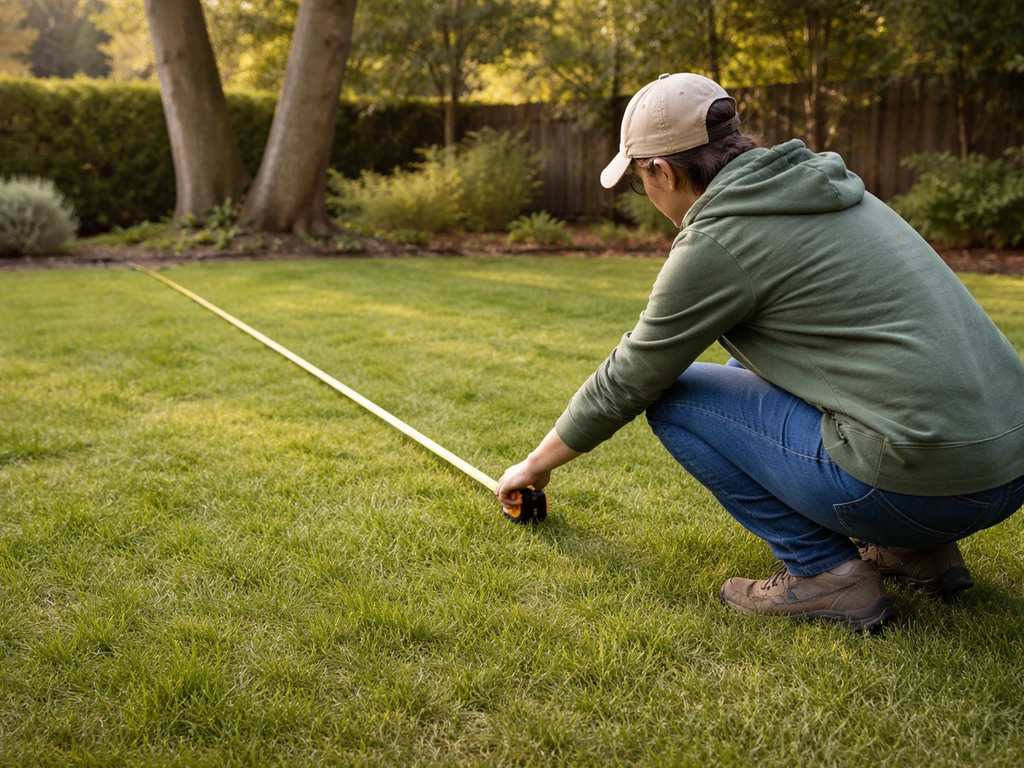
Start with an honest look at your yard. How big is the space? Are there mature trees nearby that squirrels can launch from? Do you have a lot of grackles or starlings passing through? Do you want to attract a specific species like cardinals, woodpeckers, or hummingbirds? These questions drive every meaningful choice you'll make about a feeding station, from the pole system and baffles to which feeders you hang and how many.
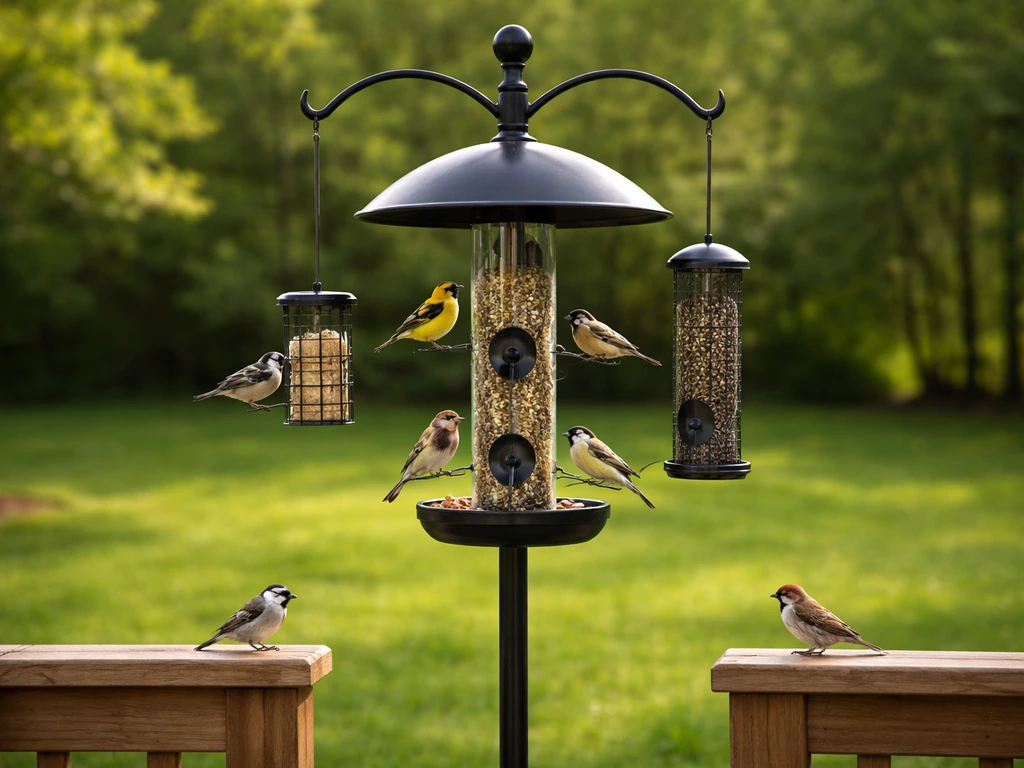
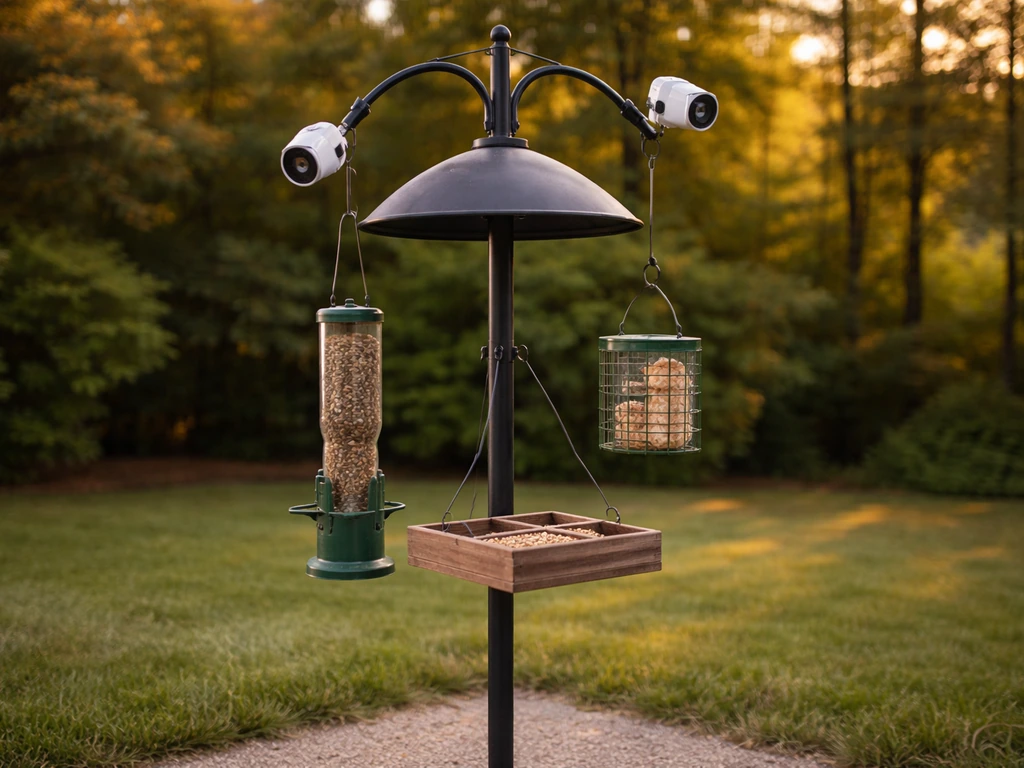
A feeding station is basically a pole or multi-arm system that holds multiple feeders in one spot. The quality ones let you mix feeder types (tube, suet cage, platform, hummingbird) so you attract a wider variety of birds without cluttering your yard with separate mounting setups. The weak ones look great in product photos but wobble in the wind, rust after one season, or have arms spaced so tightly that squirrels can use one feeder as a stepping stone to the next.
Before buying, check the total weight capacity. A fully loaded feeding station with four or five feeders plus wet seed after rain gets heavy fast. Better stations are rated for 30 to 50 pounds or more. Also look at how the arms attach. Welded steel beats bolt-on plastic brackets every time, especially if you live somewhere with real wind.
If you're comparing options, it's worth knowing that there's a meaningful gap between general-use stations and genuinely heavy-duty builds. If you want the best heavy duty bird feeding station, prioritize thicker-gauge steel and stakes rated for the full load you plan to hang long term heavy-duty builds. Poles designed specifically for longevity and load capacity use thicker-gauge steel tubing and deeper ground stakes. That distinction matters if you're setting something up permanently rather than moving it around seasonally. It's also worth looking at dedicated buying guides focused on those heavy-duty options to see how they stack up against lighter-duty alternatives.
Materials, weather resistance, and longevity (what "quality" really means)
Marketing descriptions like 'premium' and 'weather-resistant' are nearly meaningless without specifics. Here's what to actually look for.
Pole and frame materials
Powder-coated steel is the benchmark for poles. It resists rust, handles UV exposure far better than raw metal, and doesn't crack in cold weather the way some plastics do. Avoid stations with poles that are just hollow zinc or lightweight aluminum unless you're in a mild climate and not loading the arms heavily. Wrought iron looks beautiful but needs seasonal maintenance to prevent surface rust if the coating chips. Stainless steel hardware for screws and arm connections is a solid signal of a quality build.
Feeder materials
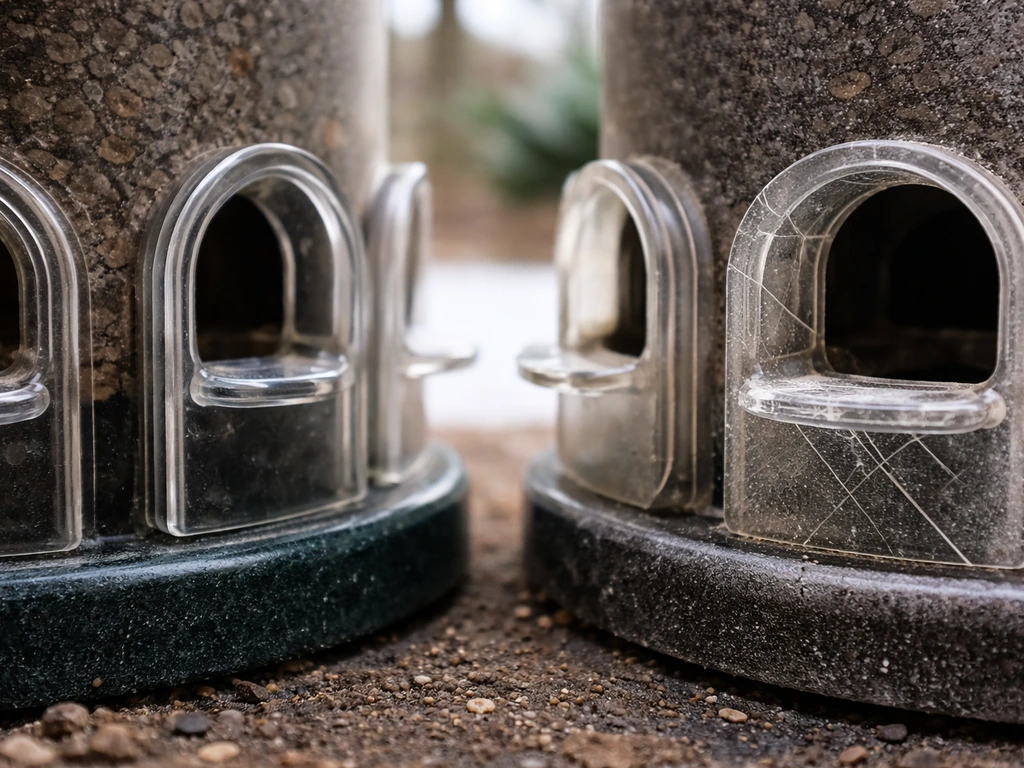
For the feeders themselves, thick polycarbonate or UV-stabilized acrylic outlasts thin clear plastic by years. You'll see the difference when the ports stop cracking in winter. Metal ports and perches resist chewing better than plastic, which squirrels can destroy in a single morning. Cedar and redwood feeders are beautiful and naturally rot-resistant, but they need occasional sealing to maintain that resistance. Glass tube feeders are heavy but nearly indestructible and easy to clean properly. Mesh feeders made from galvanized or coated steel wire hold up well, though the coating quality varies widely by brand.
| Material | Durability | Weather Resistance | Ease of Cleaning | Best For |
|---|---|---|---|---|
| Powder-coated steel pole | Excellent | Excellent | Easy | All setups |
| Thick polycarbonate/acrylic feeder | Very good | Good (UV-stabilized) | Easy | Seed tube feeders |
| Glass tube feeder | Excellent | Excellent | Very easy | Finches, chickadees |
| Cedar/redwood feeder | Good | Good (if sealed) | Moderate | Platform/tray feeders |
| Galvanized steel mesh | Very good | Very good | Moderate | Nyjer, suet, nuts |
| Thin injection-molded plastic | Poor | Poor | Easy | Avoid for long-term use |
One thing worth noting: tube feeders naturally keep seed drier than open tray feeders, which directly reduces the risk of mold and bacteria growth. That matters for bird health, and it matters for how often you have to clean. A sheltered roof over platform feeders partially compensates for this, but tube and hopper designs have a structural advantage in wet climates.
Bird access vs predator-proofing: squirrels, raccoons, grackles, and pests
This is where a lot of feeding stations fail in practice. The hardware looks solid, but within a week a squirrel has figured out how to lean off an arm and drain the feeder. Getting this right isn't optional if you want a station that actually works.
Squirrels and raccoons
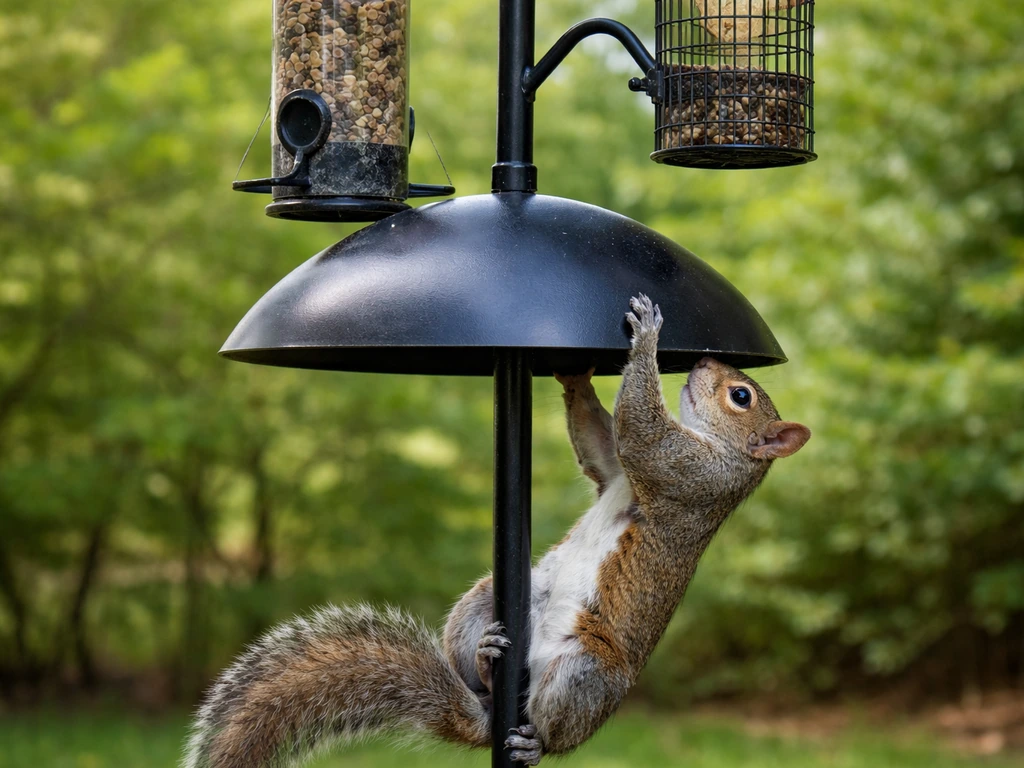
The most reliable squirrel deterrent is a combination of placement and a physical baffle. Audubon recommends placing feeders at least 8 to 10 feet away from anything a squirrel can jump from, including trees, fences, decks, and buildings. That distance is non-negotiable. Even the best baffle in the world won't help if a squirrel can just jump horizontally from a nearby branch directly onto the feeder arm.
For the pole itself, a torpedo-style or dome-shaped baffle mounted below the feeders stops squirrels from climbing up. University of Nebraska-Lincoln extension guidance recommends mounting feeders at least 5 feet off the ground with a baffle, and keeping that 8-foot horizontal clearance from jump surfaces. Raccoons are a similar problem and the same baffle approach works, though they're heavier and more persistent, so the baffle needs to be wide enough (at least 17 to 18 inches across) that they can't reach around it.
Grackles, starlings, and nuisance birds
Grackles and starlings are a different challenge. They don't climb your pole, they just land and eat everything. The most effective structural solution is feeder port size. Nature's Way and other bird product specialists note that starlings and grackles cannot fit through an opening with a diameter of 1.5 inches or smaller, which means a caged tube feeder or a tube feeder with small ports physically excludes them while smaller songbirds pass right through.
Caged feeders, where a wire cage surrounds the inner feeder tube, take this further by blocking larger birds from reaching the ports at all. These are highly effective and worth the slightly higher cost if grackles or starlings are a persistent problem in your yard. U.S. Fish and Wildlife Service guidance also recommends using specific seed types and removing spilled or stale seed promptly, since mixed-seed blends with filler like milo are especially attractive to nuisance species. The U.S. Fish & Wildlife Service also advises using appropriate seed types and promptly removing spilled or stale seed to help reduce unwanted birds removing spilled or stale seed promptly and using specific seed types.
Ants, wasps, and insects at hummingbird feeders
Hummingbird feeders get their own pest category. Ants crawl down the hanger and straight into the nectar reservoir. Wasps and bees crowd the ports. Audubon and Texas Parks and Wildlife both recommend an ant moat, which is a small water-filled cup that mounts between the hook and the feeder and physically stops ants from reaching the nectar. Bee guards, small plastic mesh covers over the feeding ports, let hummingbirds access the nectar while blocking insects from landing directly on the ports. Both of these should be standard features or easy add-ons on any quality hummingbird feeder.
Feeder types and what species they fit
A well-designed feeding station mixes feeder types to pull in multiple species at once. Here's how to match feeders to birds.
| Feeder Type | Best Seed/Food | Target Species | Notes |
|---|---|---|---|
| Tube feeder (small ports) | Nyjer (thistle), fine sunflower chips | Finches, siskins, redpolls | Caged version excludes grackles/starlings |
| Tube feeder (standard ports) | Black-oil sunflower, safflower | Chickadees, nuthatches, titmice | Tube design keeps seed dry |
| Hopper/house feeder | Black-oil sunflower, safflower blend | Cardinals, jays, grosbeaks | Covered roof helps in wet weather |
| Platform/tray feeder | Mixed seed, peanuts, fruit | Cardinals, sparrows, doves, juncos | Needs frequent cleaning; cover helps |
| Suet cage | Suet blocks, suet dough | Woodpeckers, nuthatches, wrens | Upside-down suet cage deters starlings |
| Hummingbird feeder | 1:4 sugar-water nectar (no dye) | Ruby-throated, Anna's, Rufous hummingbirds | Needs ant moat and bee guards |
| Peanut feeder (mesh tube) | Whole or shelled peanuts | Blue jays, woodpeckers, chickadees | Wide mesh needed for whole peanuts |
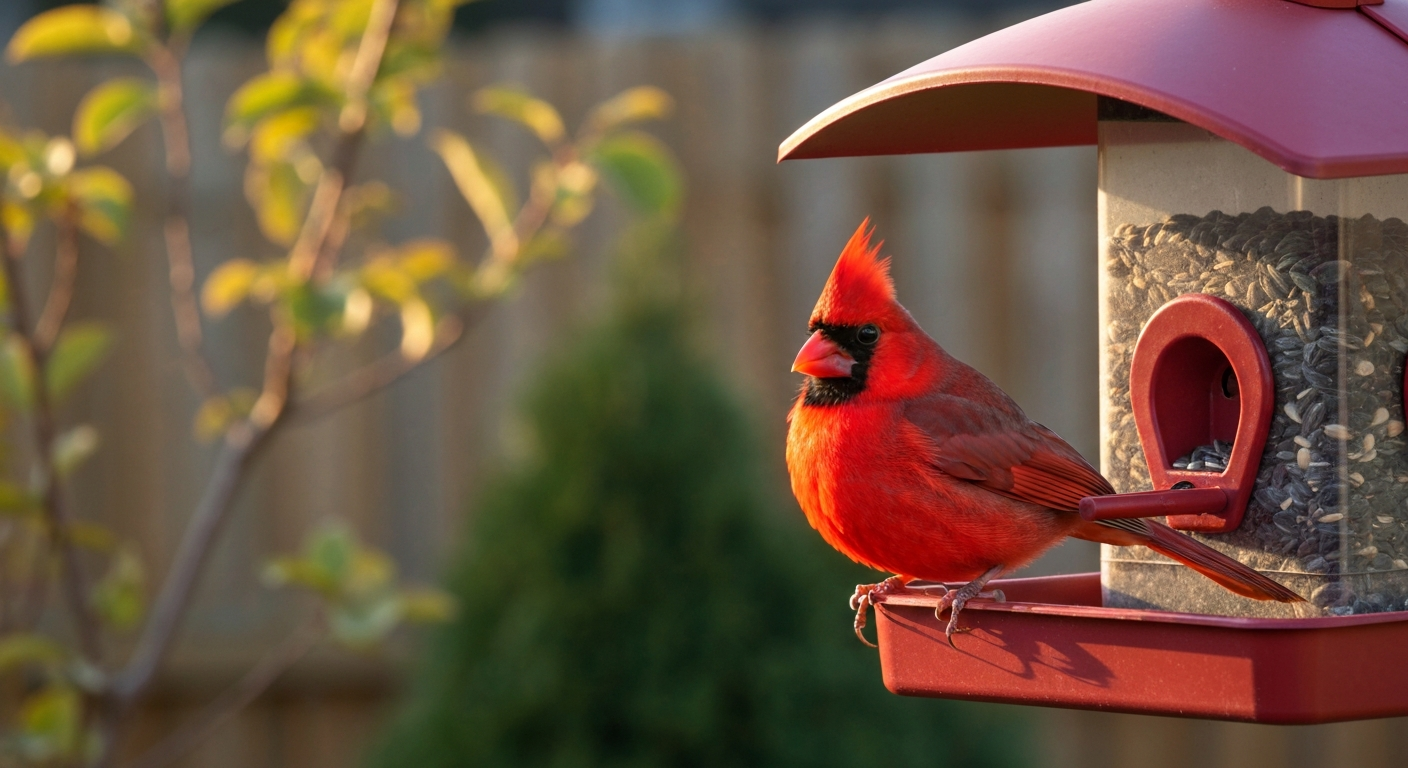
Cardinals deserve a specific note because they're one of the most requested backyard birds. They strongly prefer feeders with a comfortable perch and a wide feeding tray or port area. Tube feeders with short perches frustrate them. A hopper feeder with a tray extension or a dedicated platform feeder with a roof works much better. Safflower seed is also worth trying if grackles are stealing sunflower seed, because most grackles and squirrels dislike the slightly bitter taste, while cardinals eat it readily.
Woodpeckers need suet, and the specific design of the suet cage can work for or against you. Standard cage-front suet feeders are fine for larger species like Red-bellied or Hairy Woodpeckers. But an upside-down suet cage, where birds have to cling and reach from below to access the suet, is a highly effective deterrent for European Starlings, which can't easily feed in that position. If starlings are clearing out your suet daily, switching to an upside-down cage is one of the best practical fixes available.
Mounting, placement, and hygiene: keeping feeding consistent and safe
Placement that works
The 8-to-10-foot rule from squirrel jump-distance guidance also overlaps with bird safety. Feeders placed too close to dense shrubs or fences give cats and hawks an easy ambush point. You want visibility around the feeder so birds can spot approaching predators. At the same time, placing feeders within about 3 feet of a window (or more than 30 feet away) reduces window collision risk, because birds flying from very close range don't build up enough speed to cause fatal impact. The dangerous middle distance is roughly 5 to 30 feet.
For ground-level feeding (if you use a tray or platform near the ground for doves and sparrows), keep it far enough from dense cover that a cat can't crouch and spring. Two to three feet of open space on all sides is a reasonable minimum.
Cleaning schedule that actually prevents disease
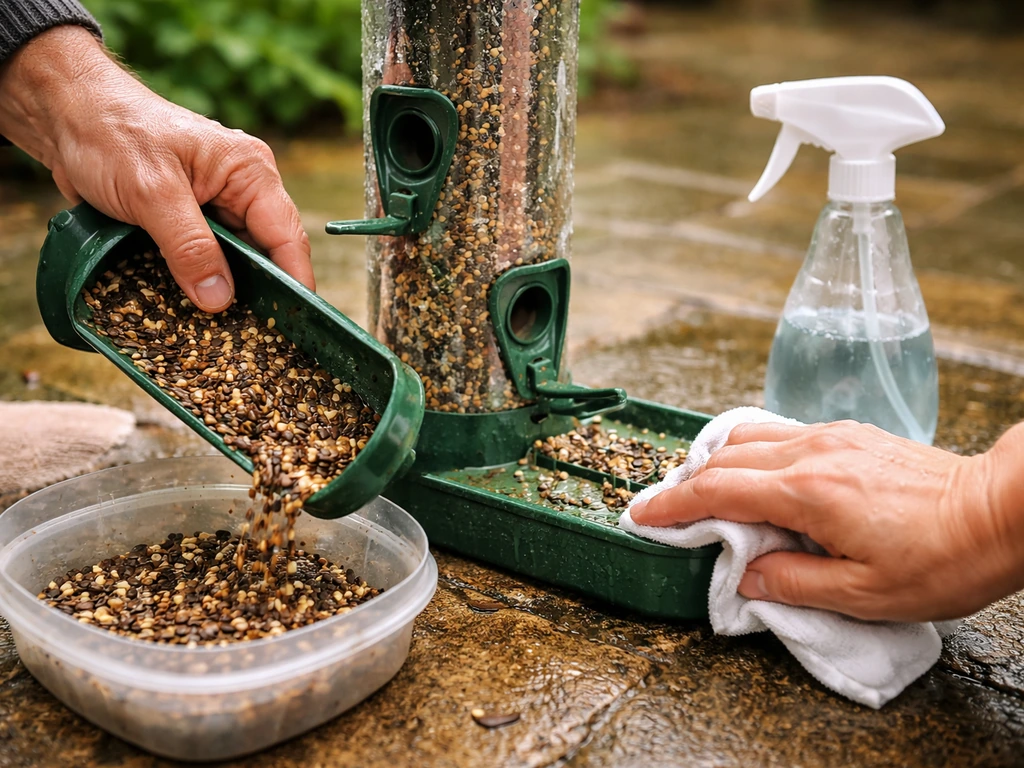
Feeders get gross faster than most people expect, especially in warm, wet weather. Project FeederWatch recommends cleaning seed and suet feeders every one to two weeks under normal conditions, and more often during heavy use or after rain. Hummingbird feeders need cleaning every couple of days during hot weather because nectar ferments quickly and can make birds sick.
For disinfection, Audubon and the National Wildlife Health Center recommend a solution of 9 parts water to 1 part bleach. Project FeederWatch goes further and recommends scrubbing away all debris first, then soaking the feeder for 10 minutes in that diluted bleach solution. That one-two punch is significantly more effective than soap and water alone at killing bacteria. Rinse thoroughly and let it dry completely before refilling. The CDC also recommends wearing disposable gloves during the entire cleaning process, which is a simple step that protects you from salmonella and other pathogens that birds can carry.
Also keep the area under the feeder clean. Hulls, spilled seed, and droppings build up fast and attract rodents. Raking or sweeping underneath every week or so, and removing any seed that has gotten wet and started to clump or smell, makes a real difference in both rodent activity and disease risk.
Smart and AI feeding stations: what to look for if you use cameras or apps
Smart bird feeders with built-in cameras and AI species identification have gotten genuinely useful over the last few years. If that kind of tech is on your radar, here's how to evaluate quality beyond the marketing.
Camera and detection specs that matter
Night vision range is more important than most buyers realize. The Netvue Birdfy, for example, offers a stated night vision distance of 10 meters, which is enough to see nighttime visitors like owls or raccoons approaching the feeder. Battery capacity determines how long you go between charges if you're not using a solar panel: the Birdfy Feeder uses a 5200mAh rechargeable lithium-ion battery, while the Bird Buddy uses a 4000mAh unit. TechRadar testing found that with good solar panel placement, the Birdfy's battery can stay at full charge in active use, which is the ideal setup if you want a low-maintenance experience.
AI species detection accuracy varies by model and by bird. Most current systems handle common backyard species like chickadees, cardinals, and house sparrows reliably. Less common visitors, juvenile birds, and birds at unusual angles get misidentified more often. Look at independent testing reviews rather than manufacturer accuracy claims to get a realistic sense of what a specific model actually identifies correctly in real-world conditions.
App reliability and connectivity dependencies
This is the part that smart feeder marketing glosses over. Most smart feeders are cloud-dependent, meaning live viewing, alerts, and sometimes even basic functionality require active internet connectivity and working company servers. Birdfy's system, for instance, relies on cloud connectivity for live feeds and alert delivery, and community reports confirm that server outages can disrupt functionality entirely. WIRED's real-world review of the Birdfy also flagged practical placement limitations with the camera field of view.
Before buying a smart feeder, check whether video storage is local, cloud-based, or subscription-gated. Birdfy's cloud storage uploads clips to their servers, with longer recording capability tied to subscription tiers. If the company changes its pricing or discontinues the service, your storage setup changes with it. For most casual users the app experience is worth it, but go in with clear eyes about what you're depending on.
Smart feeder vs traditional station: which is actually better
Smart feeders are typically single-feeder units with a camera housing rather than full multi-arm stations. If your goal is attracting a wide variety of species with different feeders, a traditional quality station with multiple feeder types will outperform a single smart unit for sheer bird variety and volume. The smart feeder wins on identification, documentation, and entertainment value, especially if you want to know exactly what species are visiting and when. The ideal setup for a serious backyard birder is often a quality traditional station for feeding variety, with one smart feeder added for the camera and species-logging experience.
FAQ
How do I choose a quality bird feeding station if I want only one or two species?
Pick the feeder types first, then match the station hardware to them. For example, if you want cardinals, prioritize a platform or hopper style with a comfortable landing area, then choose a multi-arm pole only if you also plan to add compatible feeders later. If you are staying single-species, a simpler mounting setup can reduce maintenance compared with a mixed station you do not fully use.
What’s the biggest mistake that turns a “quality” feeding station into a squirrel problem?
Buying a sturdy-looking station but placing it near launch points. Even with a good baffle, squirrels can jump onto arms from trees, fences, decks, or dense shrubs within the jump distance. Treat the 8 to 10 foot horizontal rule as a placement requirement, not an optional guideline.
Do I really need a baffle, or will a squirrel-proof feeder type alone work?
Baffles and squirrel-resistant port design complement each other, they are not always interchangeable. Many feeder types slow squirrels, but a persistent squirrel can still drain or damage feeder parts if it can access the arm or pole. For best results, combine proper placement, a torpedo or dome baffle, and feeders that physically restrict port access.
How many feeders should my station have for a small yard without creating a mess?
Start with two to three feeder positions and expand only if you can keep up with cleaning. More feeders increase hull buildup and wet seed risk, which attracts rodents and increases mold. If you live in a rainy area or get heavy feeder traffic, fewer feeder types with better drainage and tube or covered designs often stay cleaner than a full multi-feeder setup.
What feeder materials hold up best in wet climates?
Look for powder-coated poles plus UV-stabilized clear plastics or thick polycarbonate/acrylic feeder bodies, and favor tube or hopper designs that keep seed drier. Tray and platform feeders can work in wet weather if sheltered, but they generally require more frequent emptying and debris removal to prevent spoilage.
My station wobbles after storms. Is that usually a hardware defect or a setup issue?
It is often setup-related, especially if the pole is not secured deeply enough for the full loaded weight. Check that ground stakes or anchors are rated for the total load with wet seed, then verify that arm brackets are tight and aligned, wobbles can loosen over time. If the arms are spaced too close together, squirrels also use that structure as a stepping path.
How do I handle nuisance birds without starving desirable species?
Use port size and feeder format, not just seed type changes. If grackles and starlings dominate, switch to small-port tube or caged feeder designs so only smaller birds can access the openings. After changing feeder design, monitor for a week before changing seed again, because birds often take a few days to re-adjust.
What seed blend should I avoid when I have starlings and grackles?
Avoid mixes with filler grains that nuisance birds like, such as milo in many common blends. Also remove spilled seed promptly, because mixed seed on the ground creates a second buffet for dominant birds. If you need to reduce competition, switching to safflower for sunflower-stealing birds can help cardinals keep access while deterring many grackles and squirrels.
What’s the best hummingbird pest protection for a quality feeder?
Choose feeders with an ant moat and bee guards as built-in features or easy add-ons. An ant moat blocks crawling insects from reaching nectar, and bee guards reduce landing at the ports while still allowing hummingbirds access. In hot weather, these features matter even more because nectar spoils faster and pests become more aggressive.
Should I disinfect feeders more often than the cleaning schedule?
Yes, if weather and bird traffic increase risk. After heavy rain, after you notice visible mold or clumping, or if many birds are feeding at once, shorten the interval and do a more thorough scrub first. For disinfection, scrape debris away, then use the correct dilution soak, rinse fully, and let everything dry completely before refilling.
What should I do if window-collision risk is a concern but I still want to attract birds?
Place feeders either close to the window (roughly within 3 feet) or far enough away that birds build more separation from the glass (greater than about 30 feet). The middle range is where collisions are more likely. Ensure you also keep feeders visible from indoors so you can confirm usage and remove feeders promptly if birds start hitting the glass.
Are smart bird feeders worth it compared with a multi-arm quality station?
They are best as an add-on, not a replacement, if your priority is feeding variety. Smart feeders are typically single-unit, so they limit how many feeder types you can offer at once. Add one smart feeder if you want species documentation, but keep a traditional multi-feeder station if you want higher diversity and volume.
What should I check before buying a smart feeder with AI identification?
Confirm how it handles recording and alerts. Many systems rely on cloud connectivity and subscriptions, so outages or pricing changes can affect functionality and storage. Also consider night vision range and real-world identification limitations for juvenile birds or unusual angles, and look for independent testing rather than relying only on manufacturer accuracy claims.
Next Articles
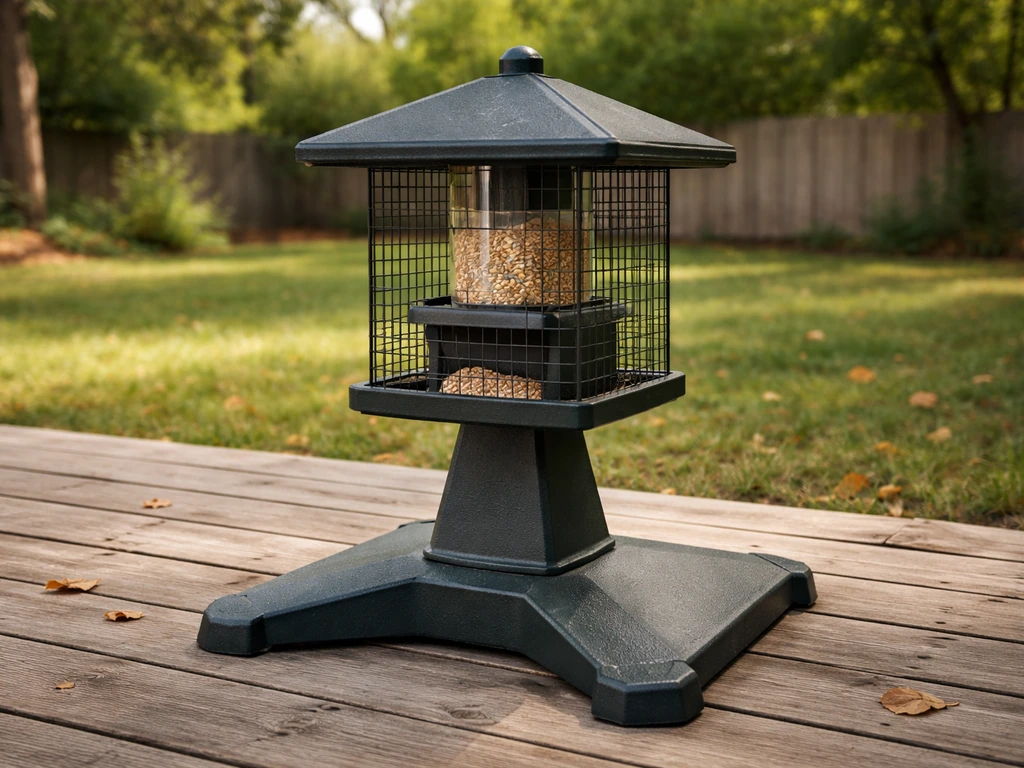
Best Heavy Duty Bird Feeding Station With Base Buying Guide
Choose a best heavy duty bird feeding station with base: durable, weatherproof, squirrel and pest resistant, plus setup
Best Bird Feeder Station: Top Picks, Features, and Setup
Best bird feeder station picks with predator control, bird-type options, setup tips, and smart camera choices.
Best Red Cardinal Bird Feeder: Top Picks & Buying Guide
Best red cardinal bird feeder guide: top picks, painting tips, seed & placement advice to attract Northern Cardinals.