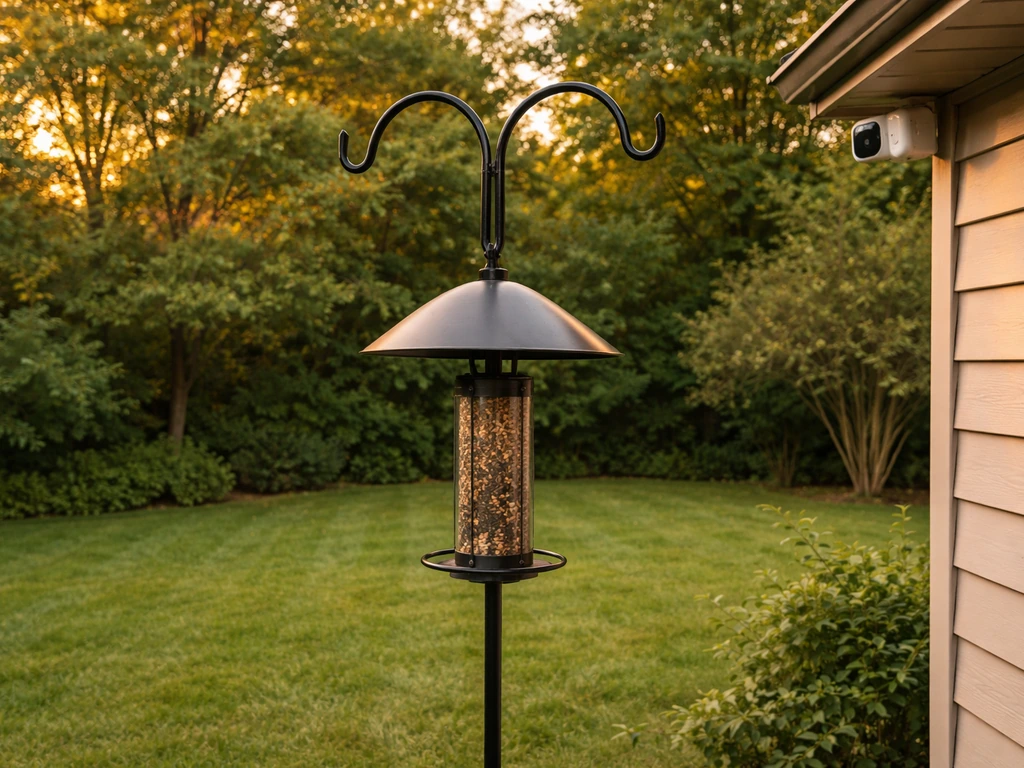
The best photo bird feeders right now are smart camera feeders like the Bird Buddy 2, Birdfy Feeder with Pro Perch, and BirdReel BF23. Each one combines a built-in camera, motion-triggered capture, AI species identification, and app connectivity into a single unit you hang or mount in your backyard. If you want the clearest daytime shots with premium build quality, go with Bird Buddy 2. If you want solid night vision, local storage, and no forced subscription, BirdReel BF23 is hard to beat. If you want a perch-focused design that frames birds cleanly for ID, Birdfy with Pro Perch is worth a close look.
Best Photo Bird Feeder: Camera Specs, Setup, and Picks
Marcus Holloway
20 May 2026
What people actually mean by a "photo bird feeder"
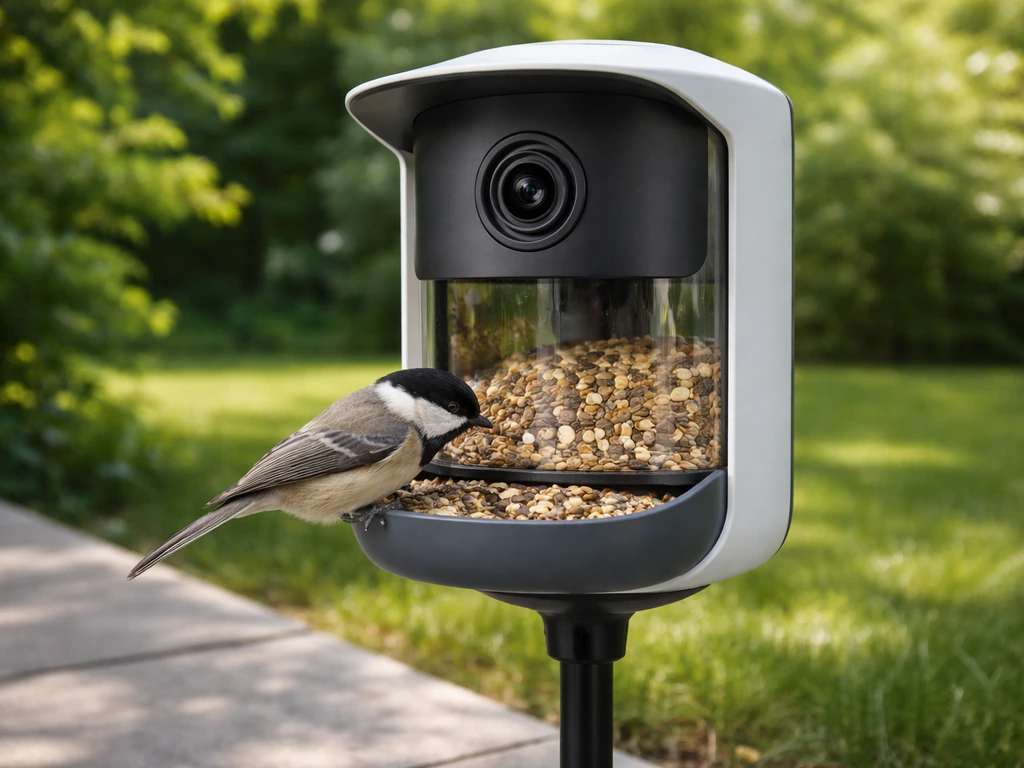
There are two things people search for when they type "photo bird feeder." Some want a traditional feeder positioned perfectly for a nearby camera or DSLR setup. But most people asking this question in 2026 want a feeder with a camera built in. That second category is what this guide covers: smart camera bird feeders that shoot photos and video automatically, often with motion detection, AI-powered bird identification, push notifications to your phone, and cloud or local storage for your captures.
Within that category there are a few distinct tiers. There are standard smart feeders (camera plus app, basic AI). There are AI-powered models that do on-device species recognition without needing a cloud round-trip for every identification. And there are specialty designs built around specific species, like the BirdSnap Smart Hummingbird Feeder, which is shaped and sized specifically for hummingbirds rather than seed-eating birds. Knowing which tier you need is step one, because the right choice depends a lot on what birds you're targeting and how much you care about night captures, local storage, and subscription costs.
What actually makes a feeder great for photos
Camera specs matter more than most buyers realize, and the marketing numbers don't always tell the whole story. Here's what I look at when evaluating these feeders for actual image quality.
Resolution and sensor size
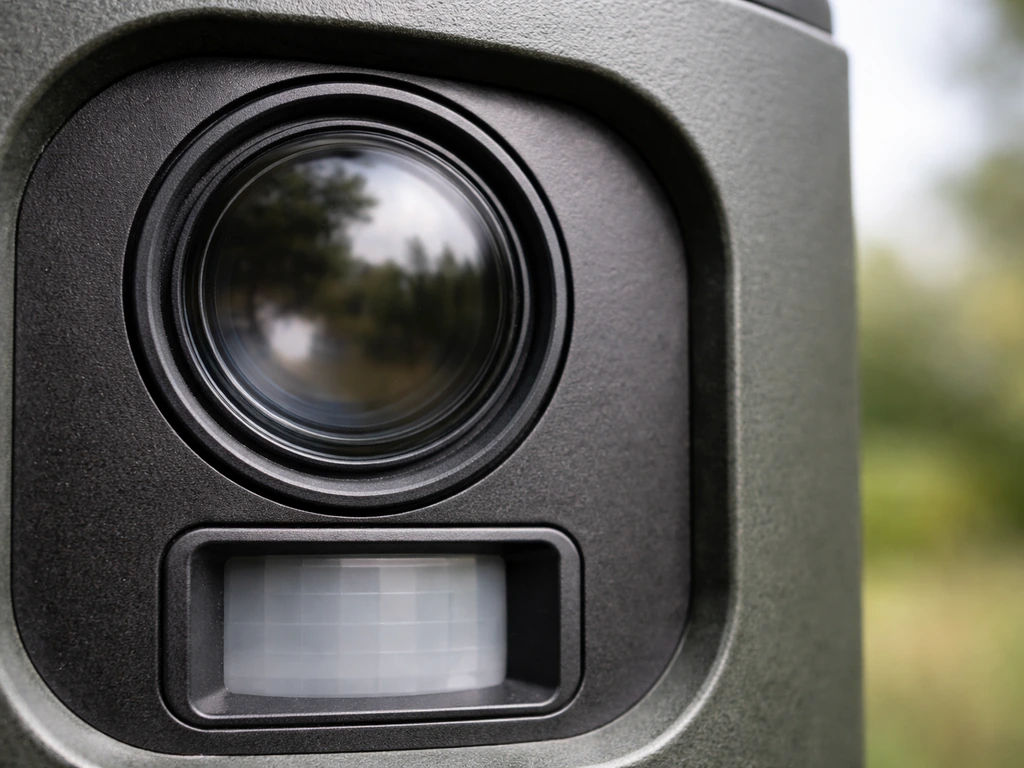
Resolution sets a ceiling on detail, but sensor size determines how much light hits that sensor, which is what really separates good daytime shots from muddy ones. Bird Buddy 2 uses a 1/2.9" image sensor, which is on the larger end for this product category and shows in low-light situations. Bird Buddy's original model used a 5MP sensor with a 120° field of view. BirdReel BF23 is rated at 4MP (marketed as 2K HD). The Netvue Birdfy and iCSee Q20 both shoot 1080p. The Camouflage EZ BirdFeed uses a 2MP camera with a 130° angle of view. More resolution is useful, but only if the lens and sensor quality back it up.
Trigger speed and field of view
Motion trigger speed is the underrated spec. A slow trigger means the bird lands, eats, and leaves before the camera fires. Real-world user reports from Bird Buddy owners note capture rates as low as 10% of actual bird visits, largely because of detection lag and notification cooldown settings. A wide field of view helps here because it means the camera sees movement sooner. BirdReel BF23's 180° field of view is the widest I've seen in this category and is designed specifically to catch birds approaching from any angle. Bird Buddy's 120° is solid. The iCSee Q20 at 110° and Camouflage EZ BirdFeed at 130° are workable but narrower.
Night vision and low-light performance
Night captures are where these feeders diverge most dramatically. The Netvue Birdfy claims full-color night vision at 1080p, which is impressive on paper. The Camouflage EZ BirdFeed switches to black and white at night using six 940nm No Glow IR LEDs, so you won't see color but the LEDs won't spook birds. The iCSee Q20 uses 6 IR LEDs for infrared night vision. Where it gets tricky is real-world behavior: some Birdfy users have reported the camera flickering between IR and white light modes at dusk, which produces inconsistent night shots. If night captures are a priority, look for a model with a reliable automatic switching threshold and ideally adjustable sensitivity so you can lock in the behavior you want.
Storage: local vs cloud, and subscriptions
This is a real decision point. Bird Buddy has no onboard storage at all, which means if your Wi-Fi drops, you lose captures. It works beautifully when connected, but connectivity gaps equal missed photos. BirdReel BF23 includes a 64GB microSD card in the box and stores locally, so you're not dependent on your home network for every shot. Birdfy offers 30 days of free cloud storage with no SD card required, plus TF card support. For Bird Buddy Pro, higher-resolution (Ultra 2K) video and unlimited cloud storage are locked behind a subscription. Birdfy distinguishes between an AI Lifetime Free device and an AI by Subscription model, so check which version you're buying before assuming you get free AI forever.
Matching the feeder to your target species
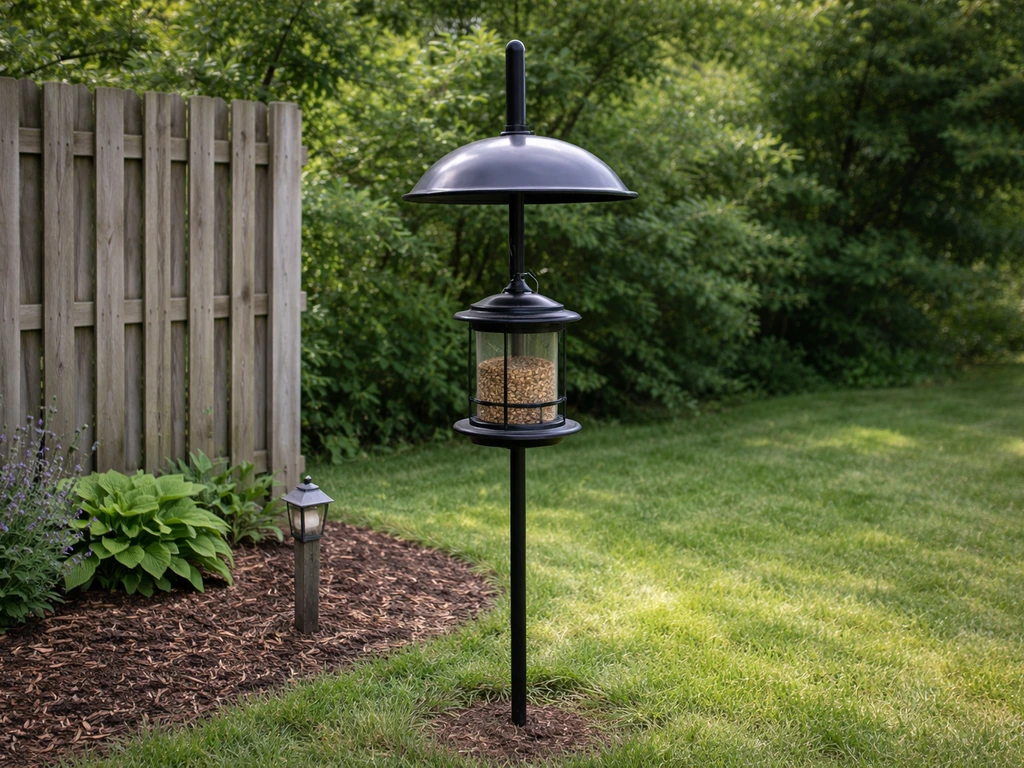
The feeder design, port type, and perch setup matter as much as the camera if you want clean shots of specific birds. A cardinal won't use a tube feeder with tiny ports, and a hummingbird won't visit a platform feeder. If the wrong birds or no birds are visiting, the best camera in the world won't help.
| Target Species | Preferred Feeder Style | Best Camera Feeder Match | Notes |
|---|---|---|---|
| Finches (goldfinch, house finch) | Tube feeder with small ports or nyjer sock | Birdfy Feeder with Pro Perch | Perch module frames small birds cleanly at camera level |
| Cardinals | Hopper or platform with wide perching | BirdReel BF23 or Bird Buddy 2 | Wide field of view captures larger birds; spacious tray needed |
| Woodpeckers | Suet cage or elongated vertical feeder | Birdfy or BirdReel (with suet option) | Vertical clinging posture needs camera angled accordingly |
| Hummingbirds | Nectar/liquid feeder with red ports | BirdSnap Smart Hummingbird Feeder | Specialty design built around hummingbird feeding behavior |
| Mixed species (general backyard) | Hopper or large platform | Bird Buddy 2 or BirdReel BF23 | Wide FOV and AI ID handle variety well |
The Birdfy Pro Perch design is particularly clever for small perching birds like finches and sparrows. The dedicated perch module positions birds directly in front of the camera at a predictable distance and angle, which dramatically improves both focus consistency and AI identification accuracy. If you're mainly after those species, that design choice alone is worth prioritizing over raw camera specs.
Hummingbirds are a special case because their feeders use nectar, not seed, and their hovering behavior is completely different from perching birds. The BirdSnap Smart Hummingbird Feeder is designed specifically for this and uses AI identification tuned to hummingbird species. Don't try to force a seed-based camera feeder into hummingbird duty. Get the right tool for that one.
Build quality, weatherproofing, and why it matters for your photos
Weather resistance affects not just how long the feeder lasts, but how consistent your image quality is. A poorly sealed camera housing fogs up from humidity, gets water droplets on the lens after rain, and degrades over months of UV exposure. I've seen feeders with no IP rating develop image haze by their second winter.
Bird Buddy 2 carries an IP67 certification, meaning it's rated for submersion up to 1 meter for 30 minutes. That's serious weatherproofing and makes it the most durable camera feeder in terms of moisture protection. The original Bird Buddy, notably, did not carry a published IP rating according to some reviews, which is a meaningful step down. Birdfy and BirdReel BF23 are both rated IP65, which means protection against water jets from any direction but not submersion. BirdSnap also carries an IP65 rating. The iCSee Q20 and Camouflage EZ BirdFeed are marketed as weatherproof, but verify IP ratings before buying if you're in a wet climate.
UV stability matters more than most buyers think. Cheap plastic housings yellow and crack after a season or two in direct sun, and a degraded lens housing scatters light in ways that destroy image sharpness. Look for feeders that mention UV-stabilized polycarbonate or powder-coated metal components, especially if the feeder is going to sit in full southern exposure all summer.
Power source affects reliability too, which feeds directly into capture consistency. Bird Buddy 2 integrates a solar panel into the roof, which works well in sunny climates but can be unreliable through cloudy winters. BirdReel BF23 uses dual solar panels and a 5200mAh rechargeable battery, giving it more reserve capacity. If you're in a low-sun region, have a USB-C backup plan. Connectivity and power failures are the most common reason people miss captures, so this is not a minor consideration.
Predator-proofing and mounting for clean, reliable shots
Squirrels and raccoons don't just eat your seed. They knock feeders over, chew through wiring, trigger your camera hundreds of times with false captures, and generally trash the setup you spent real money building. Getting predator-proofing right is part of getting your photos right.
The most reliable approach for camera feeders on poles is a quality squirrel baffle mounted below the feeder. Will Fine also recommends using squirrel baffles or guards as a proven strategy to squirrel-proof bird feeders, helping keep the setup reliable for captures quality squirrel baffle mounted below the feeder. Birdfy sells its own pole system (the Birdfy Pole) as part of their ecosystem specifically because pole mounting with a baffle is more reliable than hanging. If you're mounting a heavier camera feeder on a shepherd's hook, a wide dome baffle at around 4 to 5 feet off the ground blocks most squirrel attempts. Raccoons are larger and more determined, so adding a PVC pipe section around the pole below the baffle increases difficulty meaningfully.
From a photography standpoint, squirrel activity creates two problems beyond the obvious seed theft. First, false triggers: a squirrel hitting the feeder generates motion events that fill your storage with useless footage and can desensitize you to real bird notifications. Second, physical disruption: a squirrel hanging off a camera feeder can shift the viewing angle, knock perches loose, or block the lens entirely. Grackles cause similar issues at seed trays, dominating the frame and driving off the songbirds you actually want to photograph.
For mounting height and location, aim for 5 to 6 feet off the ground on a freestanding pole, positioned at least 10 feet from tree branches or structures a squirrel can jump from. For the best height for bird feeders, start by aiming your camera feeder around 5 to 6 feet off the ground so birds are in frame without making predator access easier. A clean, uncluttered background behind the feeder (a fence, hedge, or sky) dramatically improves photo quality versus a busy yard background. Position the feeder so it faces away from direct morning or afternoon glare, since lens flare kills shots. North-facing in the Northern Hemisphere is often the safest bet for consistent, non-glary light throughout the day. For more on placement specifics, the related topics on best feeder height, best position for a bird feeder, and bird feeder setup for photography go deeper on these decisions. For more details, see this bird feeder setup for photography guide alongside the height and placement tips above. The best position for a bird feeder helps you balance clear sight lines, good light, and dependable triggers best feeder height. If you want the best bird feeder setup overall, start by matching the feeder type to your target birds and then optimize placement and power.
Setting up your camera feeder for great shots starting today
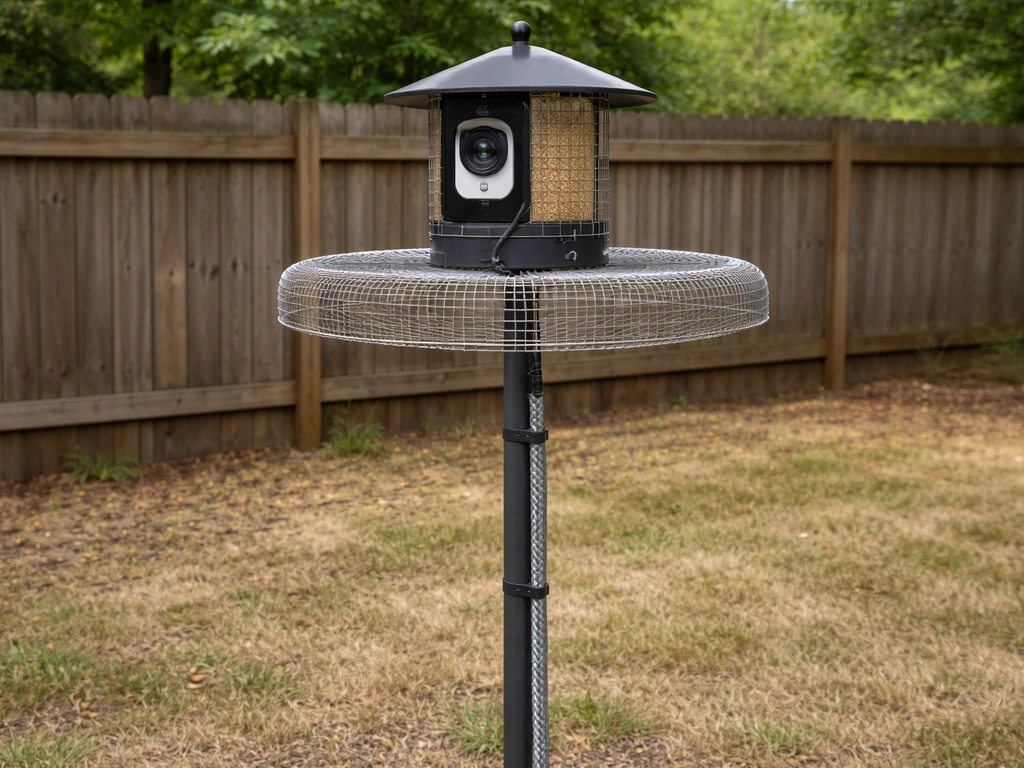
Getting the feeder up is half the job. Getting it configured well is the other half, and most people skip the configuration step entirely and then wonder why their captures are inconsistent.
Initial setup steps
- Mount the feeder at 5 to 6 feet on a pole with a baffle, or hang it at a similar height from a branch or hook with at least 10 feet of clearance from jump-accessible surfaces.
- Position it with a clean background and out of direct glare. Test by looking at the camera lens at the time of day you expect the most bird activity and checking for direct sun hitting the lens.
- Load the correct seed for your target species: nyjer for finches, black-oil sunflower for cardinals and chickadees, nectar for hummingbirds, suet for woodpeckers.
- Connect to your home Wi-Fi through the feeder's app before placing it outside, so you don't have to troubleshoot connectivity while also troubleshooting placement.
- Set motion sensitivity. Start at a mid-level setting and watch your notification stream for the first 48 hours. If you're getting triggered by wind-blown leaves or shadows, dial sensitivity down. If birds are visiting without triggering captures, dial it up.
- Set the cooldown time (notification cooldown between captures) based on how busy your feeder is. A very active feeder at peak morning hours can flood your phone if cooldown is set too short.
- For night captures: confirm the night vision mode is set to automatic, not manual, so it switches reliably at dusk without you having to toggle it.
Troubleshooting common problems
- Low capture rate despite birds visiting: Check trigger sensitivity and ensure the camera's field of view actually covers where birds land. Some birds eat from the side of a tray and never face the camera, which kills AI identification accuracy too.
- Blurry shots: Check minimum focusing distance. The Camouflage EZ BirdFeed, for example, blurs birds that are too close to the lens. If your birds are landing right on the camera housing, reposition or add a perch further from the lens.
- Poor night images: If you see the camera flickering between IR and white light (a known Birdfy issue in some firmware versions), check for an app update or toggle the night mode off and back on. Some units improve with a power cycle.
- False triggers from rain or wind: Reduce motion sensitivity and, if possible, angle the feeder so the camera doesn't face directly into prevailing wind.
- Connectivity drops and missed captures: For feeders with no local storage (like original Bird Buddy), connectivity loss means zero captures. Move the feeder closer to your router or add a Wi-Fi extender near the window closest to the feeder. For feeders with SD card support, confirm the card is formatted correctly in the app.
- Battery dying quickly in winter: Solar panels produce significantly less power in low-sun months. Keep a USB-C cable handy and top off the battery every couple of weeks through a window gap or weatherproof outdoor outlet.
Comparing the top models: which one fits your budget and backyard
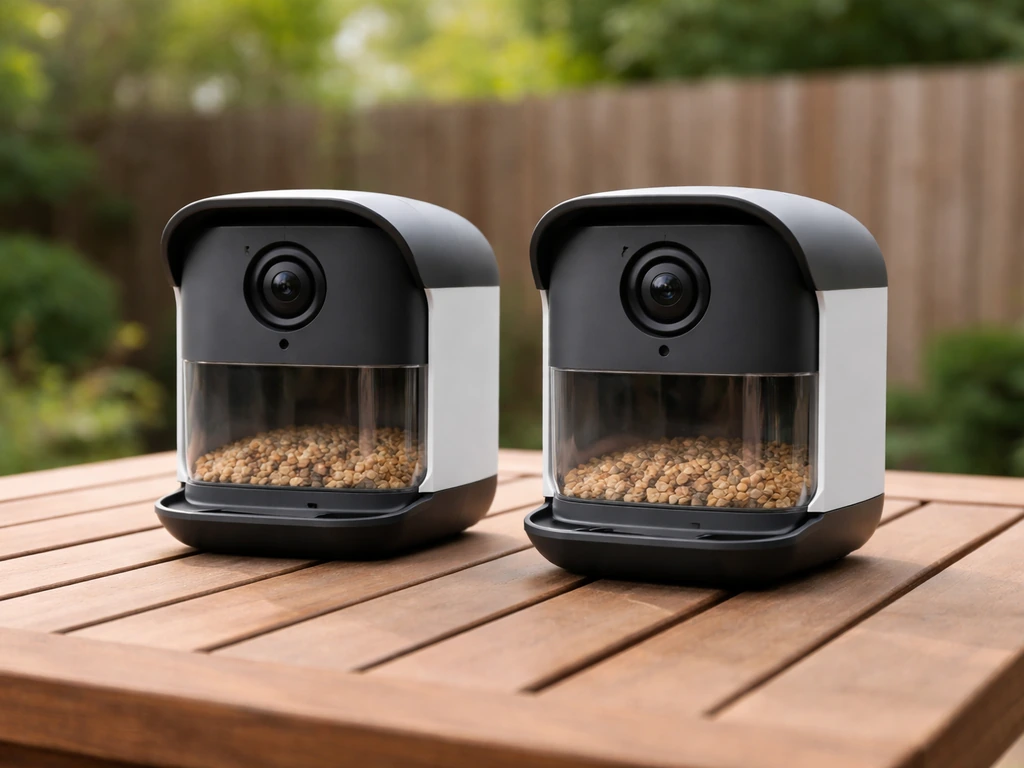
Here's an honest side-by-side of the main contenders across the specs that actually affect your photo results and day-to-day experience.
| Feeder | Camera Resolution | Field of View | Night Vision | Weatherproof Rating | Storage | AI Subscription | Best For |
|---|---|---|---|---|---|---|---|
| Bird Buddy 2 | 5MP (1/2.9" sensor) | 120° | Yes (sensor-dependent) | IP67 | Cloud only (Wi-Fi required) | Optional premium tier | Premium buyers, daytime quality priority |
| Birdfy with Pro Perch | 1080p | Not published | Full-color Night Vision mode | IP65 | Cloud 30 days free + TF card | Lifetime free or subscription | Finches, small perching birds, mixed species |
| BirdReel BF23 | 4MP / 2K HD | 180° | Yes | IP65 | 64GB microSD included + cloud | Included (10,000+ species) | Offline reliability, wide capture, mixed species |
| Netvue Birdfy | 1080p | Not published | Full-color night vision | IP65 | Cloud 30 days free + TF card | Free AI included | Budget-conscious, general backyard use |
| Camouflage EZ BirdFeed | 2MP | 130° | B&W IR (940nm No Glow) | Not published | Not specified | Included | Value option, stealth night IR |
| iCSee Q20 | 2MP 1080p | 110° | 6 IR LEDs infrared | Not published | Not specified | Not specified | Budget entry point |
| BirdSnap Hummingbird Feeder | Not published | Hummingbird-optimized | Yes | IP65 | Not specified | Included AI ID | Hummingbird-only setups |
My honest recommendation by situation
If you want the best overall camera quality and have reliable Wi-Fi near your feeder, Bird Buddy 2 is the premium pick. The IP67 rating and larger sensor give it a genuine edge in image quality and durability. Just go in knowing you're entirely dependent on Wi-Fi connectivity for captures and that premium features cost extra on the subscription side.
If you want the best balance of features, local storage independence, and value, BirdReel BF23 is my top recommendation for most backyards. The 180° field of view catches more birds, the included 64GB microSD means you don't lose captures during connectivity gaps, and the dual solar plus 5200mAh battery handles longer stretches between charges. AI identification covers 10,000+ species without a forced subscription.
If your backyard is dominated by finches, sparrows, and small songbirds and you want the cleanest identification shots, the Birdfy with Pro Perch is the most purpose-built option. The dedicated perch positions birds predictably in front of the camera, which consistently outperforms wide-tray designs for small species framing. Confirm whether you're buying the Lifetime Free AI version or the subscription version before you check out.
If hummingbirds are your main target, skip all of the above and get the BirdSnap Smart Hummingbird Feeder. It's purpose-built, uses nectar instead of seed, and the AI is tuned to hummingbird species. Trying to adapt a seed feeder camera to hummingbird photography is a frustration you don't need.
For those on a tight budget, the Camouflage EZ BirdFeed and iCSee Q20 get you into the smart camera feeder category for less money. The image quality and field of view are meaningfully narrower than the top picks, and night performance is basic, but they work and they're a reasonable entry point. Just be aware of the minimum focusing distance limitation on the Camouflage model if your birds tend to crowd the lens.
For deeper guidance on where to physically place your camera feeder for best results, the related topics on best place to put a bird feeder with camera and the best bird feeder setup cover positioning, height, and yard-specific strategies in much more detail than what fits here.
FAQ
Can I use a photo bird feeder camera without reliable Wi-Fi, and still get good pictures?
Yes, but only if it is truly a “smart” feeder with motion-triggered capture and storage. A bird feeder camera that streams live without recording may look like it works until your phone or Wi-Fi drops. For the best photos, prioritize models with either onboard microSD storage or reliable local recording, and test capture reliability at your exact mounting height before committing.
How do I reduce false photos from squirrels, raccoons, or constant bird pecking events?
Start by silencing redundant triggers, then adjust notification cooldown so squirrels and repeated landings do not fill your storage. The practical approach is to increase your “ignore window” after each capture, then review a day of footage to find which events are false, and only then fine-tune sensitivity or detection sensitivity if the model allows it.
What should I optimize first for best photo quality with finches and sparrows, camera specs or perch design?
For perched birds (finches, sparrows), choose a feeder design that fixes the bird’s distance to the lens, then aim for a perch that places them at consistent head level. If the feeder uses a wide open tray, birds shift forward and back, which usually hurts focus consistency and AI ID confidence.
Why do seed-feeder camera models struggle with hummingbirds, even if they have AI identification?
Do not expect hummingbird AI and nighttime IR behavior to match seed-eater feeder cameras. Hummingbirds hover and feed close to the nozzle, so a camera tuned for perch landing patterns often misses the right moment. Use a nectar-specific hummingbird feeder with hummingbird-optimized capture and identification instead of trying to “make it work.”
How can I tell if my feeder placement is causing glare or lens flare, and what’s the fix?
Mounting height is only half the story, lighting direction is the other half. If your feeder faces morning or late-day glare, even a great sensor will produce washed highlights and lens flare. A simple test is to watch how shadows and reflections move across the lens area, then rotate or reposition the feeder until the camera views the birds without direct sun hitting the optics.
What settings or specs matter most for consistent night captures, not just “night vision” marketing?
If night photos matter, treat “color at night” as a feature that can vary by conditions. Look for consistent IR mode behavior at dusk, ideally with adjustable sensitivity or a dependable switching threshold. If you notice mode flicker, reduce sensitivity so the camera does not bounce between IR and visible light during low ambient conditions.
Should I worry about solar power reliability in winter, and what backup plan actually helps?
Plan for at least two power scenarios. In cloudy winters, solar-only feeders can underperform because the battery never fully replenishes. If the model supports USB-C backup (or equivalent), set a charging schedule and keep the cable accessible so you can quickly recover after long overcast spells.
When Wi-Fi drops, will a smart photo bird feeder still save videos or only photos later?
If you want to keep footage, confirm both storage type and storage behavior during connectivity loss. Some feeders store locally but still attempt uploads, which can slow the app and delay notifications. Others rely on cloud only, meaning your best “proof” photos disappear during Wi-Fi outages.
How do I improve AI bird identification accuracy when my photos are technically being captured?
AI identification is helpful, but photo quality drives accuracy. If the bird is too far, too close, or partially blocked by perch structures or seed tray edges, the AI may mislabel even when the camera technically detects motion. For better ID, choose perch-based framing, keep the background clean, and aim so the bird fills more of the frame.
What’s the safest way to check whether AI and storage are truly “lifetime free” for the version I’m buying?
Most “AI lifetime free” claims depend on the exact model variant. Before purchase, verify whether the AI runs locally or depends on cloud processing, and confirm whether higher video quality or unlimited storage requires a paid plan. This matters because some models unlock better resolution or unlimited history only through subscription tiers.
If my photos look blurry, could the feeder’s minimum focusing distance be the cause?
Yes, but it’s usually a placement and focus workflow problem, not just a low-resolution camera. If birds cluster close to the lens, a model with a minimum focusing distance can produce soft images exactly when the bird is closest. Check minimum focusing distance and test with your expected bird landing spot distance.
What’s the most common predator-proofing mistake that ruins camera feeder photos?
Use a baffle sized for your feeder height and keep it mounted below the feeder so squirrels cannot climb over it. Then place the feeder on a pole position where squirrels cannot jump from nearby branches within reach. A common mistake is focusing only on the baffle, while still allowing a “jump point” from nearby cover, which defeats the baffle.
Next Article
Best Bird Feeder Setup: Placement, Predator Proofing, and Tech
Get the best bird feeder setup: placement, weatherproofing, squirrel-proofing, grackle control, and smart camera/AI setu