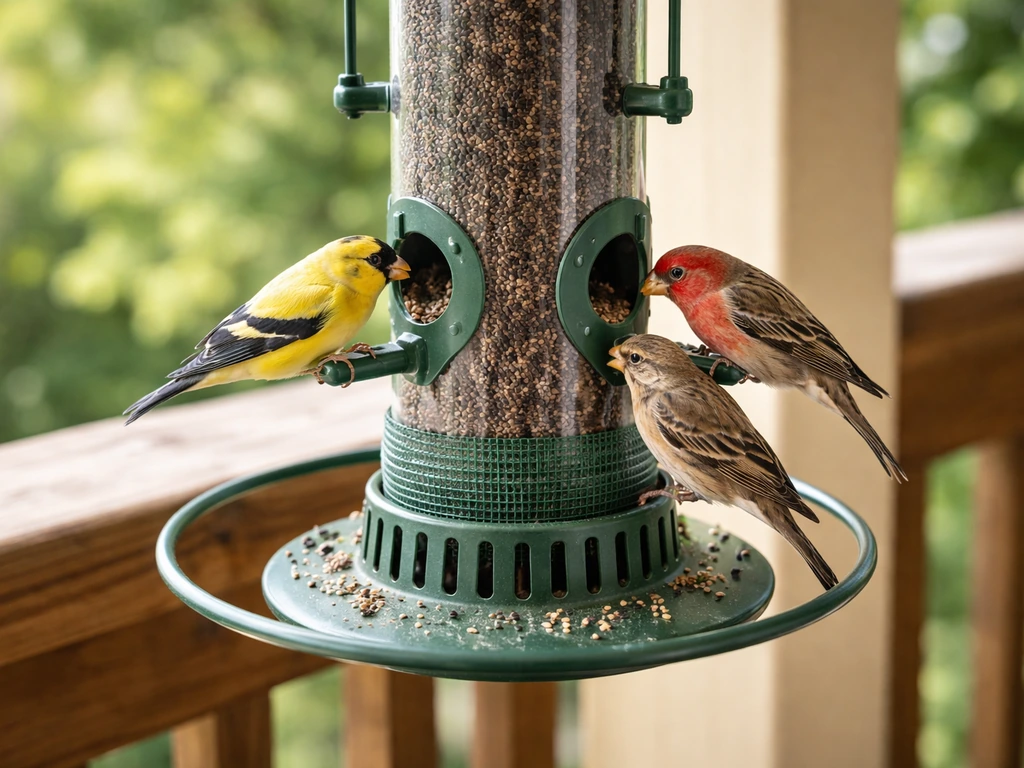
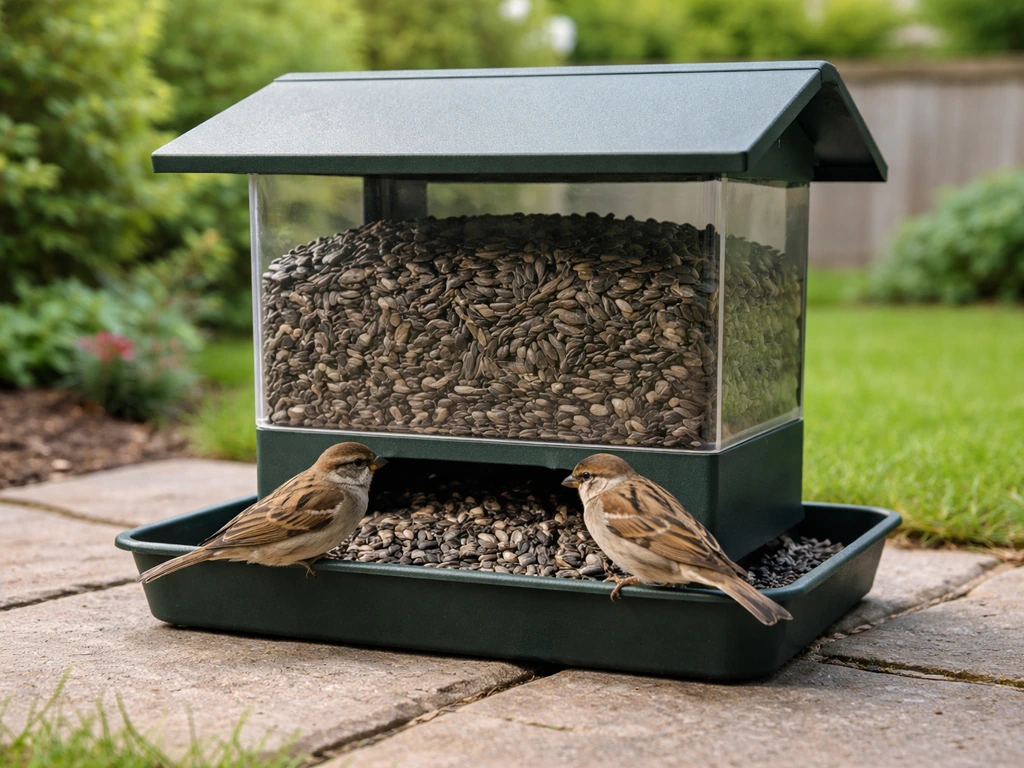
For black oil sunflower seeds, a hopper feeder or a tube feeder with large ports is your best starting point. Hopper feeders protect the seed from rain, hold a decent volume, and give birds a comfortable perch to shell seeds without scattering too much. Tube feeders with ports sized around 3/8 inch or larger let the seeds flow freely without jamming, and they're a good fit if you want a slimmer footprint. If cardinals are your main target, a platform or tray feeder round out the lineup nicely. What you want to avoid is using a standard small-port tube designed for nyjer or millet, black oil sunflower seeds are too large for those openings, and you'll spend more time clearing jams than watching birds.
Best Bird Feeder for Black Oil Sunflower Seeds: Buy Guide
Marcus Holloway
13 May 2026
Why black oil sunflower seeds are such a big deal for feeder birds
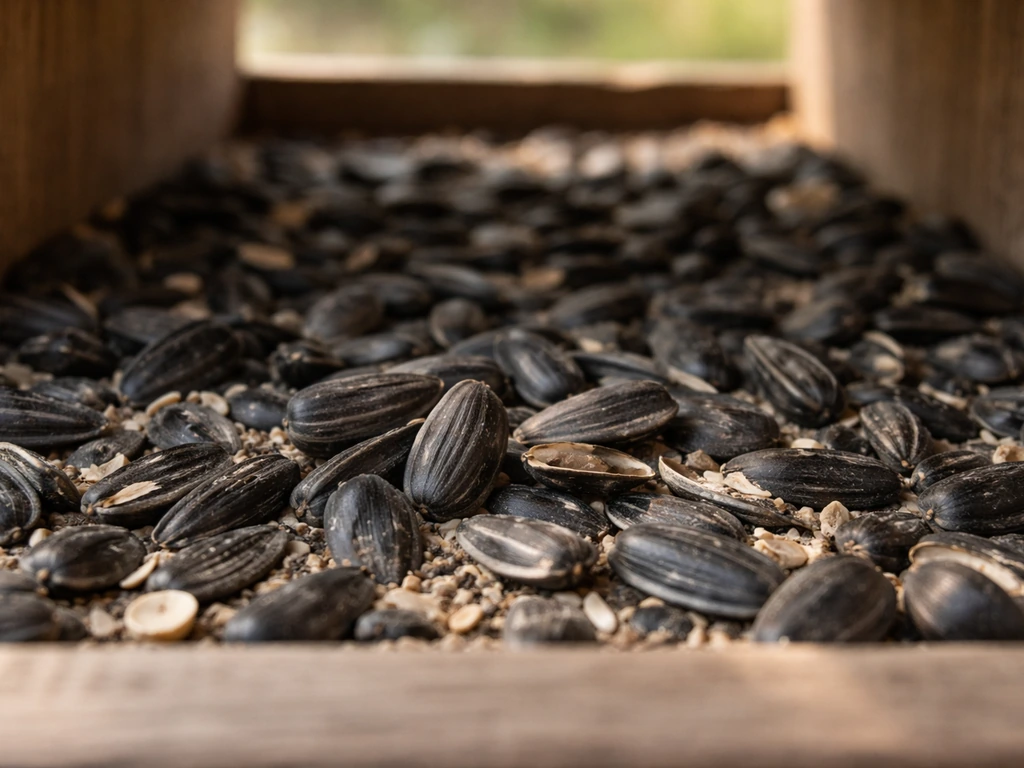
Black oil sunflower seeds are the closest thing backyard birding has to a universal currency. The shells are thinner than striped sunflower, so smaller birds can crack them open without struggling, and the kernel inside is packed with fat and protein that birds need year-round, especially during cold snaps. That combination means you're not just attracting chickadees and nuthatches, you're pulling in finches, cardinals, woodpeckers, titmice, grosbeaks, and more with a single seed type.
That broad appeal is exactly why feeder choice matters. When you're offering a seed almost every bird wants, you also attract every squirrel in a three-block radius, opportunistic birds like grackles, and the occasional raccoon. The feeder you choose shapes who gets fed, how much seed gets wasted, and how much time you spend cleaning up the mess underneath. Getting the feeder right means you spend your mornings watching birds instead of shoveling soggy shells off your patio.
Which feeder types actually work with black oil sunflower seeds
Not every feeder style handles black oil sunflower well. The seed is larger than nyjer or millet, and it produces a fair amount of shell debris as birds crack it open. Here's how each main feeder type stacks up.
Hopper feeders
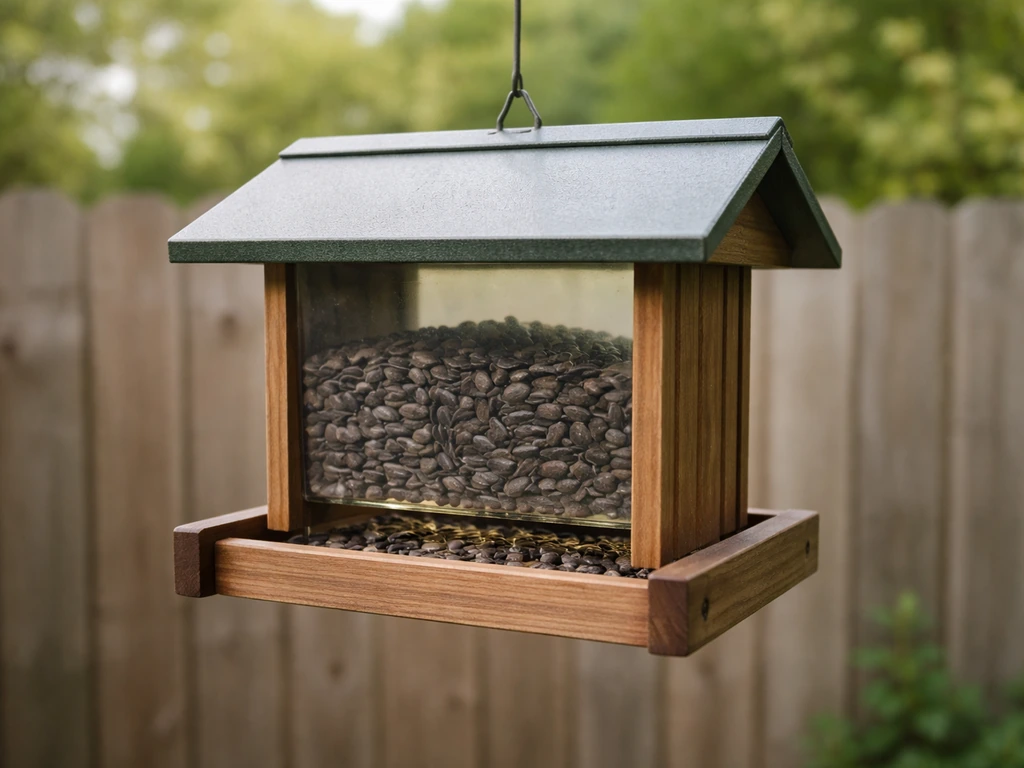
Hopper feeders are the most versatile choice for black oil sunflower. The seed sits in an enclosed reservoir with a roof overhead, which keeps rain from soaking it and slowing the feed rate. Birds access it from side troughs or ports at the bottom of the hopper. Because the seed is gravity-fed down to the access point, flow is consistent without jamming, as long as the opening is sized correctly. Most hoppers designed for sunflower seed use openings wide enough to let seeds slide through freely. Capacity ranges widely, from about a quart up to several pounds, which cuts down on how often you need to refill. The trade-off is that hoppers require proper drainage holes at the bottom of the trough, because pooling water will quickly turn seed into a moldy clump.
Tube feeders with large ports
A tube feeder works well for black oil sunflower if, and this is the key part, the ports are large enough. You're looking for ports around 3/8 inch in diameter or larger. Small-port tubes meant for nyjer seed will jam immediately with sunflower and frustrate birds to the point where they give up. When the ports are right, tube feeders do a good job of keeping seed dry because only a small amount is exposed at each opening. They also naturally limit access to one or two birds per port, which reduces the pile-on effect you get at open trays. If you have a small yard or a deck railing setup, a good-quality tube feeder is hard to beat for space efficiency.
Platform and tray feeders
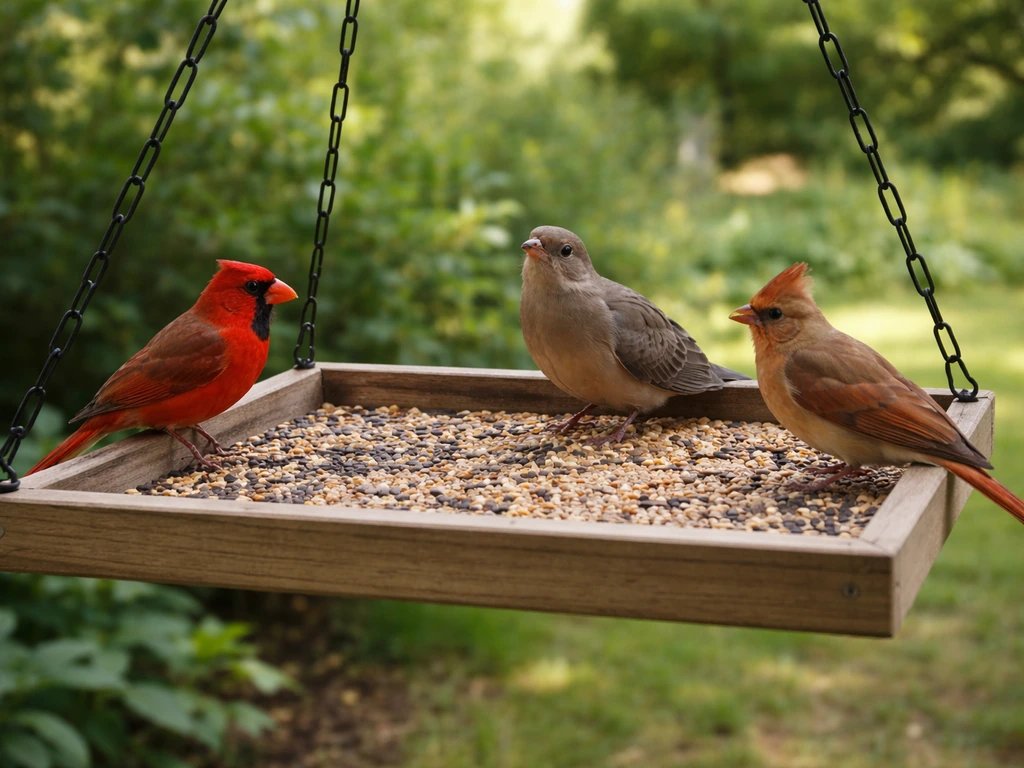
Platform feeders are essentially open trays, and they're the most welcoming option for larger birds like cardinals, mourning doves, and juncos that prefer to land on a flat surface and pick through seed at their own pace. The downside is obvious: there's no weather protection, so rain soaks the seed fast. If you go with a platform feeder, choose one with a mesh or screened bottom so water drains through rather than pooling. You'll also want to refill more frequently and keep the tray clean, because wet sunflower shells decompose quickly and can harbor bacteria and fungus that contaminate fresh seed. All About Birds warns that waste seed becomes a breeding ground for bacteria and fungus, contaminating fresh seed faster, so minimizing spills matters for sanitation as well as mess wet sunflower shells decompose quickly and can harbor bacteria and fungus. Platform feeders work best as a supplement to a hopper or tube, not as your only feeder.
Sock and mesh feeders
Sock feeders and small-mesh tube feeders are designed for nyjer seed and are generally not the right fit for black oil sunflower. The mesh openings are simply too small for sunflower seeds to pass through, and forcing the seed into a sock leads to jams, mold pockets, and frustrated birds. If you want to offer both black oil sunflower and nyjer, use separate dedicated feeders for each. That said, some wide-mesh "sunflower chip" feeders do work with hulled sunflower pieces, just not whole black oil seeds.
What to look for when picking a feeder
Once you've narrowed down to hopper or large-port tube, a few specific features separate a feeder you'll love from one you'll replace in six months.
Seed capacity
Capacity determines how often you're refilling. A feeder that holds 3 to 5 pounds of black oil sunflower gives you a realistic buffer, for a busy feeder station in spring or fall, that might be two to three days of supply. Very small feeders (under a pound) look cute but you'll be out there every day. Very large hoppers can hold too much seed for the bird traffic you actually have, and seed sitting for more than a week or two can go rancid or mold, especially in humid weather. Match capacity to your actual bird traffic, not just to convenience.
Port and opening size
This is where a lot of feeders fail with sunflower seed. If the portals are too large relative to the seed, seeds pour out when the feeder swings in wind or when a heavy bird lands on the perch. If they're too small, birds have to work hard and may give up or knock extra seed out trying to get one. For whole black oil sunflower, you want openings that allow one seed at a time to pass through easily, a controlled flow rather than a dump. A jostled feeder with oversized openings wastes seed fast and creates a pile of shells on the ground that turns into a bacteria problem.
Materials and durability
Metal and polycarbonate feeders outlast basic plastic ones by years. Thin injection-molded plastic cracks in UV sunlight and becomes brittle in cold winters, and squirrels can chew through it. Powder-coated steel or cast metal hoppers are squirrel-resistant on their own and hold up to weather. If you go with a clear acrylic tube, look for UV-stabilized polycarbonate rather than plain acrylic, the difference in longevity is significant. Wooden hopper feeders look great but need to be made from cedar or redwood to resist rot; untreated pine hoppers will start to degrade within a season or two in wet climates.
Weather resistance and drainage
Any feeder holding sunflower seed needs a way to shed water. On hoppers, look for a sloped or peaked roof with an overhang that extends past the trough opening, at least an inch of overhang makes a real difference in a sideways rain. Drainage holes at the base of the seed trough are non-negotiable; without them, a rainstorm turns the bottom layer of seed into compost. Tube feeders should have drainage holes at the base of the tube body. If you're in a particularly wet climate, consider a weather guard dome (a large clear dome that mounts above the feeder) as a secondary line of defense.
Ease of cleaning
Black oil sunflower creates shells, and shells accumulate in feeders faster than most seeds because birds crack them on-site. A feeder that's annoying to disassemble will just not get cleaned as often as it should, and dirty feeders spread disease. Look for feeders with wide access ports or lift-off tops on hoppers, and tube feeders that separate into two or three sections without tools. Cleaning once every one to two weeks with hot soapy water (or a dilute bleach solution) keeps disease risk low, it's not glamorous, but it's the most important maintenance habit in backyard birding.
| Feeder Type | Weather Protection | Best For | Capacity Range | Squirrel Risk | Cleaning Ease |
|---|---|---|---|---|---|
| Hopper | Good (roofed) | Most species, high traffic | 1–5+ lbs | Moderate–High | Moderate |
| Tube (large port) | Good (enclosed) | Chickadees, finches, nuthatches | 0.5–2 lbs | Moderate | Easy–Moderate |
| Platform/Tray | Poor (open) | Cardinals, doves, juncos | 0.5–1 lb | High | Easy |
| Sock/Mesh | Poor | Not suited for whole seeds | N/A | Low | Easy |
Keeping squirrels and pest birds out of your sunflower feeder
I'll be honest: sunflower seed is basically squirrel bait. If you put up a hopper or tube full of black oil sunflower without any deterrents, you will have squirrels at the feeder within a day or two. They're persistent, they're smart, and they can empty a hopper in an afternoon. Here's how to actually stop them rather than just annoy them temporarily.
Baffles: the most reliable squirrel solution
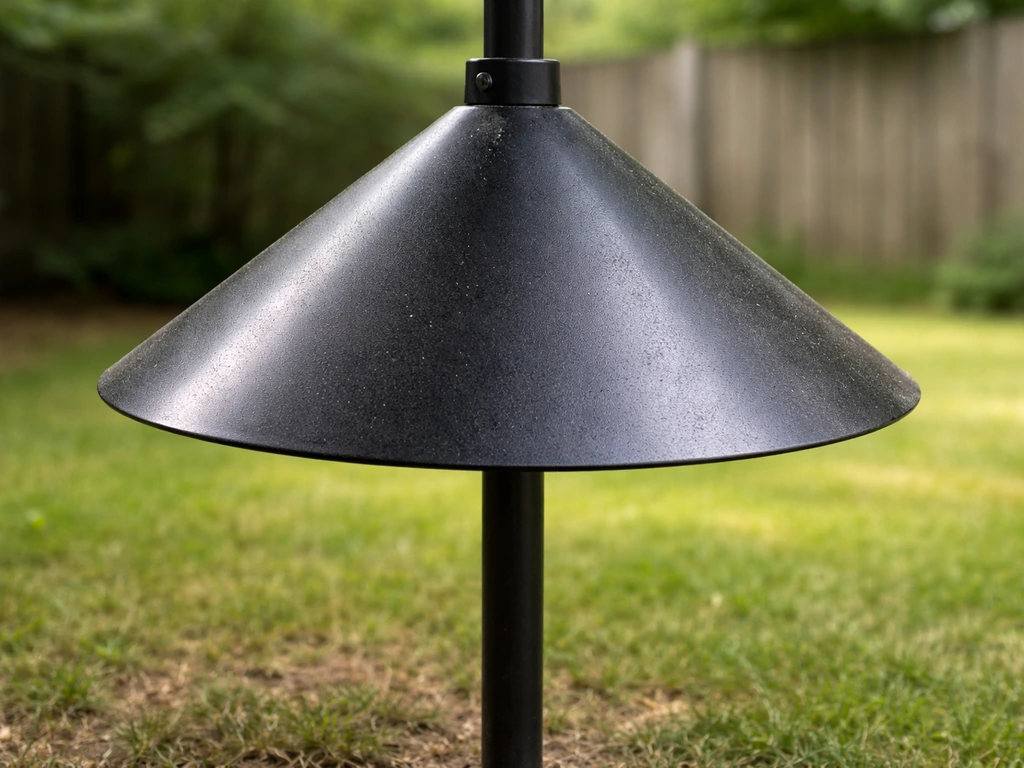
A cone-shaped or torpedo-shaped baffle mounted on the pole below the feeder is the most reliable physical deterrent. For a pole-mounted feeder, the baffle needs to be positioned high enough that a squirrel jumping from the ground can't clear it, that means the baffle itself should be at least 4 to 5 feet off the ground, with the feeder above it. If you're hanging a feeder from a wire, a dome-shaped baffle above the feeder blocks squirrels that are traveling along the wire. The key is using both: a baffle below to stop climbers and a dome above to stop leapers approaching from a branch or overhang. Neither alone is fully reliable.
Weight-sensitive and caged feeders
Weight-sensitive hopper and tube feeders use a spring-loaded mechanism that closes the seed ports when something heavier than a songbird lands on the perch ring. They work well in most situations, though determined squirrels occasionally figure out how to hang from above to avoid triggering the mechanism. Caged feeders surround the seed tube or hopper with a wire cage that lets small birds through but physically blocks squirrels and larger birds. For sunflower seed specifically, a caged tube feeder is one of the cleaner solutions, it also blocks grackles and starlings, which are a common problem at sunflower stations.
Managing grackles and other opportunistic birds
Grackles, starlings, and house sparrows love black oil sunflower just as much as the birds you're trying to attract. A caged feeder with cage bar spacing around 1.5 inches will exclude most grackles while still allowing cardinals and smaller birds through. Some birders also switch partially to safflower seed in their hoppers, since grackles and starlings generally ignore it while cardinals, chickadees, and nuthatches eat it readily. It's worth keeping that option in mind if grackles become a persistent problem at your sunflower feeder.
Dealing with seed waste on the ground
Even the best feeder will drop some shells, and waste seed on the ground attracts rats, mice, and more squirrels. A few practical habits help: use a seed tray catcher below your feeder to collect fallen shells before they hit the soil; rake or vacuum the ground below the feeder every week or two; and consider offering hulled sunflower chips in one of your feeders, since there's nothing to drop except the edible kernel itself. Hulled chips cost more per pound but waste far less, and they eliminate the shell pile problem entirely.
Where and how to hang or mount your feeder
Placement is one of the most overlooked parts of feeder setup, and it directly affects how quickly birds find the feeder, how safe they feel using it, and how well your pest-proofing actually works.
Height and distance from cover
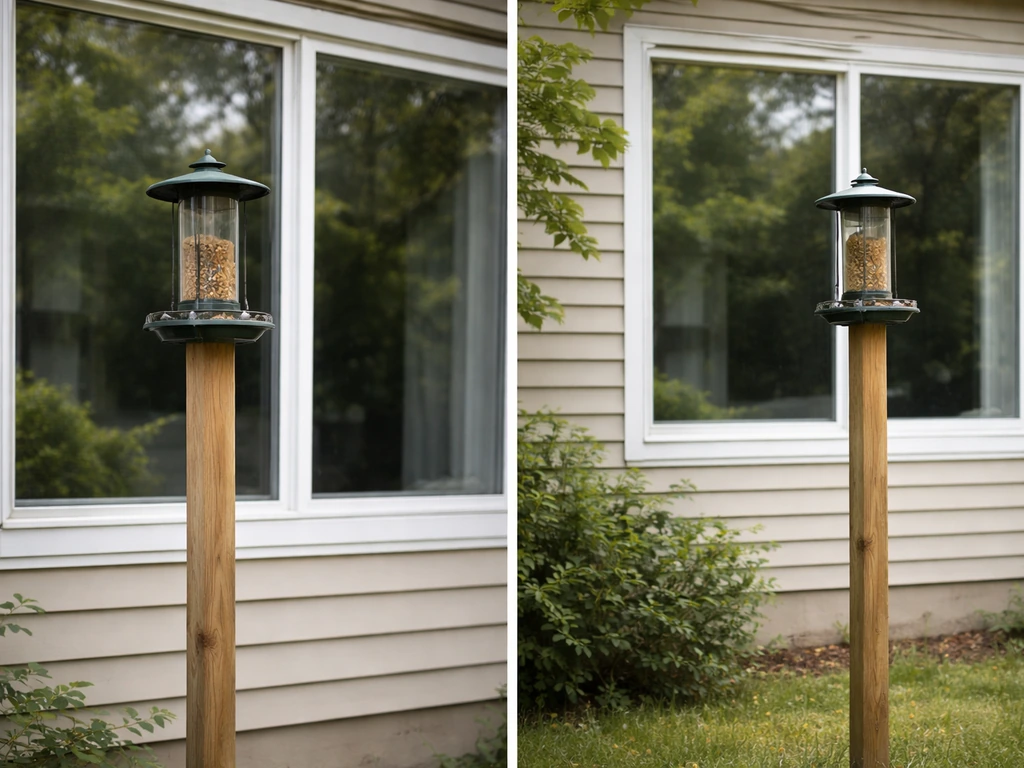
Mount your feeder between 5 and 6 feet off the ground for most hopper and tube setups. This puts it above the comfortable reach of most ground predators while still giving you a good view from a window. Place the feeder within 10 to 15 feet of a shrub or tree so birds have nearby cover to retreat to between visits, they're much more likely to use a feeder that's near shelter than one sitting in the middle of an open lawn. At the same time, keep it at least 10 feet away from branches or fences that squirrels could use as a jumping-off point, or rely on your baffle system to compensate if that clearance isn't possible.
Window safety
Place feeders either very close to windows (within 3 feet) or further than 10 feet away. Feeders in the middle distance, say, 5 to 8 feet from a window, give birds enough room to build speed before hitting the glass, which leads to collisions. Very close feeders mean birds can't accelerate enough to injure themselves if they do startle. Window decals or tape on the glass help in any case.
Drainage and microclimate
Don't hang a feeder under a spot where rain runoff drips off a roof edge or gutter, that concentrated flow will soak your seed even if the feeder itself has drainage. A slightly sheltered but not fully enclosed spot (the lee side of a garage, under a tree canopy without low branches overhead) balances weather protection with the open sightlines birds prefer. Make sure the feeder hangs level so seed doesn't pool on one side and block the flow toward ports on the other.
Matching your feeder to the birds you actually want
Cardinals
Cardinals are big birds with big bodies, and they strongly prefer a stable, flat surface to perch on while eating. A tray feeder or a hopper with a wide tray underneath is your best bet for cardinals. Tube feeders with short perches are frustrating for them, they'll attempt it but rarely hang around. If cardinals are your priority, a platform feeder loaded with black oil sunflower placed near low shrubs is about as reliable an invitation as you can make. They're also one of the species that takes well to safflower seed, so if grackles crowd your hopper, switching partly to safflower keeps cardinals happy while discouraging the invaders. If you want a different approach to cut down on grackles, look for the best bird feeder for safflower seed and use the same setup principles like proper drainage and correct port size.
Finches and chickadees
These are your tube feeder birds. Goldfinches, house finches, purple finches, chickadees, and nuthatches all handle perching on a short tube perch without trouble. A large-port tube feeder with four to six ports keeps multiple birds feeding simultaneously without crowding. If you want to specifically target goldfinches, a dedicated nyjer feeder is more effective, but they'll absolutely use a sunflower tube feeder too. Note that these are different from thistle or nyjer feeders, which use much finer mesh or smaller ports. If you are specifically shopping for the best thistle bird feeder, look for fine-mesh openings and a design that prevents seed from getting wet thistle or nyjer feeders.
When grackles take over
Grackle invasions at sunflower feeders are genuinely frustrating. A flock of 20 grackles can empty a hopper in under an hour and intimidate every other bird away from the area. The most effective counter-strategy is a caged tube feeder that physically excludes large birds, combined with removing any open platform feeders during grackle season (typically spring migration). If the caged approach cuts into your cardinal traffic, a secondary hopper placed higher up and further from the ground cover that grackles favor can give cardinals a quieter option.
Clogging and seed waste
Black oil sunflower seed can clump in humid weather, especially in feeders that don't drain well. If you notice the flow slowing on a tube feeder, the seed near the base has likely absorbed moisture and clumped together. Shake the feeder gently to break it up, and if it happens repeatedly, check the drainage holes, they may be clogged with shell debris. In very humid climates, filling feeders only halfway and refilling more often prevents the bottom layer from sitting long enough to clump.
How to pick the right feeder for your yard today
Before you buy, run through this quick checklist. It saves you from spending money on a feeder that technically works but doesn't fit your specific situation.
- Do you have a squirrel problem? If yes, start with a weight-sensitive or caged feeder, or commit to a proper baffle system on a smooth pole before anything else.
- What birds are you targeting? Cardinals and doves need a hopper with a wide tray or a platform feeder. Chickadees, finches, and nuthatches work well with large-port tubes. Most other songbirds are fine at either.
- How often are you willing to refill? Match capacity to your realistic routine. A 3-pound hopper for a busy station, a 1-pound tube for a lighter setup.
- How much rain do you get? Heavy precipitation means you need a roofed hopper with drain holes or a dome weather guard above a tube. Open platform feeders require daily attention in wet climates.
- Do grackles or starlings visit your yard? A caged feeder or a partial switch to safflower are your two main tools. Plan for this before you buy rather than retrofitting later.
- How easy is cleaning for you? If you won't clean a fiddly feeder, buy a simpler one. A basic two-section tube or a lift-top hopper that comes apart in seconds beats a prettier feeder that never gets sanitized.
- What's your budget? A solid powder-coated metal hopper or polycarbonate tube in the $30–$60 range will outlast three generations of $10 plastic feeders and cost less over time.
The honest answer for most backyards is this: get a roofed hopper feeder with drain holes and an appropriate port size as your main feeder, add a baffle on the mounting pole, and supplement with a caged large-port tube if you want to attract smaller birds while keeping larger pests out. If you want a quick shortcut to the best sunflower seed bird feeder for your yard, use this roofed hopper plus large-port tube approach as your baseline. That combination handles the vast majority of black oil sunflower setups, good weather protection, reasonable capacity, pest resistance, and broad species appeal, without overcomplicating things. If you're particularly focused on attracting cardinals alongside smaller songbirds, adding a tray or platform feeder nearby rounds out the setup cleanly. For anyone thinking about branching out from sunflower seeds, feeders designed for niger, safflower, or mixed sunflower blends each come with their own port and style considerations worth exploring separately. For niger seed, you’ll typically want a feeder designed with small, seed-specific ports so the seed feeds smoothly without jamming feeder designed for niger.
FAQ
How can I tell if a hopper or tube feeder will handle rainy weather for black oil sunflower seeds?
Look for drainage holes at the base of both the seed trough (for hoppers) and the tube body (for tube feeders). Then ensure the roof overhang actually covers the opening, at least an inch or two past the port area. If you only get partial shelter, the feeder may drain but the seed can still soak from sideways rain, especially under windy conditions.
What are the warning signs that a feeder port size is wrong for black oil sunflower seeds?
If the ports are too large, you will see a constant “stream” that dumps seed when the feeder sways. If they are too small, birds hesitate, and you get shells and partial kernels jammed at the opening. The right sign is a controlled, steady trickle, with one seed passing at a time, and fewer visible shell piles directly under the ports.
Can I mix black oil sunflower and safflower in the same feeder to reduce grackles?
Yes, but separate the strategies. Use a large-port hopper or tube for whole black oil sunflower, and only add safflower in a different feeder zone if you notice grackles or starlings dominating. Don’t mix seed types in the same hopper because different flow behavior can lead to clumping, unequal access, and more waste.
My tube feeder seems to slow down in humid weather, what should I check first?
Periodically empty, then inspect the seed bed for clumps and compacted shell debris. Check that drainage holes are clear, since blocked holes cause bottom-layer moisture and lead to rancid seed faster. In humid weather, refilling smaller amounts more frequently helps prevent the bottom from sitting too long.
How often should I clean a feeder used for black oil sunflower, and where does gunk build up?
Even with a great feeder, you should clean on a predictable schedule, every 1 to 2 weeks. Focus on shell buildup in troughs and at port openings, because bacteria and fungus grow in that residue. If you use a bleach solution, rinse thoroughly and let the feeder dry completely before refilling.
What’s the best way to reduce shell waste on the ground without creating a new mess?
Use a collection tray catcher designed for under-feeder debris, then empty it before it becomes wet and compact. A quick rake or vacuum every week or two reduces attractants like rats and mice, and it prevents shell piles from turning into a messy, germy surface.
What feeder style works best if my priority is attracting cardinals with black oil sunflower?
For target birds like cardinals, choose a feeder that offers a stable landing surface, like a tray or a hopper with a wide tray area underneath. Tube feeders can work for them occasionally, but they tend to avoid short perches when competing birds arrive, so your visit rate drops.
What mounting height and placement distances reduce predator risk and improve bird visits?
In general, mount at about 5 to 6 feet so it stays above easy reach of ground predators while still being visible. Place it within 10 to 15 feet of shrubs or trees for quick escape cover, and avoid locating it where squirrels can jump directly from a branch or fence.
What should I do during grackle season to keep smaller birds coming to my sunflower feeder?
If you live with frequent grackle or starling pressure, remove open trays during peak times and rely more on caged feeders. A caged tube with bar spacing around 1.5 inches can block larger competitors while letting smaller birds through, and it reduces intimidation at the station.
Can I use a sock feeder for black oil sunflower seeds if I only have that style right now?
Yes. Whole black oil sunflower can be used with a feeder design that prevents jamming, but sock feeders and small-mesh setups are usually a mismatch because sunflower is too large. If you want both black oil sunflower and nyjer, keep separate dedicated feeders so each seed type can flow through correctly.
Do baffles work better for squirrels if I mount the feeder on a pole versus hanging it from a wire?
If you want to reduce squirrels learning your feeder routines, combine a baffle with feeder placement. A pole-mounted baffle placed high enough prevents climbing, and if the feeder is on a wire, use a dome-style baffle above it to stop approach along branches or overhangs.
How do I choose the right feeder capacity so black oil sunflower doesn’t spoil?
Seed can go rancid or moldy faster than most people expect when it stays in the feeder too long, especially in humid weather. A practical choice is to match capacity to your traffic (for many yards, a feeder in the 3 to 5 pound range avoids daily refilling without leaving seed sitting for weeks).
Which feeder setup helps multiple small birds feed simultaneously on black oil sunflower?
If you want multiple small birds feeding at once, choose a tube feeder with several adequately sized ports (often four to six). That reduces crowding at any one opening and helps calmer species keep feeding instead of getting chased away.
Next Article
Best Bird Feeder for Niger Seed: Top Picks and Setup Guide
Top feeders for niger seed with finch-friendly ports, squirrel guards, and setup tips to stop waste and attract birds.