The best bird feeder for niger seed is a tube feeder with small, slit-like ports or a mesh sock feeder, and the single best all-around pick right now is the Brome Squirrel Buster Nyjer. It holds 2.4 lbs of seed, uses a weight-activated shroud to shut out squirrels, vents humidity to keep seed fresh, and is built from UV-resistant materials that hold up year-round. That said, the right feeder for you depends on your flock size, your squirrel pressure, and how much maintenance you want to do, so let me walk you through all of it.
Best Bird Feeder for Niger Seed: Top Picks and Setup Guide

Marcus Holloway
21 Apr 2026
Which birds actually eat niger seed
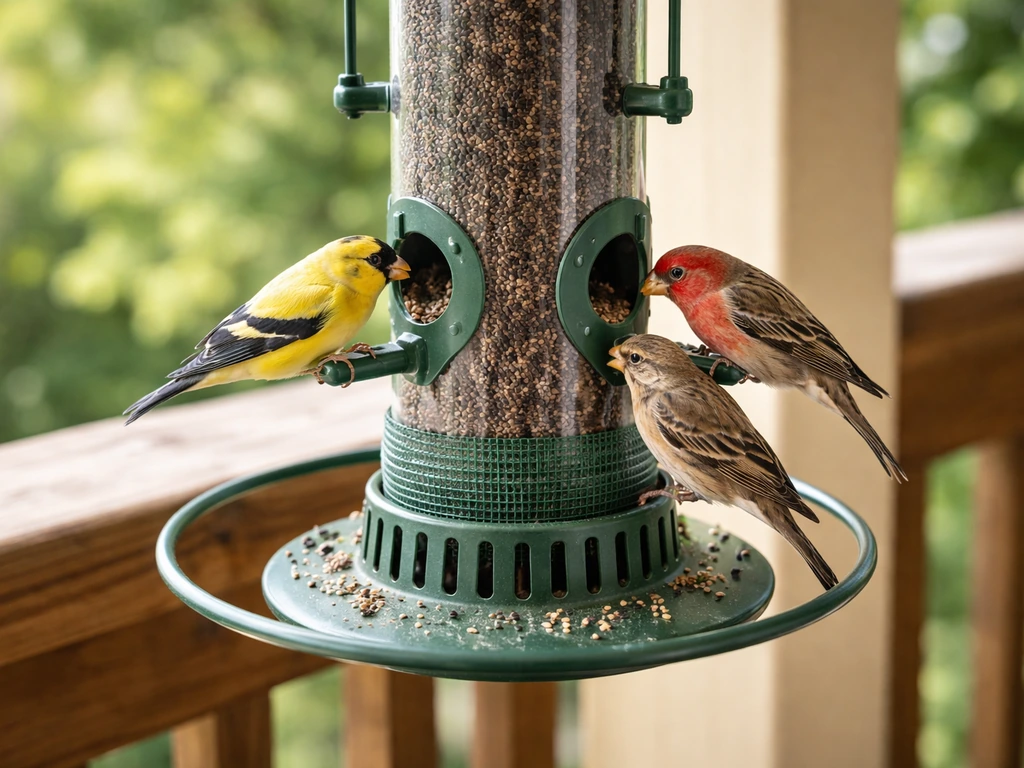
Niger seed (also sold as Nyjer or thistle) is a highly specialized food. It is not a general-purpose seed, and most backyard birds will ignore it entirely. The birds that love it are small finches with thin beaks that can work the tiny seeds out of narrow ports or mesh. The main species you are targeting are American Goldfinch, House Finch, Purple Finch, Pine Siskin, and Common Redpoll in northern regions. Of those, American Goldfinch is the most reliable and enthusiastic visitor, and most niger feeder design decisions flow from what works for that bird specifically.
Because these are all small, agile birds that naturally cling to seed heads in the wild, they are very comfortable hanging sideways or upside down on a feeder. That behavior directly shapes which feeder formats work best. A hopper feeder with a wide tray is not ideal here because niger is so fine it spills easily, larger birds push finches out, and the open design invites moisture and spoilage. You want something designed around the birds' actual feeding style.
The main feeder types for niger seed: tube, sock, and hopper compared
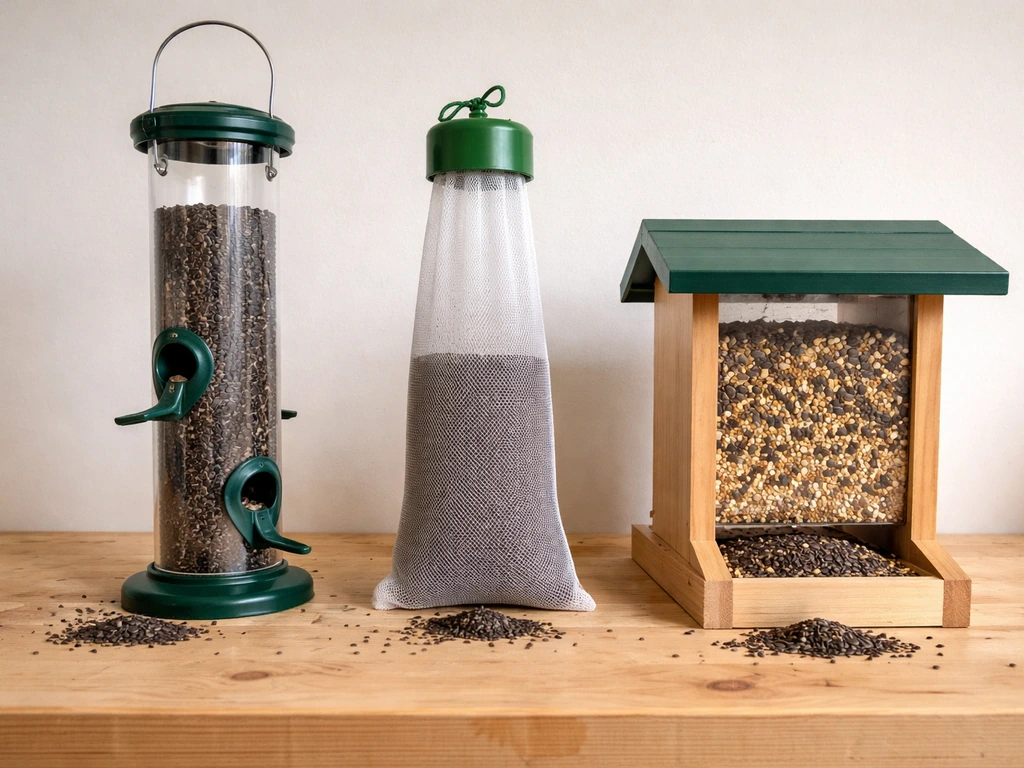
There are three feeder formats you will encounter when shopping for niger seed feeders, and they are not equally good. Here is how they actually compare in practice.
| Feeder Type | How It Works | Best For | Biggest Drawback |
|---|---|---|---|
| Tube feeder (small ports) | Cylindrical tube with slit-like openings and individual perches; finches cling and pull seeds through narrow slits | Most backyards; best balance of capacity, cleanliness, and squirrel resistance | Ports can clog with fine seed; needs regular shaking and cleaning |
| Mesh sock feeder | Soft woven mesh bag filled with niger; finches cling anywhere on the surface and pull seeds through the mesh | Casual setups, lower cost, highest finch preference for feeding style | Degrades in UV and wet weather; hard to clean; needs replacement every season |
| Mesh tube feeder | Rigid tube made of wire or metal mesh instead of solid plastic; finches access seed from any point on the surface | Larger flocks; maximum feeding access points; durable version of the sock concept | No squirrel protection; larger mesh can waste seed on windy days |
| Hopper feeder | Box-style feeder with a tray; not specifically designed for niger | Not recommended for niger seed | Open tray causes spillage and spoilage; attracts larger birds that crowd out finches |
The short version: blank" rel="noopener noreferrer">tube feeders with small ports are the most practical for most people because they balance capacity, cleanliness, and durability. Mesh sock feeders are the design finches actually prefer for feeding behavior, according to manufacturers and field observations, but they are consumable products that you replace rather than just refill. Mesh tube feeders split the difference and work well for larger flocks. Hoppers are not the right tool for this job.
Why finches prefer mesh and socks
It is worth pausing on the sock preference because it surprises some people. Finches love to cling to soft mesh sock feeders and actively prefer them over traditional tube feeders for the way they can grip the material and work seeds at any angle. The tradeoff is durability. A quality tube feeder with reinforced metal ports will outlast dozens of sock feeders. If you want the best of both worlds, a mesh tube feeder like the Droll Yankees Onyx Clever Clean Finch Magnet gives finches that open-access feeding experience on a rigid, weather-resistant structure. Its mesh tube has roughly 50 openings per square inch, so multiple birds can feed simultaneously without competing for a single port.
Best feeder picks for different backyard situations
Rather than ranking feeders in a generic top-ten list, here is how I think about matching the feeder to your actual situation.
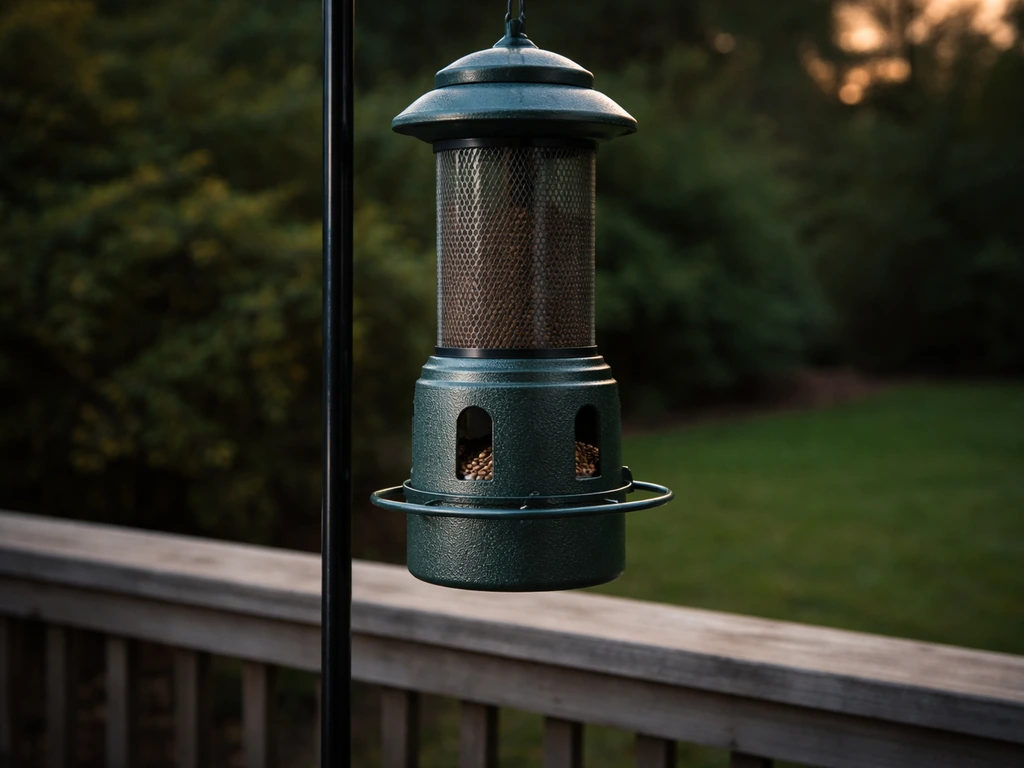
Best overall (squirrel pressure, moderate flock): Brome Squirrel Buster Nyjer
This is the feeder I would put up first in most backyards. The weight-activated shroud is the key feature: when a squirrel grabs on, its own weight forces the shroud down and closes all the seed ports. A Reddit user in an Amazon Deals thread reports that their Squirrel Buster-type Nyjer feeder’s weight-activated shroud shuts the seed ports when a squirrel grabs on, and that they clean it about yearly (anecdotal) [the weight-activated shroud](https://www. reddit.
com/r/Amazon_Deals/comments/tq3s46). Birds weigh almost nothing by comparison, so finches feed freely. The capacity is 2. 4 lbs, which is enough for a few days of feeding without constant refills.
It measures 32 inches from base to hanger, so it hangs at a good visible height. The Seed Tube Ventilation system lets humidity and hot air escape through vents at the top and pulls in fresh air, which genuinely helps keep niger from clumping and going stale. Everything is UV-resistant, and Brome is explicit that only Nyjer seed should be used in this feeder, so it is purpose-built rather than a general tube feeder that happens to have small ports.
Best for casual or budget setups (small flock, no squirrels): Kaytee Finch Sock or Station
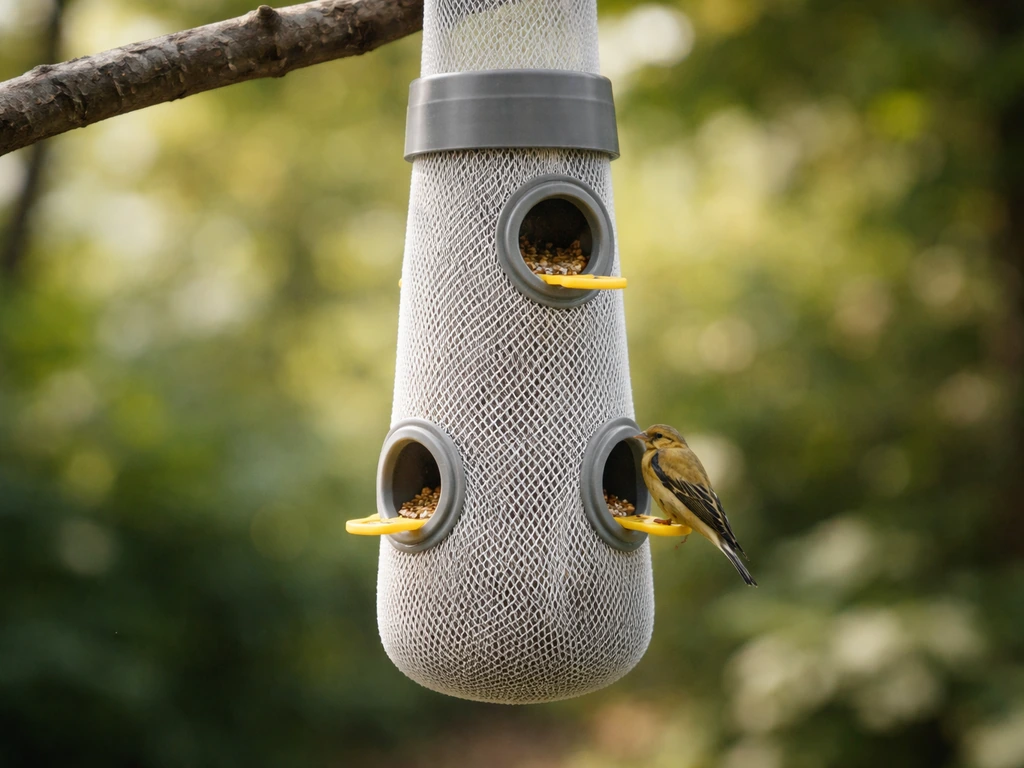
If squirrels are not a major issue at your location and you want to get started cheaply, a mesh sock feeder from Kaytee is a solid entry point. Finches take to them immediately. The downside is longevity: sock feeders are not designed to last more than a season or two, especially in full sun or wet climates. Think of them as a starter option or a supplement to a primary tube feeder rather than a long-term solution.
Best for large flocks (high traffic, multiple birds at once): Droll Yankees Onyx Clever Clean Finch Magnet
When you have a lot of goldfinches, competition for ports becomes a real problem with standard tube feeders. The Clever Clean Finch Magnet uses a mesh tube that gives finches dozens of access points simultaneously. Droll Yankees builds it from UV-stabilized polycarbonate and rust-proof hardware, and it is designed to withstand sun, rain, snow, and squirrel interference without cracking or fading. The Clever Clean system also makes pre-refill maintenance quick: you can clear chaff and debris from the mesh before each fill without a full cleaning session every time. The feeder also comes with warranty coverage against squirrel damage, which tells you something about how confidently it is built.
Best for easy maintenance: Wild Birds Unlimited EcoClean Medium Finch Feeder
If your priority is keeping seed fresh and cleaning hassle low, the Wild Birds Unlimited EcoClean Medium Finch Feeder earns its place. The tube itself has antimicrobial protection built into the material, which slows mold and bacteria growth between cleanings. The base removes quickly for a full rinse, and the metal components (seed diverter, perch covers, ports) are all powder-coated black, which resists corrosion and looks clean even after weathering. The reinforced metal feed ports are worth mentioning specifically because cheap plastic ports crack and warp, which either jams the seed or lets it pour out. This is a feeder you can realistically keep running in good condition for several years.
Materials and weather resistance: what actually holds up
Niger seed feeders take a beating because they are small, hung in exposed spots, and attract wildlife that likes to yank on them. Here is what to look for in the construction.
- UV-stabilized polycarbonate or acrylic tubes: Clear plastic that is not UV-stabilized will yellow and become brittle within a year or two in direct sun. Droll Yankees and Brome both use UV-resistant materials specifically for this reason.
- Powder-coated metal components: Any metal parts on a feeder, including ports, perch rods, and bases, should have a corrosion-resistant coating. Bare metal rusts and stains the seed. Powder-coated black finishes, like those on the WBU EcoClean feeder, handle moisture well.
- Reinforced metal feed ports: Thin plastic ports crack from squirrel biting, temperature swings, and repeated scrubbing. Metal-rimmed ports last significantly longer and maintain consistent slit size so seed flows correctly.
- Ventilation design: Moisture is one of the biggest killers of niger seed. The Brome Seed Tube Ventilation system is the most deliberate solution to this problem currently on the market, but any feeder with a covered top and ports positioned away from direct rain entry will outperform a wide-open design.
- Cage or shroud materials: Weight-activated metal shrouds (like Brome's) hold up far better than plastic cages, which can crack and leave gaps that squirrels exploit over time.
For anyone in a genuinely harsh climate, prioritizing UV resistance and powder-coated metal over any plastic components is the right call. A cheap feeder that needs replacing every spring ends up costing more than a well-built one that lasts a decade.
Squirrel-proofing and keeping larger birds out
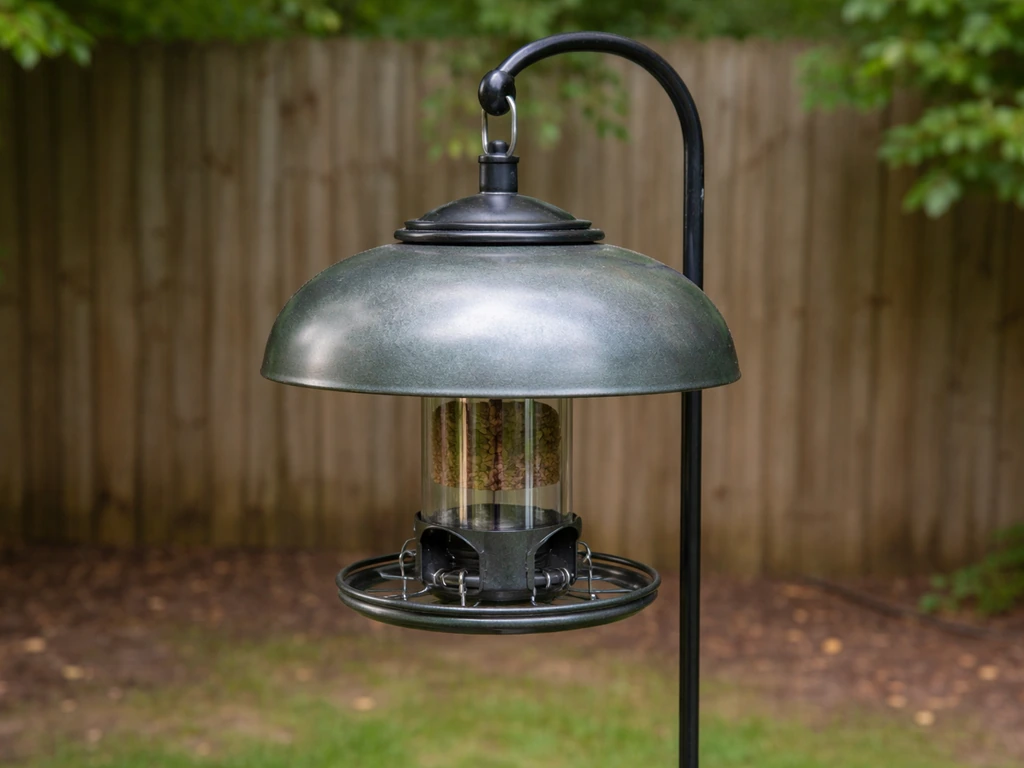
Squirrels and niger seed is an interesting problem compared to sunflower seed or safflower feeders, because squirrels are less motivated by niger specifically. They do not love the taste the way they love sunflower seeds. That said, they will absolutely destroy a feeder trying to get at it, damage the ports, and dump seed trying to find something better. So physical squirrel protection still matters, especially for the feeder's structural integrity.
The weight-activated shroud approach from Brome is the most reliable mechanism currently available. There are no batteries, no timers, and nothing to adjust: the physics of the squirrel's weight does all the work. For this to function properly, the feeder needs to be hung on a line or hook where the squirrel cannot approach from above and brace itself without hanging, which lets it avoid triggering the shroud. Mounting matters as much as the mechanism itself, which I will cover in the next section.
On the pest bird side, the small port size in a proper finch tube feeder is your first line of defense. Cornell Lab notes that tube feeders with small seed ports help keep tiny seeds from falling or spilling into a tray, so the seed stays available through the feeder ports. Grackles, starlings, and house sparrows generally cannot access niger through a narrow slit port the way a goldfinch can. If you are getting unwanted visitors anyway, a cage-style guard around the feeder adds a physical barrier that stops larger birds from landing and reaching the ports. This is especially useful if you are also dealing with grackle pressure from nearby platform or hopper feeders.
One underrated feature: niger seed itself discourages most weedy plants from sprouting underneath the feeder because it is sterilized before sale. However, there is still shell debris and chaff over time, so placing a catch tray or choosing a location that is easy to rake does help with ground cleanup.
Feeder size, placement height, and distance from cover
Where you put the feeder matters almost as much as which feeder you pick. I have seen people set up a genuinely good niger feeder and wait weeks for birds because the placement was wrong.
- Hang it in the open but near cover: Goldfinches want a clear approach path to spot the feeder, but they also want a nearby tree or shrub to retreat to if startled. A distance of about 10 to 12 feet from a shrub or small tree is a reasonable target. Too close to dense cover invites cats and other predators; too exposed and birds feel unsafe landing.
- Height: 5 to 6 feet off the ground is a good general hanging height. High enough to frustrate ground predators, low enough for you to fill and clean it without a ladder.
- Keep it away from other feeders initially: If you are introducing a new niger feeder, placing it near an established sunflower or safflower feeder can actually help birds notice it faster. Once birds are regularly visiting, you can adjust spacing.
- Avoid placing directly over a deck or patio: Niger seed produces chaff and some spillage. Hanging it over grass or a garden bed makes cleanup easier.
- Minimize feeder sway: Finches do not mind a moving feeder, but if your location gets high winds, a stabilized hanging system helps keep seed from bouncing out of the ports and wasting onto the ground.
If you are also running a sunflower or safflower feeder nearby, do not be surprised if you see crossover species. If you also run a safflower feeder, use the right feeder style to avoid seed mixups and keep each seed serving its purpose safflower feeders. If your goal is to attract more finches without fuss, you may also want to compare this with the best sunflower seed bird feeder, since many feeding setups overlap in species and placement choices. House Finches in particular will move between feeder types depending on what is available. Goldfinches are more faithful to the niger source, which is one of the reasons a dedicated niger feeder pays off.
Filling, cleaning, and troubleshooting your niger feeder
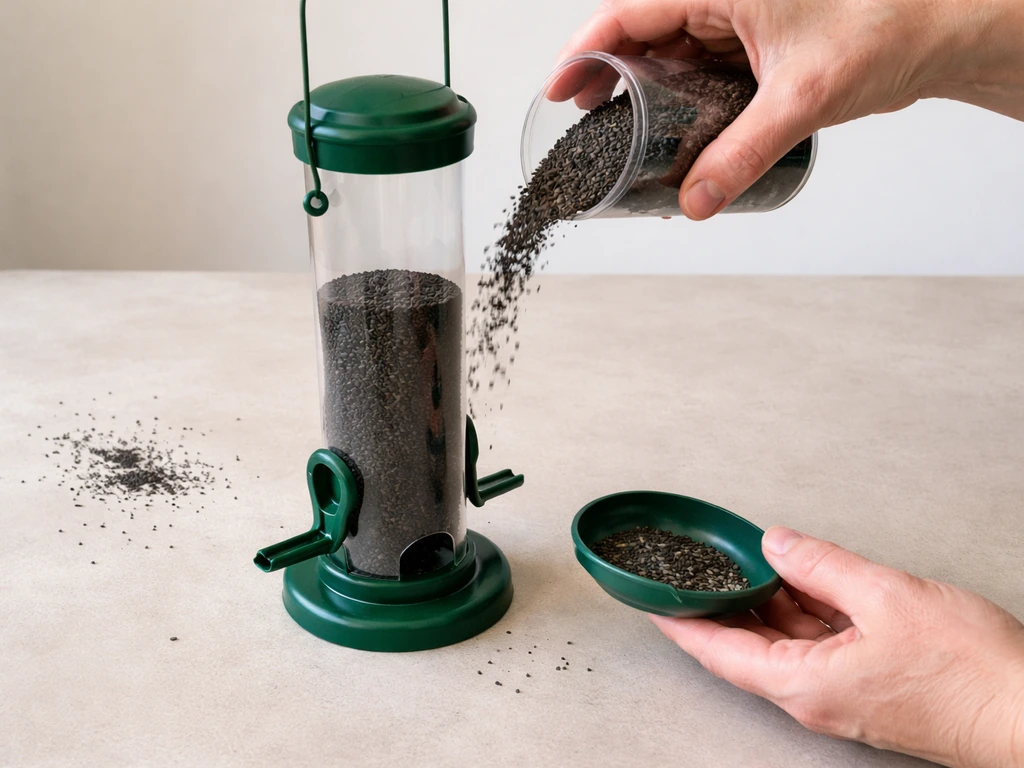
Handling niger seed right from the start
Niger seed has a short shelf life compared to sunflower or safflower seeds. It is an oily seed that goes rancid, and birds will stop visiting a feeder with stale or moldy niger even if the feeder itself looks fine. Buy niger in smaller bags unless you are feeding a large flock, and store unused seed in a sealed container in a cool, dry location. Avoid bulk bins that have been sitting exposed to humidity.
Refill routine and preventing clogs
Before every refill, shake the feeder to break up any compacted seed inside the tube. Niger is fine enough that it can pack together, especially after rain or humidity, and a compacted tube stops delivering seed to the ports even when it looks full from the outside. This is the most common reason people think their feeder is empty when it is not, or why birds stop visiting a partially-full feeder.
Feeders with a removable base make this easier: you can pop the bottom, tap out the old seed, wipe the interior, and reload. The Clever Clean system from Droll Yankees takes this further by letting you clear debris from individual mesh openings before each refill without a full wash.
Cleaning schedule
Niger feeders need cleaning about every two weeks under normal conditions, and more often in summer heat or wet weather. Niger can mold rapidly when wet, and a moldy feeder can make birds sick. The cleaning process is straightforward: empty remaining seed, disassemble what you can, scrub with a 9-to-1 water and bleach solution or hot soapy water, rinse thoroughly, and let the feeder dry completely before refilling. Putting a wet feeder back up and adding fresh seed is the single biggest mistake people make because it accelerates mold growth and wastes good seed immediately.
If birds are not showing up
Patience is genuinely required here. Goldfinches are not always on a predictable schedule, and adding niger to a new feeder does not guarantee next-day visits. A few things to check if birds are absent after a week or two:
- Check seed quality: Rub a few seeds between your fingers. Fresh niger is slightly oily and dark. Stale seed is dry and may have a musty smell. Replace the seed and see if visits pick up.
- Check for seed flow: Niger can compact and block ports. Shake the feeder, then hold it up to light to confirm seed is actually at the port openings.
- Reconsider placement: If the feeder is too exposed or too close to heavy foot traffic, finches may be detecting it but not feeling safe enough to land. Move it closer to a tree or quieter area of the yard.
- Give it time: Adding niger to a sock feeder without seeing goldfinch visits immediately is a normal experience. Finches locate food by sight and by watching other finches. Once one bird finds it, others follow quickly. If neighboring yards have feeders, visits may start sooner.
- Rule out seed spoilage from rain: If your feeder design allows rain entry at the top or through the ports, wet seed can glue together and stop flowing within a day or two of a storm. A feeder with a weather cover or vented top handles this much better.
Niger seed feeding is genuinely rewarding once the routine is dialed in. The combination of a well-built tube or mesh feeder, proper placement, and fresh seed handled correctly will bring goldfinches back reliably season after season. If you are also feeding sunflower, safflower, or black oil sunflower seeds at other feeders in the yard, the niger station rounds out your setup for the finch species that those feeders do not serve as well. If you are also working with black oil sunflower seeds elsewhere in your yard, you will want to match the feeder style to that food too for the cleanest, least wasteful results.
FAQ
How can I tell if the ports are too big or the feeder is not a good match for finches?
If you see house sparrows, starlings, or grackles repeatedly attempting to feed, but goldfinches or siskins do not, the ports are likely too large or the feeder is not actually finch-friendly. A quick test is to observe from a distance for 5 to 10 minutes, then check for seed wastage near the port openings, which often indicates poor port fit or a design that larger birds can exploit.
What mounting setup prevents squirrels from avoiding the weight-activated shroud?
Hang the feeder from a hook or line where nothing allows a squirrel to climb above and brace itself on a nearby surface. Keep it off fences, tree branches, or overhangs within reach, and use a smooth mounting point so the squirrel cannot get leverage to trigger the shroud only intermittently.
Can I use niger seed in a feeder that is designed for safflower or sunflower?
Usually no. Even if a feeder has small ports, those designs are often optimized for different seed size, flow, and moisture tolerance. Niger is fine and packs easily, so you need a feeder with a purpose-built finch port size and a material and ventilation approach meant for thistle/Nyjer.
How do I prevent niger from clumping after rain or high humidity?
Let the feeder dry completely before refilling and consider positioning it under partial cover so it gets less direct rain. Also shake the feeder before each refill to break up packed seed, because clumping can stop delivery even when the tube still looks well-stocked.
How much niger should I buy if I have only a few finches?
Buy smaller bags or portions and store them in a sealed, airtight container in a cool, dry place. Niger can go rancid faster than many people expect, so a good rule is to avoid stocking more than you can use within a short feeding window for your local visitation level.
What’s the safest cleaning approach if I’m worried about bleach on feeder surfaces?
You can use a diluted bleach solution or hot soapy water, but always rinse thoroughly and dry fully before refilling. The key detail is complete drying, because leftover moisture is what drives mold growth, not the initial cleaning agent.
How do I handle moldy seed or a feeder that got soaked once?
Remove any remaining seed, discard seed that smells stale, and clean the feeder immediately. Then dry it fully for a longer period than usual before restarting, and start with fresh seed so you do not keep reintroducing contaminated material.
Do I need a catch tray for niger, or is it optional?
It is optional, but a catch tray or an easy-to-rake location helps because finches leave chaff and shell fragments behind. Niger also attracts seed-disposal behavior from any birds that try to probe ports, so containment makes cleanup simpler and reduces the chance of unwanted sprouts or buildup.
Why do birds stop visiting even though the feeder looks full?
The most common reason is seed packing in the tube, which blocks flow to the ports. Before assuming something is wrong with bird preference, shake or tap the feeder to loosen compacted seed and confirm you have fresh, dry seed that is not clumping.
What feeder should I choose if I have both grackle or sparrow pressure and squirrel pressure?
Prioritize a finch-appropriate narrow port design for pest birds, then add squirrel protection. If you are dealing with multiple pests at once, the most effective setup usually combines a properly sized tube or mesh tube with a physical guard if larger birds can still land, plus a dedicated squirrel deterrent that prevents access to the ports.
Next Articles
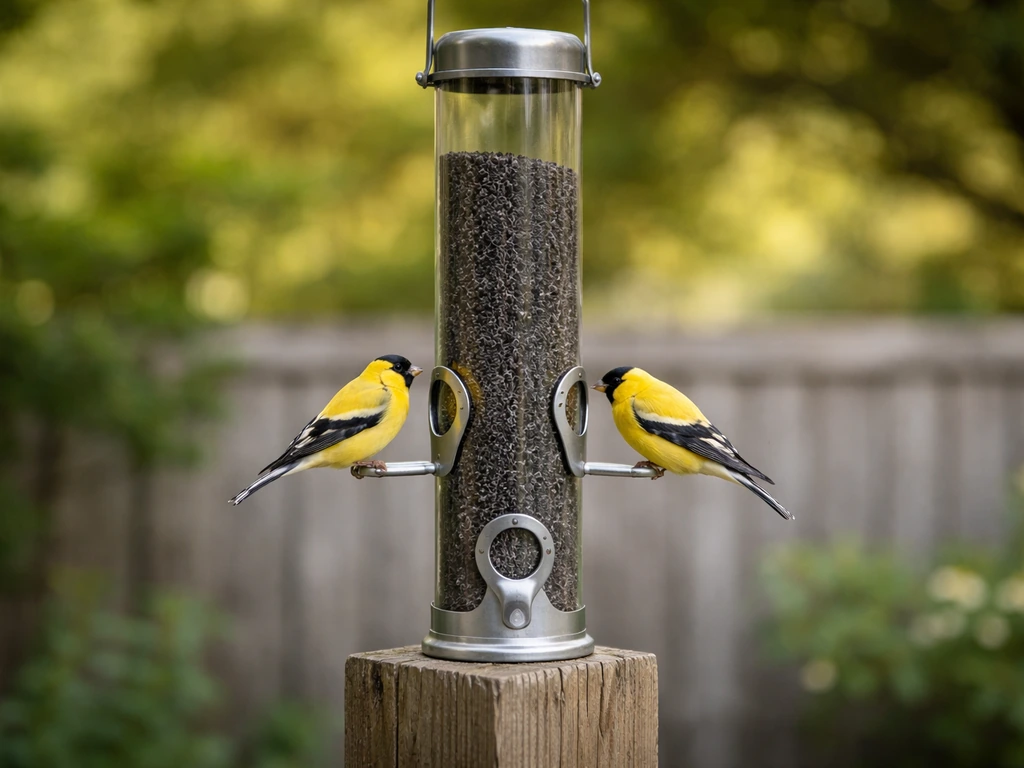
Best Thistle Bird Feeder Guide: Choose, Compare, Mount
Pick the best thistle bird feeder by species, squirrel-proof design, easy cleaning, capacity, durability, and mounting t
Best Sunflower Seed Bird Feeder: Guide for Hearts
Choose the best sunflower seed or hearts feeder with squirrel proofing, low-waste design, and tips for mounting and clea
Best Bird Feeder for Red Birds: Top Picks and Setup Guide
Top feeders and setup tips to attract cardinals and other red birds using the right seed, mounts, and squirrel-proofing.