If you're searching for Top Flight bird feeders, you're looking at two main products worth knowing: the Top Flight Select-A-Seed feeder (a 2 lb tube-style feeder with an adjustable band for switching between sunflower and thistle seed) and the Top Flight Copper Triple Tube feeder (a heavy-duty, squirrel-resistant multi-tube setup with copper armor and a lifetime warranty). For most backyard setups, the Copper Triple Tube is the better long-term investment. It holds more seed, serves more birds at once, and is built to outlast squirrel abuse. The Select-A-Seed is a solid lighter-duty pick if you want something compact and flexible for smaller yards or specific seed types.
Top Flight Bird Feeders: How to Choose the Best One
Marcus Holloway
26 Jun 2026
What 'Top Flight' actually means and how to pick the right feeder type
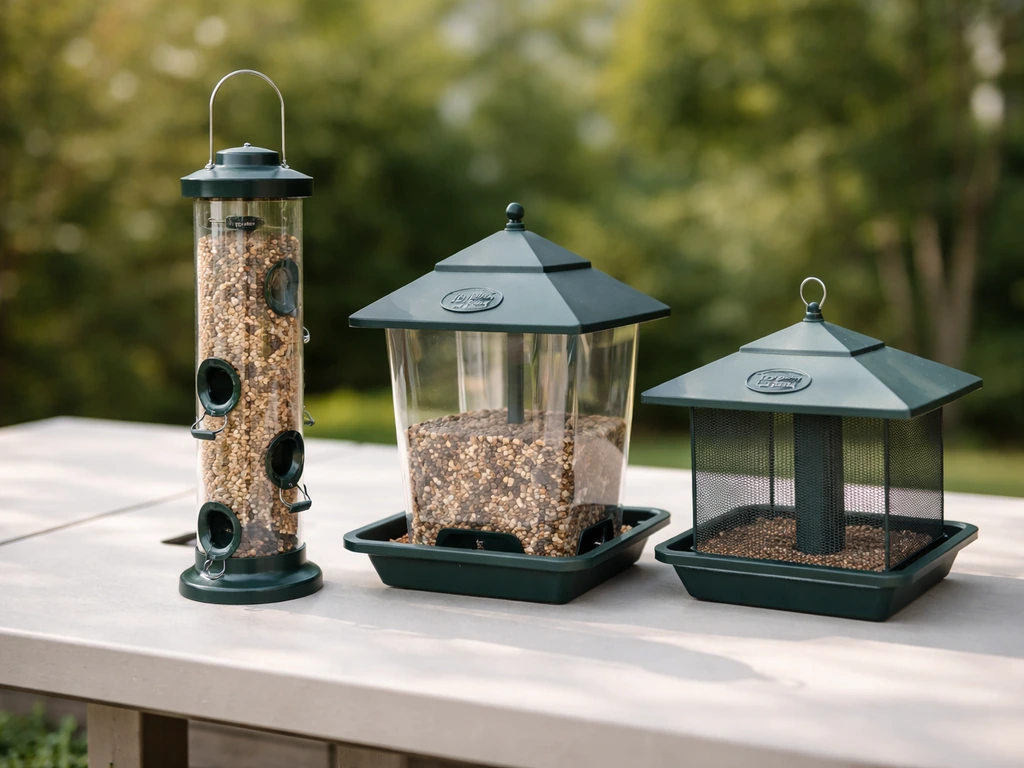
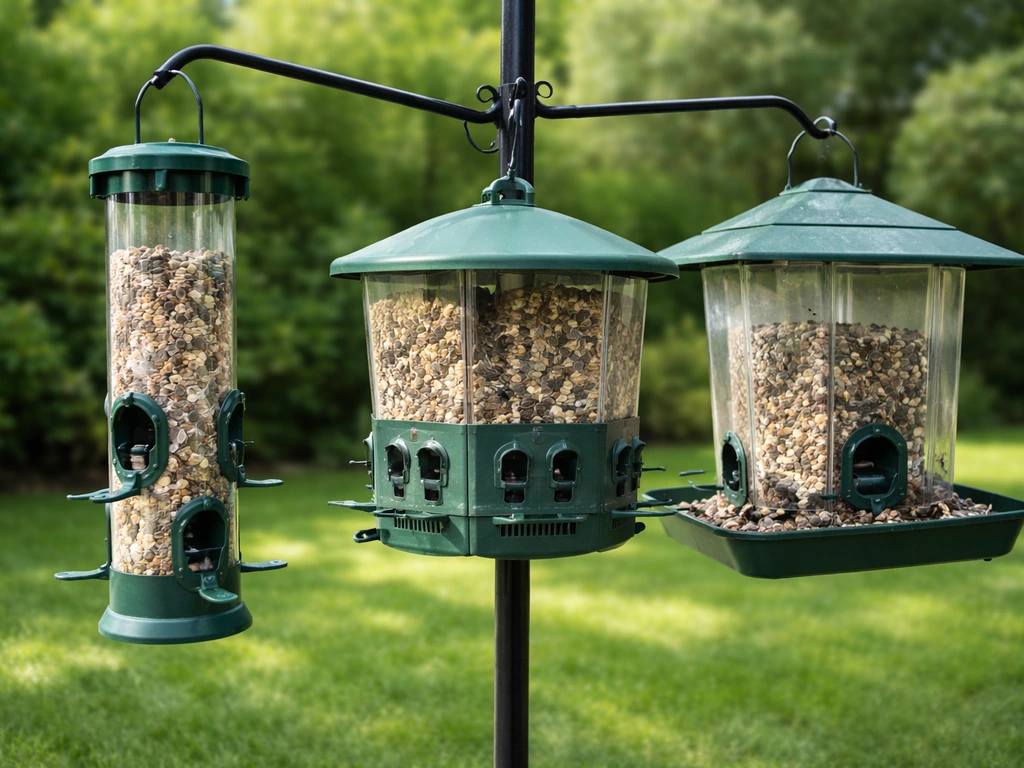
Top Flight is a brand line produced under the Perky-Pet / Woodstream umbrella, which also sells feeders under the Opus label. You'll see the Top Flight name on a handful of feeders, mostly tube-style designs. The two you're most likely to encounter are the Select-A-Seed (compact, single-tube, 2 lb capacity) and the Copper Triple Tube (model OPUS7103, three separate tubes, 6+ quarts capacity, copper finish). Don't let the branding confuse you. These aren't niche specialty feeders. They're well-constructed tube feeders with some thoughtful design details, and they sit in the mid-to-upper end of the mainstream market.
Picking the right one comes down to three questions: How many birds do you want to serve at once? Are squirrels a serious problem in your yard? And which seed type do you plan to use? If you want a compact feeder for a small patio or balcony and mostly want to attract finches or a handful of mixed-seed birds, the Select-A-Seed does the job cleanly. If you have a larger yard, want to attract multiple species simultaneously, or you've already lost feeders to squirrels, the Copper Triple Tube is the obvious choice. It has 12 feeding ports, a built-in 16-inch squirrel guard, and copper-reinforced port surrounds that squirrels can't chew through.
Which feeder works best for your specific birds
Tube feeders like these aren't universally perfect for every backyard species, so it helps to match the feeder to what you're actually trying to attract. If you're looking for a quick starting point, this top 10 bird feeders guide can help you narrow down the best options for your yard. Here's how these feeders align with common backyard birds.
Finches (house finch, goldfinch, purple finch)
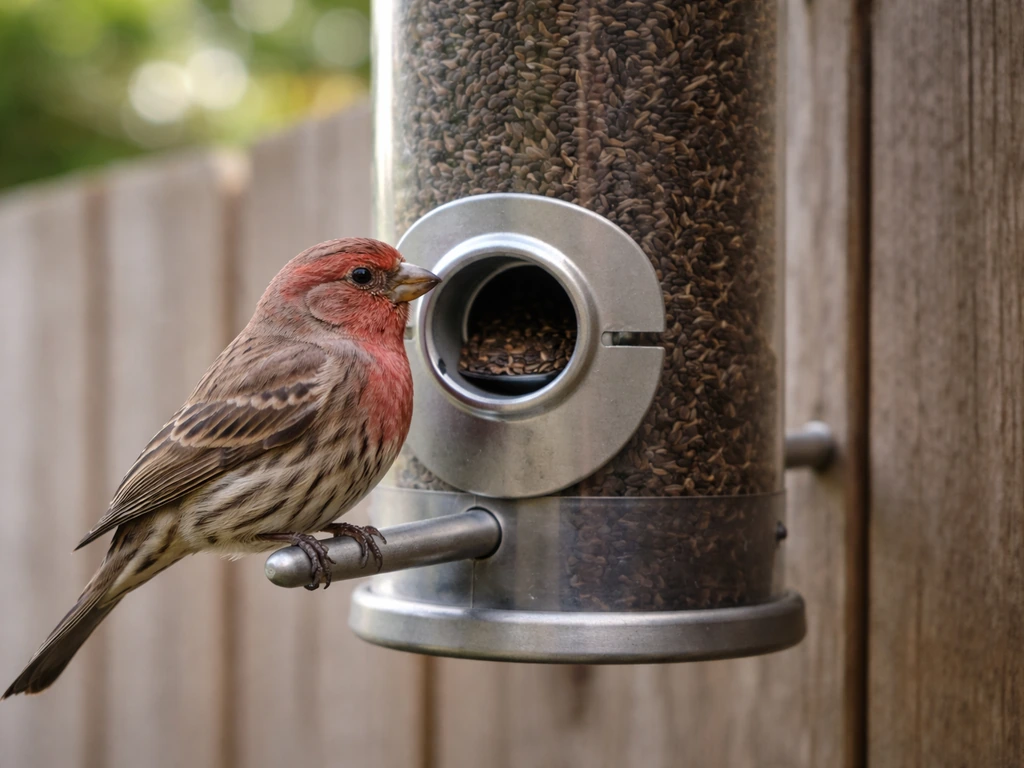
Both Top Flight feeders handle finches well. The Select-A-Seed was specifically designed with an adjustable band that lets you switch between sunflower and thistle (Nyjer) seed, which is exactly what goldfinches prefer. The Copper Triple Tube has 2-in-1 ports that flip to serve either mixed seed or Nyjer, so you can dedicate one or two tubes to thistle without reconfiguring the whole feeder. Goldfinches are small and comfortable clinging to tube ports, so either feeder suits them physically.
Cardinals
Cardinals are bigger birds and they prefer to perch rather than cling. The Copper Triple Tube addresses this directly: 6 of its 12 ports are positioned above a seed tray specifically to accommodate larger birds like cardinals, which need a stable surface to feed from. The Select-A-Seed is workable but less ideal for cardinals because it's a smaller feeder and cardinals tend to prefer hopper-style or platform feeders. If cardinals are your primary target, the Copper Triple Tube is the better choice here, though you might also want to pair it with a dedicated platform feeder on a separate pole.
Hummingbirds
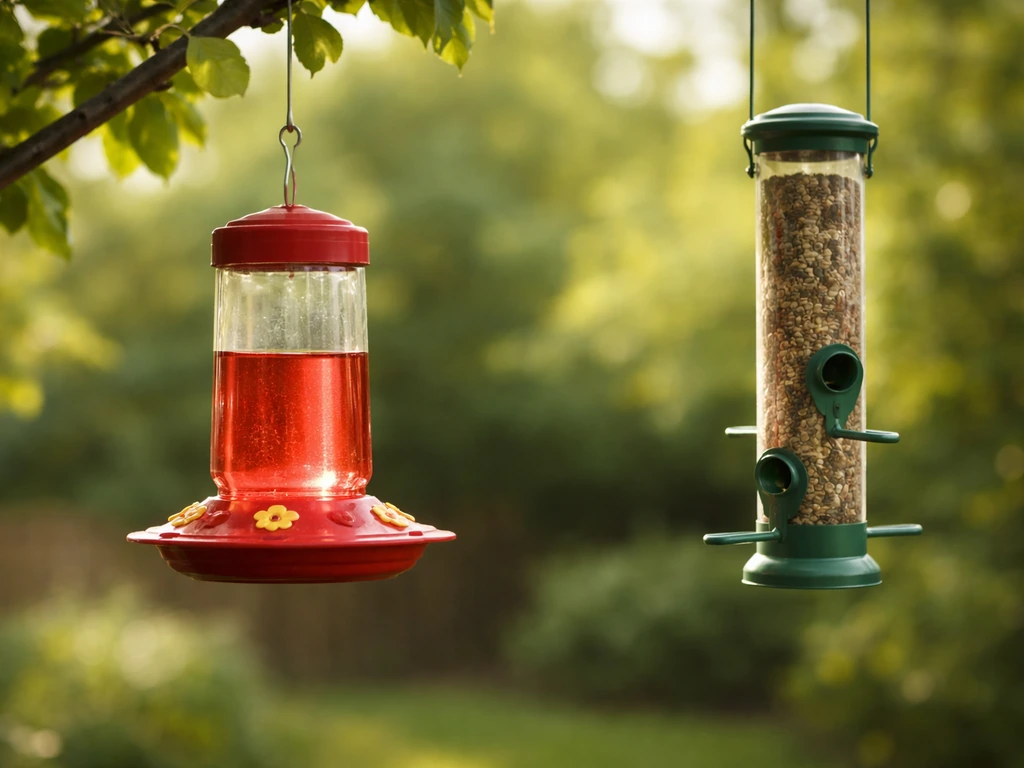
Neither Top Flight feeder serves hummingbirds. Hummingbirds need nectar feeders with port sizes and reservoir designs specific to liquid nectar, which is a completely different feeder category. If hummingbirds are on your list, you'll need to add a dedicated nectar feeder to your setup. Keep it on a separate pole or hook, ideally with some distance from your seed feeders to prevent territorial conflicts and crowding.
Woodpeckers
Downy woodpeckers will occasionally visit tube feeders with perches, but most woodpecker species are better served by suet cages or feeders with a tail-prop design. That said, the Copper Triple Tube's seed tray ports can attract downies if you're running sunflower chips. If woodpeckers are a main goal, add a suet cage to your yard setup alongside the tube feeder rather than relying on the Top Flight feeder alone.
Chickadees, nuthatches, and titmice
These are your bread-and-butter tube feeder birds, and they'll take to both Top Flight models immediately. They're small, agile, and comfortable on perches or clinging ports. Load either feeder with black oil sunflower seed or sunflower chips and you'll see these species within a day or two of hanging the feeder.
Seed and food compatibility for each feeder style
Getting the seed right matters more than most beginners expect. Using the wrong seed in a tube feeder causes clogs, mold, and wasted money.
| Feeder | Best Seeds | Avoid | Notes |
|---|---|---|---|
| Top Flight Select-A-Seed | Black oil sunflower, Nyjer (thistle), sunflower chips | Cracked corn, millet, peanuts in shell | Adjustable band lets you switch between sunflower and thistle modes |
| Top Flight Copper Triple Tube | Black oil sunflower, Nyjer, mixed seed, sunflower chips | Cracked corn, large peanuts | 2-in-1 flip ports allow different seed per tube; seed tray ports work with mixed seed for larger birds |
Black oil sunflower seed is your best all-around choice for either feeder. It attracts the widest variety of birds and flows cleanly through tube ports. Nyjer (thistle) is the go-to for goldfinches and redpolls, and both feeders are designed to handle it. Stay away from cheap mixed seed bags that are heavy on milo or red millet. Most birds ignore those fillers, they pile up at the bottom, get wet, and turn into a moldy mess that requires more cleaning and can make birds sick.
Weather resistance and material durability: what actually holds up
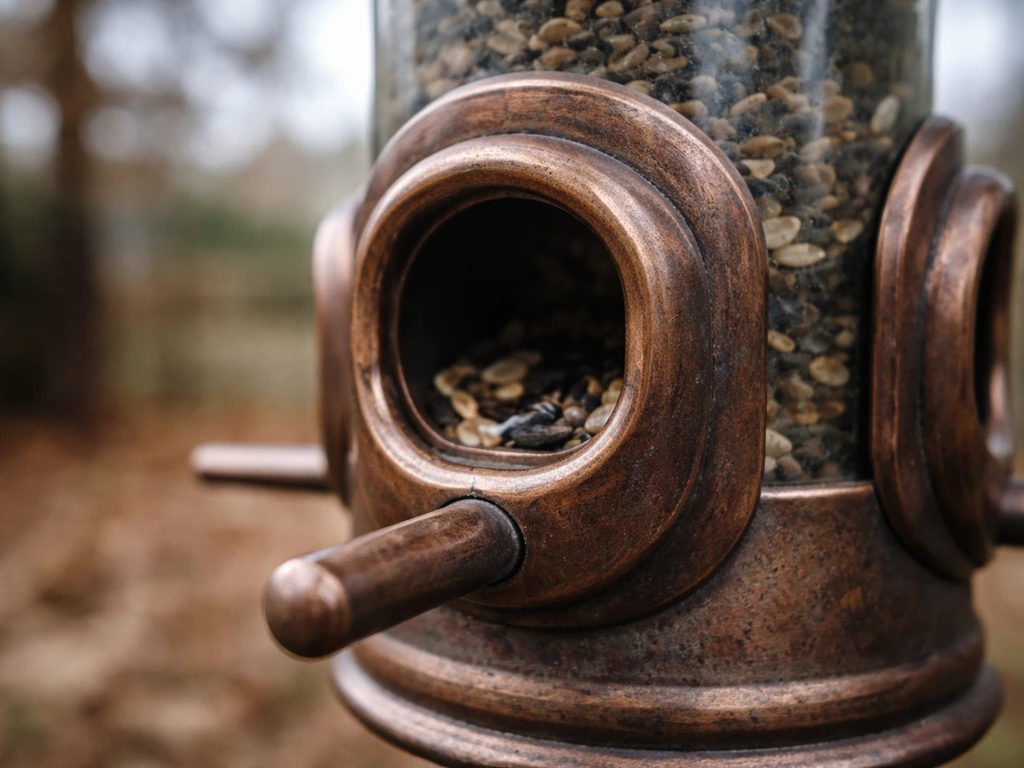
This is where the Copper Triple Tube earns its reputation. The copper armor around the feeding ports isn't just decorative. It protects the port edges from squirrel chewing and from the wear and cracking that cheaper plastic feeders suffer after a few seasons of UV exposure and freeze-thaw cycles. The feeder comes with a threaded squirrel and weather guard that screws into place over the tubes, protecting seed from rain and snow without requiring you to take the whole feeder apart. The Select-A-Seed is more modest in construction but includes a lift-off stainless steel cover and a removable bottom plug, which makes it easier to dry out and clean after wet weather.
For long-term outdoor durability, the features to look for in any feeder (Top Flight or otherwise) are metal or UV-stabilized polycarbonate construction (not standard ABS plastic), stainless steel or powder-coated hardware that won't rust, and drainage holes in any tray or seed reservoir so standing water doesn't accumulate. The Copper Triple Tube checks these boxes. The Select-A-Seed is lighter duty but reasonable for its price and size class. Either way, plan to bring any feeder inside for a deep clean with a 10% bleach solution every few weeks during heavy-use seasons.
Squirrel-proofing, rat deterrence, and grackle management
I've had squirrels destroy feeders I paid good money for. The Copper Triple Tube was designed with this exact problem in mind. The copper port surrounds resist chewing, the 16-inch diameter squirrel guard physically blocks squirrels from reaching the feeding tubes, and the product is described as 'indestructible by squirrels' with a lifetime warranty to back that up. The Select-A-Seed doesn't carry the same claim, so if squirrels are aggressive in your yard, the Triple Tube is the right call.
For rats, the strategy is mostly about seed management rather than feeder design. Don't let seed pile up on the ground. Use a seed catcher tray under tube feeders to reduce ground spillage, and take feeders in at night during peak rat season if you're in an urban or suburban area. Keeping the area under your feeder clean is more effective than any feeder design feature.
Grackles are a different challenge. They're big, aggressive, and will crowd out smaller birds at open feeders. Tube feeders with small ports and short perches naturally disadvantage grackles because the feeding position is uncomfortable for large birds. The Copper Triple Tube's standard perch ports work well here. If grackle pressure is intense, you can also use a caged feeder (a wire cage around the outside of a tube feeder) that physically excludes birds above a certain size. Top Flight doesn't make a caged version, but Perky-Pet and other brands in the same product family do, and they're worth considering as a companion feeder if grackles are overwhelming your yard.
Mounting and placement that actually works
The Copper Triple Tube is designed to mount on a 1-inch diameter pole, with pole mounting instructions included. This is the preferred setup for squirrel deterrence because you can add a baffle to the pole below the feeder, making it nearly impossible for squirrels to climb up. In a Reddit r/birdfeeding discussion about setup feedback, users also emphasized pole-mounted feeders and clear mounting to keep squirrels from using the setup as a launch point. The Select-A-Seed is 'ready to hang' from a hook or shepherd's crook. Both options are valid, but pole-mounting gives you more control over predator management.
Height matters. Aim for 4 to 5 feet above the ground at minimum to discourage ground-level predators like cats. For squirrel management, mount your pole so the feeder is at least 10 feet from any tree trunk, branch, or structure a squirrel could jump from. Squirrels can clear about 10 feet horizontally, so give yourself that buffer.
Window distance is genuinely important for bird safety. Place feeders either within 3 feet of a window or more than 30 feet away. The counterintuitive close-placement rule works because birds that startle from a very close feeder can't build enough speed to injure themselves on the glass. The dangerous middle zone is 10 to 30 feet out, where birds can hit glass at full speed. If your only mounting option is in that middle range, add window collision tape or decals to the glass.
Aim to position feeders about 10 to 15 feet from shrubs or dense cover. Birds need nearby escape routes when a hawk or cat appears, but if the cover is too close, it can also shelter predators waiting to ambush feeding birds. That 10-to-15-foot buffer strikes the right balance between shelter access and predator exposure.
If you're running multiple feeders (which I'd recommend if you want to attract a variety of species), space them at least 10 feet apart. This reduces competition and crowding at any single feeder and lets you offer different seed types in different feeders without cross-contamination.
Quick-buy checklist and next steps for today
Before you order, run through this list to make sure you're getting the right setup and not missing anything that'll frustrate you in the first week. If you want the best price bird feeders, compare per-pound seed capacity, durability, and how well the feeder resists squirrels before you buy.
- Decide which feeder: Select-A-Seed if you want a compact, flexible feeder for a smaller space or primarily finches. Copper Triple Tube (OPUS7103) if you want max capacity, squirrel resistance, and multi-species coverage.
- Plan your mount: pole-mount the Copper Triple Tube on a 1-inch diameter pole with a squirrel baffle below; use a shepherd's crook hook for the Select-A-Seed if pole mounting isn't an option.
- Check your window distance: confirm your mounting spot is either under 3 feet or over 30 feet from any large window.
- Pick your seed: start with black oil sunflower for the widest bird appeal, and add Nyjer seed if goldfinches or pine siskins are in your area.
- Set up squirrel clearance: make sure the pole or hanging point is at least 10 feet from any tree limb, fence, or roof edge a squirrel can launch from.
- Have cleaning supplies ready: a bottle brush, a bucket, and unscented dish soap or 10% bleach solution for monthly deep cleaning.
- Consider companion feeders: add a suet cage if woodpeckers are a goal, a nectar feeder if hummingbirds are in your area, or a platform feeder if you want to attract cardinals and ground-feeding species.
If you're still comparing options across price points or want to see how Top Flight stacks up against Amazon's most popular feeders or the best value picks in each category, it's worth looking at top 10 bird feeder roundups and best price bird feeder guides to see where these models land in the broader market. If you want a quick shortcut, also compare these picks to what an Amazon best seller bird feeder crowd tends to buy for similar yard setups. Top Flight feeders consistently hold their own at their price tier, especially the Copper Triple Tube, which genuinely delivers on its lifetime warranty claim in a way that most budget tube feeders can't. Buy once, mount it right, use quality seed, and you'll have active bird traffic at your feeder within a few days.
FAQ
Can I use a Top Flight bird feeder to attract hummingbirds?
Copper Triple Tube and Select-A-Seed are both designed for dry seed, not liquid nectar. If you want to attract hummingbirds, add a dedicated nectar feeder with smaller feeding ports and a reservoir meant for sugar water, then keep it physically separated from the seed feeders to reduce harassment and overcrowding.
How long does it usually take for birds to find a new top flight bird feeder?
Yes, but it is not automatic. Expect smaller birds like finches and goldfinches to arrive first, then larger perching birds. In many backyards it takes a few days, so avoid changing multiple variables at once (seed type, feeder location, and cleaning schedule) during the first week.
If I want both sunflower and thistle, how should I set up the Copper Triple Tube or Select-A-Seed?
For the Copper Triple Tube, dedicate one tube or two tubes to thistle if your main targets are goldfinches or redpolls, since tube switching is intended for seed-type segregation. For the Select-A-Seed, you must use the adjustable band to switch between sunflower and thistle, so plan on refilling after changes rather than expecting one feeder to serve both at the same time.
Why do my tube feeder seeds keep getting wet or clumping even after cleaning?
If you keep finding seeds wet or clumped, check that drainage is not blocked and that the bottom reservoir or tray is not sitting with standing water. Also confirm you are using black oil sunflower seed or properly portioned thistle, because wet fillers from poor mixed seed can mold faster than the feeder can “manage” it.
What is the best way to reduce rat visits under a top flight bird feeder?
Rats are often controlled more effectively with management than by switching feeder brands. Use a seed catcher under the feeder to reduce spillage, keep the area beneath the feeder clean, and consider removing the feeder at night during peak activity if you live in a higher-risk neighborhood.
What seed change gives the biggest improvement for attracting more birds at tube feeders?
Switching from a basic mixed seed to black oil sunflower seed usually increases variety because it flows better through tube ports and is eaten by a wider range of backyard birds. If you are targeting goldfinches, add thistle, but avoid mixes heavy on milo and red millet since ignored seeds tend to pile up and spoil.
Will a top flight tube feeder attract downy or other woodpeckers reliably?
Yes, but the hardware and seed fit matter. Woodpeckers may probe tube ports, yet many species prefer suet or feeders with a tail-prop stance. If woodpeckers are frequent, add a suet cage or tail-prop style feeder on a nearby separate setup rather than relying on the tube feeder as the primary attraction.
What should I do if my feeder location is in the 10 to 30 foot range from a window?
Bird collisions depend heavily on placement. If the feeder must be in the 10 to 30 foot “danger zone,” use collision prevention measures like window decals or collision tape on the glass, since simply moving the feeder a few feet can make a big difference in speed and impact risk.
Pole mount or ready-to-hang, which is better for squirrel control?
Consider pole mounting when you want stronger predator and climbing resistance, since you can add a baffle below the feeder. If you hang from a shepherd’s crook, you may have less control over baffle placement and climbing leverage for squirrels, so choose the mounting method based on your local squirrel behavior.
What can I do if grackles keep taking over my tube feeder?
If grackles dominate, reduce access through port size and perch comfort, and consider a caged tube feeder that limits bird entry by size. Top Flight may not make a caged companion, but other brands in the same feeder family do, and that size-based exclusion can be more effective than simply adding more seed.
Is it better to overfill a tube feeder to avoid empty periods?
Do not fill a tube feeder right up to the point where spilled seed piles on the ground. Instead, aim for a manageable fill level, clean spilled seed regularly, and use a catcher tray so you minimize waste and reduce mold risk while keeping the feeder supplied.
What durability factors should I look for beyond squirrel resistance when choosing a top flight bird feeder?
To prevent damage, confirm the feeder is built with metal or UV-stabilized polycarbonate components, use non-rusting hardware, and ensure any tray or reservoir can drain. If you live in a freeze-thaw climate, watch for cracking on cheaper plastics and plan for deeper seasonal inspections and cleaning.