The best-price bird feeder isn't the cheapest one on the shelf, it's the one that lasts more than a single season, actually attracts the birds you want, and doesn't hand free meals to every squirrel in your neighborhood. For most backyard setups, that means spending somewhere between $20 and $50 on a tube or hopper feeder made from UV-stabilized polycarbonate or powder-coated steel, with a weight-activated squirrel deterrent built in or a separate baffle added on. You'll spend less over two or three seasons with that than you will replacing a $10 plastic feeder every spring.
Best Price Bird Feeders: Value Guide for Cheap Models
Marcus Holloway
19 Jun 2026
How to get the best price without sacrificing quality
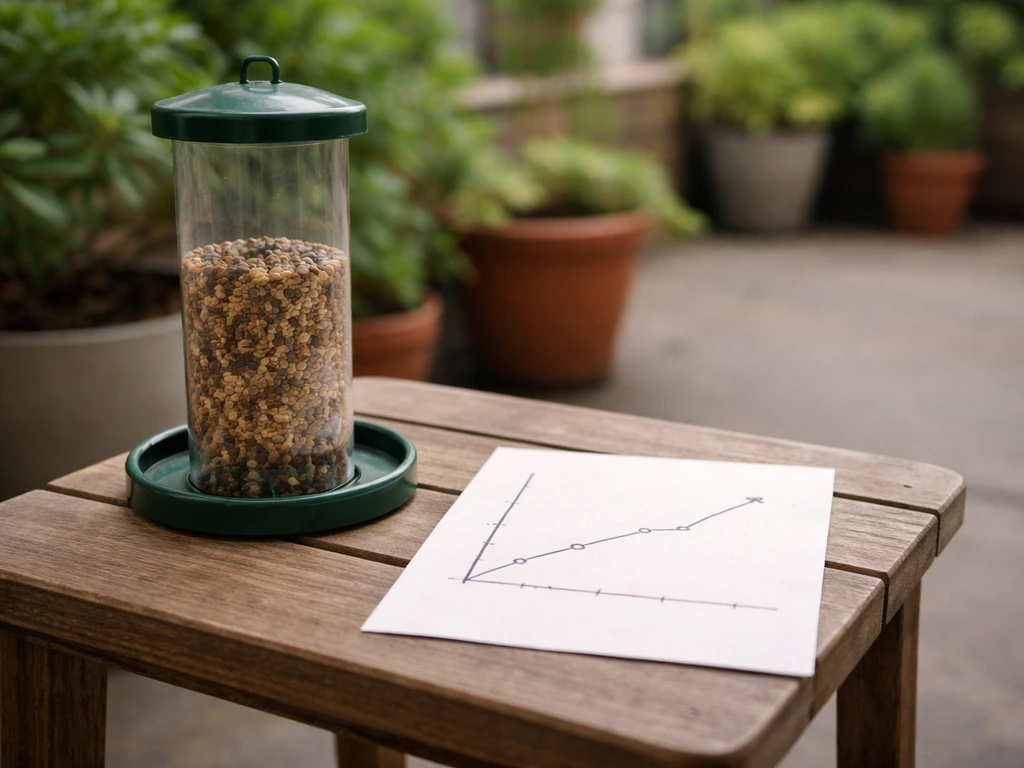
The mistake most people make is comparing sticker prices instead of cost-per-season. A $12 feeder that cracks after one winter, leaks seed every time it rains, and requires constant refilling because squirrels figured out the ports in a week is genuinely more expensive than a $45 feeder that runs reliably for four or five years. When I'm evaluating value, I look at three things: the material quality, whether replacement parts are available, and what the cleaning and maintenance burden actually looks like over time.
Parts availability matters more than most buyers realize. Perky-Pet, for example, does not sell replacement parts for their Panorama feeder line, if something breaks, you're buying a whole new feeder. By contrast, Brome's Squirrel Buster series offers a replaceable spring assembly and detailed troubleshooting steps, meaning a $5 part can extend the feeder's life by years. Before you buy, search the model name plus 'replacement parts' and see what comes up.
- Calculate cost-per-season, not just purchase price
- Check if the brand sells replacement parts before committing
- Factor in seed waste — leaky or poorly designed feeders burn through seed fast
- A one-year warranty is a baseline, not a selling point; look for brands with a longer track record
- Budget separately for a baffle or dome if the feeder doesn't include squirrel deterrence
Types of bird feeders and which are cheapest long-term
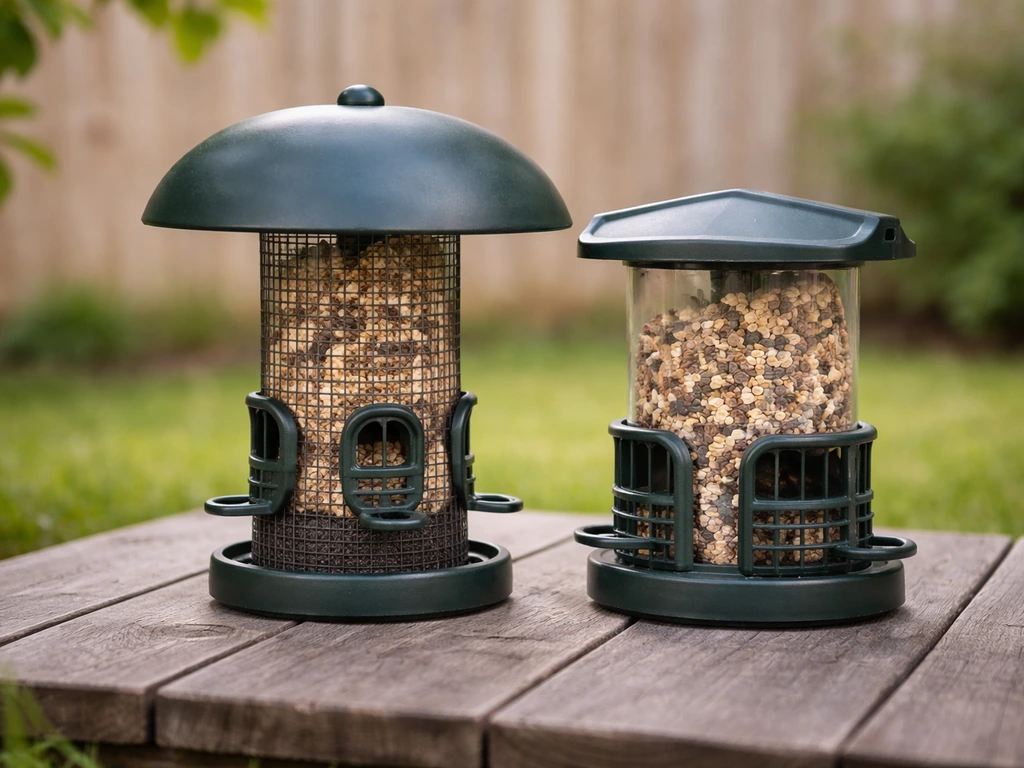
Different feeder formats have very different cost profiles. Tube feeders are the most versatile and tend to offer the best long-term value because they work for a wide range of seed types and bird species, minimize seed spillage, and are generally easy to clean.
Tube feeders are the most versatile and tend to offer the best long-term value because they work for a wide range of seed types and bird species, minimize seed spillage, and are generally easy to clean top flight bird feeders. Hopper feeders hold more seed so you're refilling less often, but their wooden or low-grade plastic trays can rot or warp quickly if they're not built well.
Platform feeders are cheap upfront but expose all the seed to weather and pests, driving up your seed bill fast. Nyjer/thistle sock feeders are inexpensive but degrade quickly and are single-use. Suet feeders are the lowest-cost entry point of all, a basic wire cage costs under $5, and they attract woodpeckers, nuthatches, and chickadees reliably.
| Feeder Type | Typical Price Range | Long-term Value | Best For |
|---|---|---|---|
| Tube feeder | $15–$50 | High — durable, low seed waste | Finches, chickadees, sparrows |
| Hopper feeder | $20–$60 | Medium — depends heavily on material quality | Cardinals, jays, mixed species |
| Platform/tray feeder | $10–$30 | Low — high seed waste, weather exposure | Ground feeders, doves, sparrows |
| Suet cage | $3–$10 | Very high — extremely low cost, durable wire | Woodpeckers, nuthatches, chickadees |
| Nyjer/thistle tube | $10–$40 | Medium — fine ports reduce waste, UV degradation risk | Goldfinches, pine siskins |
| Hummingbird feeder | $8–$25 | Medium — glass lasts longer than plastic | Hummingbirds only |
| Weight-activated squirrel-proof feeder | $40–$65 | Very high — saves seed and frustration long-term | Most songbirds |
Material, durability, and weather resistance checks
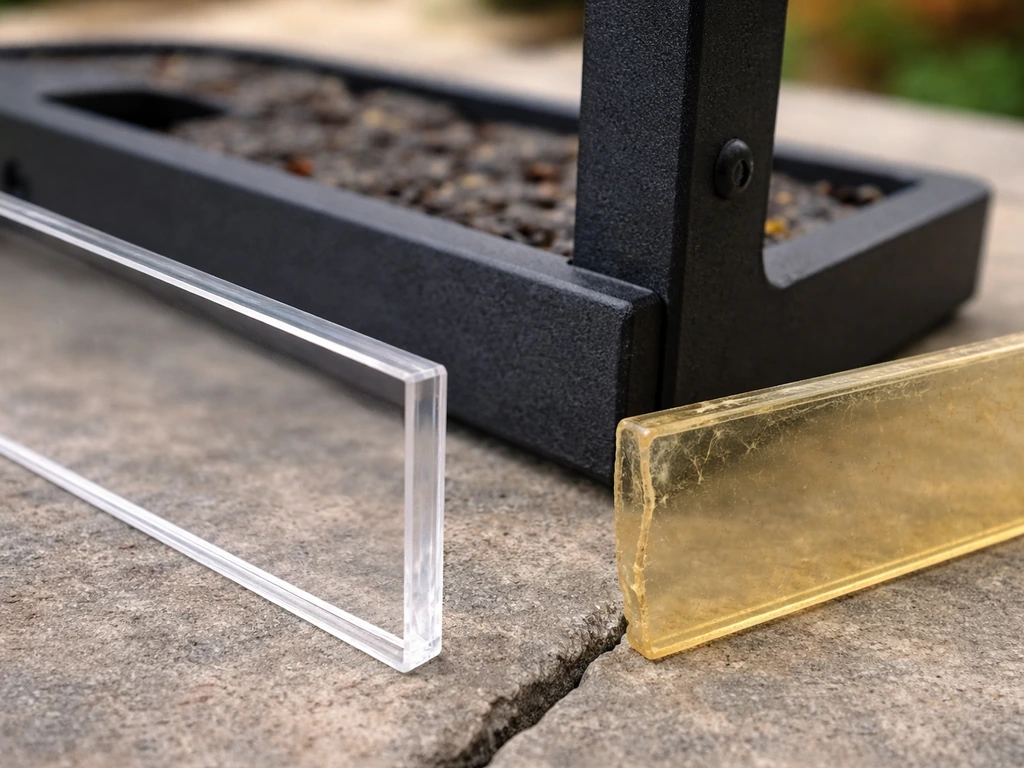
This is where cheap feeders almost always cut corners. The materials that hold up outside year-round are UV-stabilized polycarbonate (not standard clear plastic, which yellows and cracks), powder-coated steel, stainless steel mesh, and borosilicate glass. Standard ABS plastic and thin stamped metal fail within one to two seasons in most climates. If a feeder listing doesn't specify the plastic type or coating, assume it's the cheap stuff.
Powder coating is a good sign, but only if it's applied correctly. Scratches and edge gaps in a powder coat let moisture in and corrosion starts quickly from there. When evaluating a metal feeder in person, run your finger along any seams or port edges, thin or uneven coating at those spots is a red flag. For tube feeders, check whether the ports and perches are removable for cleaning; fixed ports that trap seed and moisture are where mold grows and where the feeder starts to smell bad and degrade fastest.
Cleaning is a real maintenance cost, so design matters. Cornell's All About Birds recommends cleaning feeders roughly every two weeks under normal conditions, and more frequently during wet weather or when salmonella outbreaks are in the news. The standard disinfection method across virtually every wildlife and extension source is a dilute bleach solution: 1 part bleach to 9 parts water, rinse thoroughly, and let the feeder dry completely before refilling. A feeder that's hard to disassemble won't get cleaned often enough, which shortens its life and risks the health of your birds.
Predator-proofing and anti-squirrel features for value
Squirrel-proofing is one of the best investments in the 'best price' calculation because squirrels can empty a feeder in a day and physically destroy plastic ports and perches over time. There are two practical approaches: a weight-activated feeder or a separate baffle. Weight-activated feeders like the Brome Squirrel Buster Standard use a spring-loaded shroud that closes over the seed ports when a squirrel's weight hits the perch ring, it's adjustable, so you can calibrate it to exclude heavier birds too if you're dealing with grackles. A dome or torpedo baffle (Perky-Pet makes a 16-inch transparent dome version) mounted above or below the feeder is the cheaper retrofit option and works well on existing setups.
Placement is free and surprisingly effective. The commonly cited rule, sometimes called the 5-7-9 guideline, suggests hanging feeders at least 5 feet off the ground, 7 feet from any structure a squirrel can jump from, and 9 feet below any overhanging branch. That alone, combined with a baffle, handles most squirrel problems without buying a premium feeder. The U.S. Fish and Wildlife Service also notes that hanging feeders too close to trees is the single most common reason baffles fail, the squirrel doesn't need to defeat the baffle if it can jump directly to the feeder from a branch.
One useful side effect: caged feeders and weight-activated feeders designed to block squirrels also tend to deter large nuisance birds like grackles and European starlings. The UNL Extension's selective bird feeding research notes this explicitly, the same exclusion mechanics that stop squirrels stop big birds, which is a real bonus if grackles are overwhelming your feeders in spring and summer.
Matching feeders to target birds
Buying the wrong cheap feeder for your target species is one of the most common ways people waste money in this hobby. A general seed mix in a hopper feeder will attract plenty of house sparrows and starlings but may not bring in the cardinals, finches, or woodpeckers you actually want. Here's a quick species-to-feeder map based on what actually works in real backyards.
Finches (goldfinches, purple finches, pine siskins)
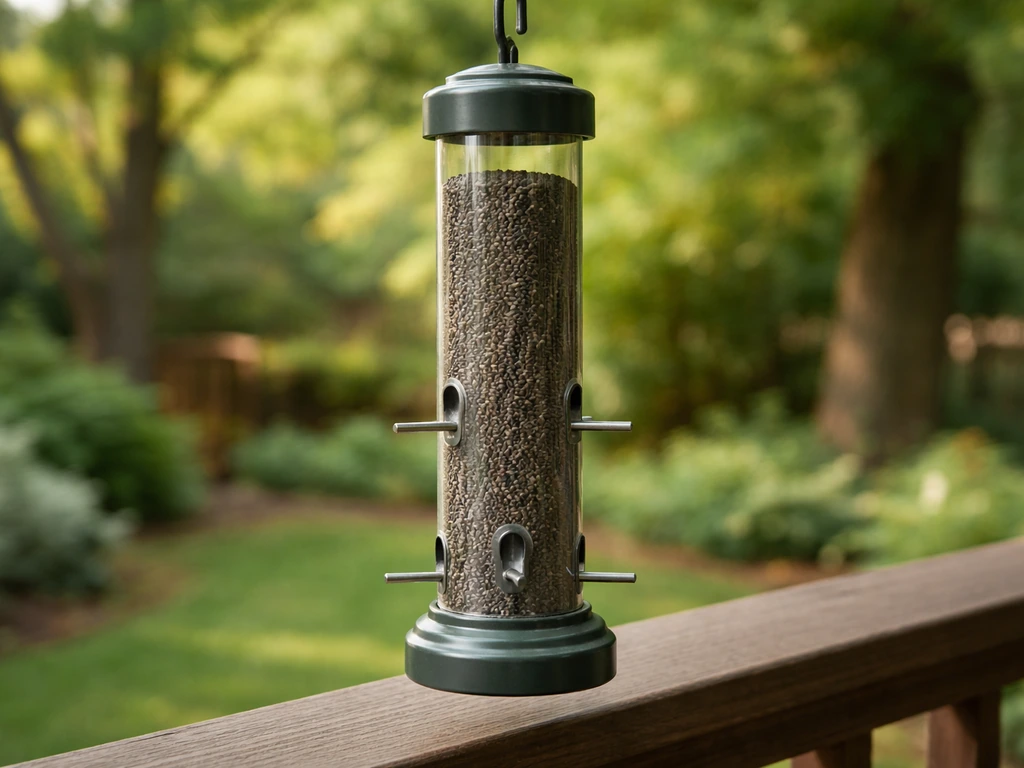
These birds need nyjer (thistle) seed and a feeder with small ports. Standard seed tube ports are too large, they allow too much seed out at once and let bigger birds crowd in. Nyjer tube feeders have tiny ports specifically sized for thistle seed, which UF IFAS notes is significantly smaller than most other feeder openings. Expect to spend $15 to $30 for a decent nyjer tube. Sock feeders are cheaper but degrade fast and are a pain to clean.
Cardinals
Cardinals are larger birds that prefer platform-style perches and sunflower seed (especially black oil sunflower). They'll use a hopper feeder with a wide tray but struggle with narrow tube perches. If cardinals are your priority, a tray or hopper feeder with a generous perch area is the right format, and it doesn't need to be expensive. A $20 to $35 hopper with a covered roof to keep seed dry is a solid, low-cost option.
Woodpeckers
Suet is the most reliable and cheapest way to attract woodpeckers, and a basic wire suet cage does the job for around $3 to $8. If you want to attract larger woodpeckers like pileateds, you'll need a feeder with a tail prop below the suet block, these are slightly more expensive (around $15 to $25) but still firmly budget-friendly. Woodpeckers will also use log feeders packed with suet or peanut butter, which you can make yourself for almost nothing.
Hummingbirds
Hummingbird feeders are a special case: the nectar is cheap to make yourself (4 parts water to 1 part plain white sugar, no dye needed), but the feeder material matters a lot. Glass holds up better than plastic, resists staining, and is easier to clean thoroughly, critical because nectar ferments fast in warm weather and mold is a real health risk for hummingbirds. A glass hummingbird feeder in the $15 to $25 range will outlast two or three cheap plastic ones. Budget for more frequent cleaning in summer: every two to three days in hot weather.
Smart and AI bird feeder cameras: when they're worth the extra cost
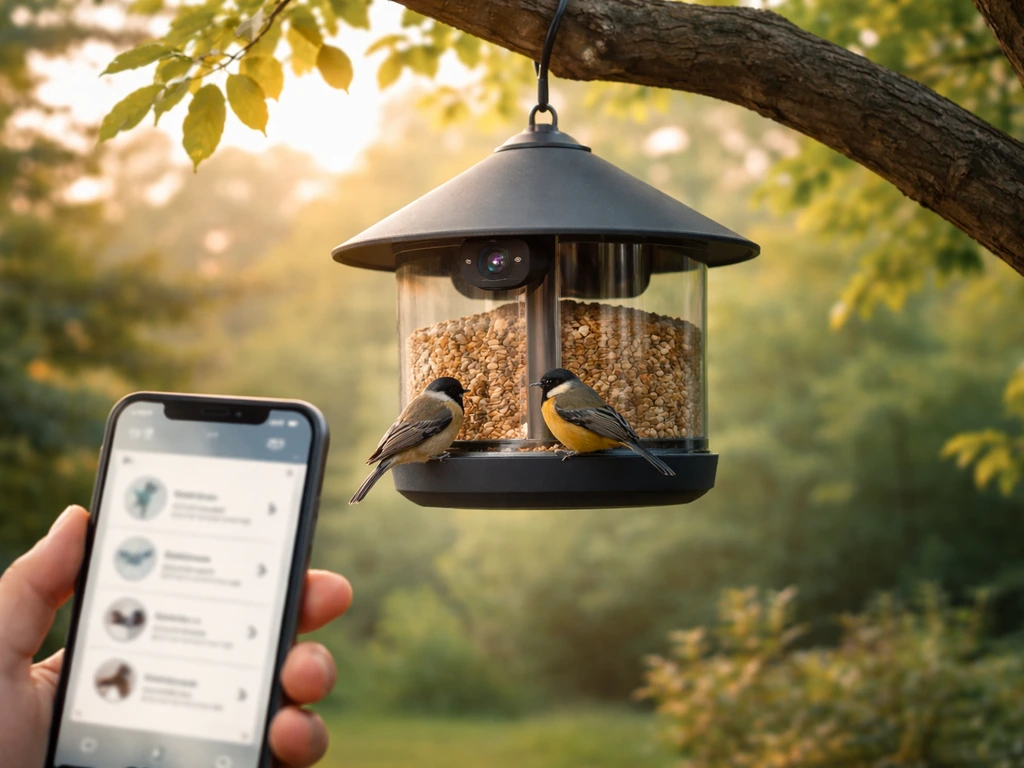
Smart feeders with built-in cameras and AI bird identification, like the Birdfy Feeder or Bird Buddy 2, are genuinely fun and add real value if you want to know which species are visiting and when. But they start at roughly $100 and run up to $200 or more, so the value math is very different from a standard feeder. For most people focused on best price, they're a 'nice if the budget allows' item rather than a practical necessity.
The cost structure is also more complicated than it looks. Birdfy, for instance, offers AI bird recognition on a tiered model: some versions include lifetime AI recognition, while others run on a subscription at $4.99 per month, $49.99 per year, or $69.99 for a lifetime upgrade. The cheaper Birdfy Lite version may not include AI recognition at all, which removes most of the unique value proposition. Bird Buddy 2 has its own subscription and hardware considerations. When comparing models, check whether the AI is included or a paid add-on before assuming the lower hardware price is the better deal.
Real-world AI accuracy is also imperfect. User reports note that Birdfy misidentifies species when large birds fill the frame or when only part of the bird is visible, a common situation at busy feeders. Camera module failures have also been reported with Bird Buddy units within months of purchase, though Bird Buddy has been noted to replace whole units in those cases. These are hardware products that can fail in ways a simple wire suet cage never will. If you're considering a smart feeder, think of it as a wildlife camera hobby gadget that happens to hold seed, not a feeder with a bonus feature.
The honest answer: if your goal is attracting birds on a budget, a smart feeder is not where your money should go first. Spend on a quality traditional feeder, a good baffle, and premium seed. If you already have that dialed in and want to add a tech layer, then a smart feeder becomes a reasonable next purchase rather than a first one.
Where to buy for the best price (and how to avoid overpriced models)
Amazon is the most convenient starting point and the Amazon best seller rankings do reflect genuine popularity, but popularity doesn't always track quality. When you search for the amazon best seller bird feeder, still check that it matches your target birds and has durable, weather-resistant materials for long-term value. Cross-reference any Amazon pick against reviews that mention durability after one full year, not just initial impressions. Chewy, Wild Birds Unlimited, and Duncraft are specialty retailers that tend to carry better-curated selections with more honest product descriptions. Home Depot and Lowe's carry a narrower range but often have clearance deals in late summer and fall when bird feeding slows seasonally, that's a good time to stock up.
Bundles can be legitimate value or just packaging. A feeder-plus-seed bundle is worth it if the seed type matches what you're trying to attract. If you want a shortcut, look at a curated list of the top 10 bird feeders to compare styles, seed compatibility, and long-term value side by side. A feeder-plus-pole bundle is often useful since poles sold separately add $20 to $40 to the total. A feeder-plus-accessories bundle where the accessories are low-quality baffle knock-offs is usually not worth it, buy a quality baffle separately.
Spotting 'cheap but bad' listings comes down to a few signals: no mention of the plastic type (just 'plastic' or 'durable plastic' with no specs), no UV resistance claim, a warranty shorter than one year, no parts availability information, and a weight under about 1 pound for any feeder larger than a small tube (ultra-light feeders are almost always thin-walled). If the listing photo shows paint instead of powder coating on metal parts, pass. And if there's no information on how to disassemble the feeder for cleaning, assume it can't be cleaned properly.
Decision rules for landing on the right feeder today
- Identify your target species first, then choose the feeder format that matches — wrong format wastes money regardless of price
- Set a realistic budget of $25 to $50 for a primary feeder; add $10 to $20 for a baffle if squirrels are active in your yard
- Prioritize UV-stabilized polycarbonate, powder-coated metal, or glass over unspecified plastic
- Check parts availability before buying — brands that sell replacement parts are worth a small premium
- Apply the 5-7-9 placement rule for free squirrel deterrence before spending on anti-squirrel hardware
- Plan for cleaning every two weeks using a 1: 9 bleach-to-water solution — choose a feeder that disassembles easily
- Only consider a smart AI feeder camera after your basic setup is solid and you want the identification feature specifically
The best-value feeder setups I've tested over the years share a few things: they're built from materials that actually survive freeze-thaw cycles and UV exposure, they discourage squirrels without requiring constant intervention, they're matched to the seed and species they're supposed to serve, and they're designed to be cleaned without a fight. None of that requires spending a lot, it just requires spending smart. If you want to go deeper on specific models worth considering, the top 5 and top 10 feeder roundups on this site break down the best performers by category with side-by-side comparisons. If you want a quick starting point, check our top 5 bird feeders for the best mix of performance and value.
FAQ
What should I look for to confirm a “best price” bird feeder will last outdoors in my climate?
Check for explicit UV-stabilized polycarbonate or powder-coated/stainless materials, and scan the product description for freeze-thaw or “all-season” wording. Then verify that the listing includes disassembly details for cleaning, because a feeder that cannot come apart usually fails early even if the materials sound good.
Is a cheaper squirrel-proof feeder actually worth it if I already plan to use a baffle?
Often yes, if the squirrel-proofing is redundant in a good way. If you use a baffle, prioritize easy-clean ports and durable materials, since the baffle handles most squirrel access. Avoid very lightweight feeders if squirrels can reach the feeder from branches, since baffles fail most often when the squirrel has a jump route.
How do I calculate cost-per-season for bird feeders without overthinking it?
Use a simple rule: estimated annual cost equals purchase price divided by expected usable seasons. Then add a maintenance penalty, for example if the feeder requires frequent refilling, constant emptying due to rain leaks, or replacement parts. In practice, failures and seed loss often cost more than the initial price difference.
What’s the most common “cheap feeder” problem that leads to birds not using it?
Port and seed compatibility. If the ports are sized for common seed but you use nyjer, or the perches are too narrow for larger birds, birds either can’t feed comfortably or are crowded out. Match feeder format to seed type first, then check the port size and perch design.
Can I use one hopper feeder to attract a wide variety of birds?
You can attract some variety, but not at equal rates. Hopper designs tend to favor larger, more aggressive visitors like sparrows and starlings unless you use the right seed and consider a covered tray. If you want finches or cardinals, plan on targeted feeders or seed types rather than expecting one hopper to do everything well.
How often should I clean a feeder if I feed year-round?
Under normal conditions, aim for about every two weeks, but increase frequency during heavy rain, hot weather, or when you see signs of mold or sticky seed. If your feeder is hard to fully disassemble, the realistic schedule matters, so choose models that let you clean ports, perches, and the seed path thoroughly.
Is bleach the only safe option for disinfecting feeders?
Bleach is widely used because it is effective, but the key is correct dilution and complete rinsing. Use fresh solution, rinse thoroughly so no residue remains, and let the feeder dry fully before refilling. Any feeder that holds water or has crevices that stay wet is harder to disinfect safely.
What’s the easiest way to prevent leaks and seed waste on a budget?
Choose a covered tube or covered hopper with durable seams and removable/cleanable parts. Leaks usually come from poor port tolerances, warped trays, or lids that do not seal well. If the feeder design traps wet seed, you will lose more money to spoilage than to the purchase price.
Do smart bird feeders reduce overall seed cost?
Not usually. They often cost more upfront and still require regular refilling and cleaning. Smart features may help you observe feeding patterns, but if the hardware fails or subscriptions add ongoing cost, it can erase any benefit compared with a reliable traditional feeder and premium seed.
If I buy on Amazon, how can I avoid getting stuck with parts I can’t replace?
Before purchase, confirm whether replacement parts exist for that exact model, not just the brand. Search the model name plus “replacement parts” and check warranty length. Also look for documentation that shows how to open and clean the feeder, since that is a practical requirement that many “cheap but bad” listings omit.
What feeder size is “safe” to buy without being too fragile?
For anything larger than a small tube, be cautious if the feeder is extremely light, since thin-walled plastics often crack in one to two seasons. Instead, target heavier builds like powder-coated steel or stainless components, and verify the listing provides the actual material type rather than vague wording like “durable plastic.”
Should I buy a feeder first or a baffle first?
If your main issue is squirrels or you plan to place feeders near trees, a quality baffle is often the higher-impact first purchase. Many squirrel-proof feeder discounts are offset by poorer materials or harder cleaning, so if you already have a decent feeder, upgrading baffle quality can protect it and reduce seed loss quickly.
How do I stop “moldy seed smell” that starts after a few days?
That usually points to trapped moisture or seed that remains wet in ports. Choose removable ports/perches for thorough cleaning, ensure the feeder is designed to drain, and increase cleaning frequency after wet weather. If you see moisture pooling in fixed areas you cannot access, replace the feeder rather than just disinfecting it.
Next Articles
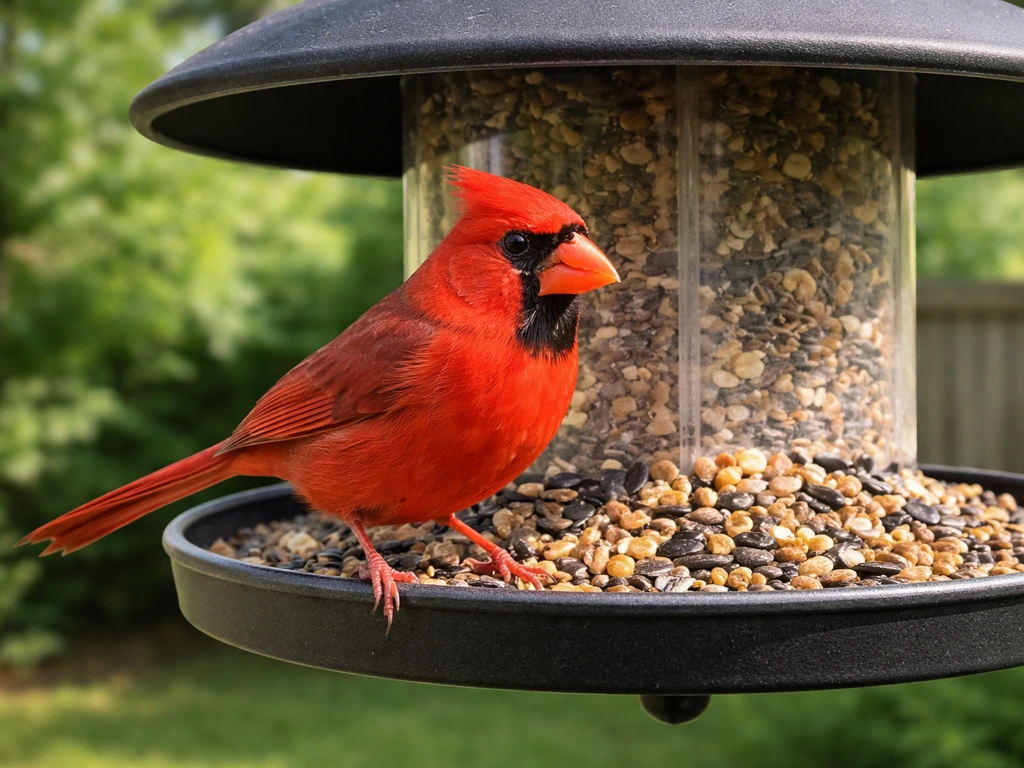
Best Bird Feeder for Red Birds: Top Picks and Setup Guide
Top feeders and setup tips to attract cardinals and other red birds using the right seed, mounts, and squirrel-proofing.
What Color Bird Feeder Attracts Birds Most: Quick Guide
Discover which bird feeder color draws the most birds, plus setup tips for durability, placement, and reducing squirrels
Best Color for a Bird Feeder: What Birds Prefer
Find the best color for a bird feeder by species, bird vision tips, and setup guidance for shade, contrast, and access.