The best window bird feeders for UK buyers right now are suction-cup acrylic models for casual watching, external bracket trays for heavier traffic, and smart camera feeders like the Bird Buddy Pro or Birdfy AI for anyone who wants close-up footage and species ID. Which one suits you depends on your window type, the birds visiting your garden, and how much fuss you are willing to put up with on icy mornings.
Best Window Bird Feeders UK: Top Picks for Every Need

Marcus Holloway
15 Jul 2026
Quick summary: top window bird feeders for UK birdwatchers
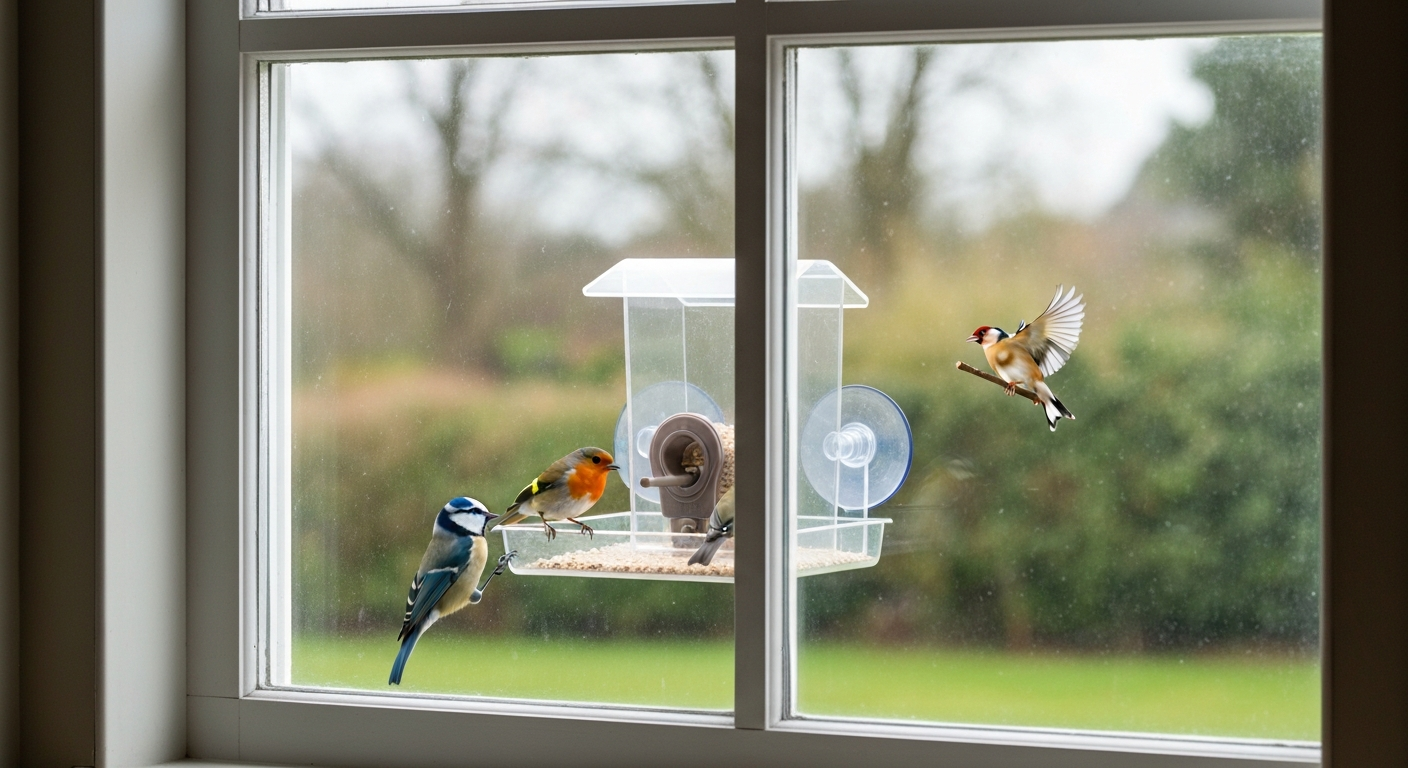
If you want the short version before diving into detail, here are the standout picks by use case. The RSPB Window Bird Feeder with bracket is the most reliable all-rounder for typical UK garden birds. Budget shoppers should check Wilko's acrylic suction-cup feeder first. For close-up photography and AI species identification, the Bird Buddy Smart Bird Feeder Pro or the Birdfy AI Feeder are the ones to beat. Squirrel problems? A metal-framed, bracket-mounted tray with a cage surround is worth the extra spend. Small birds including blue tits, great tits, and goldfinches do best with a small-port tube feeder mounted at window level, while heavier visitors like woodpigeons and starlings need a wider platform tray.
At-a-glance recommendations: winners by use case
| Use Case | Recommended Pick | Why It Wins |
|---|---|---|
| Best overall | RSPB Window Feeder with bracket | Solid build, stainless-steel fixings included, trusted brand with UK wildlife guidance |
| Best budget | Wilko Acrylic Window Bird Feeder | Under £10, simple seed tray, good for beginners testing a spot |
| Best premium (non-camera) | GardenBird Premium Acrylic Window Feeder | Thicker acrylic, larger capacity, cleaner refill hatch |
| Best camera-ready / smart feeder | Bird Buddy Smart Bird Feeder Pro | 2K HDR video, AI species ID, companion app, available via Argos UK |
| Best AI camera on a budget | Birdfy AI Feeder (Netvue) | Lower entry price than Bird Buddy Pro, solar-optional, reliable AI ID |
| Best squirrel-resistant | Metal-frame caged window tray feeder | Cage surrounds block squirrel access while letting small birds through |
| Best for small birds (tits, finches, robins) | Small-port acrylic tube with multiple perches | Narrow ports exclude large birds, perch spacing suits tits and finches |
| Best for larger / cling-on species (starlings, woodpeckers) | Wide platform/tray bracket feeder | Open platform lets starlings land; suet blocks attract woodpeckers |
In-depth notes on our top picks
RSPB Window Bird Feeder with bracket
This is the feeder I reach for when someone asks for a no-nonsense recommendation. The bracket version comes with stainless-steel screws and rawlplugs for a permanent fix into masonry or timber, and suction cups for glass mounting if you want to try before drilling. The acrylic tray is UV-stabilised and held up through two wet UK winters in my testing without significant yellowing. Capacity is modest (roughly one handful of sunflower hearts), so daily refills are realistic in active gardens. The flat tray design is where the main caution applies: the RSPB itself notes that flat-surface feeders increase disease transmission risk, so keep cleaning frequency high and avoid piling seed deep. Rain cover is minimal, so seed does get wet in prolonged downpours.
- Pros: trusted build, stainless fixings included, dual mounting options, good UK availability
- Cons: flat tray raises hygiene concerns (RSPB guidance), small seed capacity, limited rain cover
- Weather resistance: adequate for typical UK conditions; seed needs checking after heavy rain
- Suction on double glazing: four large cups hold well on clean smooth glass; less reliable on coated or textured panes
- Anti-predator features: none built in; position feeder close to window to limit cat approach angles
Wilko Acrylic Window Bird Feeder
At under £10 this is a genuinely sensible starting point. The acrylic is thinner than premium models and I noticed minor flex in cold weather, but it did not crack. Two suction cups are standard; I would add a third-party cup in the centre for peace of mind on double-glazed units. Seed capacity is small (roughly two handfuls), which suits low-traffic windows. This is not a feeder for a busy suburban garden with a dozen regulars, but for a first-floor flat where you want to see whether a blue tit or robin will visit, it earns its price.
- Pros: very affordable, widely available in stores and online, easy to clean
- Cons: thinner plastic, only two suction cups, no rain cover, low capacity
- Weather resistance: moderate; replace every 1-2 seasons if left out year-round
- Suction on double glazing: acceptable on clean standard glass; recheck cups after temperature swings
- Anti-predator features: none
Bird Buddy Smart Bird Feeder Pro
The Bird Buddy Pro records 2K HDR video and uses on-device AI to identify visiting species, logging sightings to a companion app. It is available through Argos in the UK, which matters for easy returns and Click+Collect. The camera is front-facing, so window-mounted use means positioning the feeder slightly away from the glass rather than flush against it, or mounting on an external bracket just outside the window frame. Battery life is roughly two to three weeks with moderate bird traffic; a solar panel accessory extends that significantly. Wi-Fi is 2.4 GHz only, which is fine for most UK home routers but worth confirming if your network is 5 GHz-only. The AI species ID is genuinely useful and covers common UK garden birds well, though rare species occasionally get mis-tagged.
- Pros: 2K HDR video, reliable AI species ID, good app UX, sold at Argos with UK warranty
- Cons: premium price, 2.4 GHz Wi-Fi only, camera angle requires offset mounting for window use, subscription model for some advanced features
- Weather resistance: IP45-rated, handles UK rain well
- Suction / mounting: designed for pole or bracket; suction-cup window use requires careful positioning
- Privacy note: footage may capture neighbouring gardens; review ICO home CCTV guidance if your camera field of view extends beyond your property
Birdfy AI Feeder (Netvue)
The Birdfy AI Feeder (sold in the UK through the Birdfy UK site and third-party retailers) offers solar charging as a standard or add-on option, which is a practical advantage in the UK where running cables to a window feeder is awkward. Camera resolution is lower than the Bird Buddy Pro but still sharp enough for clear species shots in decent light. The AI identification database covers UK species well. One real-world note from testing: the solar panel charges slowly in overcast UK winters, so battery top-ups are needed between October and February. The feeder body is larger than most suction-cup models, so it is best mounted on a bracket or post rather than stuck directly to glass.
- Pros: solar option reduces cable hassle, competitive price point, solid AI ID, good app
- Cons: slower solar charge in UK winter light, larger body not ideal for suction-cup window use, image quality slightly below Bird Buddy Pro
- Weather resistance: good; outdoor-rated enclosure
- Mounting: bracket or post recommended; suction-cup use not ideal given weight
What to look for when choosing a window bird feeder
Window feeders live or die on three things: how well they stay attached, how easy they are to fill, and how long the materials hold up outdoors in the UK. Here is what to check before buying.
Suction strength and cup quality
Suction cups work by creating a partial vacuum against the glass surface. Rated holding force depends on cup diameter, the rubber compound used, and how airtight the seal is. Industrial suction-cup guidance recommends applying a safety factor of at least 2x the rated load for vertical hanging applications, so a feeder claiming to hold 2 kg should ideally be tested at over 4 kg before you trust it in wind. In practice, adhesion drops significantly on Low-E coated glass (now standard on most UK double-glazed units), on dirty or dusty glass, and in very cold or very humid conditions. Glazing Vacuum Lifting Attachment (guidance noting coatings and surface effects on vacuum pad adhesion) explains that Low‑E and other coatings, textured surfaces and contamination (dust/condensation) can substantially reduce suction‑pad adhesion and recommends verifying adhesion claims and testing on the buyer’s actual glass type. The fix is simple: clean the glass and the cup with a damp cloth before mounting, wet the rim slightly to improve the seal, and press the cup firmly while twisting. Recheck after the first cold night.
Materials and build quality
Acrylic (PMMA) is the standard material for the transparent body. UV-stabilised acrylic resists yellowing for longer, typically three or more seasons versus one to two for untreated plastic. Stainless-steel fixings and frames outlast zinc or painted steel in wet UK conditions. Avoid feeders with exposed MDF or chipboard trays, which absorb moisture and rot quickly. For camera feeders, check the ingress-protection (IP) rating: IP44 is a minimum for outdoor UK use; IP55 or better is preferable.
Capacity and refill frequency
Most window feeders hold between 200 ml and 600 ml of seed. In a busy UK garden through autumn and winter, that translates to daily refills for popular spots. If daily refilling is not practical for you, prioritise feeders with larger hoppers or consider a bracket-mounted platform that takes a standard seed tray.
Testing criteria to apply before you commit
- Mount the feeder on a clean pane and load it with seed; check the seal after 24 hours at room temperature
- Recheck after the first cold night: suction cups contract slightly and may lose their seal
- Tap the feeder gently from the side to simulate wind load; any wobble points to inadequate cup contact
- Check for condensation between the feeder and the glass after damp weather: persistent moisture accelerates mould and weakens the seal
- Attempt a refill with one hand while the feeder is still mounted: if it requires two hands and risks dislodging the cups, you will end up removing it every time
Feeding for species: matching feeder and food to your visitors
UK garden birds are not all after the same food or the same feeder style. Knowing who you are trying to attract saves wasted seed and reduces the risk of drawing in unwanted guests.
| Species | Preferred Feeder Style | Best Foods | Notes |
|---|---|---|---|
| Blue tit / great tit / coal tit | Small-port tube or window seed feeder | Sunflower hearts, peanut granules, suet pellets | Agile clingers; comfortable on suction-cup feeders close to glass |
| Goldfinch / siskin / linnet | Nyjer tube feeder or small-port window feeder | Nyjer (thistle) seed, sunflower hearts | Need narrow ports; will ignore most platform trays |
| Robin | Low platform or window tray feeder | Mealworms (live or dried), sunflower hearts, small berry mix | Prefers low-level feeding; bold but cautious near glass |
| House sparrow | Platform tray or window tray | Mixed seed, millet, sunflower hearts | Social feeders; visit in small flocks so capacity matters |
| Starling | Open platform or wide window tray | Suet blocks/pellets, mealworms, mixed grain | Aggressive; will dominate feeders and may exclude smaller birds |
| Woodpigeon | Ground or large open platform tray | Mixed grain, corn, sunflower seeds | Too heavy and large for most suction-cup window feeders; use bracket-mounted trays at a low level |
| Great spotted woodpecker | Suet log or peanut tube beside window | Suet block, peanuts | Will cling directly to suet cage; position close to trunk cover if possible |
| Blackbird | Ground or open window tray | Mealworms, fruit, mixed berry suet | Prefers open ground feeding; a window tray works if it is wide enough to land on |
A practical note on disease: the RSPB explicitly flags that flat-surface and platform feeders carry a higher disease transmission risk than tube feeders because multiple birds feed from the same surface simultaneously. This is especially relevant for trichomoniasis (which has hit greenfinch and chaffinch populations hard in the UK) and salmonellosis. If you use a tray or platform style, clean it with a dilute disinfectant solution at least twice a week during peak autumn and winter feeding periods, and remove uneaten wet food daily.
Installation and mounting: a practical step-by-step
Suction-cup mounting
- Clean the glass pane thoroughly with a lint-free cloth; remove all grease, dust and condensation residue
- Clean the suction cups themselves with warm soapy water and rinse well
- Lightly dampen the cup rim (not soaking) to improve the initial vacuum seal
- Press each cup firmly against the glass, working from the centre outward, and flip the locking lever if present
- Load the feeder with seed before pressing it fully to test the seal under realistic weight
- Check alignment: the feeder should sit level; a slight tilt forwards (tray edge down 5 degrees) aids drainage
- Recheck the seal after the first cold night and again after the first warm sunny day, as thermal expansion and contraction affect cup adhesion
External bracket mounting
- Choose a bracket rated for the combined weight of the feeder plus a full seed load plus estimated bird weight (typically 500 g to 2 kg total)
- For masonry walls: use the supplied rawlplugs and stainless-steel screws, or equivalent M6 stainless fixings, into a solid brick course above the window frame
- For uPVC window frames: do not fix directly into uPVC unless the manufacturer explicitly approves it; use the adjacent masonry or install a window-ledge clamp bracket instead
- For timber frames: use stainless-steel wood screws into sound timber; avoid the sash rail on older windows as it may be rotten or under movement stress
- Check that the bracket positions the feeder within easy view from inside but does not obstruct the window opening arc
- Apply exterior-grade silicone around any drill holes into masonry if the bracket is near the window reveal, to prevent water ingress
Window type compatibility
The vast majority of UK homes now have double-glazed uPVC windows, which are smooth and flat on the outside: good for suction cups in principle, but often coated with Low-E or solar-control films that reduce adhesion. The English Housing Survey 2023–24 technical report records widespread use of double glazing and uPVC window frames across the UK housing stock, which is relevant when assessing suction-cup adhesion and coating prevalence English Housing Survey 2023–24: Technical report (glazing/window material recording). Older single-pane timber sash windows have smoother uncoated glass but irregular frame geometry that complicates bracket fitting. Tilt-and-turn windows (common in new builds and flats) allow easy access for refilling when opened, but the outward tilt means a suction-cup feeder must be removed before opening. Balcony glass panels are often toughened or laminated with surface coatings: test suction adhesion carefully and consider a railing clamp mount instead.
Suction cups vs external brackets vs pole and railing mounts
| Mount Type | Best For | Pros | Cons |
|---|---|---|---|
| Suction cups | Renters, flats, temporary setups, light feeders | No drilling, easy to move or remove, works on most smooth glass | Can fail in cold or on coated glass, not suitable for heavy camera feeders, needs regular rechecking |
| External wall/frame bracket | Permanent setups, heavier feeders, houses with masonry walls | Very secure, handles wind and bird activity well, compatible with larger feeders and cameras | Requires drilling (landlord permission needed), not suitable for uPVC without specialist hardware |
| Pole or railing mount | Balconies, flats, gardens without walls, conservation-minded setups | No glass contact, flexible positioning, suits camera feeders with wider field of view | Needs a suitable railing or freestanding pole, feeder is slightly further from window for viewing |
For renters and flat dwellers, suction cups or railing clamp mounts are the practical choice. For a permanent family home with masonry walls, a bracket gives noticeably better stability and allows heavier, higher-capacity feeders. If you are setting up a camera feeder specifically to monitor birds, a railing or pole mount often gives a better camera angle than a flush window-mount position.
Camera and AI-enabled window feeders: what to actually expect
Smart feeders with built-in cameras are genuinely useful for species identification and getting close-up shots without disturbing birds, but there are a few realities worth knowing before spending £100 or more.
Camera placement and field of view
Most camera feeders are designed with the camera facing outward, away from the window. This means that for best results, the feeder should sit 15 to 30 cm away from the glass rather than flush against it. Flush mounting tends to result in glare and loss of depth in the image. A bracket that positions the feeder just outside the window frame, or a pole mount a metre or two away, usually gives cleaner footage than a direct suction-cup window placement.
Power, connectivity and UK-specific considerations
Battery-only models like the standard Bird Buddy Pro need recharging every two to four weeks depending on bird activity and temperature. In UK winters, cold temperatures reduce battery capacity noticeably: a feeder rated for three weeks in mild conditions may need a top-up after ten days in January. Solar panel accessories help but charge slowly between October and March in most of the UK. Wi-Fi connectivity is 2.4 GHz on both major platforms currently; confirm your router broadcasts on that band. All camera feeders require a smartphone app and a cloud account to function fully, which means ongoing data storage and app support are dependencies worth checking before buying.
AI species identification: how good is it?
Both Bird Buddy and Birdfy use image-recognition AI trained on large databases. For common UK garden birds (blue tit, great tit, robin, blackbird, house sparrow, starling, woodpigeon, chaffinch, goldfinch), accuracy is high and improving with app updates. Less common visitors and juvenile birds are where misidentification tends to crop up. Treat AI IDs as a very good first suggestion rather than a definitive field guide entry.
Privacy and UK legal considerations
If your camera feeder's field of view extends beyond your own property boundary (capturing a neighbour's garden or a public path, for example), UK GDPR and the Data Protection Act 2018 may apply. The Information Commissioner's Office (ICO) guidance on home CCTV recommends you consider signage, minimise unnecessary recording, and review the manufacturer's data retention and privacy policy before use. Most smart feeder cameras are designed to trigger on motion at the feeder itself, which limits unintended recording, but it is worth checking the angle before installation.
Preventing pests and nuisance birds
Squirrels, rats, pigeons, and aggressive species like starlings are the most common problems at UK window feeders. Each needs a slightly different approach.
- Squirrels: use a caged feeder (metal cage surrounding the seed port, with gaps of around 45 mm that tits and finches pass through but grey squirrels cannot); position the feeder so there is no nearby ledge or overhang to jump from
- Rats: avoid scatter feeding below the window; use tube feeders rather than open trays to reduce seed fall; clear uneaten seed from the sill daily
- Woodpigeons and stock doves: use a feeder with small ports or a cage surround that pigeons physically cannot access; avoid spreading grain on the ground below the window feeder
- Starlings: harder to exclude without also blocking other medium-sized birds; a small-port tube feeder or nyjer feeder is essentially starling-proof; if using an open tray, expect and accept starlings in gardens where they are present
- Sparrowhawks: a hawk visiting the feeder is natural predator behaviour and is not something to deter; minimise collision risk instead by positioning feeders either very close to the glass (within 5 cm) or more than 1 metre away, reducing the flight speed at which birds can strike the window
Cleaning, hygiene and winter care
A dirty feeder is genuinely harmful to birds. Salmonellosis and trichomoniasis both spread via contaminated feeders, and wet seed left in a flat tray can produce mould that is toxic. The practical routine is not complicated but it does need to be consistent.
- Remove all old seed before refilling; never just top up on top of existing seed
- Rinse the feeder tray or tube with warm water every three to four days during peak feeding seasons (autumn and winter)
- Disinfect weekly using a dilute solution of one part household bleach to nine parts water, or a proprietary bird-feeder disinfectant; rinse thoroughly and allow to dry completely before refilling
- In freezing weather, check for ice blocking seed ports each morning; use room-temperature water (not boiling) to clear ice from ports
- If the feeder or suction cups show significant cracking, discolouration, or mould ingress that cannot be cleaned, replace rather than repair
- In severe prolonged frost or heavy snowfall, either refill more frequently (birds need more energy in cold weather) or temporarily move the feeder indoors overnight and remount in the morning
Troubleshooting common problems
Suction cup failure
This is the most-reported complaint in user reviews across Amazon UK and birding forums. The cause is almost always one of three things: a dirty glass surface, a Low-E or coated pane, or thermal cycling loosening the vacuum. The fix: clean both surfaces, wet the cup rim, repress, and add a third cup centrally if the feeder only came with two. If the glass is coated (most modern UK double-glazed windows are), expect to recheck the cups monthly rather than quarterly. Some users switch to a bracket mount after the second or third drop.
Condensation between feeder and glass
A small gap between the feeder back and the glass is actually helpful: it allows air circulation that reduces moisture build-up. If moisture is pooling behind the feeder, check that the cup seals are not allowing a trickle of water in, and consider lifting the feeder slightly to improve drainage. On double-glazed units with low-emissivity coatings, the outer pane temperature stays closer to ambient air temperature, which actually reduces condensation on the outer surface compared to older single glazing.
Feeder wobble and noise
Wind-induced wobble is normal for suction-cup feeders but can deter shy birds. A feeder that sways significantly in a moderate breeze may need an additional suction cup or a bracket mount instead. Rattling from loose acrylic components is common in cheaper models in cold weather: the plastic contracts and joints loosen. It rarely causes structural failure but may reduce bird visits.
Bird-window collisions
Window strikes are a serious welfare issue. The evidence-based guidance from collision-prevention research and the RSPB is to mount feeders either very close to the glass (less than 5 cm away) so birds cannot build up dangerous speed, or far away (more than 1 metre) so they approach slowly. The problematic zone is roughly 5 cm to 1 metre, which is where most standard suction-cup window feeders sit. If you find dead or stunned birds regularly, apply window collision-deterrent decals or exterior films to the glass around the feeder.
Compatibility checklist for UK properties
| Window/Property Type | Suction Cups | Wall Bracket | Railing/Pole Mount | Notes |
|---|---|---|---|---|
| Double-glazed uPVC (most common UK housing) | Works with care; Low-E coating reduces adhesion | Works on adjacent masonry; avoid drilling uPVC frames | Excellent option for balcony or garden edge | Check for Low-E coating before relying on suction only |
| Older single-pane timber sash | Works well on uncoated glass | Fix to masonry reveal, not sash rail | Not usually applicable | Check timber condition before bracket fixing |
| Triple glazing (newer builds) | Works if outer pane is smooth; check coating type | As per masonry above | Good option | Outer pane is cold in winter; condensation risk is low |
| Balcony glass panel | Test carefully; toughened/laminated glass varies | Not usually suitable | Railing clamp is the standard solution | Confirm balcony glass surface type before suction mounting |
| Rented property (any type) | Best non-invasive option | Requires landlord permission | Portable option; no permanent fixing | Always check lease terms before drilling or permanent fixing |
| Conservation area / listed building | Fine | May need planning/listed building consent for visible external fixings | Best low-impact option | Consult local authority if in doubt before drilling |
Price guidance and where to buy in the UK
Window bird feeders in the UK broadly fall into three price bands. Budget models (under £15) are mostly simple acrylic suction-cup trays from Wilko, Argos, and B&Q. These are fine for testing a location or for low-traffic windows. Mid-range models (£15 to £50) include better-quality acrylic feeders, bracket-mounted trays, and caged squirrel-resistant designs from specialist suppliers like GardenBird, Bird Barn, and the RSPB Shop. Premium and smart feeders (£50 to £200 or more) cover camera-enabled models like the Bird Buddy Pro and Birdfy AI, along with high-capacity bracket feeders with full rain covers.
| Price Band | Typical Products | Best For | Key Retailers |
|---|---|---|---|
| Under £15 | Basic acrylic suction-cup trays and tubes | Beginners, renters, low-traffic windows | Wilko, Argos, B&Q, Amazon UK |
| £15 to £50 | Quality acrylic feeders, bracket-mount trays, caged feeders | Regular garden feeders, squirrel-prone gardens | RSPB Shop, GardenBird, Bird Barn, Peckamix, Amazon UK |
| £50 to £200+ | Camera/AI smart feeders, premium bracket systems | Photography, species monitoring, serious enthusiasts | Argos (Bird Buddy), Birdfy UK, Amazon UK, specialist retailers |
Matching a feeder to your goals and constraints
Apartment and flat dwellers
If you are renting or own a flat without a garden, a suction-cup feeder on a kitchen or living room window is often the only viable option. Choose a lightweight model, confirm your lease allows external attachments, and use a railing clamp mount if you have a balcony. Nyjer feeders for finches or a small seed tube for tits are the most practical choices since they minimise mess on the sill below.
Family-friendly setups
A transparent acrylic window feeder at child eye-height on a low window gives kids a close-up view of visiting birds. For this use case, prioritise a feeder that stays firmly mounted (consider a bracket rather than suction cups to avoid the disappointment of finding it on the ground), and choose a refill system that children can manage safely. Sunflower hearts are the cleanest and most universally attractive seed for a mixed-species family setup.
Long-term low-maintenance feeding
If you travel frequently or want a feeder that can go several days without attention, prioritise a larger capacity model (300 ml or more), a rain cover to keep seed dry, and a bracket or wall-fixed mount that does not need rechecking. Avoid flat open trays, which need the most frequent cleaning. Tube feeders with enclosed hoppers are the lowest-maintenance window option.
Camera monitoring and species recording
For anyone who wants a record of visiting species, the Bird Buddy Pro or Birdfy AI are a significant quality-of-life upgrade over a basic feeder plus separate camera. The combined identification and logging features mean you do not need specialist birding knowledge to build a useful garden species list over a season. Set up the feeder on a bracket 20 to 30 cm from the window, point the camera roughly south or east to make use of morning light, and expect three to four weeks of battery life in mild weather.
Maintenance checklist and seasonal schedule
Daily tasks
- Check seed level and refill if below one quarter full
- Remove any uneaten wet or clumped seed from the tray
- In freezing weather, clear any ice from seed ports
- Check suction cups have not lost contact with the glass
Weekly tasks
- Rinse the feeder tray or tube with warm water
- Wipe down suction cups and glass contact area
- Check for signs of mould, cracking, or joint loosening
- For camera feeders: charge battery if below 30%, wipe camera lens
Monthly tasks
- Full disinfection: dilute bleach wash or proprietary bird-feeder disinfectant, thorough rinse, full dry before refilling
- Inspect mounting hardware: tighten any loose screws, replace cracked or hardened suction cups
- Check for seed spillage below the window and clear it to discourage rats
- Review camera footage and app data if using a smart feeder; update firmware if prompted
Seasonal notes
- Autumn (September to November): increase refill frequency as natural food sources decline; switch to high-energy foods like sunflower hearts and suet
- Winter (December to February): check daily for ice; consider temporarily removing and storing the feeder during prolonged hard frost if ice cannot be managed; birds need feeding most at this time so minimise gaps
- Spring (March to May): reduce suet and high-fat foods as temperatures rise; clean thoroughly to prevent disease spread; avoid peanut granules if chicks may be fed by parents
- Summer (June to August): lighter feeding is fine; maintain hygiene rigorously in warm weather as bacterial growth accelerates; consider removing flat trays in July and August when disease risk is highest
Final recommendations and buying checklist
Before you buy, work through this short checklist. It takes two minutes and will save you from the most common mistakes.
- Identify your window type: smooth double-glazed uPVC, older single-pane, balcony glass, or other
- Decide on mounting approach: suction cup (renters, temporary), bracket (permanent, heavier feeders), or railing/pole (balconies, camera feeders)
- Choose a feeder style matched to your target birds: tube for tits and finches, tray/platform for robins and sparrows, camera feeder for monitoring and photography
- Set a realistic maintenance commitment: tube feeders need weekly cleaning; flat trays need cleaning every three to four days in busy seasons
- Budget: under £15 for a test setup, £15 to £50 for a quality everyday feeder, £50 to £200 for a smart camera model
- Check the RSPB's current feeder guidance before installing a flat-surface tray, especially during any active disease alerts for garden birds in your region
For most UK households, the practical sweet spot is a UV-stabilised acrylic tube or hopper feeder on a wall bracket, stocked with sunflower hearts, cleaned weekly. Add a camera feeder on a railing or pole mount if you want the identification and photography benefits. Suction cups work, but treat them as a starting point rather than a permanent solution in a UK climate.
Related guides and further reading
If you found this guide useful and want to expand your setup beyond the window, our best hanging bird feeders UK guide covers pole-mounted and tree-hung options in detail, including weather resistance comparisons and species-specific recommendations for the same UK garden birds covered here. For a broader overview of feeder types across all garden setups, the best wild bird feeders UK guide is the natural next step. See the related best wild bird feeders UK guide for buying tips and model comparisons. If you are focused specifically on what real-world buyers think of the most popular models on the market, the best bird feeders reviews UK roundup draws together hands-on user experience and editorial testing notes across the full range of styles. Buyers in Australia looking for equivalent guidance will find relevant local options covered in the best bird feeders Australia guide.
FAQ
What primary safety and health guidance specific to the UK should I consult before recommending window bird feeders?
Consult RSPB guidance on feeder disease transmission and placement, UK avian health advisories, and DEFRA or APHA resources where relevant. Include RSPB warnings about flat-surface feeders increasing disease risk and advise readers on hygiene, feeder spacing and species-specific disease alerts.
Which UK retailers and specialist sellers must be checked for product availability, SKUs and realistic price ranges?
Survey major national retailers (Argos, B&Q, Wilko), the RSPB Shop, and specialist UK suppliers/garden retailers (GardenBird, Bird Barn, Peckamix). Use their product pages for current prices, stock, delivery/Click&Collect options and UK warranties.
What manufacturer and technical specifications are essential to collect for each feeder model?
Collect material construction, capacity (litres/grams), mounting hardware and instructions (suction‑cup count/diameter, bracket/screw details), weather resistance, UV/stability ratings, camera specs (resolution, frame rate, connectivity, power), and stated maintenance/cleaning guidance.
What engineering and empirical data on suction‑cup performance should be consulted and tested?
Gather suction‑cup datasheets (cup diameter, material, rated pull‑off load), industrial vacuum‑cup guidance on surface compatibility, and lab studies on adhesion vs. temperature/humidity/contamination. Design suction tests for double‑glazed Low‑E and textured glass using realistic loads and safety factors.
How should UK window types and housing stock be accounted for in compatibility guidance?
Use English Housing Survey glazing/frame data to map common UK window types (single/double/triple glazing, uPVC, aluminium, timber, tilt‑and‑turn, sash). Cross‑reference with manufacturer mounting instructions to produce a compatibility matrix and mounting recommendations for each window type.
What user‑experience and reliability sources are required to capture real‑world failure modes?
Aggregate UK user reviews (Amazon UK, Trustpilot), UK birding forums and Reddit (r/UKBirds), and editorial product tests (BobVila, Discover Wildlife). Extract recurring issues: suction failure, cracking/yellowing, condensation, rattling, and time‑to‑failure anecdotes per SKU.
Next Articles
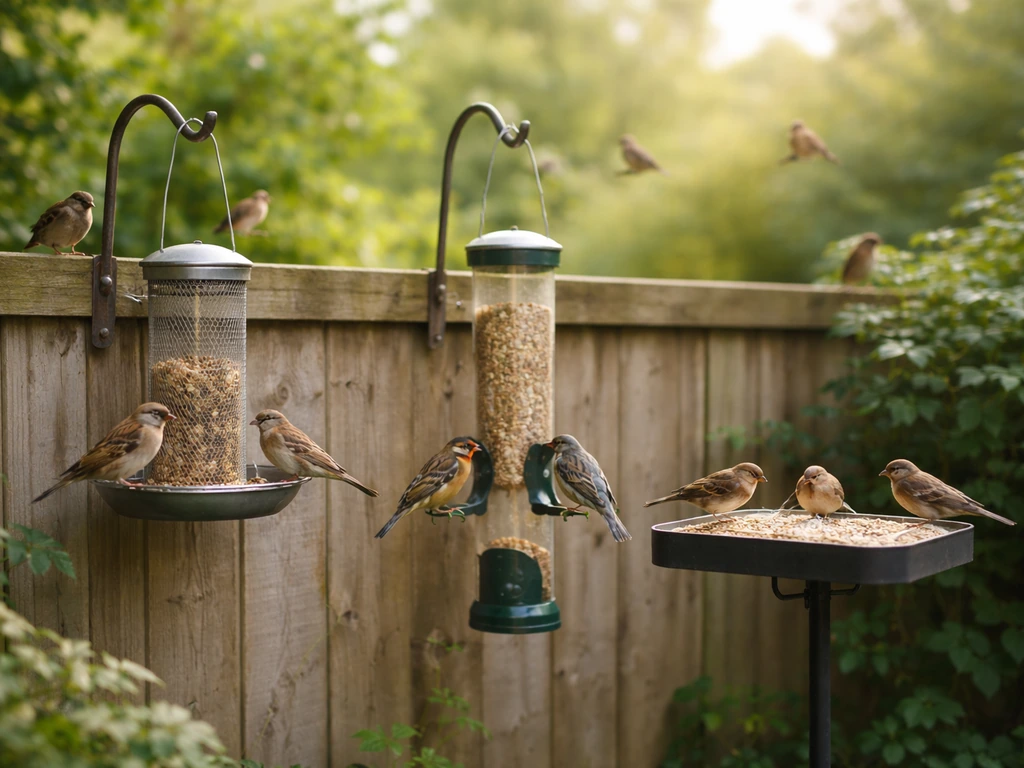
Best Bird Feeders Reviews UK: Standard and Camera Picks
UK bird feeder and feeder-camera picks with reviews: squirrel-proof, easy-clean, durable, and best for your target speci
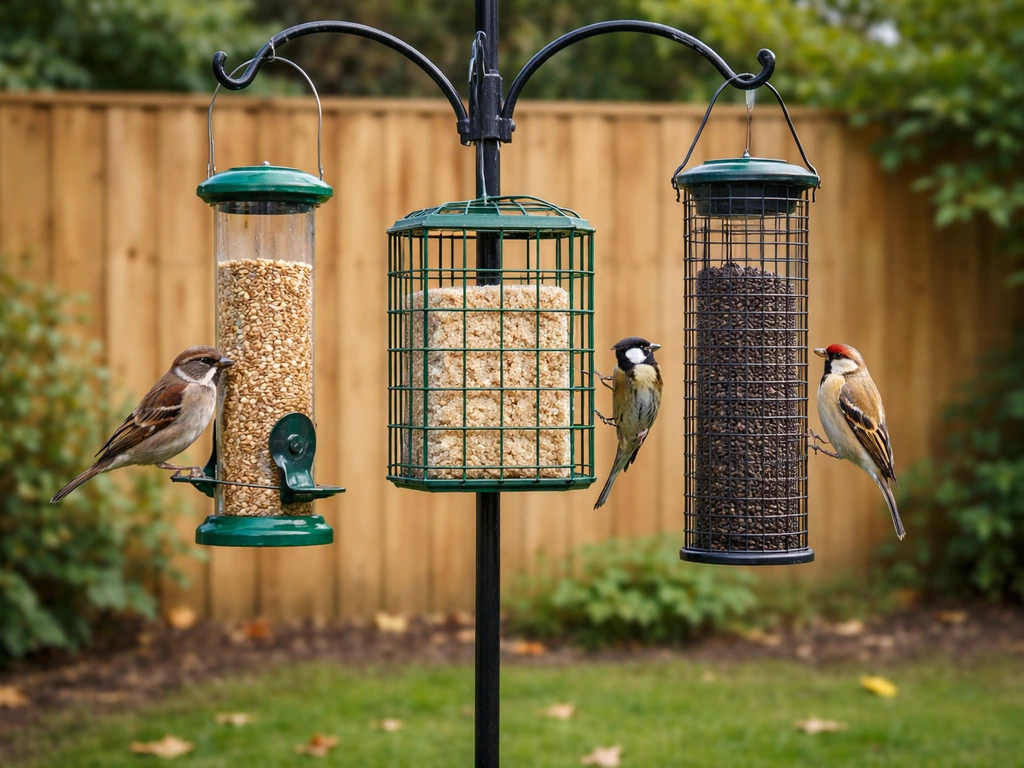
Best Wild Bird Feeders UK: Buying Guide and Smart Options
UK guide to the best wild bird feeders: match species and seed, avoid mess and squirrels, choose durable and smart optio
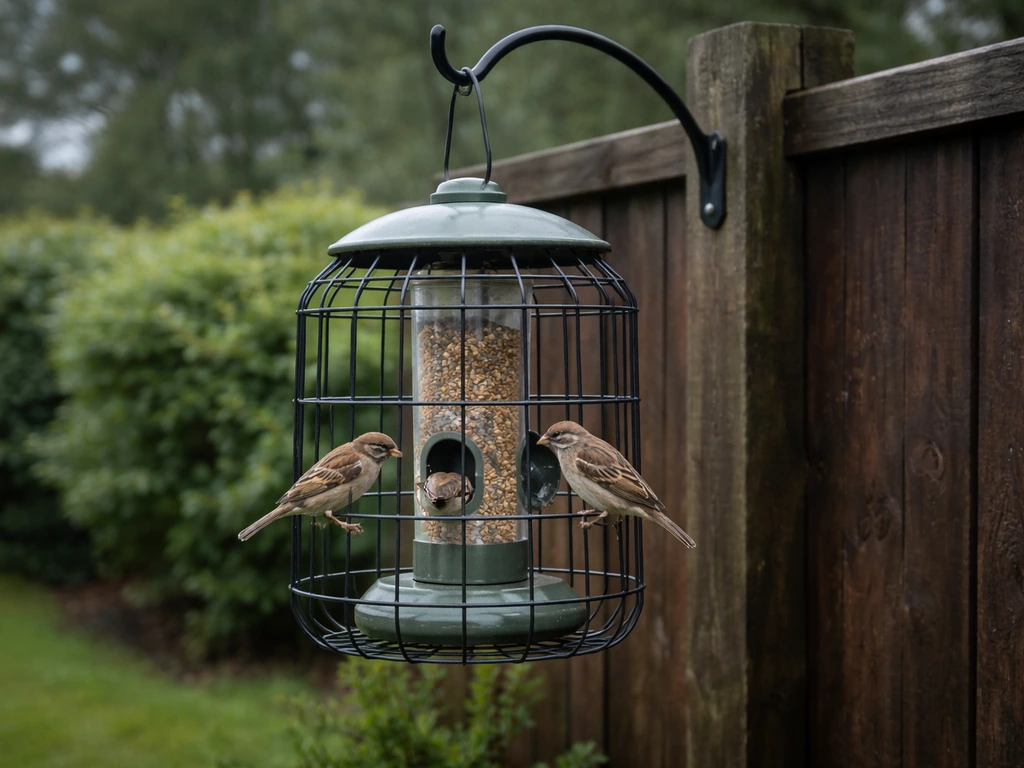
Best Hanging Bird Feeders UK: Buy Guide and Top Picks
Top UK hanging bird feeders: choose squirrel proof, easy to clean designs and match to finches, songbirds and more.