If you searched 'best-1 bird feeder,' you might actually be looking for two different things: the Best-1® brand (a well-regarded hummingbird feeder made in Texas with a loyal following) or simply the top overall pick for your backyard. This guide covers both. If you want the Best-1® hummingbird feeder specifically, it earns its reputation as a simple, durable, easy-to-clean nectar feeder. But if you're after the single best bird feeder to buy today regardless of brand, the answer depends heavily on which birds you want, what problems you're dealing with (squirrels, grackles, weather), and how much setup you're willing to do. The good news: once you match your feeder type to your target birds, the right choice becomes obvious fast. If you want the best results, use these criteria to narrow down which bird feeders are best for the species you actually want.
Best 1 Bird Feeder Buying Guide: Top Pick for Any Backyard
What 'Best-1 Bird Feeder' Actually Means
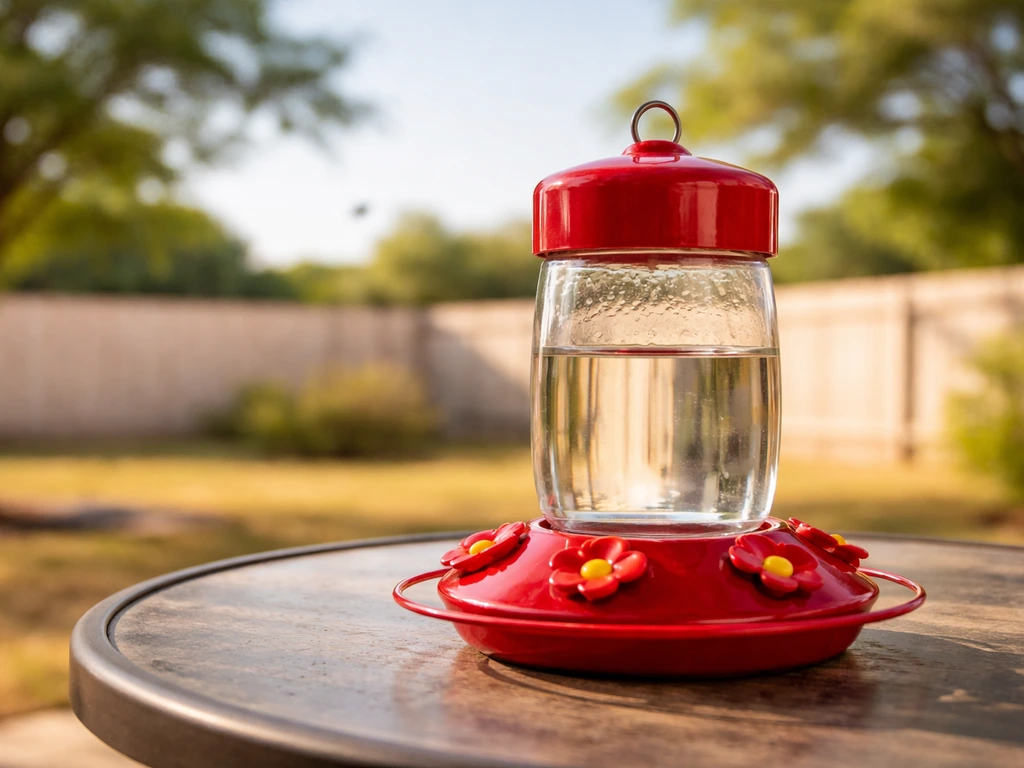
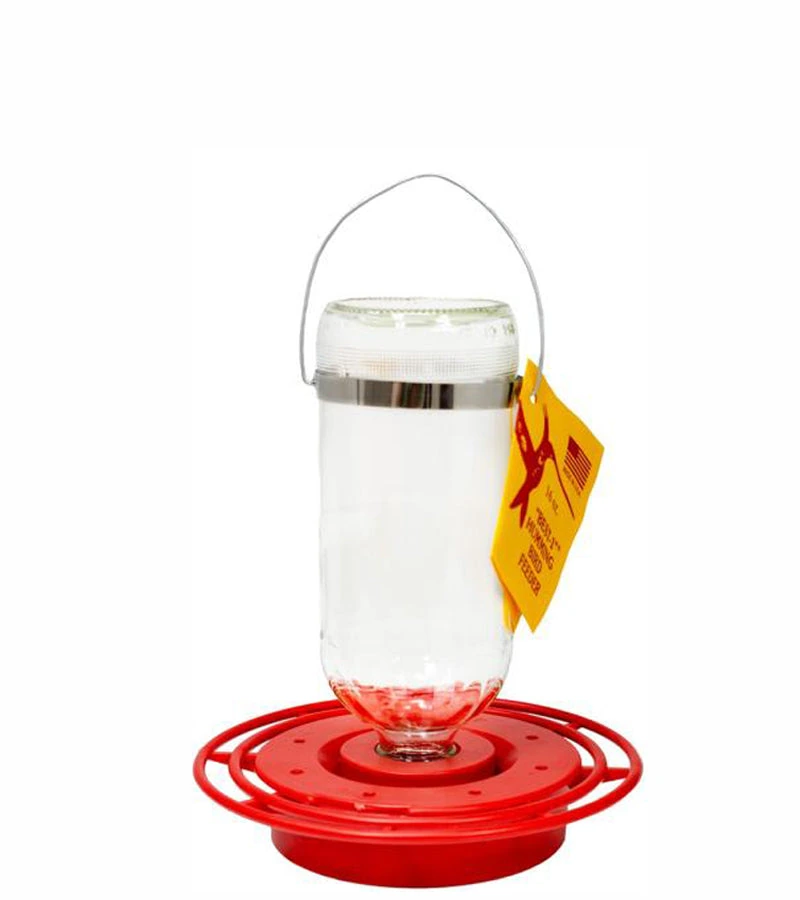
The hyphenated, capitalized 'Best-1®' is a real brand name, not just a ranking phrase. Best-1® feeders are manufactured in Texas and are especially known in the hummingbird feeder space. Retailers like Stark Bro's and specialty shops like Hummingbird Market of Tucson carry the line, and the brand leans into the name directly: there's 'only one Best-1®,' as their marketing puts it. If that's what you're after, you're looking at a straightforward, glass-and-plastic nectar feeder that's easy to disassemble, holds up well to sun and heat, and has a devoted user base among hummingbird enthusiasts.
On the other hand, plenty of people type 'best-1 bird feeder' simply meaning 'the number one best bird feeder out there.' That search intent is what most of this guide is built around. Whether you're a casual backyard watcher or someone who's gone through three broken feeders already, this guide will help you land on a confident top pick for your specific situation today.
Choosing the Right Feeder Type for Your Backyard Birds
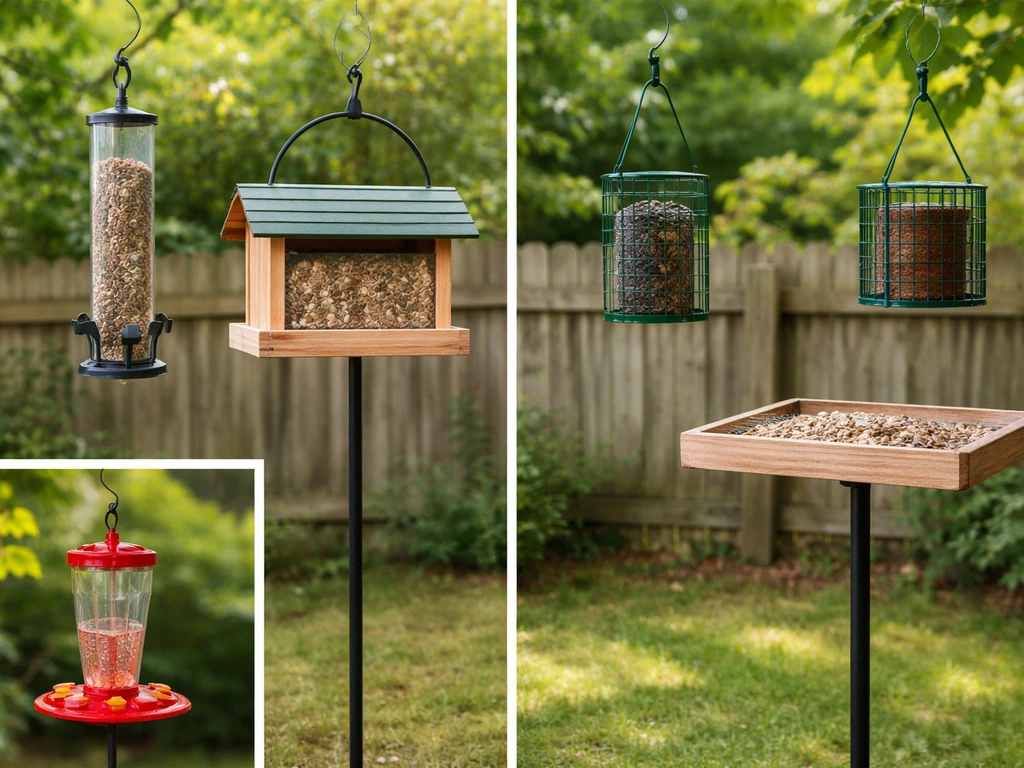
The feeder type you choose is probably the most important decision you'll make, because the wrong type can attract the wrong birds (or no birds at all). Tube feeders, hopper feeders, platform feeders, suet cages, and specialty nectar feeders each serve a different mix of species. Pick the one that matches who you actually want visiting. To find what bird feeders birds like best, match the feeder type and food to the species you want to attract.
| Feeder Type | Best For | Seed/Food | Watch Out For |
|---|---|---|---|
| Tube feeder | Chickadees, finches, nuthatches, titmice | Black-oil sunflower, nyjer/thistle | Ports can clog; needs regular cleaning |
| Hopper feeder | Cardinals, jays, sparrows, larger species | Black-oil sunflower, mixed seed | Grackles and squirrels love these too |
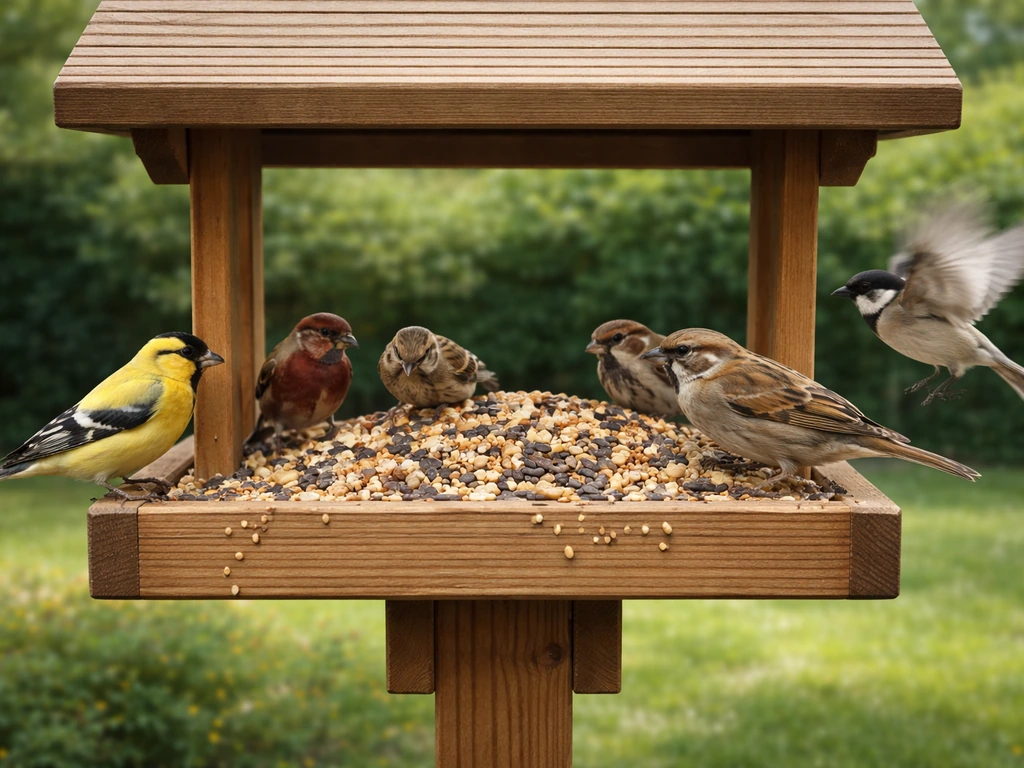
| Platform/tray feeder | Ground feeders: doves, juncos, sparrows | Mixed seed, sunflower, millet | Exposed to rain, droppings; cleans out fast |
| Suet cage | Woodpeckers, nuthatches, chickadees, starlings | Suet cakes | Starlings can dominate; use upside-down cages |
| Nyjer/finch tube | American goldfinches, house finches, siskins | Nyjer (thistle) seed | Seed goes stale; buy fresh in small batches |
| Nectar/hummingbird feeder | Ruby-throated and other hummingbirds | Sugar water (1:4 ratio) | Must clean every 2-3 days in heat |
Tube feeders are the most versatile starting point for most backyards. They attract a wide range of small to medium birds and can be paired with different seed types to shift who shows up. Hopper feeders bring in larger birds including cardinals, but they also invite bigger problems like jays, grackles, and squirrels. Platform feeders are great if you love doves and ground-feeding sparrows, but they require more frequent cleaning because everything lands on top of the food. Suet cages are the go-to for woodpeckers and nuthatches and work best hung on or near a tree trunk. If hummingbirds are your focus and you want the Best-1® brand specifically, it fits squarely in the nectar feeder category.
Key Buying Criteria: Durability, Weather, and Capacity
After going through a few feeders that cracked, warped, or rusted, I've learned to prioritize three things: material quality, how well it handles rain and sun, and whether it actually holds enough seed to avoid daily refills.
Material and Build Quality
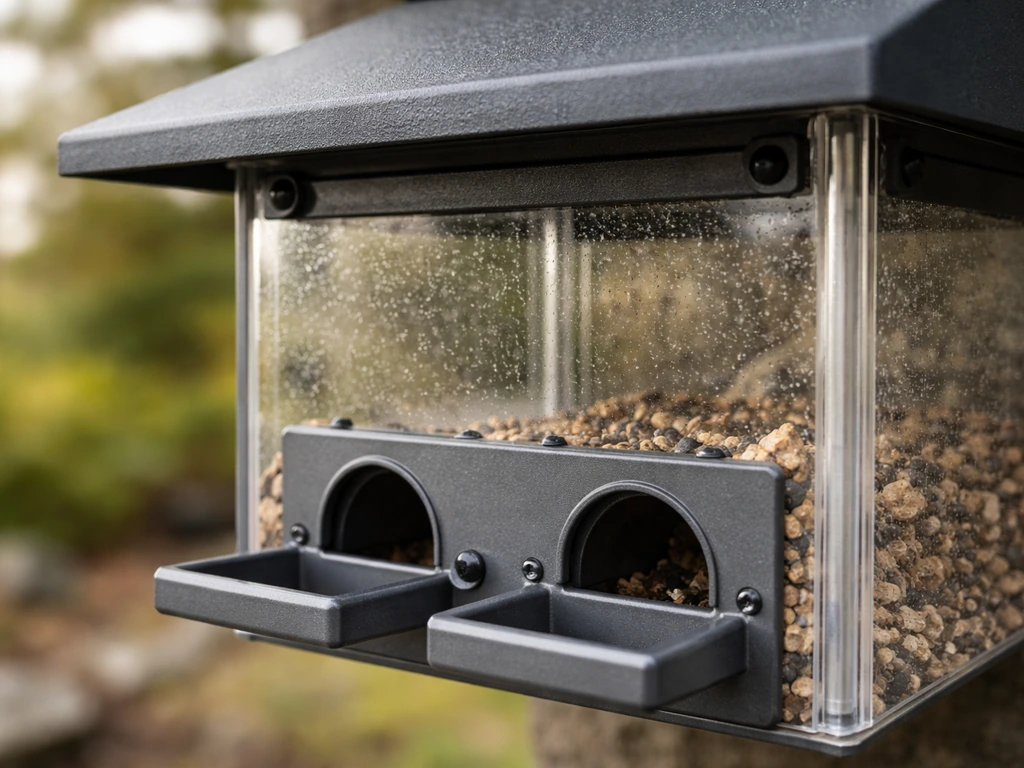
Metal and thick polycarbonate feeders outlast cheap thin plastic by years. Look for UV-resistant materials if the feeder will hang in direct sun. Powder-coated steel ports and perches resist rust and hold up better than plated hardware. Glass nectar feeders (like those in the Best-1® line) handle heat better than plastic ones, which can warp and leak. For seed feeders, check that the ports and trays don't have exposed seams where mold can hide because that's the first thing that makes birds stop visiting.
Weather Resistance
A feeder with a roof or weather guard matters more than people think. Even a small overhang keeps seed dry and reduces waste significantly. Tube feeders with drainage holes in the tray prevent seed from sitting in standing water. If you live somewhere with heavy rain, a domed squirrel baffle doubles as a rain shield. For nectar feeders in hot climates, look for models that allow you to hang them in partial shade, since heat speeds up nectar fermentation and you'll be cleaning and refilling constantly if you don't.
Fill Capacity
Capacity is a real quality-of-life issue. A small tube feeder with a 1-cup reservoir needs refilling every day or two during peak season. A hopper feeder with a 5-to-8-pound capacity gives you breathing room. That said, don't buy the biggest feeder just to avoid refilling. Seed sitting in a feeder for more than a week in humid or warm weather starts to mold, which is bad for the birds. Match capacity to how many birds you're actually getting, and refill on a regular schedule rather than just topping off.
Predator-Proofing and Anti-Squirrel/Grackle Strategies
Squirrels destroyed my first decent feeder within two weeks. The baffled pole setup I switched to has held up for years. Here's what actually works.
The Baffle-and-Pole Method
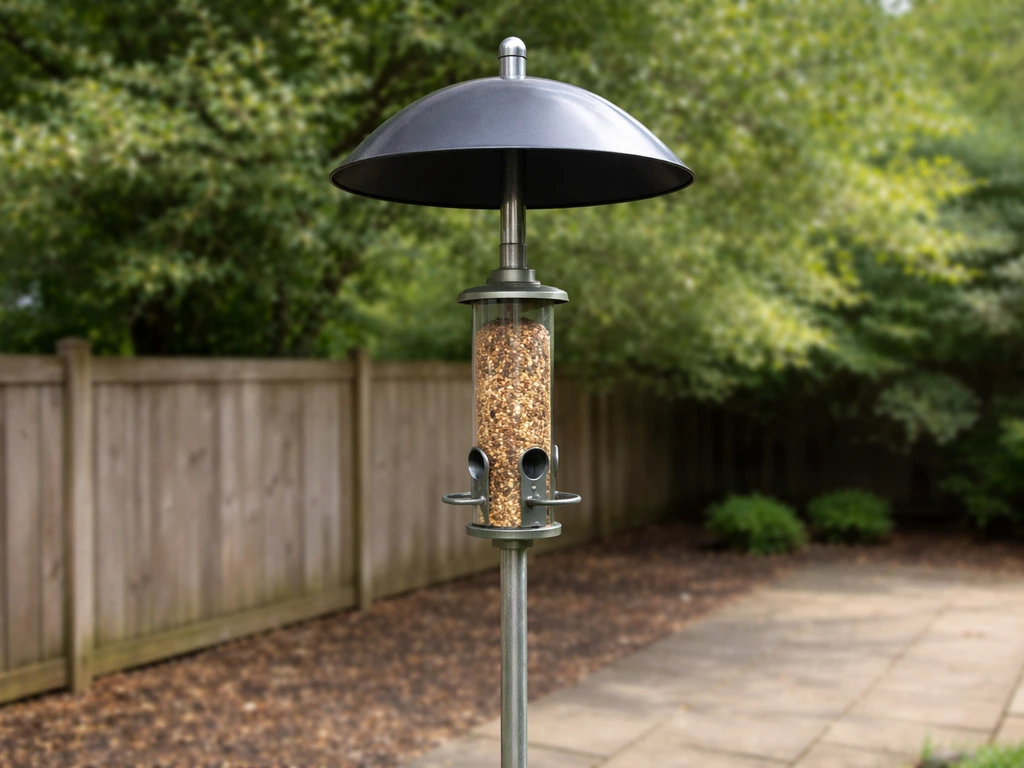
A smooth metal pole with a quality squirrel baffle is the most reliable squirrel deterrent available. The key is placement: the feeder needs to be far enough from any jumping-off point (trees, fences, structures) that a squirrel can't just leap over the baffle. Audubon recommends keeping feeders at least 10 feet from any surface a squirrel can launch from. The baffle should sit high enough on the pole that the squirrel can't reach above it while clinging from below. This combo isn't perfect, but it's as close as you'll get.
Weight-Activated and Caged Feeders
When pole placement isn't an option, weight-activated feeders close their ports when anything heavier than a small songbird lands on them. They work well for squirrels and for larger bully birds. Caged tube feeders take a different approach: a wire cage surrounds the feeder with openings small enough for chickadees and finches but too tight for squirrels and larger birds. Both options are legitimate alternatives to the pole-and-baffle setup, depending on your space.
Dealing with Grackles
Grackles are a different problem from squirrels. They're smart, persistent, and travel in flocks that can empty a feeder in minutes. A few strategies that actually help: use a weight-activated feeder set for a lighter threshold, switch to safflower seed (grackles tend to dislike it but cardinals love it), or use a caged feeder that excludes larger birds entirely. Upside-down suet feeders also help because grackles struggle to feed hanging upside down while woodpeckers and nuthatches have no problem.
Mounting and Placement for Reliable Visits
You can have the best feeder on the market and get zero birds if it's in the wrong spot. Placement affects both bird comfort and predator exposure.
- Height: Most seed feeders work best at 5 to 6 feet off the ground, high enough to deter cats and give birds a clear sightline, low enough to refill easily.
- Distance from cover: Place feeders 10 to 12 feet from shrubs or brush so birds have a quick escape route but squirrels can't launch from the cover.
- Window collision risk: If hanging near a window, either keep the feeder within 3 feet (too close for a bird to build speed) or more than 30 feet away.
- Spacing between feeders: Keep multiple feeders at least 5 to 6 feet apart to reduce competition and give more timid species a chance to feed without being chased off.
- Suet feeders: Mount these on or near a tree trunk at about 5 feet, which mimics the natural feeding position woodpeckers prefer.
- Hummingbird feeders: Hang in partial shade if possible, especially in hot climates, and avoid placing near other active feeders since hummingbirds are territorial.
Ground-feeding platform trays are the exception. blank" rel="noopener noreferrer">Set them at or near ground level on a stable surface, away from dense ground cover where cats can hide. If you're using multiple feeder types at different heights, you'll naturally attract a broader range of species, which ties directly into the question of which feeder attracts the most birds overall. If you want the fastest way to decide which bird feeder attracts most birds, start by matching feeder type to your most likely species which birds you want.
Species-Specific Recommendations and Setups
Once you know which birds you want, the feeder choice and setup becomes very specific. Here's how I'd set things up for the most common backyard target species.
Cardinals
Cardinals are hopper or platform feeder birds. They're bigger than most tube-feeder species and prefer to perch on a solid surface while eating. Load the feeder with safflower seed or black-oil sunflower, both of which cardinals favor. The thick shell of safflower seed also naturally discourages grackles and starlings, which is a nice bonus. Place the feeder near shrubs or tree cover since cardinals like to stage before coming in.
Woodpeckers
Suet cages are the clear winner for attracting downy, hairy, and red-bellied woodpeckers. Mount the cage on a tree trunk or a post at about 5 feet. If starlings are a problem, switch to an upside-down suet cage, which woodpeckers can use easily but starlings avoid. Peanut feeders also work well for woodpeckers and give them a second reason to visit your yard.
Finches
American goldfinches and house finches respond best to nyjer (thistle) seed in a dedicated finch tube feeder with small ports, or a mesh sock-style feeder. The small port size naturally excludes larger birds. Buy nyjer seed in smaller quantities and replace it every few weeks because it goes stale quickly and finches will abandon a feeder with old seed.
Hummingbirds
For hummingbirds, feeder design and nectar freshness matter more than almost anything else. The correct nectar ratio is 1 part white granulated sugar to 4 parts water. Don't use honey, artificial sweetener, or red dye. The Best-1® brand feeders are a solid choice here: they're glass-bodied, easy to disassemble, and hold up well in heat. Clean and refill every 2 to 3 days in summer, every 4 to 5 days in cooler weather. Place the feeder in partial shade and away from other busy feeders to respect the territorial nature of hummingbirds.
Mixed Songbirds (Chickadees, Nuthatches, Titmice, Sparrows)
A tube feeder loaded with black-oil sunflower seed is the single best feeder for drawing in a diverse mix of small to medium songbirds. Black-oil sunflower has a thin shell that most small birds can crack, a high fat content that birds need, and broad appeal across more species than any other seed type. If you only buy one feeder and want the most variety, this is your starting point.
Smart and AI Feeder Options: When They're Worth It
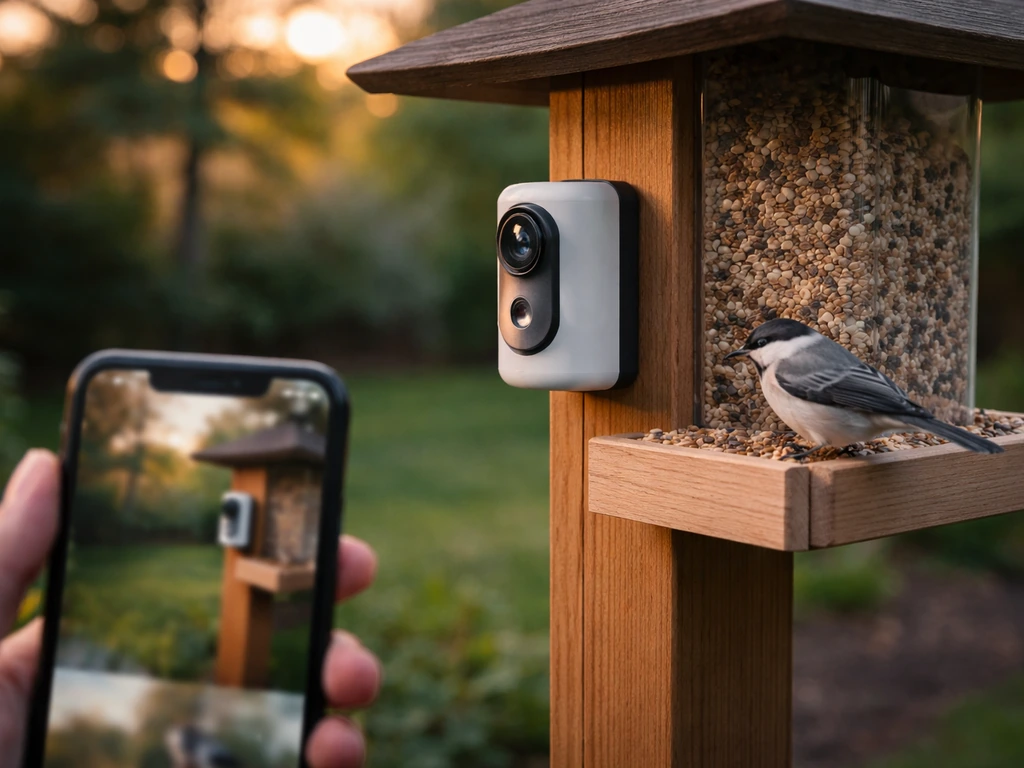
Smart bird feeders with cameras and AI species identification have genuinely gotten better, but they come with real trade-offs you should know before spending the extra money.
The main players right now are BirdBuddy, Birdfy (Netvue), and FeatherSnap. All three use a camera mounted in or on the feeder to capture photos or video when a bird visits. The AI identification feature recognizes species and logs visits in an app. It's genuinely fun and useful if you're getting started with bird ID or just enjoy seeing what showed up while you were at work.
The honest trade-off is cost and subscription dependency. BirdBuddy and Birdfy both have tiered subscription models where the full AI identification experience requires a paid plan. Birdfy offers a 'Lifetime Free AI' tier with basic recognition built in, while more advanced detection requires a subscription. BirdBuddy has faced community complaints about moving automatic identification behind a paywall. FeatherSnap requires a data plan subscription as well. Misidentification is also still a real issue with all of these systems, especially for less common species or poor lighting conditions.
A smart feeder makes the most sense if you're genuinely curious about species ID and want a log of what's visiting, or if you want to monitor your yard remotely. If you just want birds to show up consistently and aren't interested in the tech side, a well-built mechanical feeder with a good baffle setup will outperform any smart feeder in terms of pure bird-attracting value per dollar. The smart feeder is an add-on for engagement, not a replacement for good feeder fundamentals.
Making Your Final Pick Today
Here's how to cut through the noise and make a confident decision. If hummingbirds are your target and you want a proven, fuss-free nectar feeder, the Best-1® glass hummingbird feeder earns its name. It's simple, durable, and widely available. For everyone else, match your pick to this framework:
- Decide which birds you actually want. Cardinals and jays need a hopper or platform. Finches need a tube or mesh feeder with nyjer. Woodpeckers need suet. Mixed songbirds do best with a black-oil sunflower tube feeder.
- Address your worst problem first. Squirrels? Start with a baffled pole setup before buying any feeder. Grackles? Go caged or weight-activated. Rain and wind? Prioritize a feeder with a roof and drainage.
- Pick the right seed. Black-oil sunflower is the most versatile starting seed for a mixed flock. Safflower for cardinals while deterring grackles. Nyjer for finches. Suet cakes for woodpeckers. Sugar water (1:4) for hummingbirds.
- Get the placement right. Five to six feet off the ground, at least 10 feet from launching points for squirrels, with escape cover nearby but not directly under the feeder.
- Add smart features only if the tech appeals to you. Don't let the camera upgrade distract from the fundamentals above.
The 'best-1' feeder for your yard is the one that matches your birds, solves your biggest challenge, and fits where you can actually put it. After you narrow down the bird types you want to attract, you can use these criteria to find what is the best bird feeder for your backyard. Get those three things right and you'll have consistent visitors within a week or two of setup.
FAQ
Is “Best-1 bird feeder” a brand or just a ranking term?
It can be either. “Best-1®” (capitalized, hyphenated) is a specific hummingbird-nectar brand, while “best-1 bird feeder” in a search often means “the top bird feeder overall.” If you want hummingbirds specifically, double-check you are buying the Best-1® nectar model, not a general “number one” product.
What’s the fastest way to figure out which feeder type will work in my yard?
Start with your most reliable target species (for example, cardinals for hopper or platform, woodpeckers for suet cages, finches for finch tube feeders, hummingbirds for nectar). Then confirm you can support the feeder type safely, especially with placement and predator protection like baffling, caged designs, or near-tree mounting for suet.
How close should I place feeders to each other to avoid conflict between species?
Give hummingbirds their own zone. Keep nectar feeders spaced away from busy seed feeders to reduce territorial chasing. For seed feeders, avoid stacking multiple types too tightly if you notice one species repeatedly blocking access, since that can reduce overall diversity.
How do I prevent mold or stale seed when I cannot refill daily?
Choose capacity based on your climate and bird traffic, not just “largest.” In humid or warm weather, reduce how long seed sits by setting a refill calendar (for example, weekly instead of “topping off”). Also make sure the feeder has a good weather design (roof, drainage, and sealed seams) so moisture cannot collect inside ports or trays.
Do weight-activated and caged feeders actually help with grackles and squirrels long-term?
They can, but they only work if the device is tuned to your feeder setup and local bird behavior. Weight-activated models should be adjusted so small birds can still trigger open ports, while grackles and squirrels are kept out. With caged tube feeders, check the cage openings match the small species you want, because overly small openings can deter the birds you are trying to attract.
What’s a safe rule for baffle placement if I have limited pole height?
Aim for a baffle height that prevents a squirrel from reaching over while clinging below. Also remove nearby “launch points,” like tree limbs, fences, or shrub branches. Even a great baffle fails if a squirrel can jump from a close surface and land above the barrier.
Why do birds sometimes stop visiting even after I set up the feeder correctly?
Most commonly it is contamination, mechanical wear, or poor maintenance. Check for wet seed trapped in trays, mold in seams, or nectar that is fermenting (especially in heat). Also inspect for cracks and warped parts that create gaps, since birds will avoid feeders that no longer feel stable or safe.
What nectar ratio should I use for a hummingbird Best-1® feeder?
Use 1 part white granulated sugar to 4 parts water. Avoid honey, artificial sweeteners, and red dye, because they can increase health risks and cloud or destabilize nectar. If it is hot, plan on more frequent cleaning and refilling, since nectar can spoil quickly even if birds still visit.
How often should I clean each feeder type to keep birds coming back?
Don’t rely on “looks clean” only. Nectar feeders commonly need rinsing and refilling every 2 to 3 days in summer and every 4 to 5 days in cooler weather. Seed feeders should be cleaned on a regular interval, and sooner if you notice dampness, sour smells, or visible debris on perches and trays.
Should I use safflower seed or sunflower for stubborn visitors like grackles?
Safflower is a good choice when you want to reduce grackle and starling pressure, especially for cardinals that still like it. If you want maximum overall songbird diversity, black-oil sunflower is usually better, but it will attract more “bully” birds too. Pick based on whether your biggest goal is variety or control.
Is a smart bird feeder worth it compared with a mechanical feeder?
It makes sense if you want identification logs and remote monitoring, not if your main goal is simply attracting birds reliably. Smart feeders can misidentify species in low light and may require subscriptions for full features, so keep them as an add-on. For pure bird-attracting value per dollar, a well-built feeder with correct baffles and food choice typically outperforms.
What should I do if my feeder attracts the wrong birds?
Re-target the food and feeder design rather than abandoning the setup. Switch seed type (for example, use safflower to deter certain unwanted species), adjust feeder type (caged vs open, platform vs tube), and change placement if larger birds can dominate from certain perches. Small design tweaks often fix the problem without replacing everything.
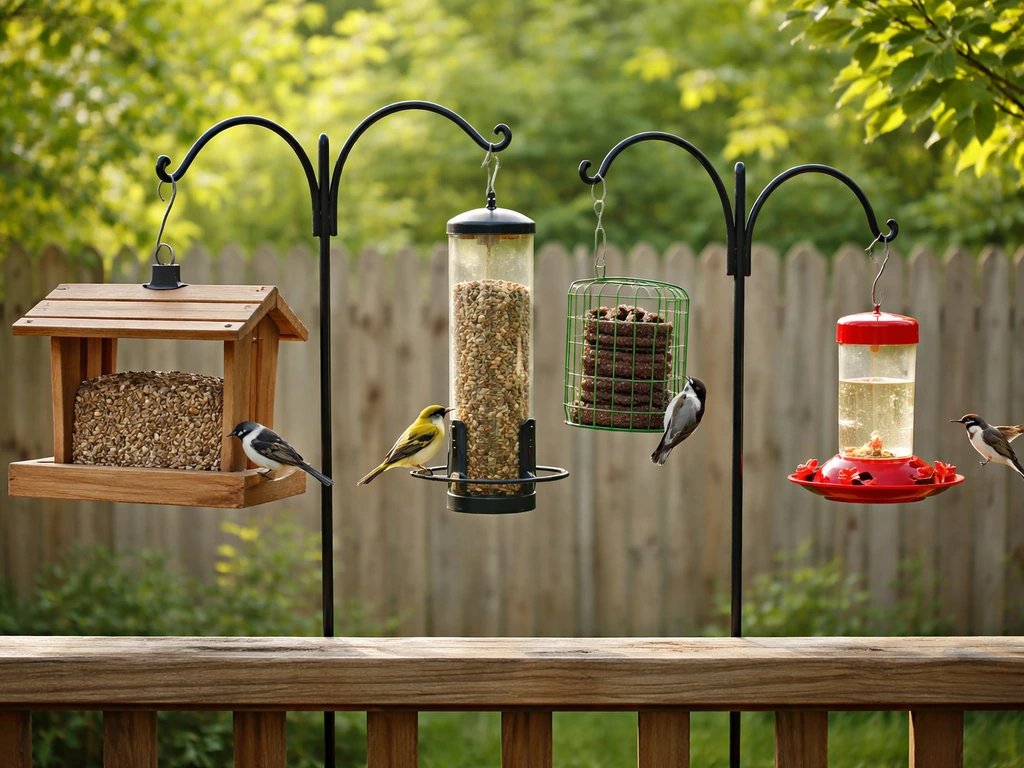
Match feeder types and foods to birds fast, with setup, squirrel-proofing, and troubleshooting tips for target species.
Compare bird feeder types by species and food, plus durability, placement, squirrel and grackle control, and smart optio
Discover which bird feeder attracts the most birds, plus species-specific picks, placement, pest proofing, and setup tip