The best bird feeders depend almost entirely on what you're trying to accomplish: tube feeders with metal ports are the workhorses for mixed seed and resist squirrel damage better than plastic-only versions, hopper feeders attract the widest variety of species, hummingbird feeders need to be red-accented glass or hard plastic and cleaned every two to three days in warm weather, and nyjer tube or mesh sock feeders are the go-to for goldfinches. If you want one feeder that does the most, a weight-activated squirrel-proof tube or hopper on a baffled pole is the single best investment for most backyards. Everything below will help you narrow it down by species, budget, and how much hassle you're willing to deal with.
Which Bird Feeders Are Best: Types, Species, and Smart Options
Marcus Holloway
1 Jun 2026
Quick picks: best feeders by feeding style
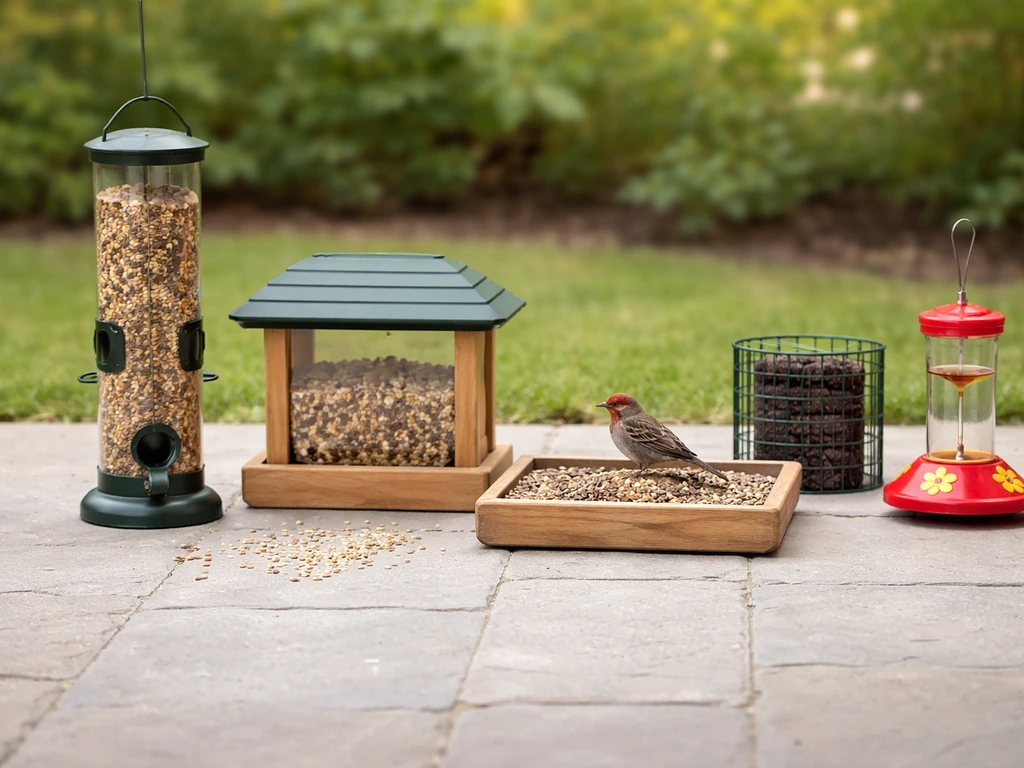
Before you get into species and setup details, here's a fast breakdown of the strongest feeder type in each category. These are the formats I keep coming back to after testing a lot of options across different seasons and yard setups.
| Feeding Style | Best Feeder Type | Why It Works |
|---|---|---|
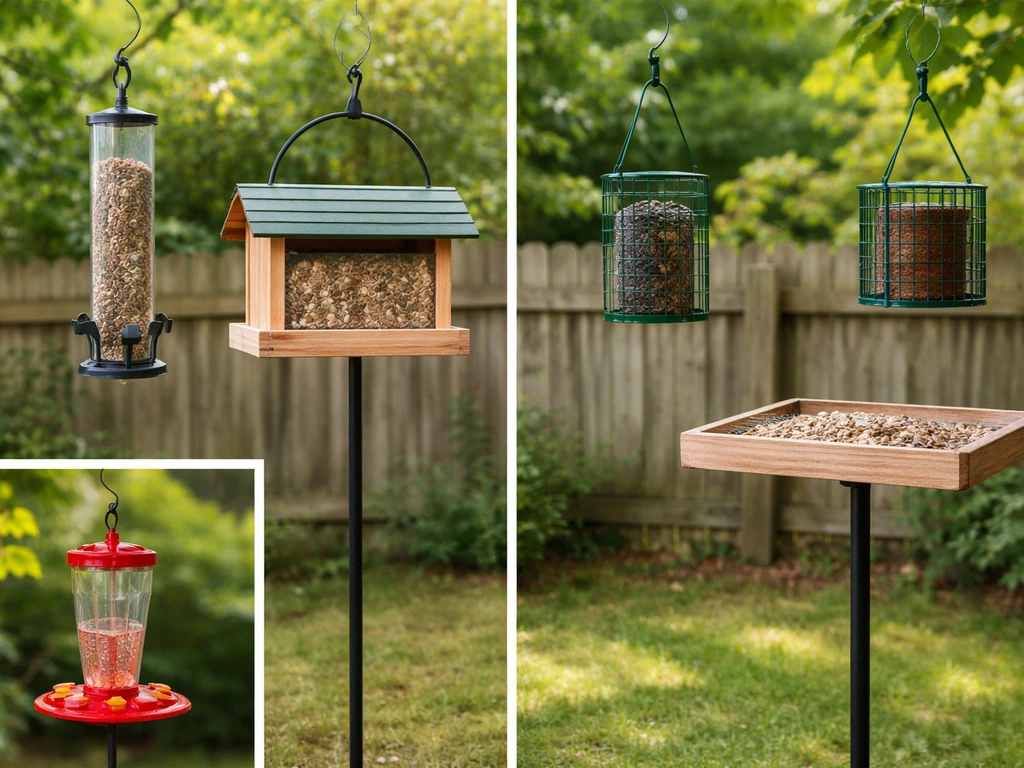
| Mixed seed (general) | Tube feeder with metal ports | Durable, squirrel-resistant ports, works for multiple species |
| Sunflower/hulled seed | Hopper or platform feeder | High capacity, attracts cardinals, jays, chickadees, and more |
| Suet | Wire cage suet feeder | Simple, weather-resistant, easy to load; clings attract woodpeckers |
| Nyjer/thistle | Tube finch feeder or mesh sock | Tiny ports keep nyjer in, designed specifically for finches and siskins |
| Nectar | Bottle or saucer hummingbird feeder | Red accents attract hummingbirds; saucer style is easiest to clean |
| Ground-feeding birds | Platform/tray feeder (low mount) | Attracts doves, sparrows, juncos; mimics natural foraging |
If you're just starting out and only want to buy one thing, get a quality tube feeder with metal-reinforced ports and fill it with black-oil sunflower seed. That combination will attract more species than almost anything else in the yard, and you'll have a foundation to build on as you figure out which birds you want to target.
If you want a single place to start, look for the best bird feeder to attract birds based on the types you want and the conditions in your yard. As a quick rule of thumb, most birds seem to like tube and hopper feeders stocked with black-oil sunflower seed, since it works for a wide range of backyard species what bird feeders do birds like best.
If you're still wondering which bird feeder attracts most birds, aim for a tube or hopper setup filled with black-oil sunflower seed.
Matching feeders to the birds you actually want
The single biggest mistake people make is buying a feeder first and hoping the right birds show up. It works the other way around: know your target species, then buy the feeder and seed that match them. Here's how to think about the most popular backyard birds.
Goldfinches and other finches
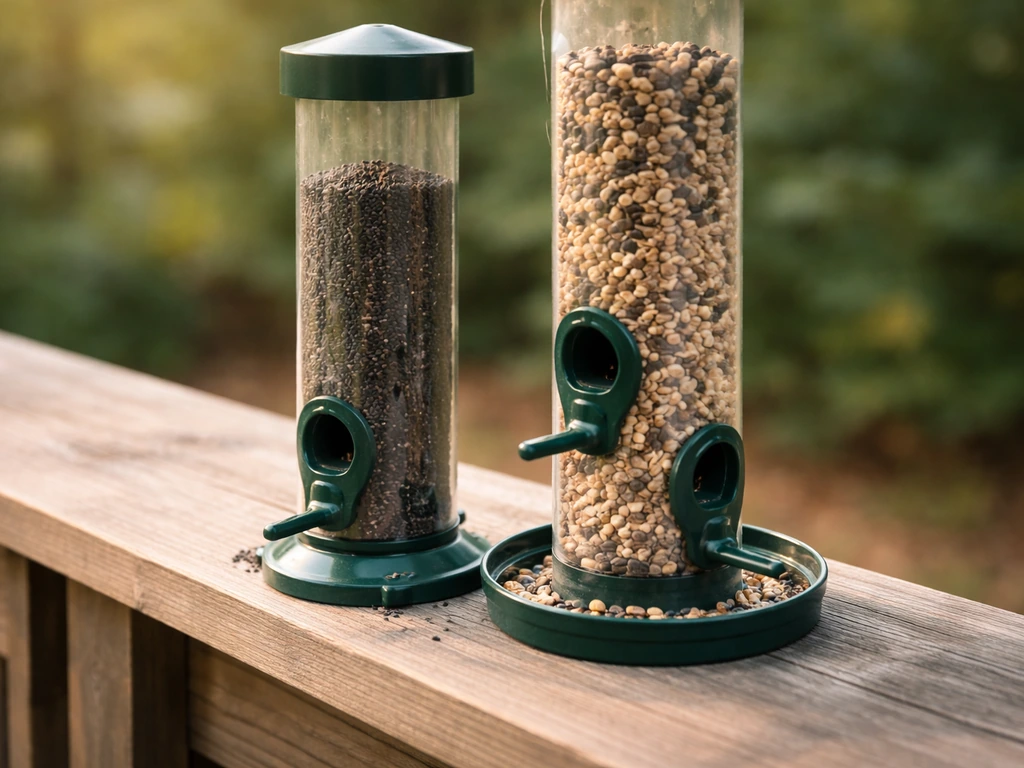
American goldfinches are nyjer specialists. They want small, narrow ports that match the tiny nyjer (thistle) seed, and they'll largely ignore a standard tube feeder loaded with sunflower. Your two best options are a dedicated nyjer tube feeder with multiple small ports and perches, or a thistle sock mesh bag. The sock style is cheaper and works well in season, but it degrades faster in UV and rain. A quality tube finch feeder, like designs with a built-in metal seed baffle that keeps seed concentrated near the lower ports (so it doesn't go stale at the bottom), lasts much longer and is easier to keep sanitary. House finches and purple finches will also use these feeders readily.
Hummingbirds
Hummingbirds feed roughly every 10 to 15 minutes, so feeder placement and freshness matter enormously. The nectar recipe is straightforward: one part plain white refined sugar to four parts tap water, boiled and cooled. Skip the red dye entirely. Red on the feeder itself is what attracts them, and most hummingbird feeders already have red ports, flowers, or bases.
The real decision is between bottle-style and saucer-style feeders. Bottle feeders hold more but are harder to clean thoroughly. Saucer-style feeders are shallower, simpler to rinse out, and I honestly think they're the better choice for anyone who's serious about keeping nectar fresh. In hot weather, you need to clean and refill every two to three days minimum, and a saucer makes that task fast enough that you'll actually do it.
For territories: if hummingbirds are chasing each other away from a single multi-port feeder, try switching to four small single-port feeders placed around different sides of your yard instead of one large one. They're territorial enough that the spread-out approach often results in more birds overall.
Cardinals
Cardinals are larger birds and don't do well clinging to narrow tube feeder ports. They want a stable perch and room to sit while they eat. Hopper feeders and platform or tray feeders are their sweet spot. Cardinals strongly prefer sunflower seed and safflower, and the safflower option has a useful bonus: squirrels and many nuisance birds like grackles tend to avoid it. A tray-style hopper feeder stocked with safflower is one of the better low-drama setups if you're in cardinal territory.
Woodpeckers
Woodpeckers are suet birds first. A basic wire-cage suet feeder is all you need to start attracting downy, hairy, and red-bellied woodpeckers. Some designs have a tail-prop extension at the bottom, which helps larger woodpeckers like pileated or flicker brace themselves while feeding. Woodpeckers will also visit feeders with shelled peanuts, and a dedicated peanut feeder (wire mesh cylinder style) is worth adding if you have multiple woodpecker species in the area. For suet, go with caged feeders that have metal frames rather than all-plastic, since woodpeckers are aggressive feeders and the plastic versions get beaten up quickly.
Chickadees, nuthatches, and titmice
These small, acrobatic birds are the easiest to attract and the most feeder-tolerant. They'll use tube feeders, hopper feeders, suet cages, and peanut feeders. Black-oil sunflower seed is the universal crowd-pleaser for this group. They're also comfortable clinging on almost any design, so this is where feeder type matters less and seed quality matters more.
Doves, sparrows, and ground feeders
Mourning doves and many sparrow species prefer to feed on or near the ground. A low-mount platform or tray feeder, or even seed scattered on a flat rock or ground tray, works well. The downside is that ground-level feeding attracts rats more readily than elevated feeders, so if rodents are a concern in your area, a low tray feeder on a short post (still baffled) is a better compromise than feeding directly on the ground.
Material and build quality: what actually holds up
Feeder material is where a lot of buyers get burned by buying cheap. Here's what I've learned about what lasts and what doesn't.
Metal vs. plastic vs. glass vs. wood
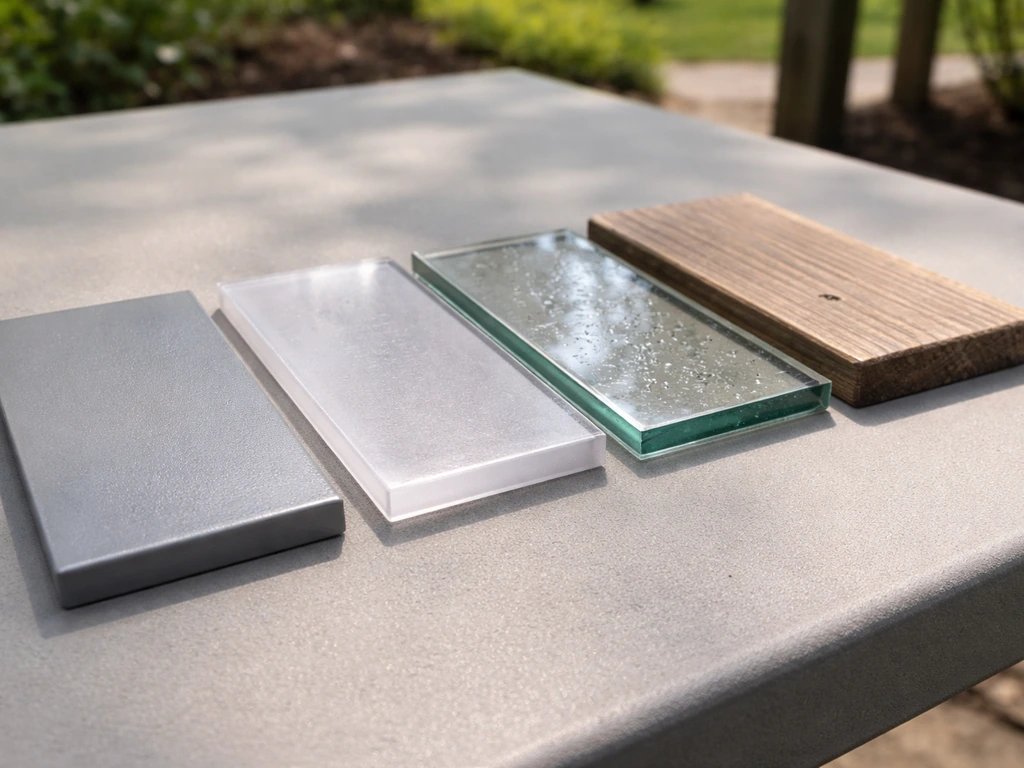
| Material | Durability | Weather Resistance | Ease of Cleaning | Best For |
|---|---|---|---|---|
| Powder-coated steel/aluminum | Excellent | Excellent | Good | Squirrel-proof frames, long-term use |
| Polycarbonate (hard plastic) | Good | Good | Excellent | Tube feeders, hummingbird feeders |
| Recycled plastic (HDPE) | Excellent | Excellent | Good | Hopper feeders, all-weather setups |
| Glass | Good (fragile) | Excellent | Excellent | Hummingbird feeders, aesthetic setups |
| Wood (cedar/pine) | Fair | Fair-Poor | Poor | Hopper feeders; needs regular maintenance |
| Standard thin plastic | Poor | Poor | Good | Budget/short-term use only |
For most people, a feeder with a metal or polycarbonate body and metal-reinforced ports is the right call. Metal ports resist squirrel gnawing that destroys cheaper all-plastic tube feeders within a season. Recycled plastic (HDPE) hopper feeders are genuinely impressive for durability and handle years of outdoor exposure without cracking or fading. Wood feeders look great but require painting, sealing, and more frequent cleaning because seed and moisture get into the grain. Glass hummingbird feeders are easier to clean thoroughly than bottle-style plastic, which is a real advantage given how often they need washing.
Cleaning: easier than you think, if you buy right
Every feeder needs regular cleaning, and the design affects how often you'll actually do it. Tube feeders should disassemble completely so you can reach all the ports and the interior. Hopper feeders with removable trays are much easier to sanitize than sealed wooden hoppers. Saucer hummingbird feeders, as I mentioned, are the easiest of all. A monthly cleaning with a dilute bleach solution (one part bleach to nine parts water) and a thorough rinse is the standard recommendation. In humid summers or wet climates, more frequent cleaning prevents mold from building up in seed and nectar, which can make birds sick.
Dealing with squirrels, rats, grackles, and other problems
I'll be honest: squirrels are a near-permanent problem in most suburban yards, and anyone who sells you a completely foolproof solution is overselling it. That said, you can get very close to squirrel-free feeding with the right combination of approaches.
Squirrels: the pole-and-baffle system
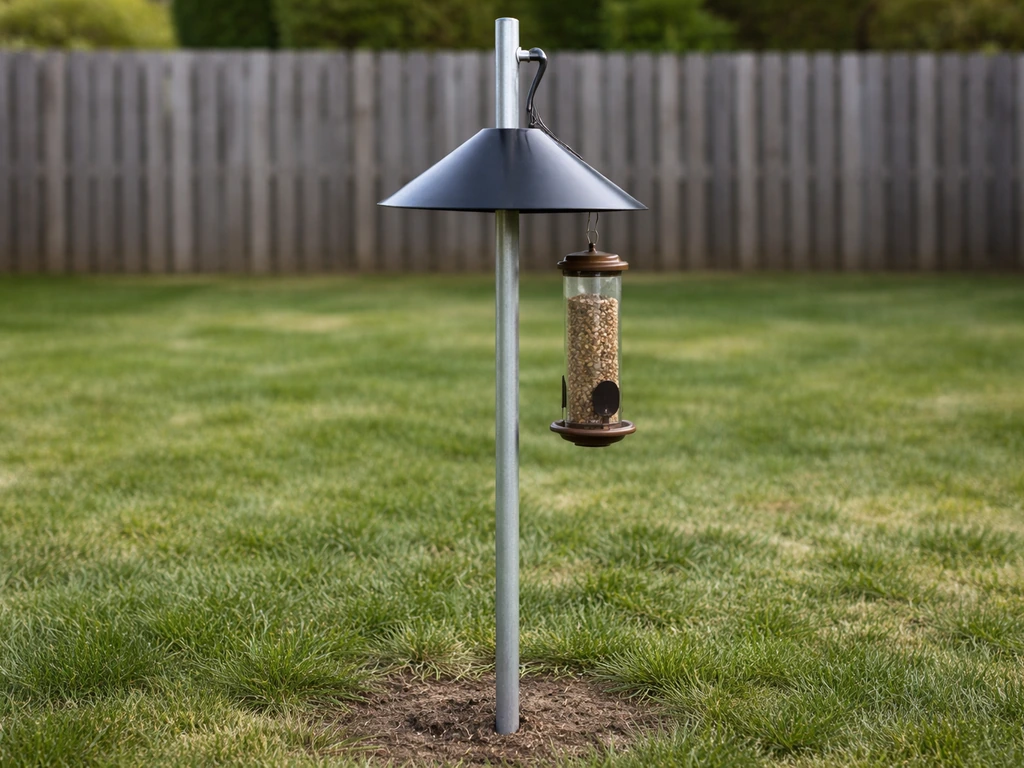
The most reliable method is mounting your feeder on a smooth metal pole with a properly installed baffle. The baffle needs to be attached at least 4 feet above the ground and extend at least 2 feet outward to prevent squirrels from getting past it. The pole itself should be at least 10 feet away from any tree branch, fence, roof, or surface a squirrel can jump from.
Squirrels can jump surprisingly far horizontally, and a lot of baffle setups fail because the feeder is still within leaping distance of a tree. Bowl-shaped baffles below the feeder and cone-shaped baffles above it work best when they're large enough that a squirrel can't reach around or cling to the edge. Many popular metal baffles have a smooth finish that makes it very hard for squirrels to grab on.
Plastic baffles can be gnawed through over time, so metal is the better material here too.
Weight-activated and caged feeders
If the pole-and-baffle setup isn't practical for your yard, weight-activated feeders are the next best option. These close off the seed ports when a squirrel's weight (typically 1.5 to 2 pounds or more) triggers the mechanism, while smaller birds (usually under an ounce for finches, up to a few ounces for cardinals) can feed freely. They work well, but check the weight threshold before buying because some models are also triggered by larger birds like doves. Caged feeders, which surround the seed tube with a wire mesh cage, exclude squirrels and large birds simultaneously, which brings us to the grackle problem.
Grackles, starlings, and large nuisance birds
Grackles and European starlings can dominate feeders and drive out the smaller birds you actually want. A few strategies work well together. First, switch from mixed seed (which grackles love) to safflower or nyjer only. Grackles are not fans of safflower, and nyjer ports are too small for them to use. Second, cage-style feeders with grid spacing of 1.5 inches or less will let chickadees and finches in while blocking most grackles. Third, weight-activated feeders calibrated for small birds can help, though grackles are lighter than squirrels and some models won't trigger on them. The combination of seed choice plus cage feeder design is usually the most effective approach without eliminating birds entirely.
Rats and other rodents
Fallen seed and low-mounted feeders are the primary rat attractants. A few habits help significantly: use no-mess seed blends (hulled sunflower, nyjer) that produce less shell debris on the ground, clean up spilled seed regularly, and avoid ground-level feeding if rats are a known issue. Mounting feeders on poles rather than hanging them from trees also reduces the surface area that rats can climb to reach the food.
Placement and setup: where you put it matters as much as what you buy
A great feeder in the wrong spot won't attract many birds. Placement affects bird safety, pest access, weather exposure, and how comfortable birds feel using the feeder in the first place.
Height and distance from windows
The window collision risk is real and often underestimated. The safest feeder placements are either within 3 feet of a window or 30 feet or more away from it. The logic is counterintuitive: a feeder very close to a window (under 3 feet) means any bird that startles off the feeder and hits the glass hasn't built up much speed, so collisions are far less likely to be fatal.
Feeders placed between roughly 5 and 30 feet from windows are in the danger zone because birds can reach full flight speed before impact. If you're hanging feeders on a porch or just outside a window for viewing, keep them within that 3-foot zone. If you're mounting on a pole in the yard, aim for 30 feet or more from the house.
Around 10 feet works as a practical compromise for many yards, especially with window decals or screens added as backup.
Cover and approach routes
Birds want to feel safe while feeding. Placing feeders within 10 to 15 feet of natural cover like shrubs, trees, or dense plantings gives them an escape route if a predator shows up. But the feeder itself should be in a relatively open spot so birds can see approaching threats. A shrub 10 feet away is ideal; a feeder tucked directly into a dense hedge is less so, because cats can stalk right up to it.
Mounting options
- Pole mount with baffle: The most versatile and pest-resistant option. Smooth metal poles of at least 5 to 6 feet height with a baffle installed at 4 feet work for most yard setups.
- Hanging from a shepherd's hook: Good for lighter feeders, but easier for squirrels to access unless a baffle is also installed on the pole portion.
- Window-mount feeders: Attach directly to glass with suction cups. Excellent for viewing, safe for birds when positioned within 3 feet, but low capacity and need frequent refilling.
- Deck and railing mounts: Clamp-on brackets that attach to deck railings are convenient but tend to place feeders at exactly the height squirrels love. Use a cage or baffle.
- Tree hanging: The easiest setup but the hardest to squirrel-proof. Fine for areas without heavy squirrel pressure or if you're not concerned about squirrel access.
How to get birds to actually come
New feeders can take days to weeks before birds discover them. Patience is genuinely the main thing. A few steps speed up the process: use seed that's appropriate for your region and local species, keep the feeder consistently stocked (birds stop visiting feeders that run empty repeatedly), and add a birdbath nearby if you don't already have a water source. Moving water, like a fountain or dripper attachment, attracts birds faster than still water and can pull in species that wouldn't otherwise visit your feeders.
Smart and AI-powered feeders: are they worth it?
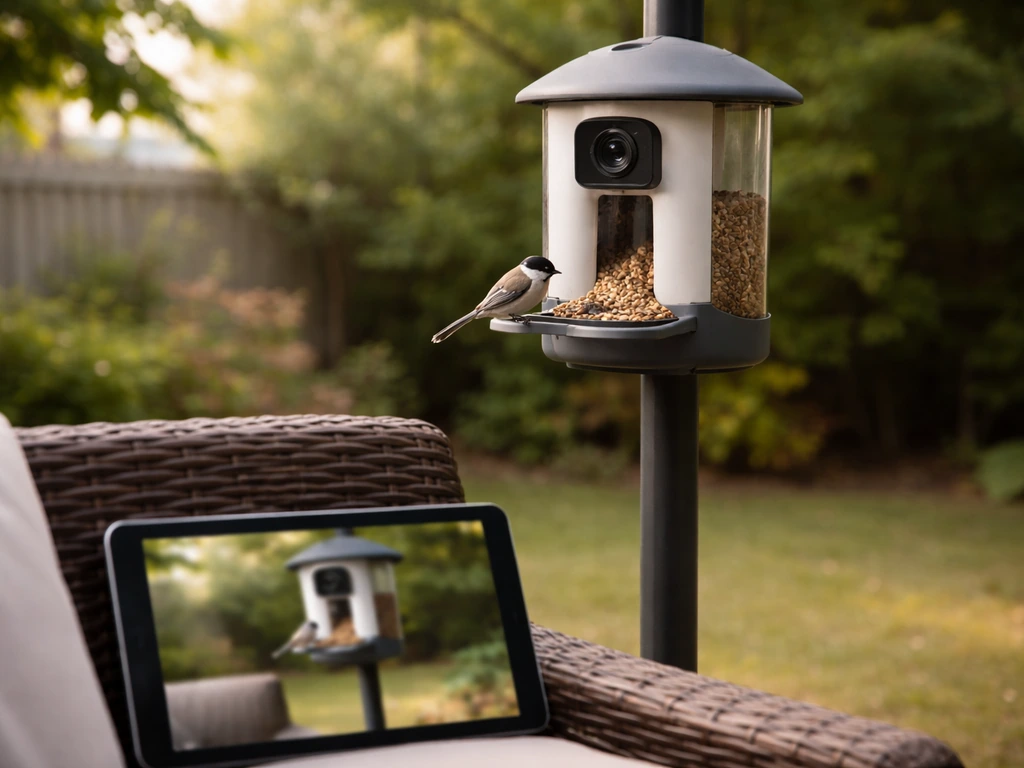
Smart feeders with built-in cameras and AI species identification have gotten genuinely good in the past couple of years, and they're worth talking about honestly rather than either dismissing them or overselling them.
What smart feeders actually do
The core appeal is a camera built into the feeder that captures photos or video of visiting birds, and AI software that identifies the species for you automatically through a connected app. The Bird Buddy is probably the most well-known example. It captures birds in real time, sends notifications to your phone, and uses AI recognition to log what visits your feeder. The Bird Buddy Pro offers 2K video and more advanced AI capabilities. Some competitors, like the Birdfy, emphasize weatherproofing (IP65 rated, fully weatherproof housing) and similar AI identification features.
The subscription and battery tradeoffs
This is where it gets nuanced. The Bird Buddy's base app functions (connecting and viewing up to three feeds) don't require a subscription, but premium features like advanced AI recognition and alerts for unusual visitors cost around $69.99 per year. Whether that's worth it depends on how much you want the data logging and alerts versus just the identification feature. Battery life without a solar roof attachment runs roughly 5 to 15 days depending on activity, so you're either swapping batteries regularly or investing in the solar roof add-on. The Bird Buddy Pro adds 2K video and more AI features, with additional subscription add-ons for things like remote feeder control and cloud storage.
Who should actually buy a smart feeder
Smart feeders are genuinely fun if you're curious about which species visit when you're not home, if you're trying to build a life list, or if you want to share bird sightings socially. They're also useful if you have kids who are interested in learning birds by name. What they don't do is feed birds any better than a standard feeder, and the camera housing adds complexity and cost.
If your main goal is attracting the most birds or solving pest problems, the $200+ you'd spend on a smart feeder goes further buying a quality squirrel-proof feeder system, a baffled pole, and multiple seed types. But if the identification and observation angle appeals to you, they're well-executed products and more practical than they used to be.
Your buying checklist and recommendations by budget
Here's a practical framework for deciding what to buy based on your situation. Run through these questions before you add anything to your cart.
- Which birds do you want to attract? (Finches need nyjer feeders; hummingbirds need nectar feeders; woodpeckers need suet; cardinals need hopper or platform feeders with wide perches.)
- Do you have a squirrel problem or expect one? (If yes, budget for a baffled metal pole or a weight-activated feeder rather than a basic hanging feeder.)
- How much maintenance are you willing to do? (Hummingbird feeders need cleaning every 2 to 3 days in summer; tube feeders monthly; simpler setups if you want less work.)
- Where will the feeder go? (Confirm you can place it within 3 feet of a window or 30+ feet away; check for nearby branches that defeat squirrel baffles.)
- Do you want to identify species automatically? (Smart feeder if yes; standard feeder if no.)
Budget tiers
| Budget | What to Buy | Notes |
|---|---|---|
| Under $30 | Tube feeder with metal ports + black-oil sunflower seed | Best entry point; attracts the widest variety; skip cheap all-plastic |
| $30–$75 | Quality tube or hopper feeder + baffled shepherd's hook pole | Adds meaningful squirrel resistance; good for most suburban yards |
| $75–$150 | Weight-activated squirrel-proof feeder OR multi-feeder pole system with baffle | Best all-around setup; add a suet cage for woodpeckers and a nyjer feeder for finches |
| $150–$250 | Full pole system (metal post + baffle + 2-3 feeders) or smart camera feeder (Bird Buddy/Birdfy) | Smart feeders at this range; or invest in a serious multi-feeder station |
| $250+ | Smart feeder Pro tier + solar roof, or full multi-feeder wildlife garden setup | Best for enthusiasts who want identification data, video, and a complete feeding station |
Small yard vs. large yard
In a small urban or suburban yard, one or two well-chosen feeders beat a cluttered collection of cheap ones. A tube feeder for sunflower seed and a hummingbird feeder (if you have hummingbirds in your region) cover most scenarios. In a larger yard with more species diversity, a dedicated feeding station with four to five feeders on a single pole system (suet cage, tube feeder, nyjer feeder, hopper, and peanut feeder) is worth the investment and makes it much easier to keep everything baffled and maintained from a single spot.
The bottom line is that the best feeder is the one matched to the birds you have, built from materials that will survive your climate, mounted in a way that keeps pests out and birds safe, and practical enough that you'll actually maintain it. Start with one quality feeder and the right seed, get it set up properly, and add from there as you see what shows up.
FAQ
Which bird feeder is best if I don’t know what birds are in my yard yet?
Start with a tube feeder that has metal-reinforced ports and fill it with black-oil sunflower seed. This combo is a strong general attractor, and once you notice which species appear, you can add a targeted feeder such as a nyjer option for goldfinches or a hopper for larger birds.
How many feeders do I need to attract the most birds without creating a mess?
In most yards, 1 to 2 quality feeders are enough at first. After 1 to 2 weeks of consistent stocking, add one additional feeder type if you see missing species (for example, add suet if woodpeckers are not visiting). Avoid buying several different types at once, because you will have more leftover seed to manage.
What seed should I use with tube feeders to reduce squirrel problems?
If squirrels are taking over, switch the feeder’s seed to safflower or use a baffle and metal-port tube setup. Safflower is less attractive to many nuisance birds than mixed seed, and it can help lower competition at the feeder while still drawing several backyard species.
Are hopper feeders better than tube feeders for attracting more species?
Hopper feeders often attract a wider range because they offer a larger landing area, but tube feeders can outperform in squirrel resistance when the ports are metal-reinforced. If you want one upgrade that adds variety, a baffled hopper stocked with black-oil sunflower is a common next step after a tube feeder.
Which feeder type is best for cardinals in particular?
Use a hopper or platform/tray feeder with sunflower or safflower. Cardinals typically do not do well clinging to narrow tube ports, so seed choice plus a stable feeding surface is the key.
Do hummingbirds require a special feeder, or can I use a regular bird feeder?
You need a hummingbird-specific feeder with red accents and a nectar reservoir. A regular bird feeder will not provide the right feeding design or access for hummingbirds, and nectar must be cleaned frequently because it can spoil quickly in heat.
How often should I clean hummingbird feeders, and what happens if I wait too long?
Plan on cleaning every two to three days in hot weather (even sooner if nectar looks cloudy or smells off). Waiting too long can allow mold and fermentation to build up, which can discourage visits and create health risks for hummingbirds.
Is a saucer-style hummingbird feeder easier than a bottle feeder to keep fresh?
Yes. Saucer-style designs are generally simpler to rinse and scrub out, which makes frequent cleaning more realistic. Bottle-style feeders hold more nectar, but if you cannot clean thoroughly, fresh nectar won’t stay that way for long.
What’s the best feeder for goldfinches if I already have a tube feeder with sunflower?
Goldfinches usually prefer nyjer (thistle), so add a dedicated nyjer feeder with small ports, or use a nyjer mesh sock. A standard sunflower-only tube often brings fewer goldfinches because the ports and seed size do not match their feeding style.
Which feeder is best for woodpeckers, suet or peanuts?
Suet is the starting point for many woodpeckers, especially downy, hairy, and red-bellied. Once you have suet coming in, you can add a dedicated peanut feeder if you want to broaden species, but start with caged suet to handle aggressive pecking.
What feeder material lasts longest if squirrels are chewing everything?
Choose feeders with metal-reinforced ports and, where possible, a metal or polycarbonate body. Plastic-only ports can be destroyed quickly, while metal-reinforced openings hold up much better and keep the feeder usable through multiple seasons.
How do I prevent feeders from getting ruined by weather?
Match the feeder material to your climate. Recycled HDPE hopper feeders tend to handle years of outdoor exposure, while glass hummingbird feeders are easier to sanitize thoroughly, and wood feeders require more maintenance because moisture and seed can get into the grain.
What’s the safest placement for bird feeders near windows?
Use a spacing rule of thumb: place it within about 3 feet of the window or 30 feet or more away. The middle range (roughly 5 to 30 feet) is higher risk because birds can reach full flight speed before impact.
How close should feeders be to trees or shrubs for bird safety?
Aim for nearby natural cover 10 to 15 feet away so birds have an escape route, but avoid tucking the feeder deep inside dense foliage. Dense cover can make it easier for predators like cats to approach unseen.
Do smart bird feeders actually bring in more birds than regular feeders?
Usually no. Smart feeders are best for identification and observation, they do not typically feed birds better. If your primary goal is attracting more birds or solving pest issues, it is often more cost-effective to invest in high-quality squirrel-proofing plus the correct feeder and seed mix.
Are weight-activated squirrel-proof feeders always squirrel-proof?
They work well, but they are not guaranteed. You must verify the trigger threshold because some models can be tripped by birds you want (or not by squirrels if the setup is off). It’s also wise to check how the mechanism behaves with your specific seed and feeder fill level.
What’s the best way to reduce rats if I’m using a platform or ground-style feeder?
Prefer elevated, baffled placement if rodents are a known issue, and clean up spilled seed quickly. Using no-mess seed blends (like hulled sunflower or nyjer) reduces shell debris, which makes the area less attractive to rats.
Next Articles
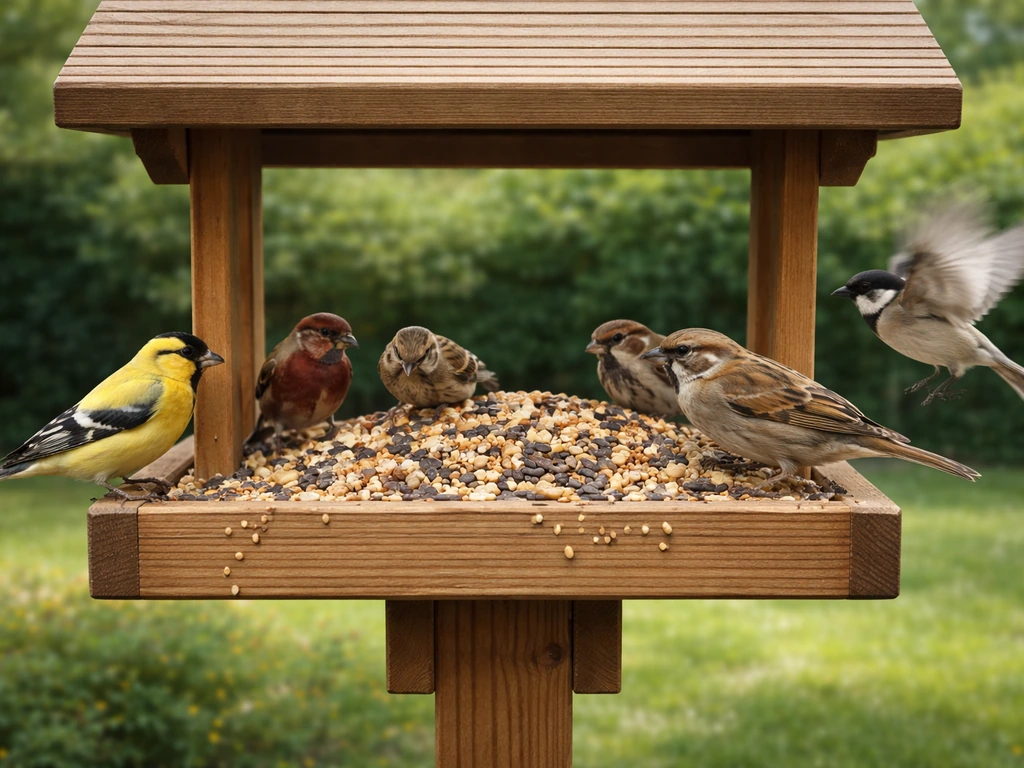
Which Bird Feeder Attracts the Most Birds: Quick Guide
Discover which bird feeder attracts the most birds, plus species-specific picks, placement, pest proofing, and setup tip
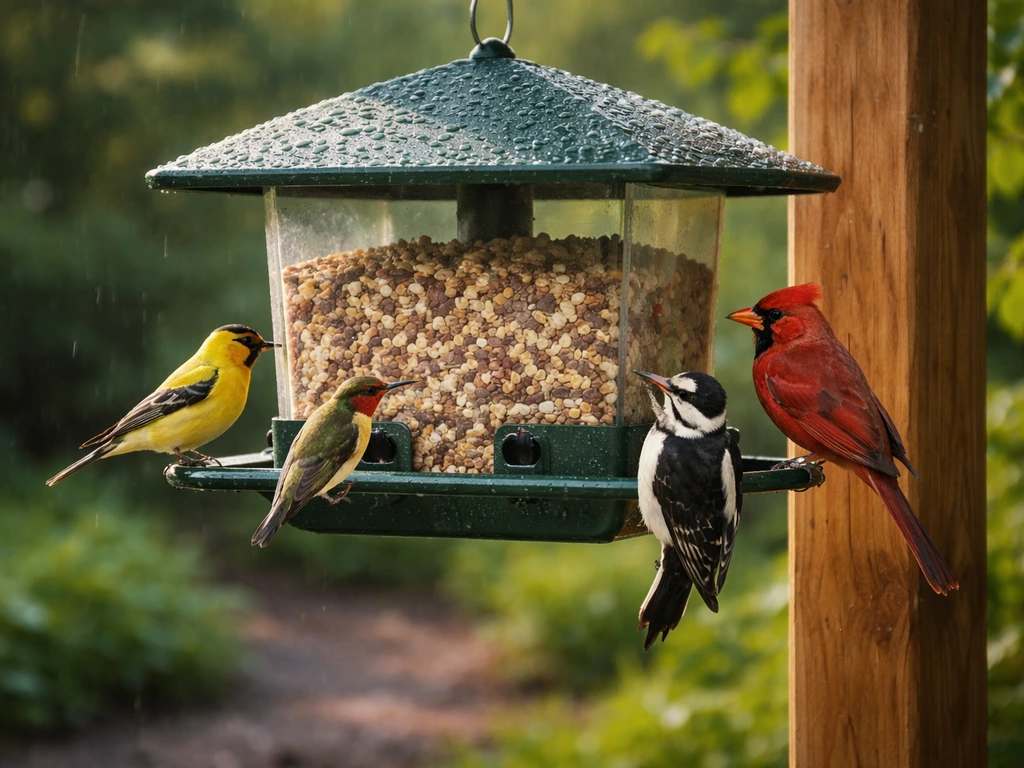
What Is the Best Bird Feeder? Buyer Guide for Any Yard
Best bird feeder pick plus buying tips for finches, hummingbirds, cardinals, and woodpeckers, with weather and predator-
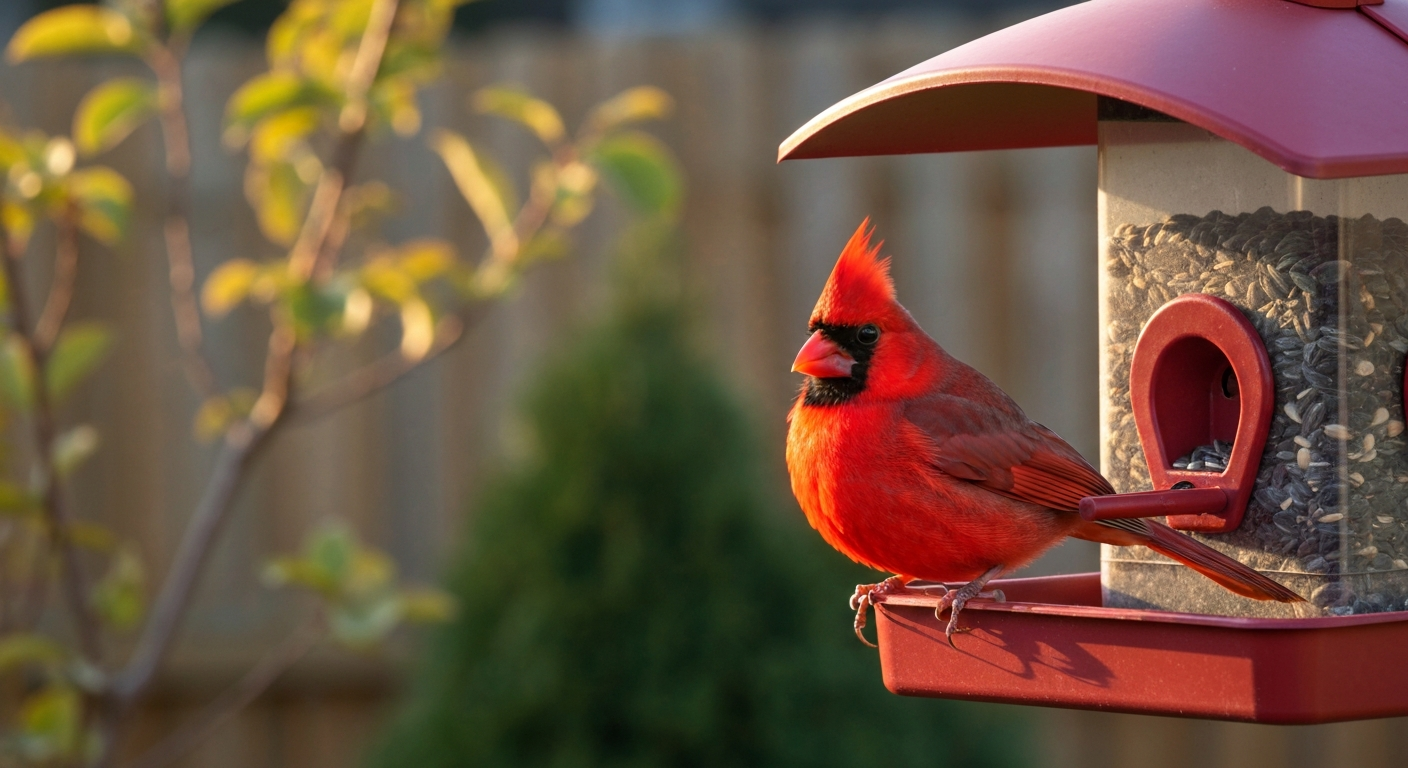
Best Red Cardinal Bird Feeder: Top Picks & Buying Guide
Best red cardinal bird feeder guide: top picks, painting tips, seed & placement advice to attract Northern Cardinals.