The best plants for under bird feeders are low-growing, tough groundcovers that can handle seed spills, hull litter, and the occasional bird dropping without turning into a weedy mess. Creeping thyme, sedum, and native low-growers like wild ginger or Pennsylvania sedge are the go-to choices for most yards. Around the edges, dense native shrubs like elderberry, dogwood, or American holly give birds nearby shelter without giving squirrels an easy launch pad to your feeder. The trick is matching the plant to your specific goal: covering bare dirt, hiding the mess, supporting local birds, or keeping cleanup manageable.
Best Plants for Under Bird Feeders: Tidy, Helpful Options
Marcus Holloway
28 Jun 2026
Why planting under feeders is actually a bit tricky
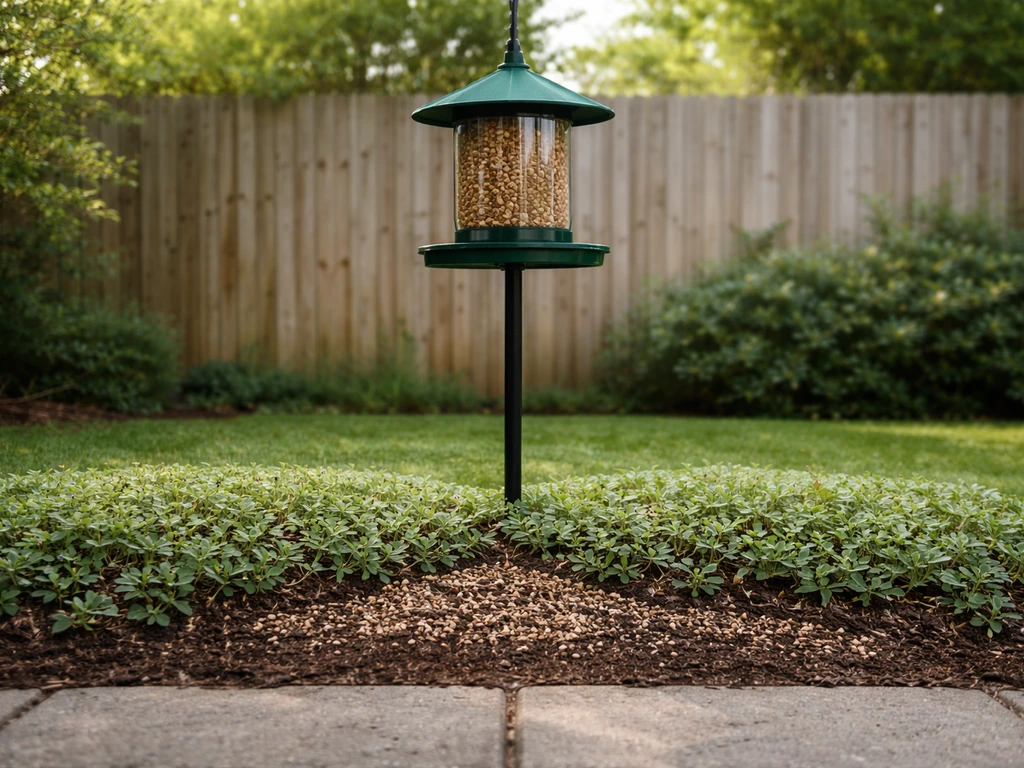
The area directly under a bird feeder takes a beating. Seed hulls pile up, spilled millet and sunflower seeds germinate in your garden beds if you're not careful (Colorado State University Extension specifically flags this), and blank" rel="noopener noreferrer">moisture from hulls and droppings creates a perfect environment for mold and fungi. UNH Extension and WVU Extension both emphasize that letting seed debris accumulate is one of the fastest ways to attract mice, rats, and other unwanted animals to your yard. Project FeederWatch’s handbook notes that cleanup and yard setup should manage scattered food and debris under feeders to reduce pest problems blank" rel="noopener noreferrer">letting seed debris accumulate is one of the fastest ways to attract mice, rats, and other unwanted animals. So the ground under your feeder is not a passive area you can ignore.
At the same time, bare dirt or sparse grass makes the mess more visible, harder to rake clean, and frankly ugly. Turfgrass under a feeder struggles because of the shade, compaction from foot traffic during cleaning, and the acidic, nitrogen-heavy load from droppings. This is exactly the scenario where a tough groundcover earns its keep. The right plant acts as a living mulch that suppresses weeds, cushions the visual mess between cleanings, and is easy to rake or brush free of hull buildup. The wrong plant, such as a fluffy ornamental grass that traps hulls deep inside its clumps, becomes a maintenance nightmare.
One more wrinkle: plants too close to a feeder pole or hanging post can become hiding cover for predators like cats or give squirrels an easy route up. I've watched squirrels use a dense shrub I planted too close to my pole feeder as a launching pad repeatedly until I moved it. So placement discipline matters as much as plant choice.
Best groundcover plants for directly under the feeder
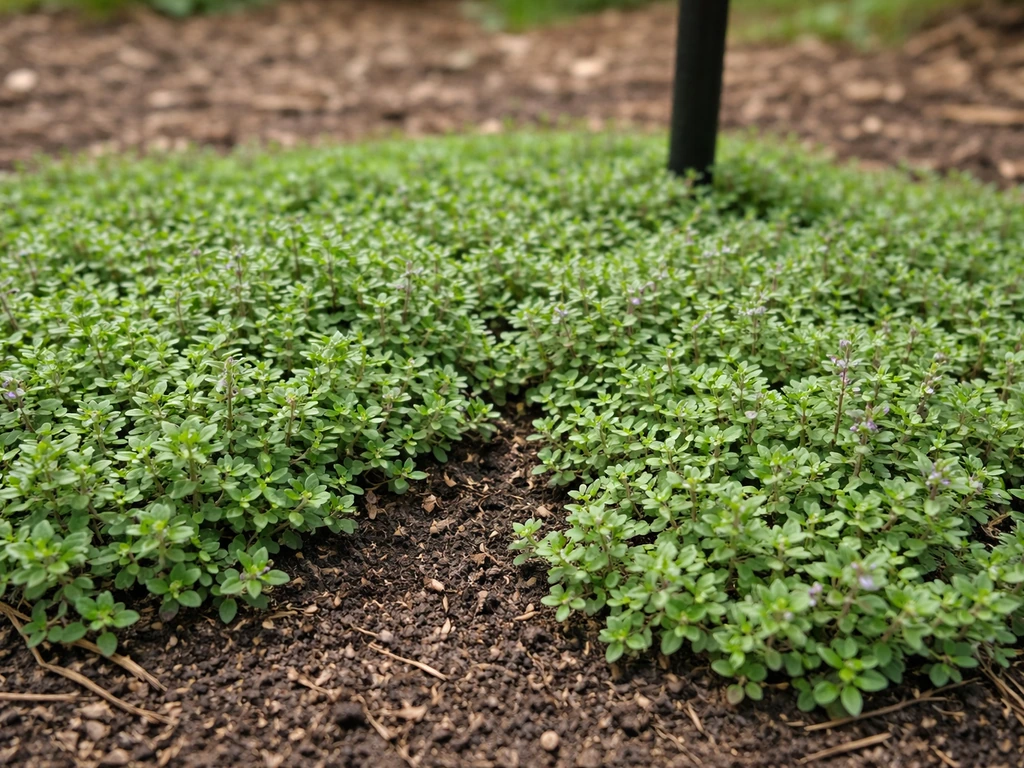
For the zone right beneath the feeder (roughly within a 3-foot radius of where seed falls), you want something flat, sturdy, and easy to rake. These are my top picks based on durability, low maintenance, and how well they hold up to actual feeder conditions.
Creeping thyme
Creeping thyme is probably the single best plant for directly under a feeder in a sunny spot. If you want the safest bet overall, the best ground cover under bird feeders is often a low, dense option like creeping thyme. It forms a dense, tight mat that stays low (under 3 inches), tolerates poor and dry soil, handles foot traffic during cleanup, and seeds don't easily germinate through it. Morton Arboretum describes it as relatively low-maintenance and tolerant of poor soils. It also smells great when you brush against it while raking. It needs full sun and good drainage, so it's not a fit for shady or wet spots.
Sedum (stonecrop)
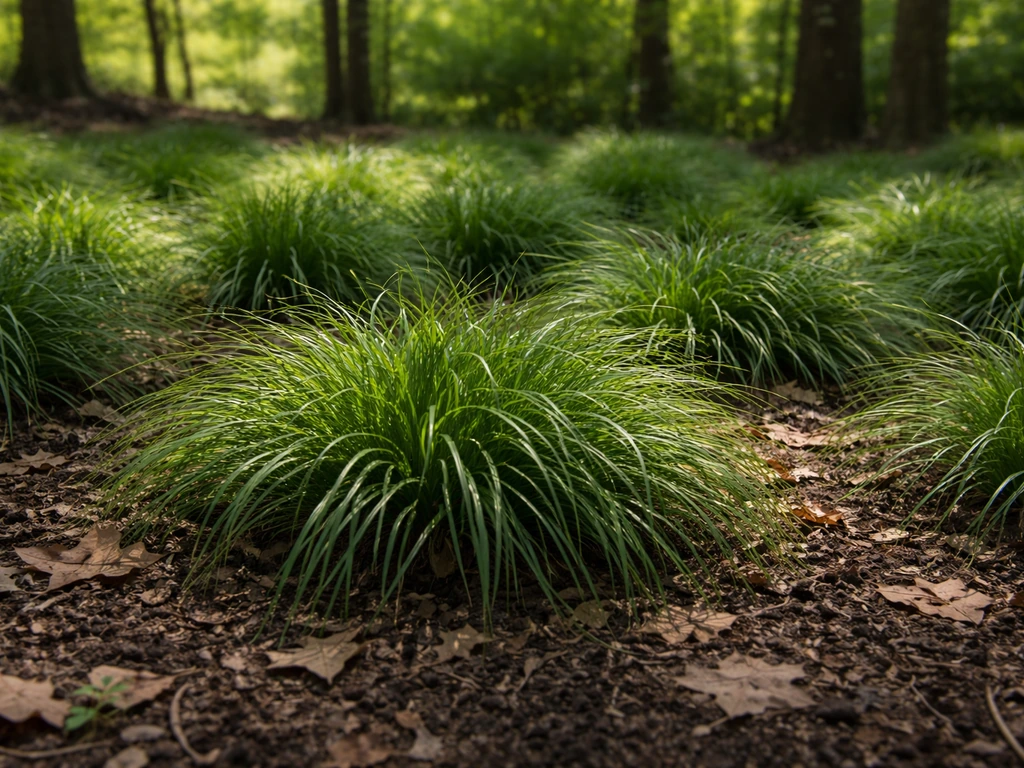
Low-growing sedum varieties, like Sedum acre or similar spreading types, are almost indestructible in sunny, well-draining spots. They handle dry conditions well, grow slowly enough to stay manageable, and their thick succulent leaves make it easy to shake or rinse seed debris off. Gardening Know How notes sedum as a solid lawn alternative for appropriate conditions. The main downside is they can be damaged by heavy raking if you're too aggressive during hull cleanup, so use a soft leaf rake.
Pennsylvania sedge (Carex pensylvanica)
For shady yards or spots under trees where you're also hanging a feeder, Pennsylvania sedge is a native star. It's a fine-textured, clumping-to-spreading groundcover that handles dry shade better than almost anything else. It doesn't trap hulls the way ornamental grasses do because its blades are narrow and don't form dense thatch. It's also native across much of eastern North America, so it supports local insect communities that feed ground-foraging birds like sparrows and juncos.
Wild ginger (Asarum canadense)
Wild ginger is another shade-tolerant native that forms a low, broad-leafed mat. It's slower to establish but very low maintenance once it's in. The large leaves make it simple to sweep or blow hull debris off the surface. It prefers moist, humus-rich soil, so it's a better fit for woodland-edge feeder setups than dry sunny spots.
A word on what to avoid
Avoid Ajuga (bugleweed) despite its popularity as a groundcover. Wikipedia flags it as invasive in parts of the US because it spreads aggressively and forms mats that outcompete native plants. Also skip ornamental grasses with dense clumping habits directly under feeders since they trap hulls and create exactly the kind of mold-prone debris pockets you're trying to prevent. Avoid anything that requires frequent watering or fertilizing right under the feeder, since you're already adding plenty of nitrogen from droppings.
Native shrubs and taller plants to support birds near feeders
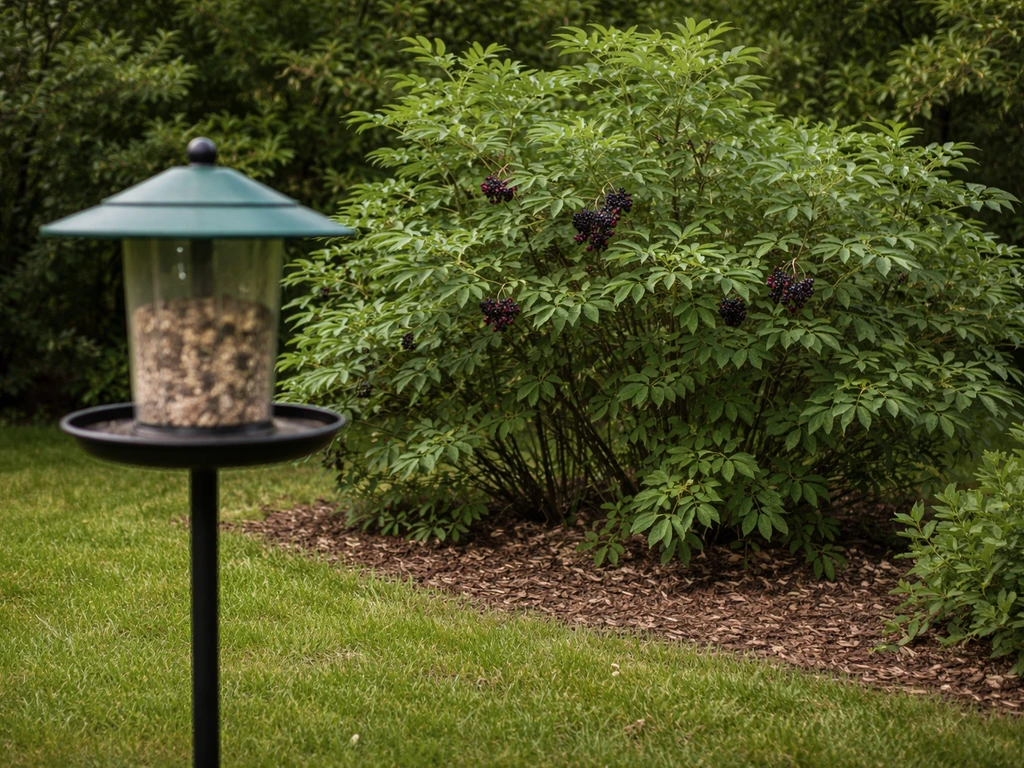
Plants placed 5 to 10 feet from the feeder (not directly under it) serve a completely different purpose: giving birds a safe place to wait their turn, escape predators, and forage for natural food between feeder visits. This is where native shrubs and small trees pay off enormously. UNH Extension specifically recommends shrubby borders near feeders as refuge and rest areas for birds. Project FeederWatch echoes this, noting that birds strongly prefer feeders placed close to natural cover.
- Elderberry (Sambucus canadensis): Fast-growing native shrub that produces berries attracting warblers, catbirds, and orioles. Dense enough to provide real shelter without getting enormous. Audubon lists it as one of the top bird-friendly plants.
- Dogwood (Cornus species, especially native red-osier or flowering dogwood): Berries, dense branching structure for perching, and beautiful in all seasons. American Bird Conservancy rates native dogwoods highly for bird value.
- Winterberry holly (Ilex verticillata): Native deciduous holly loaded with red berries that persist through winter when other food is scarce. Bluebirds, robins, and cedar waxwings go after it heavily.
- American holly (Ilex opaca): Evergreen, provides year-round shelter and winter berries. Great for yards in the mid-Atlantic and Southeast. ABC specifically names it as a top native for birds.
- Native viburnums (Arrowwood viburnum, Nannyberry): Dense, multi-season fruit production and excellent shelter structure. Very low maintenance once established.
- Native ornamental grasses (Little bluestem, switchgrass): Planted at the feeder perimeter, not directly under it, these provide seed heads for sparrows and finches and winter cover. Chicago Bird Alliance emphasizes layered grasses and flowers as food and shelter across seasons.
If you're using a smart bird feeder camera or an AI-powered feeder, positioning one of these shrubs in the background a few feet behind the feeder actually enhances your footage. Birds naturally perch there before approaching the feeder, and you'll capture far more species on camera than you would with a feeder sitting in the open.
Matching plants to your actual yard conditions
CSU Extension is blunt about this: no single groundcover works for every landscape situation. Before you buy anything, spend five minutes checking your actual conditions under and around the feeder. The table below gives you a quick guide to matching plant type to site conditions.
| Condition | Best groundcover pick | Best nearby shrub/perimeter plant |
|---|---|---|
| Full sun, dry/well-drained soil | Creeping thyme, Sedum acre | Native viburnum, Little bluestem grass |
| Full sun, average moisture | Creeping thyme, low native sedums | Elderberry, dogwood |
| Part shade, average soil | Pennsylvania sedge, wild ginger | Native viburnum, winterberry holly |
| Full shade, moist soil | Wild ginger, Carex pensylvanica | Red-osier dogwood, native ferns as border |
| Full shade, dry soil | Pennsylvania sedge (tolerates dry shade) | American holly, native shrub layer |
For native plant selection tailored specifically to your zip code, Audubon's Plants for Birds native plant database is the best tool available. If you are trying to attract mockingbirds specifically, match your groundcover and nearby plants to what local mockingbirds will use for both food and cover Plants for Birds native plant database. You plug in your location and it returns a list of native plants that support the bird species already in your area. That's far more useful than any generic list, and it helps you avoid wasting money on plants that won't thrive or won't benefit your local birds.
Climate zone matters too. Creeping thyme is hardy to Zone 4, making it suitable for most of the continental US. Wild ginger (Asarum canadense) is native and reliable across Zones 3 to 7. If you're in the Southwest or Pacific Coast, lean on regionally native groundcovers like native buckwheats (Eriogonum species) or creeping sage rather than forcing in plants that need supplemental irrigation. CSU Extension's xeriscaping guidance emphasizes that low-growing spreaders that fit local conditions will always outperform water-thirsty alternatives over the long run.
Placement and spacing: keeping access open and pests out
The biggest mistake people make is letting plants creep too close to the feeder pole or base. Keep groundcovers trimmed back at least 6 to 8 inches from the pole itself so you have clear access for cleaning and so there's no dense cover for mice to nest right at the base. For a hanging feeder, keep plantings pulled back from directly below the hook or cable so you can sweep or rake the drop zone easily.
For shrubs near the feeder, the squirrel factor is real. Perky-Pet notes that squirrels can jump several feet horizontally and recommends keeping feeders away from any structure or branch they can use as a launch point. A general rule: keep shrubs and trees at least 10 feet from your feeder in all directions if squirrels are active in your yard. Project FeederWatch and Country Living both reference the 10-foot guideline as a practical baseline. Dense shrubs closer than that essentially hand squirrels a staging area.
For the groundcover zone directly under the feeder, think in rings. The inner ring (0 to 3 feet from the drop point) should be your toughest, flattest, most raking-friendly plant. The middle ring (3 to 6 feet) can be a slightly taller or textured groundcover. Beyond 6 feet, you can transition to perimeter shrubs, native grasses, or flower beds without worrying much about seed fall. This zoned approach also gives foraging ground-feeders like juncos, doves, and sparrows a clear, open area to pick up spilled seed, which is one of the most underrated benefits of having a tidy groundcover rather than bare dirt: it actually makes spilled seed more visible and usable to birds.
If your feeder setup is on a patio or deck rather than in a garden bed, the plant strategy shifts toward container planting on the perimeter and possibly a seed catcher tray on the feeder itself. If you're choosing the best bird feeders for patios, this perimeter-and-tray approach helps keep cleanup easier and seed spread under control feeder setup is on a patio or deck. For setups near garden beds, CSU Extension specifically recommends using a seed catcher or moving the feeder away from existing beds to prevent germinating dropped seed from colonizing your plants. Some readers who are also thinking about garden-friendly feeder setups more broadly will find it helpful to look at how feeder placement intersects with garden design.
Maintenance: the real work of keeping this tidy
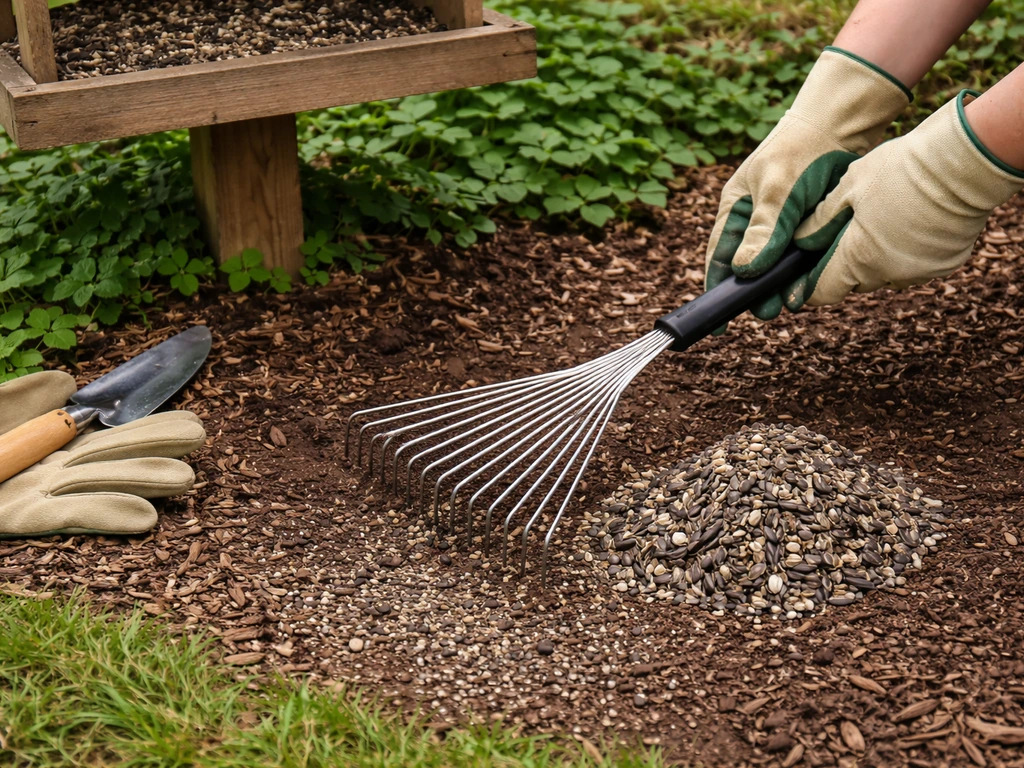
Planting the right things buys you time but doesn't eliminate maintenance. Here's what actually works for keeping the area under your feeder clean and your plants healthy long-term.
- Rake hull debris at least monthly. Ornithology.org recommends raking and disposing of seed debris below feeders at least once a month. In heavy-use seasons (winter, spring migration), do it every two weeks. A soft-tined leaf rake over creeping thyme or sedum works well without damaging the plants.
- Switch to hulled seed if the mess gets out of control. Reddit birding communities consistently report that hulled sunflower seed (no-mess or shelled seed mixes) dramatically cuts down on hull buildup. The seed costs more, but you spend a lot less time raking. Penn State Extension also recommends only offering as much seed as birds can consume in a day, which cuts down on what hits the ground.
- Check for mold after rain. Moist hull debris is a mold factory. UNH Extension and WVU Extension both flag mold and fungi under feeders as serious concerns. After a wet stretch, rake the area and if you see white or gray growth on the soil surface, scrape it away and let the area dry before refilling the feeder.
- Trim groundcovers back from the pole seasonally. Do a hard edge trim in early spring and again in fall to keep the inner clean zone open. Creeping thyme and sedum can creep toward the pole faster than you'd expect by midsummer.
- Add a thin layer of fresh mulch to suppress weeds in perimeter planting areas two to three times a year, but avoid deep mulch directly under the drop zone because hulls and debris get buried in it and create anaerobic pockets where mold thrives.
- Sanitize the feeder itself on the same schedule. UNH Extension ties feeder hygiene directly to what happens on the ground around it. A clean feeder means less spillage of spoiled seed, which means less mess for your plants to deal with.
One thing I've found genuinely helpful: placing a small flat stepping stone or two on the inner ring of the groundcover zone so I have somewhere dry to stand while cleaning the feeder. It keeps me from compacting or crushing the groundcover repeatedly in the same spot, and it looks intentional rather than haphazard. Small details like this make the whole setup feel like a designed garden space rather than just a feeder stuck in the middle of a mess.
The payoff for getting this right is real. A tidy, well-planted feeder area means less pest attraction, healthier birds, better views (especially if you're running a camera feeder or smart feeder that captures bird ID photos), and a backyard space that's genuinely pleasant to spend time in. The plants do the heavy lifting between cleanings, and choosing the right ones for your specific sun, soil, and feeder type is the single most important decision in the whole setup. To narrow it down, check our guide to the best bird feeders for blackbirds so you can match feeder style to how these birds feed.
FAQ
Can I use these plants under a feeder if my yard is consistently wet or muddy?
Yes, but treat it like a moisture and access problem. The groundcover you choose must still be able to handle hull debris and droppings without turning to mush, and you should keep the plant back from the feeder pole or hook so you can rinse, rake, or brush without tearing up roots. In very wet spots, prioritize drainage-friendly options (for example creeping thyme in sun, or sedges in shade) and consider a slight elevation or a thin layer of grit so the inner ring stays workable after rain.
What should I do if seeds start sprouting or the mat gets weedy under the feeder?
If you see seedlings or thick growth of volunteers, it usually means either the groundcover is too open, the mat is still establishing, or the cleanup interval is too long. For first year plantings, plan on more brushing and a gentle pull of individual seedlings. Once established, you can lightly rake on top or use a soft leaf rake, but avoid digging or aggressive raking that opens the mat and recreates bare soil.
How often should I clean the area under bird feeders to prevent pests and mold?
Aim for a maintenance routine that matches how often the feeder fills and how windy it is. A practical approach is a quick weekly surface cleanup (brush or rake hulls), plus a deeper cleanup during periods of heavy feeding (early spring, peak winter). Doing it before debris builds up reduces mold and also discourages mice because the “nesting layer” never has time to form.
Do groundcover recommendations change for hanging feeders versus pole feeders?
Yes, and it changes the plant choice. For a pole feeder you can prepare the inner ring for raking access, but for a hanging feeder you still need to keep plantings pulled back from directly under the hook, cable, or tray because seed tends to drop in a concentrated stream there. If the drop zone is narrow, a tighter, denser groundcover mat works best, and you may want a small sweepable surface or seed catcher there instead of relying on plants to do all the work.
Is it okay to fertilize plants near the feeder?
You can, but be careful with plant health and texture. Avoid high-nitrogen fertilizer right under the feeder since droppings already add nutrients, and over-fertilizing can weaken groundcovers and encourage fast weeds. If you must feed nearby plants, fertilize only in perimeter beds outside the drop zone and follow label rates, because salt and excess nutrients can burn or thin groundcover.
My groundcover looks worn where I stand to clean the feeder, how can I prevent damage?
Switch to “inspection and restraint.” If you notice blades matted down, patchy areas, or plants being repeatedly crushed during cleaning, you likely need either trimming discipline closer to the pole or better access tools. A small stepping stone or board for your feet, used only while cleaning, can prevent compaction and keep the mat from thinning where you stand.
What if my feeder area is under a tree canopy, and I do not know whether it is too dry or too shady?
Start by confirming the light and drainage first, then pick plants accordingly. If you have full shade or deep shade plus chronic moisture, creeping thyme often fails, and sedges or shade-adapted native groundcovers are usually the safer bet. If the site is near a tree root zone, choose plants that tolerate dry shade and avoid anything that requires frequent watering.
Which plant traits make cleanup hardest under bird feeders?
Some plants smell nice, but the real concern is “trap and hold.” Dense, clumping ornamentals, thick thatch-formers, or very open groundcovers that allow seed to bury can both become maintenance problems. If you want the easiest cleanup, prioritize low, tight mats that stay flat and do not form deep pockets, and keep them trimmed back from the pole base so debris can be brushed off the surface.
What are the first steps to take if I notice mice or rats around the feeder area?
If you are seeing noticeable animal activity, do not let debris accumulate and do not add loose attractants near the base. Remove hull piles promptly, consider using a seed catcher tray if you have a patio or if cleanup is inconsistent, and reduce cover by trimming groundcovers back from the pole and hook. If the issue persists, reevaluate feeder height and placement relative to shrubs and structures.
Will placing shelter plants behind the feeder improve bird sightings on a camera?
Yes, and it is often overlooked. When you position a shrub a few feet behind the feeder, birds frequently pause there before approaching, so your camera captures more activity. Choose shrubs that are dense enough for perching but not so close that they give squirrels an easy launch route, and keep the “drop zone” itself still raking-friendly.