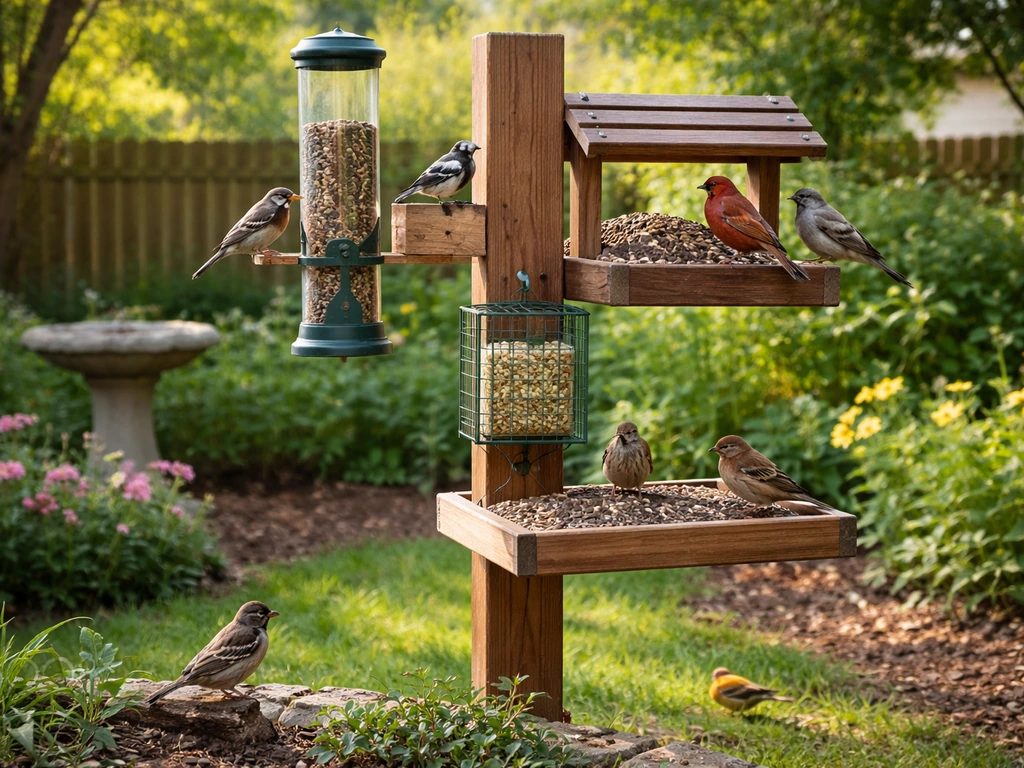
The best bird feeder brands right now are Brome, Droll Yankees, Perky-Pet, and Bird Buddy, each leading in a different category. Brome wins for squirrel-proof tube feeders, Droll Yankees for long-term build quality and weight-activated squirrel deterrence, Perky-Pet for variety and value across feeder types, and Bird Buddy for smart camera feeders with no mandatory subscription. Which one is right for you depends entirely on what birds you're trying to attract, how serious your squirrel problem is, and whether you want a camera in the mix.
Best Bird Feeder Brands: Top Picks by Feeder Type and Species
Marcus Holloway
30 May 2026
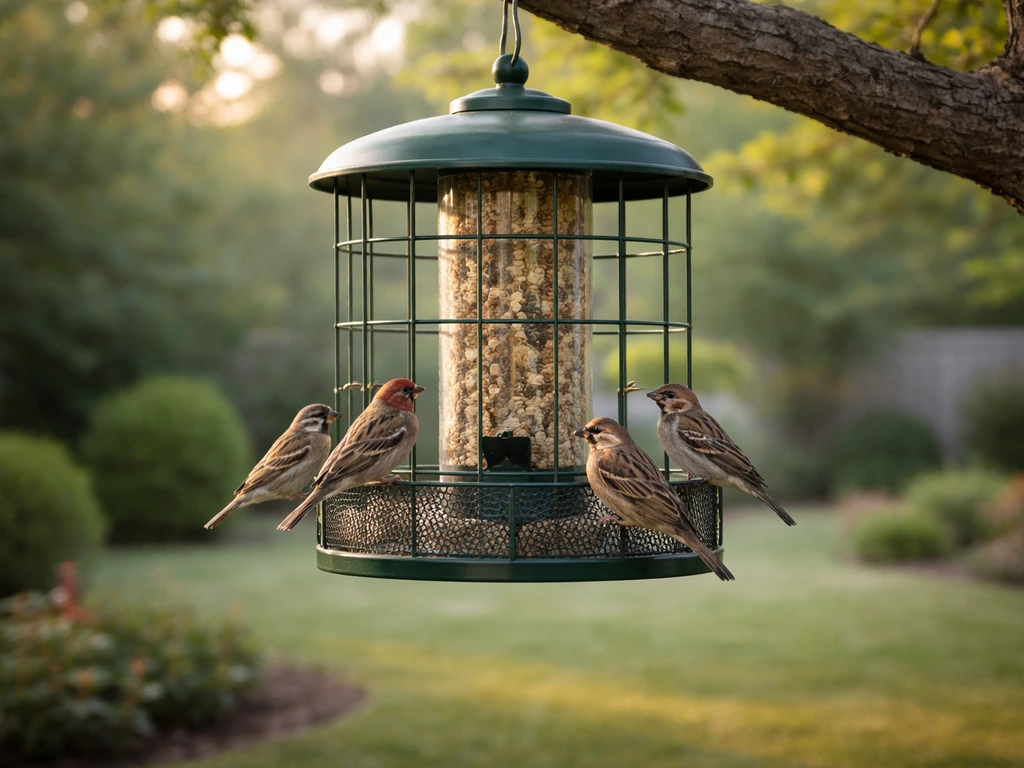
How to choose the best bird feeder for your birds and yard
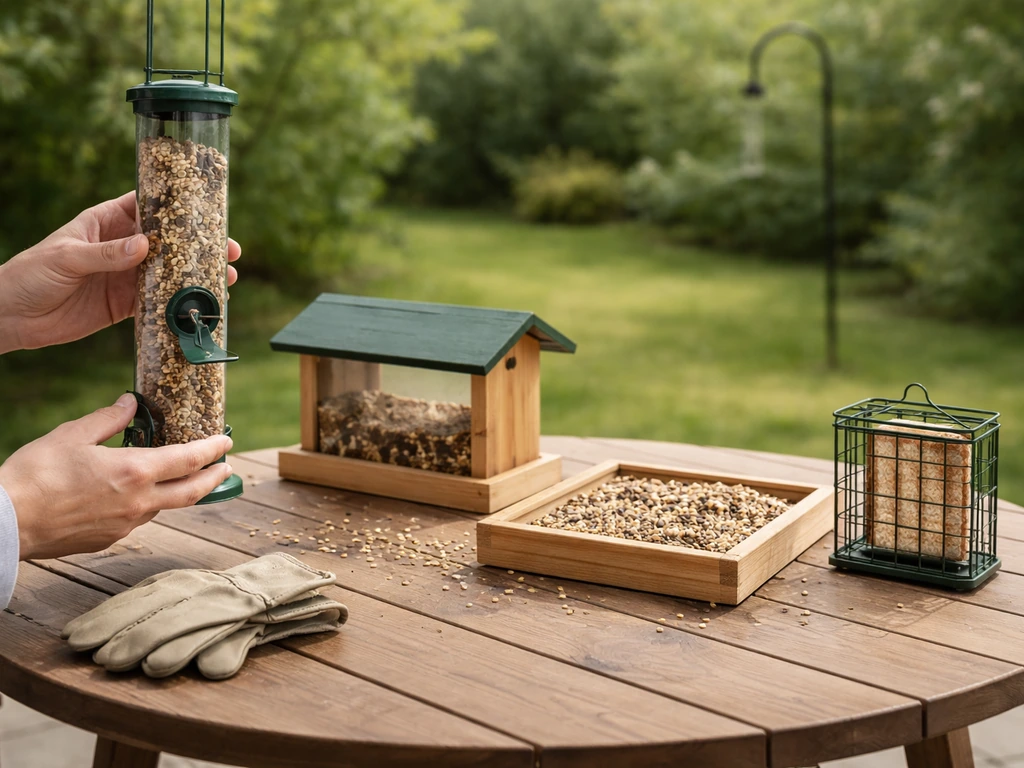
Before you land on a brand, figure out what problem you're actually solving. The wrong feeder type is the number one reason people end up with feeders that just sit empty or make a mess. Start with your target bird, then match the feeder type to that bird's feeding behavior, and only then look at which brand makes the best version of that feeder.
Here's the quick framework I use: finches need tube or sock feeders filled with Nyjer seed. Cardinals and grosbeaks prefer platform or hopper feeders with wider perches. Woodpeckers want suet cages or clinging-style feeders. Hummingbirds need nectar feeders with red accents and easy-to-clean reservoirs. If you're trying to attract a wide mix, a hopper or large platform feeder filled with black-oil sunflower seed is your starting point.
After species, think about your yard's specific challenges. If squirrels are already raiding your feeders, a standard tube feeder won't cut it. You'll need weight-activated ports, a caged shroud, or a baffle system. If you're dealing with grackles or starlings, a feeder that requires clinging (rather than perching) will naturally exclude heavier nuisance birds. And if you live somewhere with heavy rain or extreme UV exposure, materials matter a lot more than most people expect.
- Target bird species: shapes the feeder type and seed choice before anything else
- Squirrel pressure: determines whether you need a weight-activated, caged, or baffled setup
- Nuisance birds: clinging-style or small-port feeders naturally filter out grackles and starlings
- Weather: drives your material choice (UV-stabilized polycarbonate vs. coated metal vs. wood)
- Cleaning access: feeders you actually clean consistently are worth more than fancy ones you dread opening
Top bird feeder brands by feeder type
Tube feeders
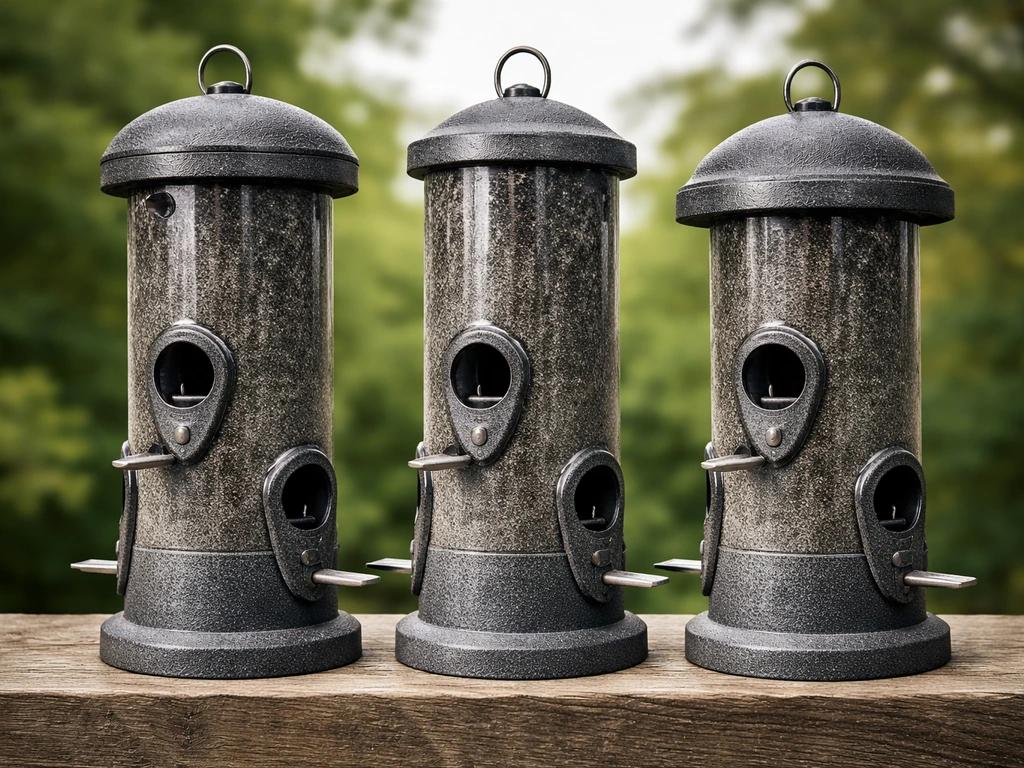
Brome is the standout here. Their Squirrel Buster Standard and Squirrel Buster Plus are built from RoxResin, a proprietary material Brome describes as chew-proof, waterproof, and rustproof. The seed tube has a ventilation system that lets humidity and hot air escape, which genuinely helps prevent seed clumping and mold. The whole feeder breaks apart by hand into components without tools, so cleaning is actually painless. If squirrels are your main problem and you want a tube feeder that will outlast multiple seasons, this is the brand.
Droll Yankees is a close second for tube feeders, especially if you want something that leans more traditional in design. Their feeders use UV-stabilized polycarbonate tubes and rust-proof hardware, and the brand has a reputation for building feeders that genuinely hold up for decades. Their weight-activated perches are well-engineered and reliable. If you value longevity over the latest features, Droll Yankees delivers.
Hopper feeders
Perky-Pet and Droll Yankees both make solid hopper feeders. Hoppers work well for cardinals, jays, and mixed species because they offer wide perching areas and hold large amounts of seed. Look for hoppers with metal or polycarbonate roofs rather than wood, which warps and rots faster than most people expect. A hopper with a built-in baffle or cage shroud is worth the extra cost if squirrels are already a problem in your yard.
Platform and tray feeders
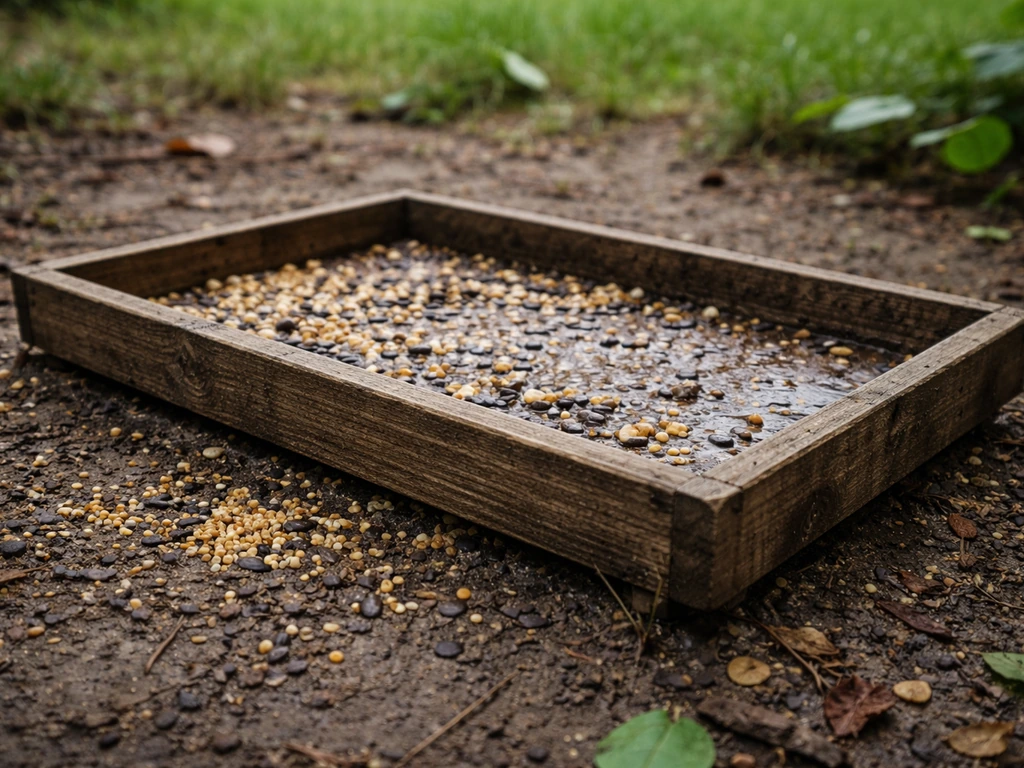
Platform feeders are the most inclusive option because nearly any bird will land on one, but they're also the hardest to squirrel-proof and the most prone to seed getting wet and moldy. If you go this route, look for trays with drainage holes and mesh bottoms that let water drain through rather than pool. Perky-Pet makes budget-friendly options here. For a more durable platform setup, look for powder-coated metal trays that won't rust after the first season.
Suet feeders
Suet feeders don't need to be complicated. A basic wire cage suet feeder from any reputable brand will work fine. The key difference is whether it's coated or bare metal. Bare metal rusts fast, especially in humid climates. Perky-Pet and Droll Yankees both offer coated wire cage suet feeders that hold up much better. Some suet feeders include a tail prop for woodpeckers, which is a nice touch if that's your target species.
Finch and Nyjer feeders
Perky-Pet's Classic Flexport Finch Feeder is genuinely clever. It uses T-shaped perches and dual feeding positions (right-side-up and upside-down) specifically designed for goldfinches and house finches. It holds 1.5 lb of Nyjer and the Flexport design lets birds cling naturally while keeping larger birds out. Brome also makes a finch version of the Squirrel Buster that works well. For finch feeders, the key specs are small port size (Nyjer falls out of oversized ports), perch length, and how easy the feeder is to clean because Nyjer can clump badly in humid weather.
Seed catcher trays
A seed catcher tray that clips below your main feeder is one of the most underrated upgrades you can make. It reduces mess on the ground, cuts down on rodent attraction, and helps you see how much seed is actually being eaten versus scattered. Most major brands sell compatible trays for their feeders. Make sure the tray you buy is rated for your feeder's brand and has drainage so rain doesn't create a moldy puddle underneath your main feeder.
Smart and AI bird feeder camera brands
Smart bird feeder cameras are genuinely fun and have gotten good enough to be worth recommending, but they come with real trade-offs around subscriptions, camera quality, and outdoor reliability. The two brands worth knowing are Bird Buddy and Birdfy (by Netvue).
Bird Buddy
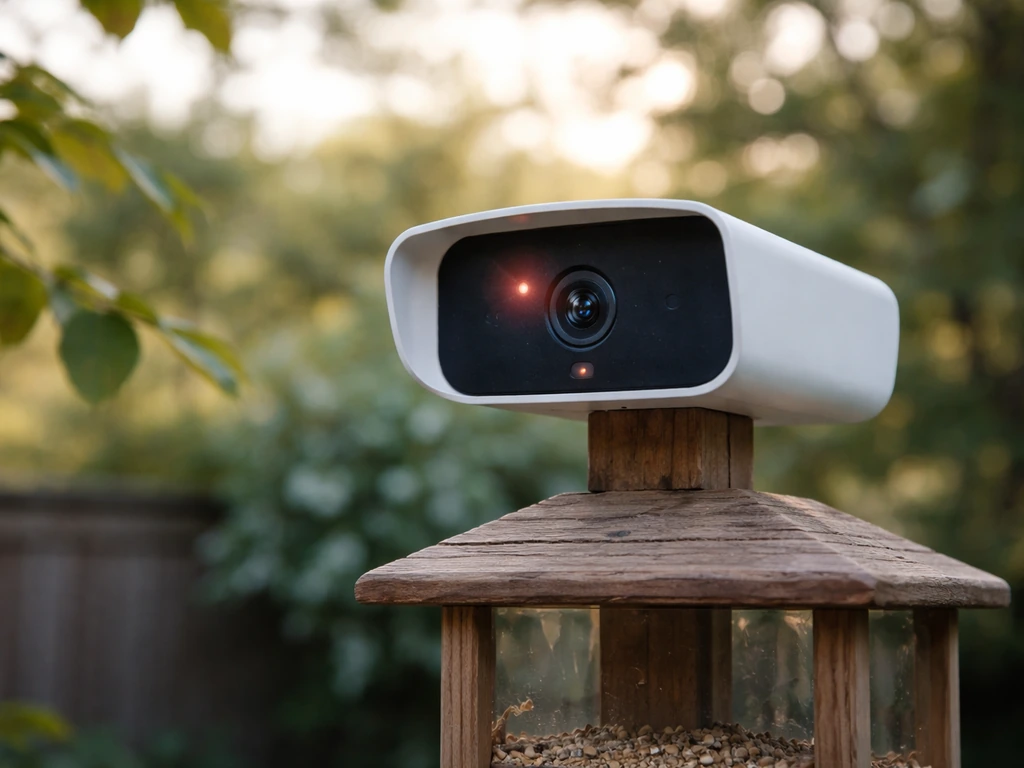
Bird Buddy is the most polished experience in this category. The AI species identification works well for the birds most likely to show up in a typical backyard, and the app sends notifications for significant visits rather than pinging you every few seconds. Tom's Guide called it the best smart bird feeder, partly because there's no mandatory subscription to use the core AI features.
That said, a May 2026 review from Digital Camera World flagged that the Bird Buddy 2's advertised 2K resolution was greyed out in the app at time of testing, with only 1080p/30fps actually available. That's a real limitation worth knowing before you pay a premium for it.
Bird Buddy does publish a privacy policy for how it handles your data, which is worth reading if that matters to you.
Birdfy (by Netvue)
Birdfy's Feeder 2 Series uses a dual-camera setup: a 2K portrait tracking lens for close-up bird shots and a 1080p wide-angle camera for the full scene. It supports both infrared and white-light night vision modes, and runs on dual rechargeable lithium-ion batteries with optional solar charging. The cloud storage is free with a 30-day rolling retention window, and that free tier includes live video and motion alerts permanently. AI bird species recognition is available via a paid subscription for some models, with a 7-day free trial included. For people who want reliable hardware and don't mind the tiered subscription model for AI features, Birdfy is a strong pick.
| Feature | Bird Buddy | Birdfy Feeder 2 |
|---|---|---|
| Camera resolution | 1080p (2K advertised but unavailable as of May 2026) | 2K portrait + 1080p wide-angle |
| Night vision | Standard | Infrared or white-light (selectable) |
| Power source | Battery | Dual battery + solar charging option |
| Cloud storage | Included | 30-day rolling, free |
| AI species ID subscription | No mandatory subscription | Free trial; paid tier for some models |
| Best for | App experience and ease of use | Camera specs and solar/battery flexibility |
One honest caveat on both brands: smart feeders add complexity. They need charging, app updates, and Wi-Fi connectivity. If your backyard is far from your router, or you just want a feeder that works without a phone, skip the camera category entirely and put that budget into a better squirrel-proof feeder instead.
Weather durability and build quality
Material is where cheap feeders fall apart, sometimes literally, within a single winter. Here's what actually holds up outdoors.
UV-stabilized polycarbonate is the gold standard for clear tubes and reservoirs. Droll Yankees specifically calls out UV-stabilized polycarbonate in their materials. Without UV stabilization, clear plastic yellows, becomes brittle, and cracks within a season or two in direct sun. If a product listing doesn't mention UV resistance, assume it's not there.
For metal components, look for powder-coated or rust-proof finishes. Droll Yankees uses powder-coated heavy-duty metal on feeders like the Yankee Flipper. Bare or lightly coated metal will rust at the welds and ports within a year in wet climates. Brome's RoxResin material sidesteps the metal rust problem entirely on the parts most exposed to moisture and chewing.
Wood feeders look great and birds do land on them, but they require more maintenance than any other material. Untreated wood rots, warps, and harbors mold. If you want a wood-look feeder, look for cedar (naturally rot-resistant) or treated pine with a non-toxic sealant. Plan on annual sealing or repainting.
| Material | UV Resistance | Rust Risk | Durability | Best Use |
|---|---|---|---|---|
| UV-stabilized polycarbonate | High | None | Multi-season | Tubes, reservoirs |
| Powder-coated metal | Moderate | Low | Multi-season | Frames, cages, ports |
| RoxResin (Brome) | High | None | Long-term | Squirrel-proof feeders |
| Bare/untreated metal | N/A | High | 1-2 seasons | Avoid for outdoor use |
| Cedar wood | Low | None | Moderate (with upkeep) | Hopper and platform feeders |
| Standard plastic | Low | None | 1-2 seasons | Budget/short-term use only |
Predator-proofing and squirrel control
Squirrels are the main reason people go through three feeders before finding one that actually works. The good news is that the engineering to stop them has gotten genuinely good. The bad news is that not all squirrel-proof claims are equal.
Weight-activated ports
Weight-activated designs close off seed ports when something heavier than a typical songbird lands on the perch. Droll Yankees' weight-activated perch system and the Droll Yankees Yankee Flipper (which actually spins squirrels off) are the classic examples. These work well for most squirrel situations. The key is making sure the weight threshold is calibrated right. Some cheaper weight-activated feeders are set too heavy and let squirrels feed, or too light and close on larger birds like cardinals.
Caged shrouds and wire guards
Perky-Pet's Squirrel Stumper uses a wire mesh cage design with 8 feeding ports surrounded by a protective cage. Birds cling to the wire mesh to feed rather than perching on a traditional landing stick, which physically blocks squirrels from reaching the ports. This design also naturally limits larger nuisance birds like grackles and starlings, which don't cling as readily. The feeder holds up to 3 lb of seed, so you're not refilling constantly.
Chew-proof materials
Squirrels will chew through standard plastic to get to seed. Brome's RoxResin is specifically designed to resist this. The Squirrel Buster Standard and Plus models have chew-proof materials on every surface a squirrel would contact. This matters more than most people realize because a feeder with weight-activated ports but plastic construction will eventually get chewed open regardless.
Pole baffles
A squirrel-proof feeder on a pole without a baffle is only half the solution. Squirrels will climb the pole. A wrap-around or dome-style pole baffle below the feeder is essential if you're pole-mounting. Look for smooth-surface baffles at least 17 inches in diameter, mounted at least 4 feet off the ground and 8 to 10 feet from any tree, fence, or structure squirrels can jump from. No feeder, no matter how well engineered, can compensate for bad placement.
Dealing with grackles and starlings
Grackles and starlings are a different problem from squirrels. They're heavy birds that crowd out smaller songbirds. The most effective solutions are feeders that require clinging (caged or mesh designs), feeders with short or no perches, and weight-sensitive ports calibrated to shut for anything heavier than a cardinal. Switching to safflower seed also helps because grackles dislike it while cardinals love it.
Species-specific brand and feeder recommendations
| Target Bird | Feeder Type | Recommended Brand | Key Seed |
|---|---|---|---|
| Goldfinches / House finches | Tube or sock (Nyjer) | Perky-Pet (Flexport), Brome (Squirrel Buster Finch) | Nyjer (thistle) |
| Hummingbirds | Nectar feeder | Perky-Pet, First Nature, More Birds | 1:4 sugar-water solution |
| Cardinals | Hopper or platform | Droll Yankees, Perky-Pet | Black-oil sunflower, safflower |
| Woodpeckers | Suet cage or clinging tube | Perky-Pet (coated suet cage), Droll Yankees | Suet cakes, peanuts |
| Mixed songbirds | Hopper or large tube | Droll Yankees, Brome | Black-oil sunflower |
| Nuthatches / Chickadees | Small tube with short perches | Brome Squirrel Buster Standard | Black-oil sunflower, safflower |
Hummingbirds
Hummingbird feeders need more maintenance than any other type. Sugar water ferments fast, especially in heat, and a moldy feeder can make hummingbirds sick. UF/IFAS Extension recommends changing the nectar at least once a week in hot weather, more often if you notice cloudiness or mold forming inside the reservoir. Choose a feeder with a wide-mouth reservoir you can actually reach inside with a bottle brush. Red plastic ports attract hummingbirds on their own. You don't need red-dyed nectar.
Finches
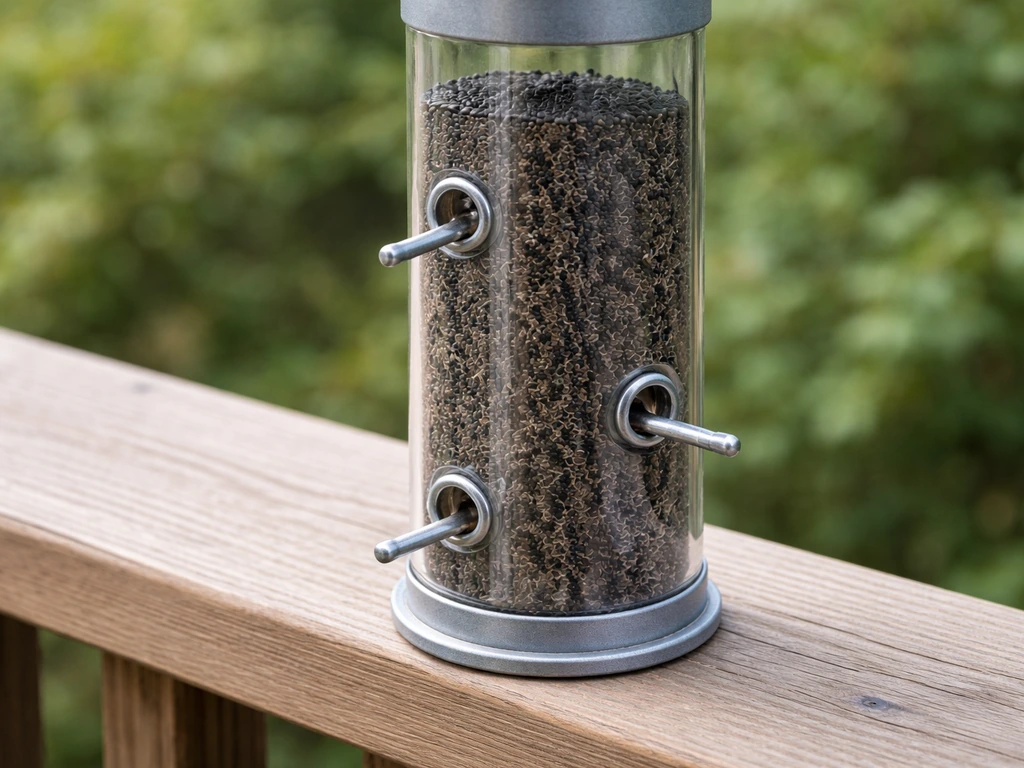
Nyjer seed is tiny, so port size matters a lot. Oversized ports let Nyjer pour out onto the ground, which wastes seed and attracts rodents. The Perky-Pet Flexport design addresses this well with adjustable T-shaped perches in both upright and upside-down configurations. Goldfinches will feed in either position, which also limits larger birds that aren't comfortable feeding inverted.
Woodpeckers
Woodpeckers need something to prop their tail against while they feed. A suet cage with a lower tail-prop extension makes feeding easier and keeps woodpeckers coming back. Suet is particularly effective in fall and winter when woodpeckers need the fat calories. In very hot summer weather, choose a no-melt suet formulation because standard suet goes rancid fast in heat and can coat feathers.
Mounting, placement, and setup tips
Height and distance from cover
Most songbird feeders work best mounted between 5 and 6 feet off the ground. Too low and ground predators (cats, raccoons) become a problem. Too high and you lose the easy visibility that birds use to spot food sources. Place feeders within 10 to 12 feet of natural shrub or tree cover so birds have a safe perch to wait their turn, but at least 10 feet from anything a squirrel can leap from if you're using a squirrel-proof feeder.
Window collision prevention
Place feeders either within 3 feet of a window or more than 30 feet away. The counterintuitive close-placement rule works because birds flying away from a feeder that close don't build up enough speed to injure themselves if they do hit the glass. The danger zone is 5 to 30 feet away, where birds gain speed but still get confused by reflections.
Attracting birds to a new feeder
New feeders sometimes take days or even a couple of weeks before birds start visiting. Perky-Pet suggests hanging something reflective nearby, like a shiny pie pan, to catch birds' attention in flight and draw them toward the feeder location. Placing a small amount of seed on top of the feeder or on the ground directly below it also helps birds notice it faster.
Cleaning schedules that actually work
UF/IFAS Extension recommends cleaning feeders at least once every 2 to 3 weeks under normal conditions, and more frequently in hot, humid weather. Audubon recommends a 9-to-1 water-to-bleach solution for disinfecting, and always completely drying the feeder before refilling. Wet seed left inside a feeder leads to mold and bacterial growth that can spread disease between birds. Don't forget the ground under your feeders. Seed hulls, droppings, and soggy uneaten seed on the ground attract rodents and can transmit disease just as quickly as a dirty feeder itself.
Spacing multiple feeders
If you're running multiple feeders, space them at least 6 to 10 feet apart. This reduces territorial competition between birds and lets more individuals feed at once. Put your Nyjer tube away from your sunflower hopper since the birds attracted to each are different species and they don't need to compete. A separate suet cage on the opposite side of the yard from your seed feeders helps woodpeckers and nuthatches feed without competing with ground-feeding birds.
Where to start: a practical shortlist
If you're just getting started or replacing a feeder that didn't work out, here's the simple version. For most backyards, a Brome Squirrel Buster Standard filled with black-oil sunflower seed is the single best first feeder. If you want to compare options quickly, a search for the best bird feeders amazon results can help you narrow down what shoppers are buying right now. It handles squirrels, cleans easily, holds up to weather, and attracts the widest variety of songbirds.
Add a Perky-Pet Flexport finch feeder with Nyjer if you want goldfinches, and a basic coated wire suet cage if you want woodpeckers. That three-feeder setup covers the majority of backyard bird species without overcomplicating things. If you're looking for the exact picks, check out this guide to the 10 best bird feeders for most backyards.
If you're comparing options across different price points or looking at what's actually rated highest in user reviews and sales rankings, it's worth checking how these brands stack up across best-rated bird feeders lists and best-selling bird feeders roundups, which often surface real-world durability feedback that lab specs alone won't tell you. It's worth checking best selling bird feeders roundups, which often surface real-world durability feedback that lab specs alone won't tell you. For the most consistently reliable picks, compare options across best rated bird feeders lists and feeder roundups. The brands that consistently appear at the top of those lists, Brome, Droll Yankees, Perky-Pet, and Bird Buddy for smart cameras, are the same ones that hold up in long-term backyard use.
FAQ
What’s the best single feeder brand and setup for a beginner who does not know which birds will show up?
If you can only buy one feeder, choose a squirrel-resistant tube or a large platform/tray feeder with drainage, then seed it with black-oil sunflower. That combination brings in the widest range of common backyard birds, and you avoid wasting money on a finch-only or hummingbird-only setup before you know what actually visits your yard.
My new feeder is getting no visitors, how long should I wait and what should I check first?
Do not judge a feeder by the first few days. For fast arrival, place it in the recommended height and within 10 to 12 feet of cover, then add a small attractant (like a reflective pie pan) near it. If there is still zero activity after 2 weeks, review seed type, port size (for Nyjer), and whether squirrels are shutting down access.
Can I combine bird seed types on one feeder or should I keep them separate?
Mixing seed types at the same height often increases competition and messy spill. Keep Nyjer feeders (tube or Flexport style) separate from sunflower hoppers, and place suet on the opposite side of the yard if you also have seeds out. This reduces grackle and squirrel pressure and helps you match the right birds to the right feeder.
Why do weight-activated squirrel-proof feeders fail even when I bought a reputable brand?
Not always. For squirrels, “weight-activated” only works if the threshold is set correctly for your local squirrel size and if the feeder is pole-mounted with a proper baffle. If squirrels still get in, the most common mistake is using a baffle that is the wrong diameter, too low, or too close to a jump point (tree, fence, or deck).
Are wood bird feeder brands a bad idea, or when are they actually worth it?
Wooden feeders can work, but you should treat them like outdoor furniture. If you use a wood-look option, pick naturally rot-resistant cedar or a sealed/tasteless exterior finish, then plan on yearly re-sealing. Also expect more frequent cleaning than plastic or powder-coated metal because wood can trap moisture and residue.
What are the most common hummingbird feeder mistakes that lead to sick birds?
If you target hummingbirds, skip red-dyed nectar and focus on frequent cleaning plus a reservoir you can reach with a bottle brush. In hot weather, aim to replace nectar at least weekly or sooner if it turns cloudy. A feeder that is “easy to clean” matters more than brand name.
How do I stop grackles and starlings without giving up bird variety?
If grackles and starlings dominate, the fix is usually design plus seed. Switch to safflower on clinging or mesh/caged-feeding styles, and reduce perching by choosing short/no-perch feeders. Also consider weight-sensitive shutoff calibrated around larger nuisance birds rather than relying on a standard open hopper.
Why is my Nyjer seed wasting away or turning into clumps, and what should I change?
Nyjer problems are usually port and humidity. If Nyjer is falling onto the ground, you likely have oversized openings, and if it clumps you likely need a feeder that vents well and is easy to disassemble. Use a Nyjer-focused feeder (tube or Flexport style), and keep cleaning intervals tighter in humid weather.
What should I look for in platform feeders so seed does not get wet and moldy?
Powder-coated metal is often reliable for platforms because it resists rust, but any exposed tray without drainage can still create a wet seed trap. If you are getting mold or slime, verify the tray has drainage holes or a mesh bottom and that water actually drains away from the seed.
How often should I clean both the feeder and the area under it, and what’s the biggest overlooked issue?
Cleaning cadence changes with your climate and feeder style. In hot or humid conditions, shorten the interval, and always fully dry before refilling so you do not lock moisture into leftover seed hulls. Also clean the ground area under the feeder, because wet hulls and droppings can undermine an otherwise “clean” feeder.
Should I buy a smart bird feeder or a traditional feeder if I care about reliability more than features?
For smart cameras, the decision is less about resolution marketing and more about app behavior, connectivity, and whether key features require a paid tier. If your Wi-Fi is weak outdoors or you do not want charging and subscriptions, a camera feeder may disappoint even if the hardware is good.
What are the practical edge cases to consider with smart feeder cameras (Wi-Fi, privacy, accuracy)?
If you’re using a smart feeder, place it where it can maintain a stable Wi-Fi signal, and keep it positioned away from direct water spray. Also read the privacy terms if you share a lot of footage or live in a sensitive area. For people focused on species IDs, understand that AI accuracy depends on camera angle and lighting conditions.
Are seed catcher trays worth it, and can they accidentally make squirrel or mold problems worse?
Seed catchers can help, but they do not replace squirrel-proofing. Use a catcher tray with drainage so you do not create a soggy “seed reservoir” underneath, and make sure it does not create a new access point that squirrels can exploit. For best results, pair it with correct placement and a baffle if pole-mounted.
Next Article
Best Bird Feeders on Amazon: Complete Buying Guide
Choose the best bird feeders Amazon offers by type, target birds, squirrel proofing, cleaning, and smart AI camera featu