The best songbird feeder for your backyard is the one matched to the birds you actually want, not just the one with the best reviews. Good bird feeders are also about matching the feeder style and seed to the birds in your yard, not just buying what’s popular online. A tube feeder with nyjer seed pulls in goldfinches and pine siskins all day. A hopper stocked with black-oil sunflower seed brings in chickadees, cardinals, nuthatches, and house finches.
Best Song Bird Feeders: Buy and Set Up for Your Yard
Marcus Holloway
27 May 2026
A suet cage mounted high on a tree trunk will have downy woodpeckers and white-breasted nuthatches clinging to it within days. The mistake most people make is buying one generic feeder and wondering why only house sparrows show up. Match the feeder style and food type to your target birds, solve for squirrels and grackles, pick a durable material, and you'll have a yard full of songbirds within a week or two.
Figure out your target songbirds and what they eat
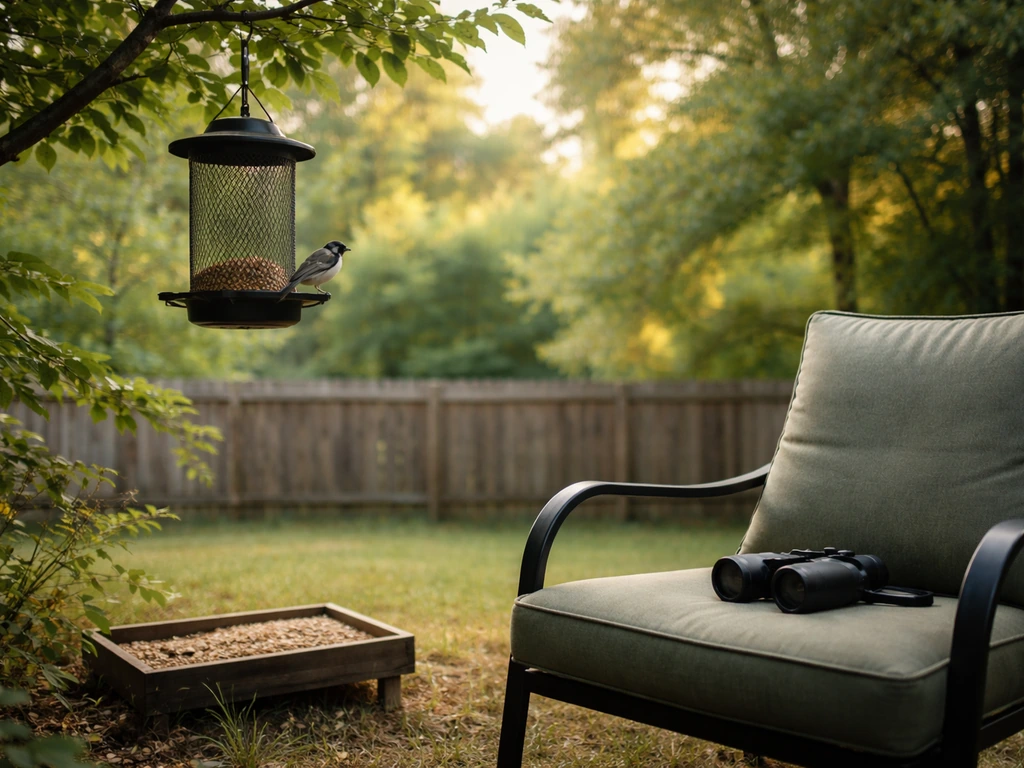
Before you buy anything, spend 10 minutes watching your yard or checking eBird for your zip code to see which songbirds are actually in your area. This saves you from buying a finch feeder when your neighborhood is full of cardinals, or loading up on millet when you really want chickadees. Every feeder decision flows from this first step.
Here's how the most common backyard songbirds break down by food preference, because this directly drives feeder choice:
| Songbird | Preferred Food | Best Feeder Style |
|---|---|---|
| American Goldfinch | Nyjer (thistle) seed | Tube feeder with small ports or nyjer sock |
| Black-capped Chickadee | Sunflower seeds, peanuts, suet, mealworms | Tube, hopper, platform, or suet cage |
| Northern Cardinal | Black-oil sunflower seed, safflower | Hopper or platform with wide perches |
| House Finch / Purple Finch | Sunflower seed, nyjer | Tube feeder |
| White-breasted Nuthatch | Sunflower, peanuts, suet | Suet cage, hopper, or tube |
| Downy / Hairy Woodpecker | Suet, peanuts, sunflower chips | Suet cage, peanut feeder |
| Dark-eyed Junco | Millet, sunflower chips | Ground or low platform feeder |
| Song Sparrow / White-throated Sparrow | Millet, sunflower chips | Ground tray or low platform |
Chickadees are a great anchor bird because they'll use almost any feeder style. Cornell Lab's All About Birds confirms they visit tube, hopper, platform, and suet cage feeders, preferring peanuts, sunflower seeds, and mealworms. If you want to attract a wide variety quickly, load a hopper feeder with black-oil sunflower seed and add a suet cage nearby. That combination covers more species than any other pairing.
Choose the right feeder style for the birds you want
Audubon frames this well: pair the feeder type to the bird's natural feeding niche. Ground-foraging birds like juncos and sparrows want a low tray or ground feeder. Shrub and canopy birds like chickadees, finches, and cardinals do best with a hopper or tube feeder at mid height. Woodpeckers, nuthatches, and chickadees looking for high-fat food want a suet cage placed higher up, ideally on a tree trunk or shepherd's hook set away from the trunk. Understanding that framework makes every other decision easier.
Tube feeders
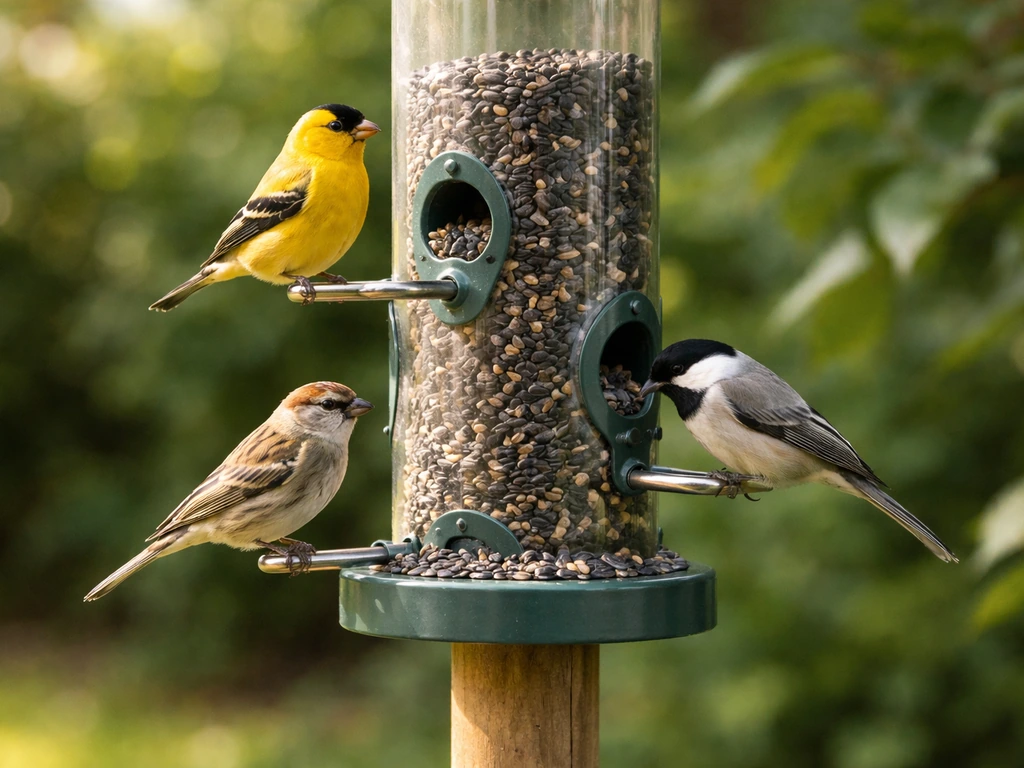
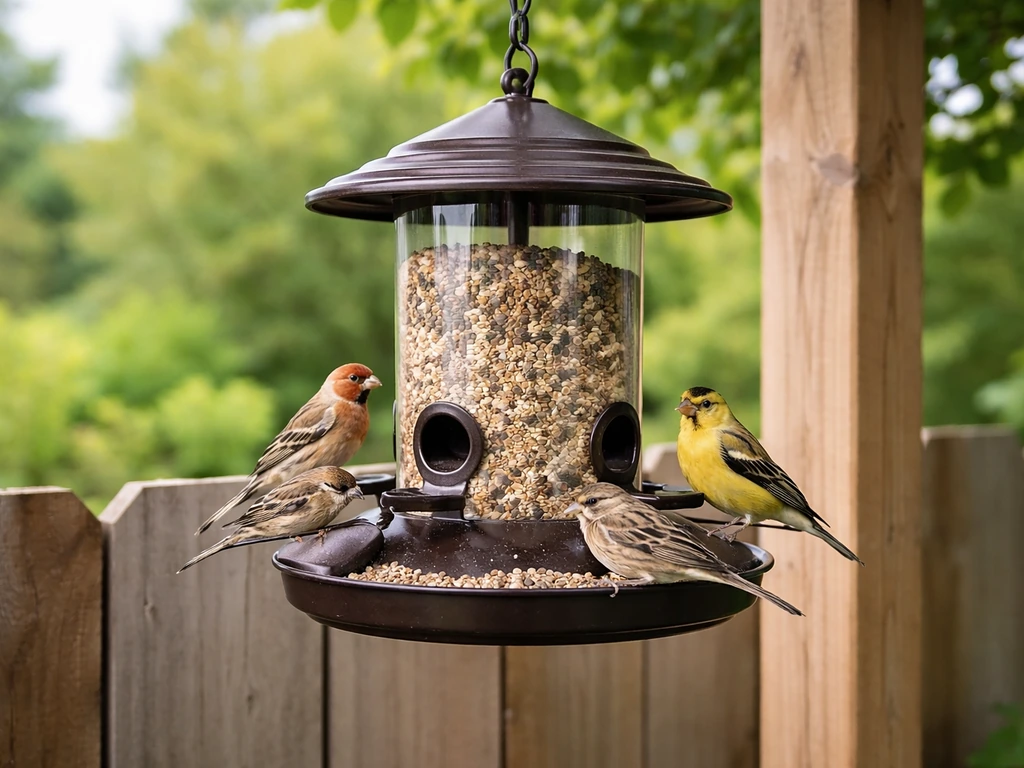
Tube feeders are probably the most versatile option for songbirds. A wide-port tube loaded with black-oil sunflower seed serves chickadees, finches, nuthatches, and titmice. Swap to a narrow-port nyjer tube and you're pulling in goldfinches exclusively. The cylindrical shape keeps seed reasonably dry, and most versions hang easily from a shepherd's hook or tree branch. Look for models with metal ports and bases rather than all-plastic, because squirrels will chew through thin plastic ports within a season.
Hopper feeders
A hopper feeder is basically a seed reservoir with a roof and a tray below for birds to stand on. Cardinals love these because of the wide perch. Hoppers hold more seed than tubes, so you're filling them less often, which is convenient in winter. The downside is that the seed at the bottom can get wet and moldy faster if rain gets in, especially on models with cheap roof overhangs. I've had the best luck with cedar hopper feeders that have a wide, sloped roof and a removable tray for easy cleaning.
Platform and tray feeders
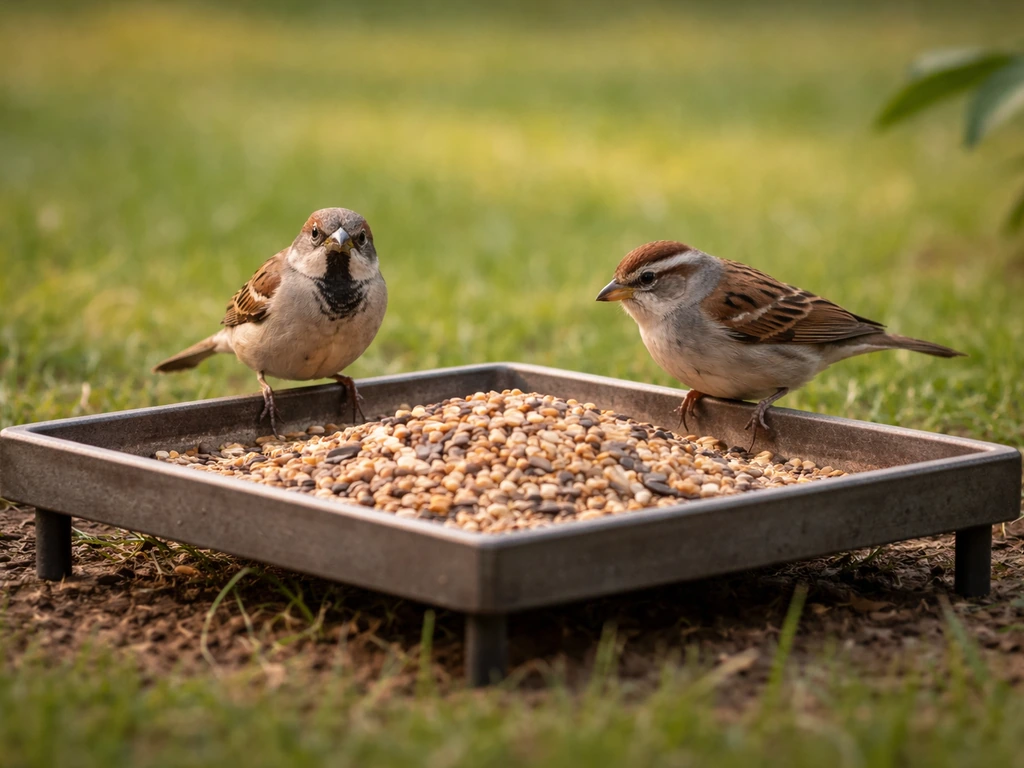
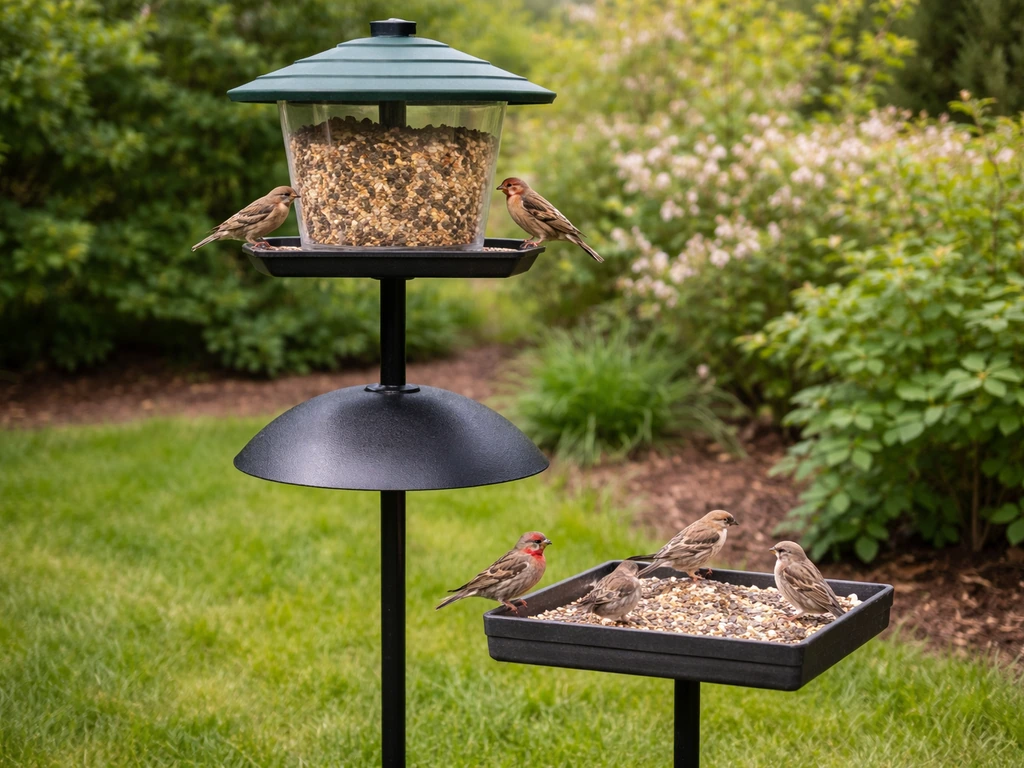
Platform feeders are flat, open trays that work well for birds that prefer to feed in the open, including cardinals, mourning doves, and sparrows. They're easy to clean and accommodate large birds and small ones alike, but that accessibility also means squirrels and grackles can take over. If you go the platform route, use one with a mesh bottom so water drains and seed doesn't sit in puddles. A hanging platform keeps it slightly more protected than one on a post.
Suet feeders
Suet cages are inexpensive, almost impossible to mess up, and incredibly effective for woodpeckers, nuthatches, and chickadees. Mount them high on a tree trunk or a pole at least 5 feet up. One important note from Cornell Lab: make sure the suet cage lid is secured so no birds or small animals get trapped inside. Tail-prop suet feeders, which extend below the cage to give woodpeckers something to brace against, attract downies and hairies better than standard flat cages. In summer, switch to no-melt suet or heat-rated suet cakes to prevent the suet from going rancid.
Specialty feeders: nyjer, peanut, and nectar
Nyjer feeders (sometimes called thistle feeders) use tiny ports that only small beaks can access, making them naturally goldfinch- and siskin-focused. Peanut feeders, which look like a wire mesh tube, bring in blue jays, woodpeckers, and nuthatches. Hummingbird feeders with nectar are technically for a non-songbird species, but ruby-throated hummingbirds are a common backyard presence and easy to attract with a simple red nectar feeder from May through September.
If you want the full breakdown of feeder types and design comparisons, this site covers the best feeder designs and styles in more depth. If you're trying to compare bird feeders side by side, start with feeder type, seed choice, and the birds you see most often design comparisons. If you want more practical ideas, this guide also breaks down the best bird feeder designs and styles in more depth best feeder designs and styles.
Materials and weather durability that actually matter
The feeder that looks great in the store often looks terrible after one winter. Here's how the main materials actually hold up in real backyard conditions:
| Material | Durability | Weather Resistance | Squirrel Resistance | Best For |
|---|---|---|---|---|
| Powder-coated metal | Excellent | High (rust-resistant if coated well) | High | Long-term use, squirrel-prone yards |
| Recycled plastic / polycarbonate | Good | Good (UV-stable versions last longer) | Medium | Budget-friendly, easy cleaning |
| Cedar / treated wood | Good to excellent | Good if sealed; check annually | Low (chewable) | Traditional aesthetic, hoppers |
| Thin injection-molded plastic | Poor | Poor (UV degrades in 1-2 seasons) | Very low | Short-term use only |
| Glass | Excellent | Excellent | High | Tube feeders, long-term investment |
Metal ports and bases on tube feeders are non-negotiable if you have squirrels. They will chew through plastic feeding ports within a single season, especially in winter when food is scarce. Powder-coated steel or aluminum construction holds up through rain, snow, and sun without rusting out or fading badly. Cedar hopper feeders look beautiful and hold up well, but check the joints and roof seams every spring and reseal if needed. I've had a good cedar hopper last seven years with minimal maintenance, and a cheap plastic one collapse in 18 months.
Mounting and placement for higher visitation
Where you put the feeder matters as much as what feeder you buy. The single biggest placement mistake I see is positioning feeders right next to windows at mid-range distance, say 5 to 20 feet away. That's the danger zone for window strikes. Audubon and Cornell Lab both recommend placing feeders either within 3 feet of a window or more than 30 feet away. At under 3 feet, birds haven't built up speed if they do head toward the glass. At over 30 feet, they have enough clearance to avoid it. Both extremes work. The 10-to-20-foot zone is where you get the most collisions.
For the actual placement strategy, here's what tends to pull in the most birds:
- Hang tube and hopper feeders 5 to 6 feet off the ground on a shepherd's hook or a free-standing pole, away from fences and tree branches that give squirrels launch points
- Place suet cages at or above 5 feet on a tree trunk or pole, ideally on the shaded side in summer to slow melting
- Position feeders near natural cover like shrubs or small trees so birds have somewhere to retreat quickly, but not so close that cats or predators can ambush from the cover
- Keep ground or low tray feeders away from dense shrub bases where cats hide; a clear 3-to-4-foot buffer around the feeder gives birds a visual warning zone
- Face feeders away from prevailing wind direction to reduce seed scatter and keep seed dryer in rain
If you have a smaller yard or patio space, a single shepherd's hook with a squirrel baffle can hold two or three feeders at different heights, covering multiple feeding niches without requiring a lot of horizontal space. That's genuinely one of the most efficient small-yard setups I've used.
Predator-proofing and stopping squirrels and grackles
Let's be honest: you can't make a feeder completely squirrel-proof, but you can get remarkably close. Audubon puts it well, saying you can get 'pretty darn close' with the right setup. The most effective approach combines a smooth metal pole, a properly sized baffle, and correct distance from any jumping-off points.
The squirrel solution that actually works
- Use a smooth metal pole (not a wooden post with a ledge squirrels can grab)
- Install a dome or cylinder baffle at least 18 inches in diameter below the feeder on the pole, positioned about 4 to 5 feet off the ground so squirrels can't jump over it from below
- If squirrels are dropping from above (from a tree branch or fence), add a tilting dome baffle above the feeder so they slide off when they land on it
- Keep the feeder at least 10 feet horizontally from any fence, tree trunk, or structure a squirrel can launch from
- Consider a weight-activated feeder that closes ports when anything heavier than a songbird lands on it. Brands like Squirrel Buster and Brome make these well and they genuinely work
Dealing with grackles, starlings, and other bully birds
Grackles and European starlings are the two biggest bully-bird problems most backyard birders face. Both are bigger and more aggressive than most songbirds, and they'll empty a hopper feeder fast. The most practical countermeasures: switch to a tube feeder with short perches (Project FeederWatch confirms short perches accommodate smaller birds while excluding larger species like grackles and jays), or use a caged feeder with a wire cage sized to allow small songbirds through while blocking larger birds.
For starlings at suet feeders, Cornell Lab notes that cages only accessible from the bottom are more starling-resistant while still letting clinging birds like woodpeckers and nuthatches feed normally. Upside-down suet feeders work on the same principle since starlings struggle to feed from below while clinging birds handle it easily.
Safflower seed is another useful grackle deterrent. Most grackles and squirrels dislike it, while cardinals, chickadees, and house finches eat it readily. Swapping sunflower for safflower in a hopper feeder during heavy grackle seasons can reduce takeover noticeably.
Cleaning, hygiene, and preventing mold or wasted seed
Dirty feeders spread disease among songbirds, and moldy seed can make birds sick or kill them. This is one of the parts of backyard birding that doesn't get enough attention. The Iowa DNR recommends cleaning feeders about once a month with a 10% bleach solution (roughly 1 part bleach to 9 parts water), rinsing thoroughly, and letting them dry completely before refilling. Audubon's guidance for seed and suet feeders suggests cleaning every two weeks as a solid baseline, with more frequent cleaning in hot or humid weather when mold grows faster.
The 'completely dry before refilling' rule is important and easy to skip. Wet seed plus a fresh batch on top creates a mold layer that's hard to see and genuinely dangerous for birds. I keep a second feeder on hand so I can swap them out, run one through a cleaning cycle, and never leave birds without a food source while I wait for the feeder to dry.
A few other hygiene habits that make a real difference:
- Rake up seed hulls and droppings from the ground below feeders every week or two. Damp hulls on the ground breed bacteria and fungus that birds pick up when they forage below the feeder
- Use no-waste seed mixes or hulled sunflower chips to reduce the volume of wet hulls accumulating under the feeder
- In humid climates or rainy seasons, reduce the amount of seed you load so birds finish it before it can get damp and cake
- Check suet cakes weekly in warm weather and replace them when they look oily, smell rancid, or show any gray mold spots
When smart and AI bird feeder cameras are worth it
Smart bird feeder cameras, like the Bird Buddy or similar AI-powered models, have gotten genuinely useful in the last couple of years. The core feature is a built-in camera that captures photos or video when a bird lands, then uses machine learning to identify the species and push a notification to your phone. Bird Buddy's own documentation confirms the recognition is trained on machine learning data, and TechRadar's review of the Bird Buddy notes the AI identification is helpful but not perfect, with notifications sent for significant events rather than every single visit.
So when is one actually worth buying? A smart feeder camera makes a lot of sense if you're trying to build a species list for your yard, you're new to birding and want help identifying what's showing up, or you just enjoy the engagement of getting bird photos without sitting outside with a camera. The novelty factor is real and it does keep you more connected to what's visiting. I found myself checking the app daily when I first set mine up.
Where smart feeders fall short: accuracy on less common species is inconsistent, some advanced features are behind subscription paywalls, and Wi-Fi band compatibility (most require 2.4 GHz networks) can be a setup headache if your router defaults to 5 GHz. Digital Camera World's roundup of bird feeder cameras confirms accuracy and subscription gating vary meaningfully between brands. Cloud storage for footage is standard, as Bird Buddy's support documentation confirms footage uploads to their cloud service where you decide whether to keep or share it, but that also means you're dependent on their servers and app staying active long-term.
If your main goal is simply attracting more songbirds and feeding them well, a smart feeder is a nice bonus, not a requirement. A $30 tube feeder with the right seed will outperform a $200 AI feeder with the wrong food in the wrong location every single time. Get the basics right first, then add the tech layer if the bird-watching engagement appeals to you.
Which feeder setup to buy based on your situation
Here's the practical summary broken down by common backyard scenarios, because 'best' genuinely depends on your specific constraints:
| Your Situation | Best Feeder Setup | Key Food |
|---|---|---|
| Want maximum species variety | Hopper feeder + suet cage + shepherd's hook with squirrel baffle | Black-oil sunflower + suet cake |
| Goldfinch focus | Nyjer tube feeder or nyjer sock | Nyjer (thistle) seed |
| Cardinal and chickadee focus | Hopper feeder with wide perch or platform feeder | Black-oil sunflower or safflower |
| Woodpecker and nuthatch focus | Suet cage on tree or pole, peanut feeder nearby | Suet cakes, raw peanuts |
| Heavy squirrel pressure | Weight-activated tube feeder (e.g., Squirrel Buster) on baffled metal pole | Black-oil sunflower or safflower |
| Grackle/starling problem | Caged feeder with small openings, upside-down suet feeder | Safflower (grackle-deterrent), suet |
| Small patio or balcony | Window-mount tube feeder or single small hopper on a clamp-mount | Black-oil sunflower chips (less mess) |
| Want bird ID and engagement | Smart feeder camera (Bird Buddy or similar) + standard tube or hopper | Whatever the target bird prefers |
If you're just getting started and want one setup that covers the most ground, go with a metal-ported tube feeder loaded with black-oil sunflower seed, hung on a baffled shepherd's hook at least 10 feet from any launching point for squirrels, placed either within 3 feet of a window or more than 30 feet away. Add a suet cage within the first month. That two-feeder combo will attract more songbird species than anything more complicated, and it's maintainable, durable, and predator-resistant. Two simple feeder types to compare for your yard are tube feeders and hopper feeders, depending on what birds you want to attract. Everything else is an upgrade you can layer on once you see what's showing up.
FAQ
If I’m not sure what birds I have yet, how long should I wait before changing the feeder or seed?
Use a simple “first sightings” rule. Pick your feeder type and seed based on likely birds in your area, then adjust after 7 to 14 days by observing which species actually use the feeder. If you see only one dominant species, try changing seed first (for example, black-oil sunflower to nyjer or to safflower) before switching feeder types, since feeder type changes can take longer to “train” visitors into a routine.
Should I buy multiple feeder types right away, or start with just one?
It’s usually smarter to start with one high-hit feeder and one backup. The article’s approach (tube plus suet) reduces wasted seed and helps you learn your yard’s preferences faster. If you add multiple feeders at once, it becomes harder to tell whether birds are responding to placement, seed, or feeder design.
Can I leave feeders out year-round in heavy rain or snow?
Yes, but only if the seed stays dry and the feeder can be cleaned. Wind-driven rain gets into many hoppers faster than tube feeders. If you live in a wet climate or have frequent storms, prioritize a feeder with a real roof and a removable tray, and check for mold at least weekly during rainy periods.
What else can I do if I already have feeders around 10 to 20 feet from a window?
You can reduce collisions by avoiding the “mid-distance” band (roughly 5 to 20 feet) and adding visibility strategies. The article covers the distance rule, but also consider making the glass more obvious to birds by using window decals or screens (if allowed) since distance guidance is not perfect for every yard layout.
Do “mixes” of seed work better, or should I use single seeds for the best songbird feeders?
Not always. “More seed options” often means more waste and less focus. A hopper packed with general seed can attract unwanted bullies, which may block smaller birds. If grackles or starlings are a problem, use a seed and feeder combination that limits access (nyjer for small finches, short-perch tubes for smaller songbirds, bottom-cage suet for starlings).
What should I do if I notice damp seed or a musty smell in a feeder?
Take down and replace seed if you suspect spoilage. Moldy seed should not be saved or topped off. In practice, empty the feeder, clean the unit thoroughly, let it dry completely, then refill with fresh seed, because leaving even a thin wet layer underneath can cause repeated mold outbreaks.
How do I handle feeder maintenance after a long stretch of hot, humid weather?
For most yards, plan on bringing feeders in temporarily when you can’t clean and dry them reliably, especially during hot, humid weeks or after storms. If a feeder gets wet inside, the “dry before refilling” rule matters more than the material type, because wet seed can create a new mold layer even if the feeder looks clean.
Is it a good idea to keep a spare feeder for cleaning rotations?
Yes, and it helps if you match it to the food type. Rotate two feeders so one is drying and being cleaned while the other stays available. This is especially useful for hopper and suet setups, where moisture and hygiene issues can build quickly when temperatures swing.
What are the early signs that my feeder design is letting in moisture?
For tube feeders, watch for a slow drip of seed and clumping at ports as an early sign that moisture is getting in. For hoppers, check the roof seams and look for seed “milling” into wet clumps near the bottom tray. If you see persistent dampness, switch to a feeder with a better roof design or shorten the interval between clean-and-dry cycles.
How can I stop grackles from taking over if a tube feeder still has long-perch access?
The “short perch” idea applies most when you have a lot of grackles or jays. If larger birds are still dominating, consider switching to a caged feeder setup that small birds can access while larger ones cannot, since simply reducing seed volume often does not stop bully birds.
Where exactly should I place suet cages to attract nuthatches and woodpeckers without feeding bigger bullies?
To get clinging birds like nuthatches and woodpeckers without inviting too many bigger visitors, focus on height and mounting style. Mount suet high (at least about 5 feet) and place it on a tree trunk or pole, away from easy “jump-off” routes. That placement reduces the number of times larger birds can take the easy landing spot.
What’s the most effective way to fine-tune squirrel control after the first week?
Squirrels often learn quickly. If you notice recurring squirrel activity, upgrade one variable at a time: use a properly sized baffle, switch to a smooth metal pole, and then adjust feeder height and distance from fences, branches, or nearby posts. Don’t assume buying a baffle once is enough, because baffles work only if there are no nearby jumping aids.
Should I change seed types seasonally, or keep the same setup all year?
Yes, because feeder behavior can change seasonally. Seed preferences shift, and bully-bird pressure can increase when natural food is scarce. Reassess every month or two, and during winter switch to higher-energy options like sunflower and suet, then adjust when breeding season brings different feeding patterns.
What are the most common mistakes when cleaning feeders?
For cleaning, the practical limiter is drying time. Use the bleach solution guidance, but rinse thoroughly and only refill once the feeder is fully dry. Also keep a separate scrub brush or tools for feeder parts, because cleaning tools can transfer residue or mold from one feeder to another.
Next Articles
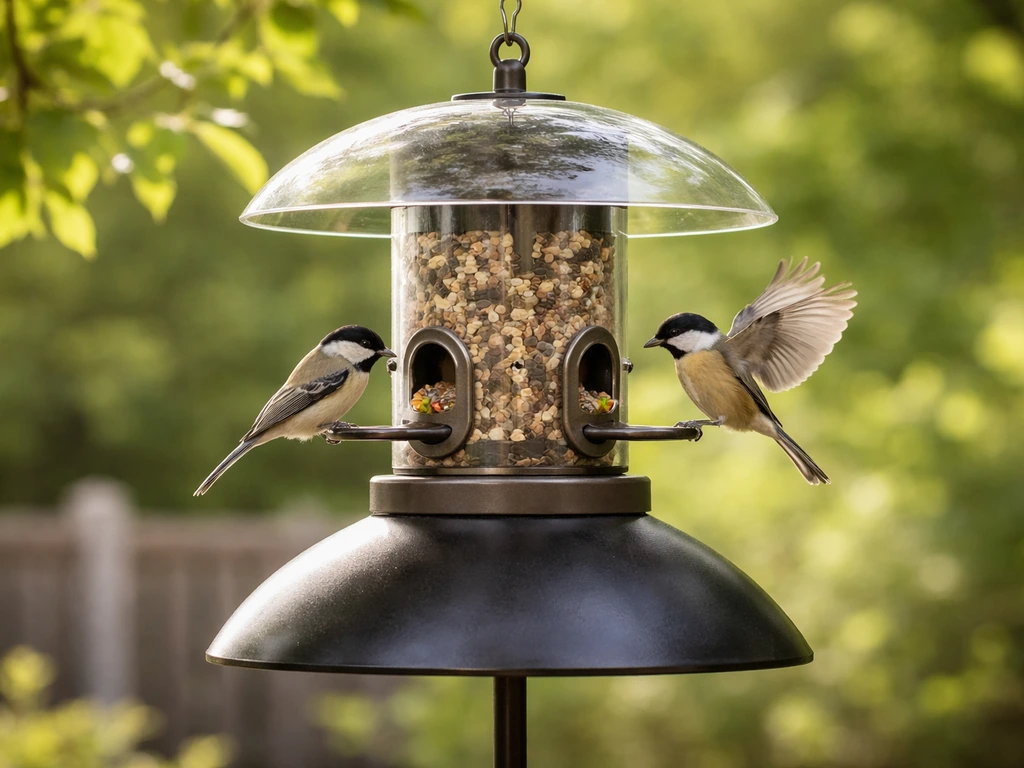
Best Bird Feeder Designs: Plans, Placement, and Fixes
Actionable bird feeder designs and plans: placement, predator-proofing, species fit, and fixes plus smart camera options
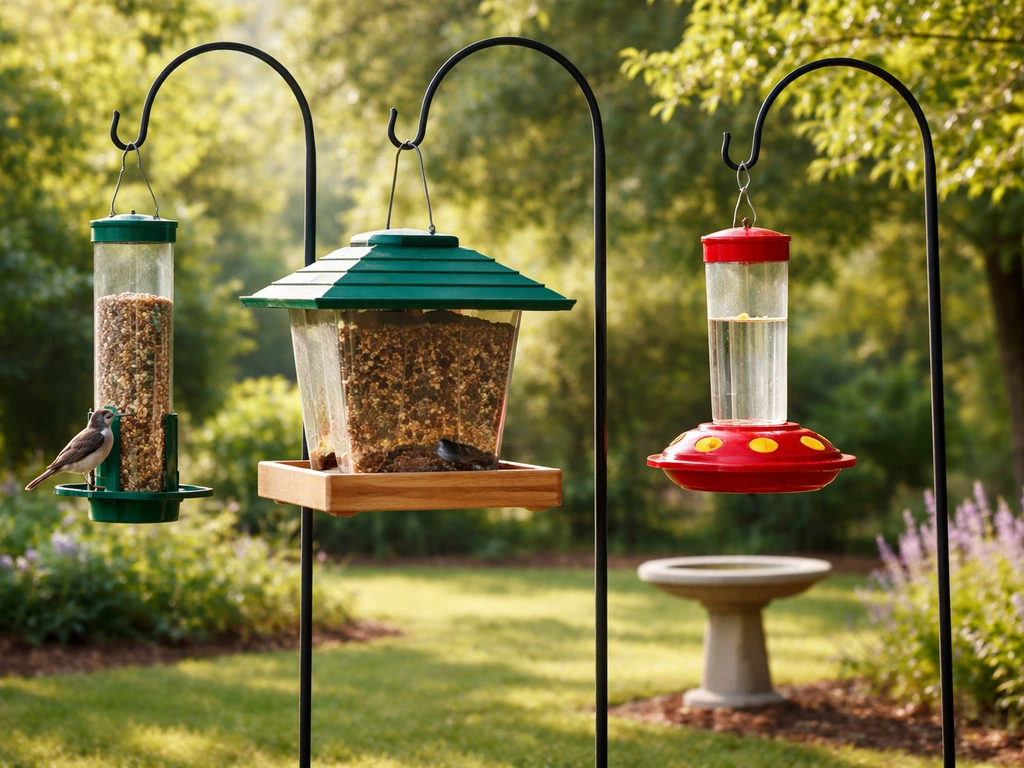
Best Type of Bird Feeders: Choose by Species and Setup
Best type of bird feeders by species and yard setup, with clear picks for finches, hummingbirds, cardinals and more.
Good Bird Feeders: How to Choose the Best Options
Choose the right good bird feeders by species, weatherproof materials, cleaning ease, and squirrel or grackle-proofing,