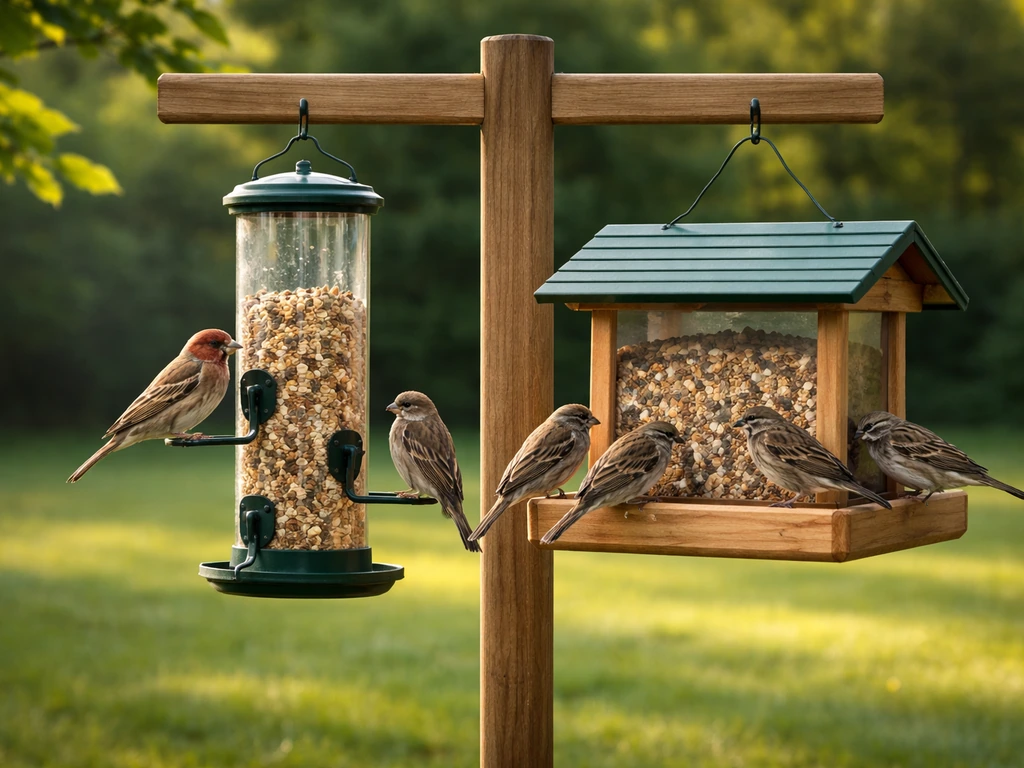
The two main types of bird feeders are tube feeders and hopper/platform feeders. Tube feeders are enclosed cylinders with small ports and perches, designed to dispense seed in controlled amounts. Hopper and platform feeders are open or semi-enclosed designs where seed is spread across a wider surface, blank" rel="noopener noreferrer">attracting a much bigger variety of birds. Those two categories cover the vast majority of what you'll find in any backyard birding setup, and understanding the difference between them is the fastest way to figure out what you actually need. If you’re trying to pick the best type of bird feeders for your yard, start by matching the feeder style to the birds you want to attract and the pests you’re most likely to face.
What Are Two Types of Bird Feeders? A Beginner Guide
The two main feeder types, explained
Tube feeders
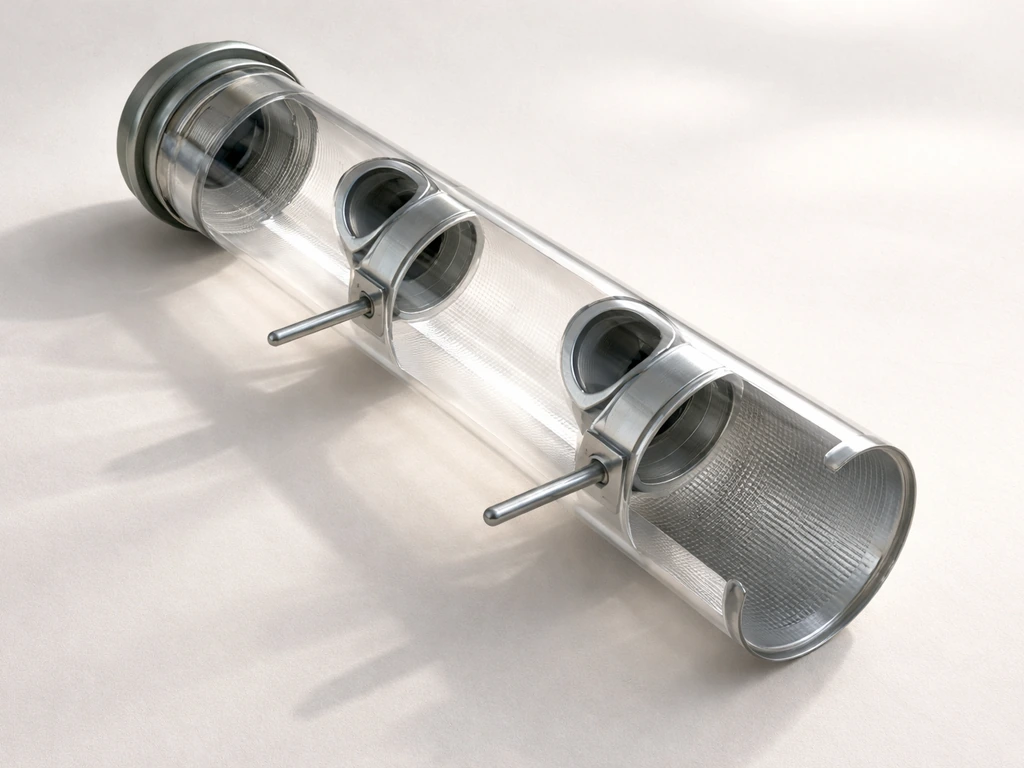
A tube feeder is a hollow cylinder, usually made of clear plastic or metal mesh, with multiple feeding ports cut into the sides and small perches below each port. Birds land, grip the perch, and pull seed out one piece at a time. Because the seed stays inside the tube and only trickles out at the ports, it stays relatively dry and doesn't get scattered all over the ground. The design also naturally limits access to smaller birds since the perches are short and there's no flat surface for a bigger bird to land and settle in. If you want to target finches, chickadees, nuthatches, or titmice without rolling out a welcome mat for every grackle in the neighborhood, a tube feeder is your best starting point.
Hopper and platform feeders
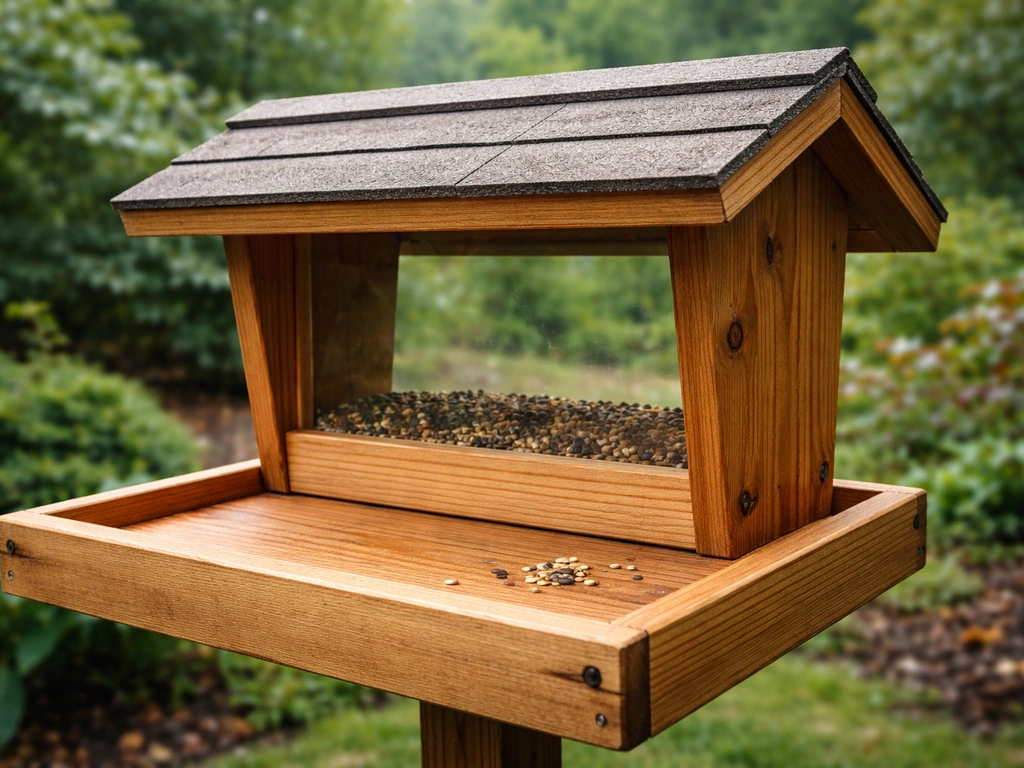
A hopper feeder is essentially a seed reservoir with walls and a roof, built over a platform where birds can land and eat. The roof keeps rain off the seed, which matters a lot if you're filling with sunflower seeds or mixed blends that clump and spoil when wet. A platform feeder is the simpler version of the same idea: a flat, raised surface with no enclosure, where you spread seed directly. Both styles attract the widest variety of seed-eating birds of any feeder design. The trade-off is that the open surface is much easier for squirrels, large blackbirds, and grackles to exploit. If you go with a hopper or platform, squirrel management isn't optional, it's part of the setup.
Which birds actually show up at each feeder
Tube feeders draw the small, agile perching birds. Chickadees, house finches, goldfinches (especially on nyjer/thistle tube feeders), nuthatches, titmice, and pine siskins are regulars. Larger birds like cardinals can use tube feeders if the ports and perches are sized for them, but in general, tube designs favor the smaller crowd.
Hopper and platform feeders attract a much broader mix. Northern cardinals, blue jays, mourning doves, dark-eyed juncos, white-throated sparrows, and house sparrows all prefer feeding on a flat or semi-open surface. The downside is that large hoppers also welcome grackles, red-winged blackbirds, and European starlings, which can dominate a feeder and drive off smaller birds. If you're seeing more grackles than anything else, switching from a hopper to a tube with short perches and no catch basin on the bottom is one of the most effective fixes.
| Feeder Type | Birds It Attracts | Birds It Limits |
|---|---|---|
| Tube feeder | Chickadees, finches, nuthatches, titmice, goldfinches | Grackles, doves, large blackbirds |
| Hopper feeder | Cardinals, jays, doves, sparrows, juncos, grackles | Very few — most birds can access it |
| Platform feeder | Widest variety of any feeder type, including ground-feeding sparrows and doves | Essentially open to everything |
How to choose: size, material, and weather durability
Size matters more than people think. A small tube feeder that holds a cup of seed means you're refilling every day or two during peak season, which gets old fast. Larger hoppers can hold several pounds of seed and stay full for days, but a big open seed reservoir also goes stale faster if traffic is slow or rain gets in. Aim for a capacity that matches how often you want to be outside maintaining it.
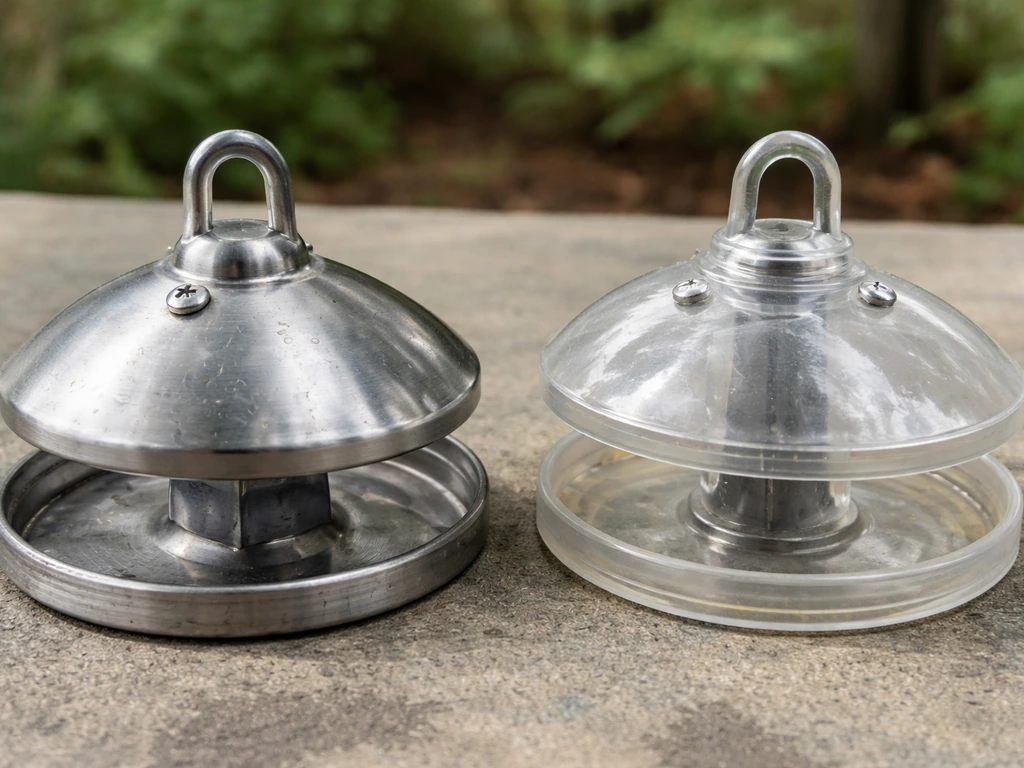
For material, metal and UV-stabilized polycarbonate hold up much better than basic plastic, especially in climates with temperature swings, ice, or intense summer sun. I've had cheap plastic tube feeders crack at the ports within a single winter and start leaking seed everywhere. Heavy-gauge steel or powder-coated metal feeders cost more upfront but last years longer. For hoppers, look for a roof that actually overhangs the seed tray by a few inches rather than sitting flush, which is the difference between seed that stays dry and seed that turns into a soggy mess after the first rain.
Cleaning is also a real selection criterion, not just a box to check. Tube feeders with ports that don't fully open are miserable to clean and will harbor mold that makes birds sick. Pick a tube feeder you can fully disassemble and either hand-wash or run through a dishwasher. For hoppers and platforms, look for removable trays. You should be cleaning feeders regularly, at least every couple of weeks during active seasons.
Mounting and placement: where to actually put them
Height and distance from windows are the two things most people get wrong. Hang or mount feeders at least 5 feet off the ground. For window distance, the safe zones are either within 3 feet of a window or more than 30 feet away. That sounds counterintuitive, but feeders placed between 3 and 30 feet from a window are the most dangerous: birds can build up enough speed in that gap to hit the glass fatally. Right up close to the glass (within 3 feet), they can't get up enough momentum to injure themselves. Far away (30-plus feet), they have room to see the hazard and redirect.
For the feeder itself, a pole-mounted setup with a baffle is almost always better than hanging from a tree branch, both for squirrel control and for stability in wind. Mounted on a smooth pole with a baffle, the feeder is also easier to position precisely relative to windows and sight lines from inside the house.
Squirrels, grackles, and keeping the wrong guests out
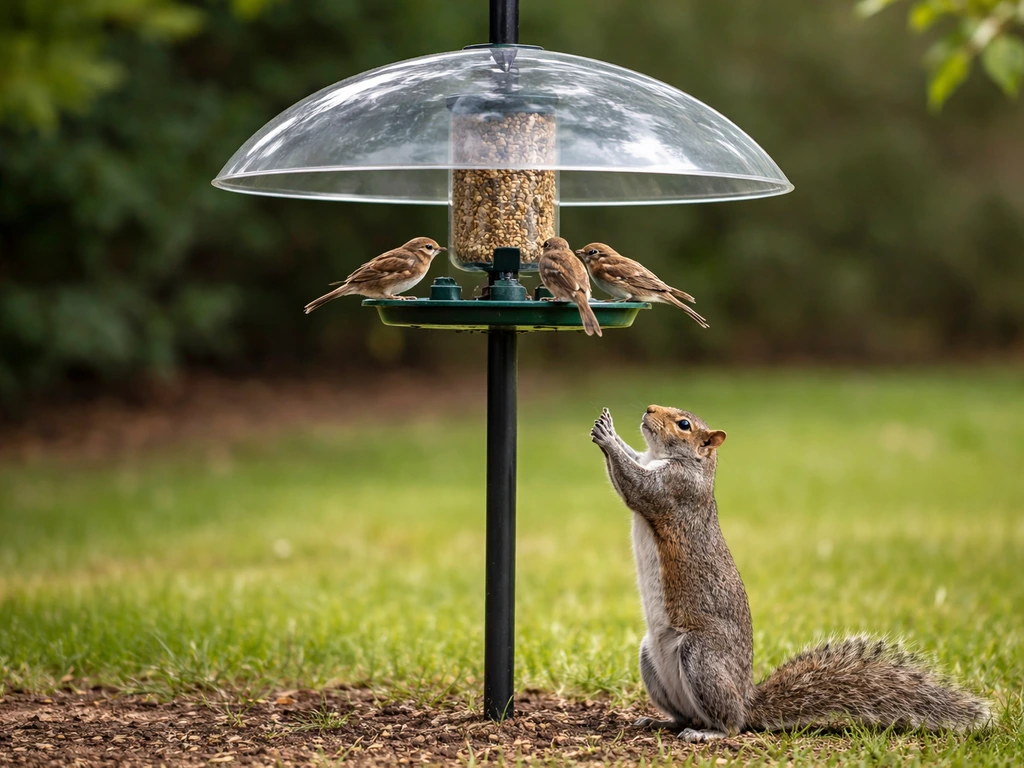
Squirrels are the number-one complaint I hear from backyard birders, and most of the frustration comes from placement mistakes rather than feeder design alone. The general rule for pole-mounted baffles: the baffle should sit about 4 feet off the ground, and the feeder pole needs to be at least 8 to 10 feet away from any tree, fence, deck railing, or other surface a squirrel can use as a launch point. Squirrels can jump surprisingly far horizontally, so that 8-to-10-foot clearance isn't overkill. A smooth torpedo-style or dome baffle on the pole itself stops squirrels from climbing up from below.
Grackles are a different problem. They're not deterred by baffles because they can fly. The most effective defense against grackles dominating your feeders is feeder design: switch to a tube feeder with short perches and no tray or catch basin at the bottom. Choosing the best bird feeder designs for your yard also means matching the feeder type to the birds you want to attract. Grackles struggle to cling to a small perch long enough to feed efficiently and will usually move on to easier pickings. If you're running a hopper feeder and grackles are taking over, you can also try a feeder with a weight-sensitive perch that closes the seed ports when a heavier bird lands. These work well for squirrels too.
- Mount the feeder pole at least 8 to 10 feet from any squirrel launch point (trees, fences, structures)
- Use a pole-mounted baffle set at roughly 4 feet high
- Choose tube feeders with short perches and no bottom tray to discourage grackles
- Consider weight-sensitive (squirrel-proof) feeders for hopper-style setups
- Avoid ground-scatter feeding, which invites every unwanted visitor at once
Where smart and AI-powered feeders fit into all this
Smart feeders with built-in cameras, like Bird Buddy, are worth understanding as a third category for more tech-curious backyard birders. They're not a replacement for a tube or hopper feeder in terms of function, but they add a camera module that photographs visiting birds and runs an AI model to identify the species, then pushes the ID and photo to a companion app on your phone. Tom's Guide, in its Bird Buddy review, describes the device as recording videos and photos while providing bird information without a subscription fee. If you're just getting started and want to learn which birds are actually visiting your yard, a smart feeder makes that genuinely easy. You don't need a field guide or any bird ID experience. The feeder does the work.
The trade-off is cost and battery/power management. Smart feeders run more expensive than a comparable traditional tube or hopper, and the camera and wireless components need power. For someone who already knows their local birds well and just wants to maximize visits, a traditional tube or hopper is more efficient. But for someone building a backyard setup from scratch and curious about what shows up, a smart feeder camera is a genuinely fun and practical addition. It also pairs naturally with a traditional hopper or platform feeder nearby since the camera feeder tends to be smaller.
Quick recommendations and how to get started today
If you're setting up a backyard feeder for the first time, start with one tube feeder and one hopper feeder. Good bird feeders can bring in more species while keeping food protected and clean a backyard feeder. That combination covers the most ground: the tube feeder handles finches, chickadees, and smaller perching birds; the hopper brings in cardinals, jays, and doves. Mount both on pole systems with baffles, positioned at least 8 to 10 feet from trees or fences, 5 feet off the ground, and either within 3 feet of or more than 30 feet from any window.
Fill the tube feeder with black-oil sunflower seed or a nyjer/thistle blend for finches, and the hopper with black-oil sunflower or a quality mixed blend that doesn't have a lot of filler milo or millet (birds mostly toss those out anyway). Skip the cheap mixed bags and you'll also reduce the mess and waste under your feeders significantly. If you want the best-looking bird feeders, focus on durable materials, attractive finishes, and a style that matches where you mount it.
Once you've got those two feeders working, it's worth comparing designs more carefully depending on which birds you're seeing most. There's a lot of variation even within tube feeders and hoppers in terms of materials, port size, perch length, and squirrel resistance. If you want to go deeper on how different feeder styles compare across those variables, looking at a broader breakdown of feeder designs and styles is the natural next step. If you want the best results for your yard, aim for the best song bird feeders that match the species you want to attract. And if the AI-powered feeder cameras caught your attention, they're worth considering as a genuine upgrade for anyone who wants to know exactly what's visiting.
FAQ
Can I use one type of feeder to attract both small finch-type birds and larger birds like cardinals?
Yes, but it depends on the specific tube design. A tube feeder can work for cardinals only if the ports and perches are sized for larger feet, otherwise they may not feed efficiently. If you want reliable variety, the simpler approach is keeping your tube feeder for finches and adding a hopper for larger perching birds.
What should I put in a hopper feeder to reduce mess and bird waste?
Choose blends with higher sunflower content and fewer filler grains like milo or millet. Seeds that birds toss tend to accumulate underneath, especially on platform-style setups. Also, consider using a quality mixed blend labeled for birds rather than generic “wild bird mix,” which often increases cleanup.
Are platform feeders just as good as hopper feeders?
They can be good for attracting many seed-eaters, but they usually lose the rain protection advantage. Without a roof or enclosure, seed gets wet, spoils faster, and increases mold risk. If you live in a rainy area or refill less often, a hopper with a roof over the tray is typically the safer choice.
How often should I clean tube versus hopper or platform feeders?
Tube feeders often need more attention at the port area because seed residue and moisture can build up inside the tube openings. In active seasons, plan on cleaning at least every couple of weeks for both types, but check tubes sooner if you notice clumping, sticky seed, or reduced feeding.
What’s the fastest way to stop squirrels if I’m using a hopper feeder?
Start with placement, not just buying a baffle. Use a pole mount with a baffle positioned around 4 feet off the ground, and keep the feeder pole at least 8 to 10 feet from any launch points like trees, fences, or railings. Then use an enclosed or semi-enclosed feeder where possible, since open trays are easier for squirrels to exploit.
If grackles keep taking over, should I switch from a hopper to a tube immediately?
Often yes, because grackles can dominate open surfaces, and tube feeders with short perches and no bottom tray make it harder for them to feed comfortably. If you still want a hopper, consider specialized perches that close seed ports when heavier birds land, but a tube conversion is usually the quickest fix.
Do I need to worry about bird injuries from windows even if the feeder is low to the ground?
Yes. Window safety depends on distance, not just height. The safest approach is placing feeders either within 3 feet of the window or more than 30 feet away, because the in-between zone (about 3 to 30 feet) increases collision risk due to birds gaining enough speed to hit glass.
What size should I choose for the feeder to avoid constant refilling and stale seed?
Match capacity to your maintenance habits. Small tubes may require daily or near-daily refills during peak season, which becomes frustrating. Larger hoppers hold more seed, but if traffic is slow or rain gets in, the seed can stale sooner, so prioritize roof design and realistic refill frequency.
Are smarter feeders with cameras worth it if I only have two feeder stations?
They can be worth it if your main goal is learning which species are actually visiting, especially if you are unsure how to interpret bird behavior. If you do use one, keep it as a smaller camera feeder alongside a traditional tube or hopper, since smart feeders typically cost more and may require power or battery planning.
What’s a good starting setup if I’m new to feeding birds?
Use one tube feeder and one hopper feeder on pole mounts with baffles, set about 5 feet off the ground, and place them either within 3 feet of a window or more than 30 feet away. This combination covers small perching birds and larger seed-eaters without committing to a single feeder style that might invite the wrong competitors for your yard.
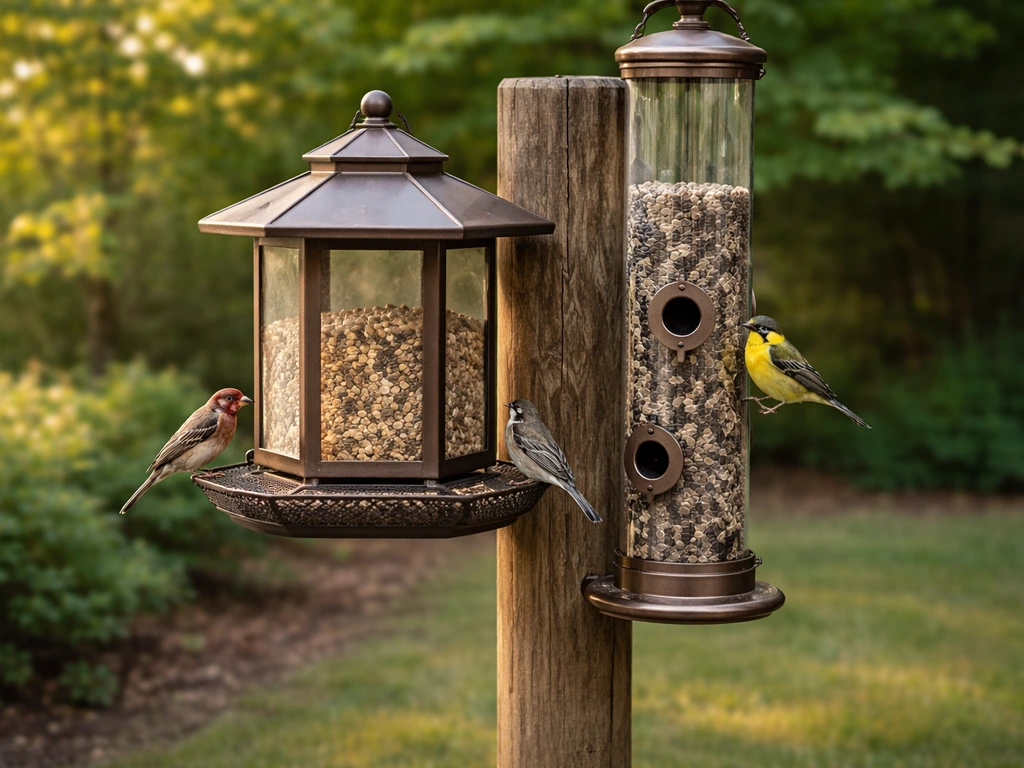
Choose the best-looking bird feeders by style, finish, size and placement, plus species picks and pest-proof tips.
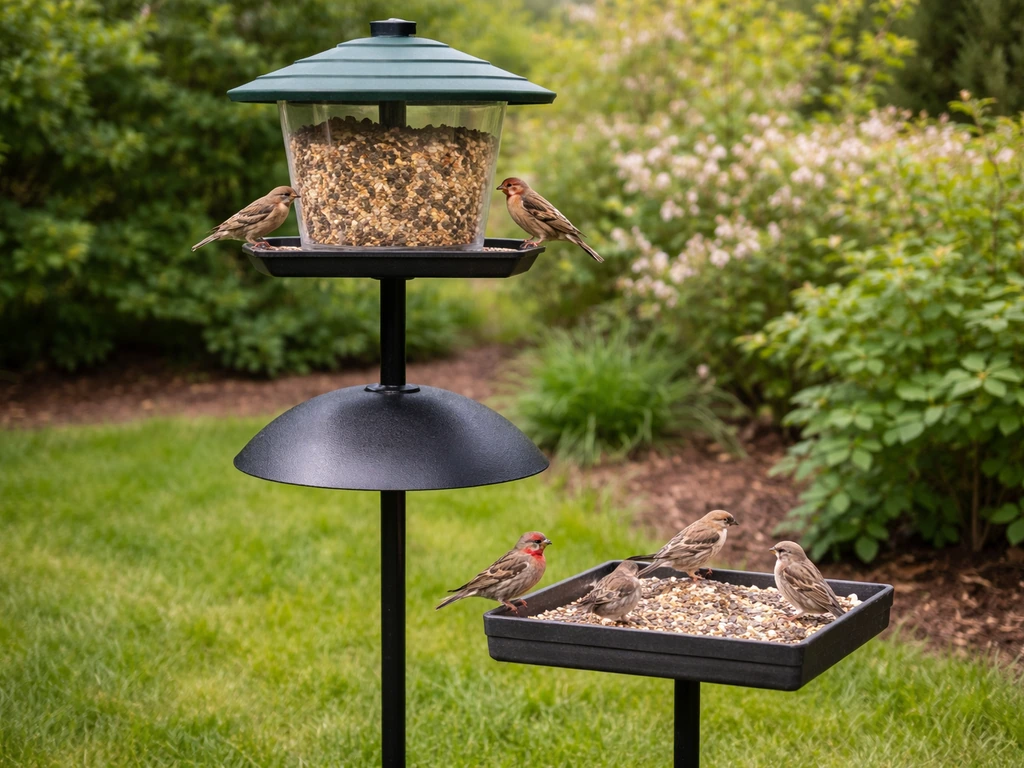
Choose the best songbird feeders for your yard, including setup, food matches, predator-proofing, and smart camera optio
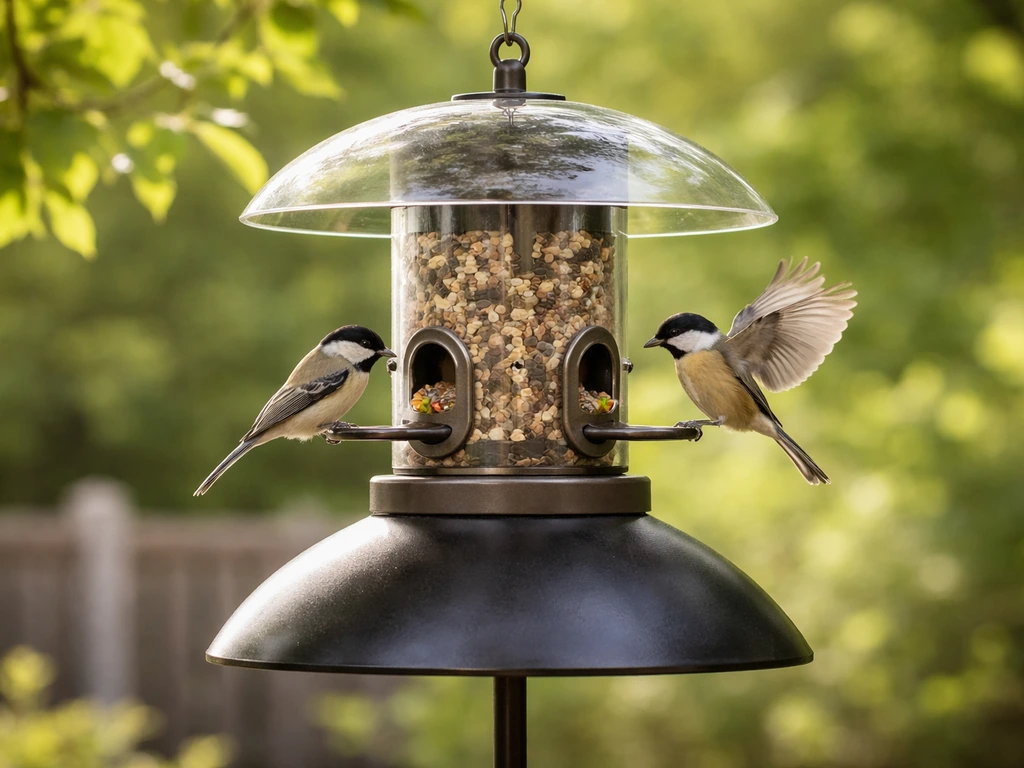
Actionable bird feeder designs and plans: placement, predator-proofing, species fit, and fixes plus smart camera options